
Navigating the financial intricacies of visiting or residing in a global metropolis like New York City can feel like deciphering an ancient scroll. Among the many considerations, understanding New York City tax is paramount, especially for travelers, tourists, and even those considering a longer stay or business trip. While the allure of the Empire State Building, the vibrant energy of Times Square, and the world-class museums are undeniable draws, the financial aspect, particularly taxes, can be a less glamorous yet equally important part of the equation. This article aims to demystify New York City tax, breaking down its various components and implications for different visitor profiles, from a weekend tourist to someone contemplating a more extended accommodation.
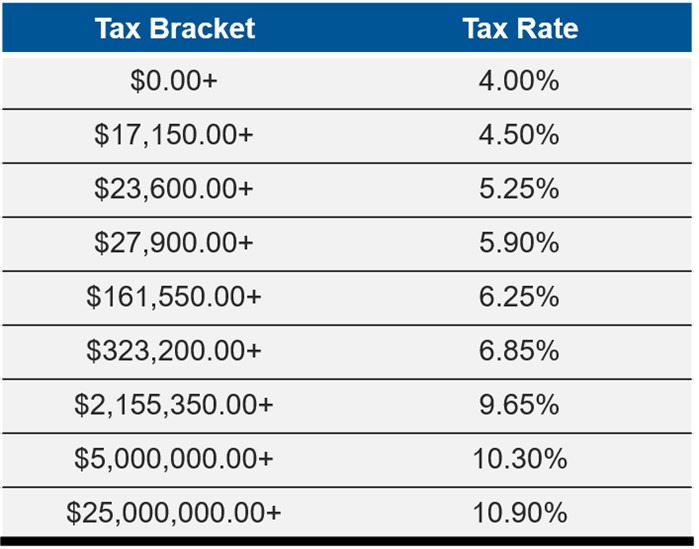
The concept of “New York City tax” isn’t a single, monolithic entity. Instead, it’s a multifaceted system encompassing various levies applied to goods, services, and accommodations within the city limits. These taxes contribute significantly to the city’s infrastructure, public services, and overall functioning, funding everything from subway maintenance to park upkeep. For visitors, understanding these taxes is crucial for budgeting and avoiding any unwelcome surprises during their stay. Whether you’re booking a luxurious suite at the Plaza Hotel, a cozy apartment for a long-term stay, or simply enjoying a meal at a local restaurant, taxes will invariably be part of the bill.
Understanding the Layers of New York City Tax
The most frequently encountered taxes for visitors to New York City are those levied on accommodation, goods, and certain services. These are typically combined at the point of sale, but understanding their origins can provide clarity. The primary taxes that visitors will encounter are the New York State Sales Tax, the Metropolitan Commuter Transportation District Surcharge, and the New York City General and Transit Sales Tax.
Taxes on Accommodation
For travelers seeking a place to rest their heads, from bustling hostels to opulent resorts, accommodation taxes are a significant consideration. When booking a hotel, apartment, or any other form of lodging, the bill will reflect a combination of state and city taxes.
Hotel Occupancy Tax
The Hotel Occupancy Tax is a direct tax on the privilege of occupying a hotel room. In New York City, this tax is particularly substantial and is composed of several components. It’s important to note that this tax is applied to the room rate itself.
- New York State Sales Tax: This is the base state-level sales tax that applies to most retail sales and services in New York State.
- Metropolitan Commuter Transportation District (MCTD) Surcharge: This surcharge is added to sales tax within the 12-county metropolitan commuter transportation district, which includes New York City. It specifically funds public transportation initiatives.
- New York City General and Transit Sales Tax: This is the local component of the sales tax, applied within the five boroughs of New York City. It supports various city services and the Metropolitan Transportation Authority.
When these taxes are combined, the total occupancy tax for hotels in New York City can reach a significant percentage of the room rate. This means that a room advertised at a certain price might end up being considerably more expensive once these taxes are factored in. For example, if you book a room at the Marriott Marquis Times Square, the final price will include these layered taxes. Budget-conscious travelers, especially those looking for long-term stays in apartments or vacation rentals, should meticulously review the final bill to account for these charges. Many booking platforms will display the estimated tax, but it’s always wise to confirm the rates.
Taxes on Goods and Services
Beyond accommodation, virtually all purchases made within New York City are subject to sales tax. This applies to everything from souvenirs purchased near the Statue of Liberty to a gourmet meal in Greenwich Village.
Sales Tax Rates
The general sales tax rate in New York City is a combination of state, city, and transit surcharges. While rates can be subject to change, visitors can generally expect a combined rate that is among the highest in the nation. This tax is applied to the retail price of most tangible personal property and certain services.
- Tangible Personal Property: This includes items like clothing, electronics, souvenirs, and groceries (though some essential groceries are exempt).
- Certain Services: This can include services like repair services, parking, and even admission to certain entertainment venues.
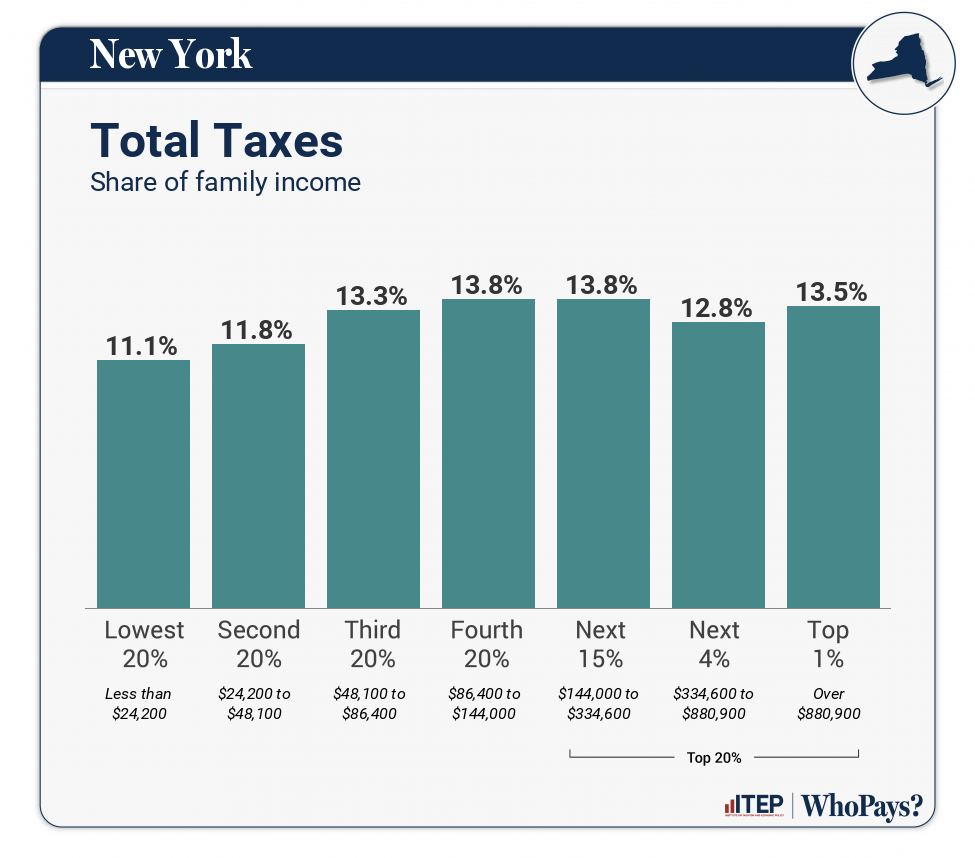
Understanding these rates is crucial for budgeting for daily expenses. A simple purchase of a New York Yankees merchandise at a shop in the Bronx will include this sales tax. Similarly, enjoying a tasting menu at a renowned restaurant in Manhattan will also have this tax added. For those planning extensive shopping sprees or frequent dining out, these taxes can accumulate considerably.
Exemptions and Specific Taxes
While the general sales tax applies broadly, there are some notable exemptions and specific taxes that visitors should be aware of.
- Food and Drinks Sold for Immediate Consumption: While most groceries are exempt, prepared foods and drinks sold for immediate consumption in a restaurant or cafe are generally taxable. This distinction is important for understanding your dining bills.
- Clothing and Footwear Under a Certain Price Threshold: Historically, clothing and footwear items below a certain price point were exempt from sales tax in New York State. However, it’s crucial to check current regulations as these thresholds can be updated.
- Transportation and Travel Services: While many travel-related expenses are subject to tax, some services might have specific rules. For instance, basic public transportation like subway and bus fares typically do not include sales tax. However, taxi fares and ride-sharing services often do.
- Broadway Show Tickets: Tickets to Broadway shows and other entertainment events are subject to a specific tax known as the Arts and Cultural Affairs Tax, in addition to the general sales tax. This contributes to funding arts and cultural organizations.
- Taxes on Specific Industries: Certain industries might have additional taxes. For example, alcoholic beverages are subject to excise taxes in addition to sales tax.
It’s also worth noting that while the focus is on New York City tax, the state of New York also imposes its own taxes that apply within the city. This layered tax structure is common in major metropolitan areas aiming to generate revenue for both state and local initiatives.
Navigating Taxes for Different Visitor Types
The impact and relevance of New York City tax can vary significantly depending on the purpose and duration of your visit. Understanding these nuances can help you plan more effectively, whether you’re a fleeting tourist, a business traveler, or someone considering a longer stay in an apartment.
The Tourist on a Short Visit
For the typical tourist exploring landmarks like the Brooklyn Bridge or enjoying the cultural offerings of museums such as the Metropolitan Museum of Art, taxes are primarily a consideration for accommodation and everyday purchases. The hotel occupancy tax will be a notable addition to the room rate. Similarly, every purchase of souvenirs, meals, and entry tickets to attractions will include the sales tax. Budgeting an additional 8.875% (as of current general rates, though this can fluctuate) on top of listed prices is a good rule of thumb for most purchases. This allows for a more accurate financial plan for activities and shopping.
The Business Traveler and Extended Stays
Business travelers often face similar tax considerations, especially if their stay extends beyond a few days and involves hotel accommodations. While many business expenses might be reimbursed by an employer, understanding the tax structure is still beneficial for personal budgeting. For those considering longer-term accommodation, such as renting an apartment for several weeks or months, the tax implications can be different. While short-term rental platforms often clearly display taxes, longer-term leases might have different agreements. It’s important to clarify whether any occupancy taxes apply to longer leases or if they fall under different rental agreements.
Long-Term Residents and Property Ownership
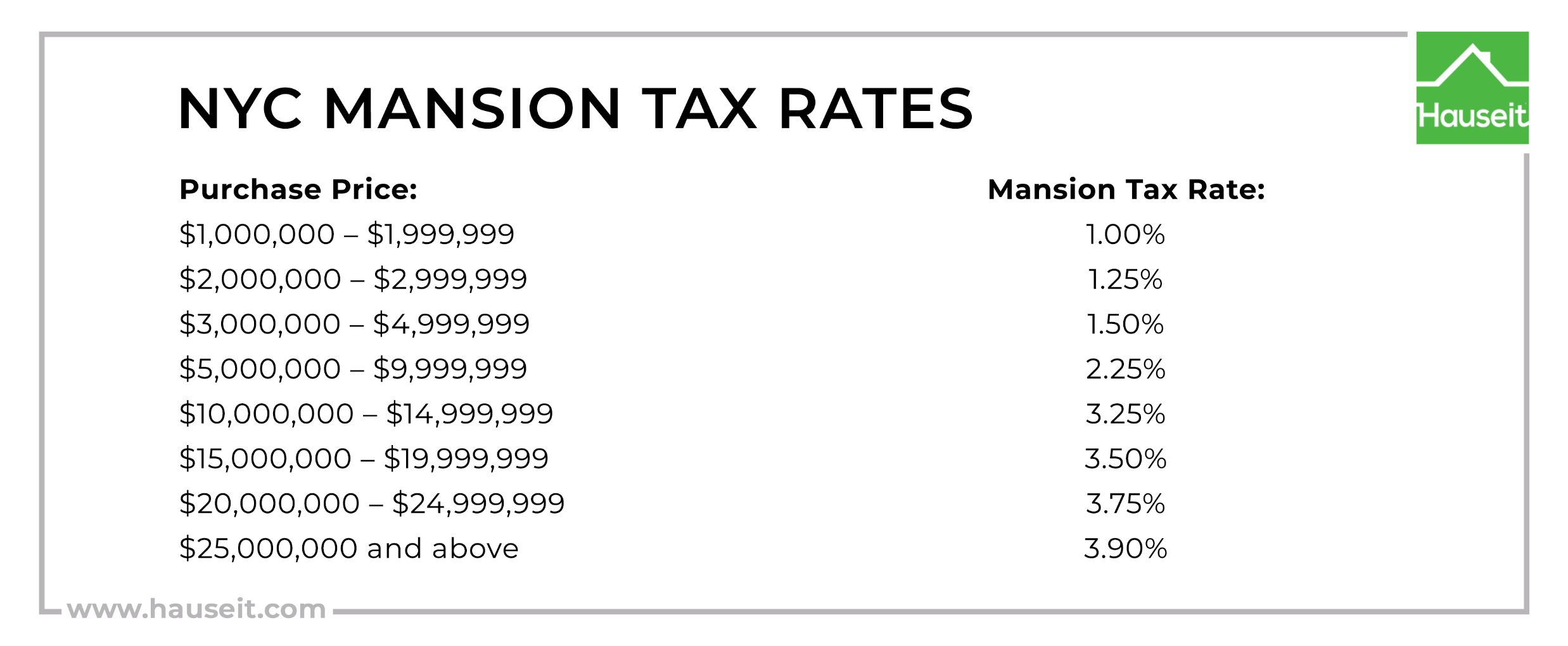
For individuals considering a more permanent move to New York City or purchasing property, the tax landscape becomes significantly more complex, extending beyond simple sales and occupancy taxes to include income tax, property tax, and various other local levies. While this article focuses on visitor-related taxes, it’s important to acknowledge that residency brings a different set of fiscal responsibilities. However, for the purpose of a visitor navigating their trip, understanding accommodation and sales taxes is the most immediate concern.
Tips for Managing New York City Taxes
While taxes are an unavoidable aspect of visiting New York City, there are ways to manage their impact and ensure a smoother financial experience.
- Budget Accurately: Always factor in taxes when setting your budget. Websites and advertisements often list prices before taxes. Add an estimated percentage to the listed price for accommodation, dining, and shopping to get a more realistic cost.
- Read the Fine Print: When booking accommodation, pay close attention to the breakdown of charges, especially the taxes. Booking platforms are generally transparent, but it’s wise to double-check.
- Look for Tax-Exempt Items: Be aware of the tax exemptions, particularly for certain food items and clothing, to make informed purchasing decisions.
- Consider Public Transportation: While some travel services are taxed, public transportation like the subway and buses are generally tax-free, making them a more cost-effective way to get around the city compared to taxis or ride-sharing services.
- Loyalty Programs: For frequent travelers, hotel loyalty programs can sometimes offer benefits or discounts that can offset some of the added tax costs.
In conclusion, New York City tax is a comprehensive system that impacts visitors in various ways, most notably through accommodation and sales taxes. By understanding the different components of these taxes and their application to different purchases and services, travelers can better budget for their trips, avoid surprises, and enjoy all that the vibrant city of New York has to offer, from its iconic landmarks to its diverse culinary scene. Whether you’re staying at a luxury resort or a budget-friendly hotel, exploring the Museum of Modern Art, or simply enjoying a stroll through Central Park, a clear understanding of the tax structure will contribute to a more informed and enjoyable travel experience.
LifeOutOfTheBox is a participant in the Amazon Services LLC Associates Program, an affiliate advertising program designed to provide a means for sites to earn advertising fees by advertising and linking to Amazon.com. Amazon, the Amazon logo, AmazonSupply, and the AmazonSupply logo are trademarks of Amazon.com, Inc. or its affiliates. As an Amazon Associate we earn affiliate commissions from qualifying purchases.