
Acquiring a Taxpayer Identification Number (TIN), specifically an Individual Taxpayer Identification Number (ITIN) for those without a Social Security Number (SSN), is a crucial step for many individuals navigating financial and tax obligations within the United States, and Texas is no exception. This guide is designed to demystify the process of obtaining an ITIN for residents and non-residents alike who have U.S. tax reporting requirements, even if they are not eligible for an SSN. While the title mentions “Tin Number,” it is important to clarify that the relevant number for individuals without an SSN is the ITIN, issued by the Internal Revenue Service (IRS). Understanding the requirements, gathering necessary documentation, and navigating the application can seem daunting, but with a structured approach, it becomes a manageable undertaking. This document will serve as a comprehensive resource for anyone in Texas seeking to understand and obtain an ITIN.

Understanding the ITIN and Its Purpose
The Individual Taxpayer Identification Number (ITIN) is a tax processing number issued by the IRS. It is specifically for certain resident and nonresident aliens, their spouses, and dependents who cannot get an SSN. The ITIN is used solely for federal tax purposes. It does not authorize work in the U.S., nor does it provide eligibility for Social Security benefits. If you are eligible for an SSN, you must apply for an SSN instead of an ITIN. An ITIN is required by the IRS to identify individuals who are not eligible to obtain an SSN and who have U.S. tax obligations. This can include individuals who:
- Are required to file a U.S. federal tax return but do not have and are not eligible to obtain an SSN.
- Are dependents of U.S. citizens or resident aliens.
- Are dependents or spouses of nonresident alien visa holders.
- Are nonresident alien visa holders who are filing a U.S. federal tax return.
Key Distinctions: ITIN vs. SSN
It is paramount to distinguish between an ITIN and an SSN. A Social Security Number is primarily issued to U.S. citizens and eligible non-citizens who are authorized to work in the United States. It serves as a permanent work authorization and a gateway to various benefits, including Social Security retirement benefits, disability benefits, and Medicare. An ITIN, on the other hand, is solely a tax processing number. It allows individuals to comply with U.S. tax laws when they have a U.S. tax reporting requirement, but it does not confer any work authorization or eligibility for Social Security benefits. The IRS issues ITINs to individuals who have U.S. tax obligations but are not eligible for an SSN. This distinction is critical for avoiding misunderstandings regarding immigration status and work eligibility.
Why You Might Need an ITIN in Texas
Residents and non-residents in Texas may need an ITIN for several reasons, all stemming from U.S. tax laws. Common scenarios include:
- Filing a U.S. Federal Tax Return: If you are a nonresident alien who earns income from a U.S. source, you may be required to file a U.S. federal income tax return. An ITIN is necessary to file this return accurately. This could apply to individuals who own property in Texas and rent it out, or who have investments that generate U.S.-sourced income.
- Claiming Tax Treaty Benefits: Certain tax treaties between the U.S. and other countries allow individuals to claim reduced tax rates or exemptions on specific types of income. To benefit from these provisions, individuals often need to file a U.S. tax return using an ITIN.
- Spouses and Dependents of U.S. Taxpayers: If you are the spouse or a dependent of a U.S. citizen or resident alien, and you are not eligible for an SSN, you may need an ITIN to be claimed on their tax return as a dependent or spouse.
- Opening Bank Accounts: While not universally required, some financial institutions in Texas may request an ITIN for opening certain types of bank accounts, particularly if you are a non-resident alien. This is at the discretion of the financial institution.
- Third-Party Reporting: In some instances, third-party payers of income may be required to report payments made to individuals who do not have an SSN. These payments are typically reported to the IRS using Form 1099, and the recipient may need an ITIN.
The Application Process: Form W-7
The primary document for applying for an ITIN is the IRS Form W-7, Application for IRS Individual Taxpayer Identification Number. This form, along with the necessary supporting documentation, is submitted to the IRS. The application process can be broken down into several key steps, ensuring accuracy and completeness to avoid delays.
Step 1: Determine Your Eligibility
Before you begin filling out the W-7, confirm that you meet the IRS criteria for obtaining an ITIN. As previously mentioned, you must be an individual who is required to have a U.S. taxpayer identification number but is not eligible for an SSN. Common reasons for eligibility include:
- Nonresident alien who must file a U.S. tax return.
- Resident alien (on the basis of days present in the U.S.) who must file a U.S. tax return but is not eligible for an SSN.
- Dependent of a U.S. citizen or resident alien.
- Dependent or spouse of a nonresident alien visa holder.
- Student, spouse, or dependent of a student visa holder.
If you are eligible for an SSN, you must apply for one and cannot apply for an ITIN. The IRS will verify your eligibility during the application review.
Step 2: Gather Required Documentation
This is perhaps the most critical step. You will need to provide proof of your identity and foreign status. The IRS requires original documents or certified copies from the issuing agency. The most commonly accepted documents include:
- Proof of Identity: A valid passport is the preferred document. If you do not have a passport, other documents can be used, such as:
- National identity card (must contain photo, name, address, date of birth, and expiration date).
- U.S. driver’s license.
- Foreign driver’s license.
- Civil birth certificate (for dependents under 18).
- Foreign military identification card.
- National identity card for permanent residents of a country other than the U.S.
- Proof of Foreign Status: This demonstrates that you are a non-U.S. citizen. A passport is usually sufficient for both identity and foreign status. If you are using other documents for identity, you will need a separate document for foreign status. Examples include:
- Visa.
- I-94 (Arrival/Departure Record).
- I-20 (Certificate of Eligibility for Nonimmigrant Student Status).
- DS-2019 (Certificate of Eligibility for Exchange Visitor Status).
It is crucial to review the official IRS instructions for Form W-7 for the most up-to-date list of acceptable documents and their specific requirements. You must submit documentation that proves both your identity and your foreign status. A single document, like a passport, can often satisfy both requirements.
Step 3: Complete Form W-7
The Form W-7 requires specific information, including your name, address, and reason for applying for an ITIN. Ensure all fields are completed accurately and legibly.
- Name: Use the name exactly as it appears on your identity documents.
- Address: Provide a current mailing address. You can use a U.S. address or your foreign address.
- Reason for Applying: Select the appropriate reason from the options provided on the form. This aligns with your eligibility determination.
- Federal Tax Return: The W-7 must generally be submitted with your U.S. federal income tax return, unless you qualify for an exception (e.g., claiming treaty benefits without filing a return, or applying on behalf of a dependent). If you are filing a tax return, ensure it is also completed accurately.
Step 4: Submit Your Application
There are three primary ways to submit your Form W-7 and supporting documents:
- Mail Directly to the IRS: You can mail your completed Form W-7, along with your original or certified copies of supporting documents, to the IRS address specified in the Form W-7 instructions. This is the most common method, but it means your original documents will be mailed back to you, which can take several weeks.
- Apply Through an Acceptance Agent: The IRS has authorized individuals and organizations to act as Acceptance Agents. These agents are trained by the IRS to help taxpayers complete Form W-7 and can verify your original documents, sending certified copies to the IRS. This avoids mailing your original documents and can expedite the process. Many accounting firms and tax preparation services in major Texas cities like Dallas, San Antonio, and Austin serve as Acceptance Agents.
- Visit a Taxpayer Assistance Center (TAC): Some IRS Taxpayer Assistance Centers offer ITIN application services. You can schedule an appointment to have your documents verified in person. However, not all TACs offer this service, and availability can be limited. It is essential to check with your local IRS TAC to confirm they provide ITIN application services and to schedule an appointment if necessary.
Processing and Receiving Your ITIN
Once your application is submitted, the IRS will process it. The processing times can vary significantly depending on the volume of applications received by the IRS.
What to Expect During Processing
After submitting your Form W-7, the IRS will review your application and supporting documents. If everything is in order, they will assign you an ITIN. If there are any issues or missing information, the IRS will contact you by mail, typically with a letter explaining what is needed. It is important to keep your contact information updated with the IRS.
Processing Times
Currently, ITIN processing times can range from several weeks to several months. The IRS recommends applying well in advance of any tax deadlines. Factors influencing processing times include:
- Volume of Applications: During peak tax filing seasons (e.g., February to April), the IRS receives a higher volume of applications, which can lead to longer processing times.
- Completeness of Application: Incomplete or inaccurate applications will cause delays as the IRS will need to request additional information.
- Method of Submission: Submitting through an Acceptance Agent or a TAC might offer a slightly faster initial verification process, but the ultimate processing is done by the IRS.
Receiving Your ITIN
You will receive a notice from the IRS assigning your ITIN. This notice serves as official confirmation. Keep this notice in a safe place, as you will need your ITIN for all future tax filings. If you applied with your tax return, your ITIN will be assigned, and the IRS will process your return.
Special Considerations for Texas Residents
While the ITIN application process is federal, there are some practical considerations for individuals residing in Texas.
Seeking Assistance
Navigating tax regulations can be complex. For residents of Texas, several resources are available:
- IRS Taxpayer Assistance Centers (TACs): As mentioned, some TACs offer ITIN services. You can find the nearest TAC by visiting the IRS website.
- IRS-Certified Acceptance Agents: These agents are invaluable for their expertise. They can guide you through the process, help you complete the forms, and verify your documents. Many accounting firms, especially those catering to diverse communities, in cities like Houston and El Paso, can assist.
- Tax Professionals: Licensed Enrolled Agents (EAs) or Certified Public Accountants (CPAs) can provide comprehensive tax advice and assistance with ITIN applications, especially if your tax situation is complex.
- Volunteer Income Tax Assistance (VITA) and Tax Counseling for the Elderly (TCE) Programs: While primarily focused on free tax preparation for eligible taxpayers, some VITA/TCE sites may be able to offer guidance or referrals for ITIN applications.
Texas State Tax Considerations
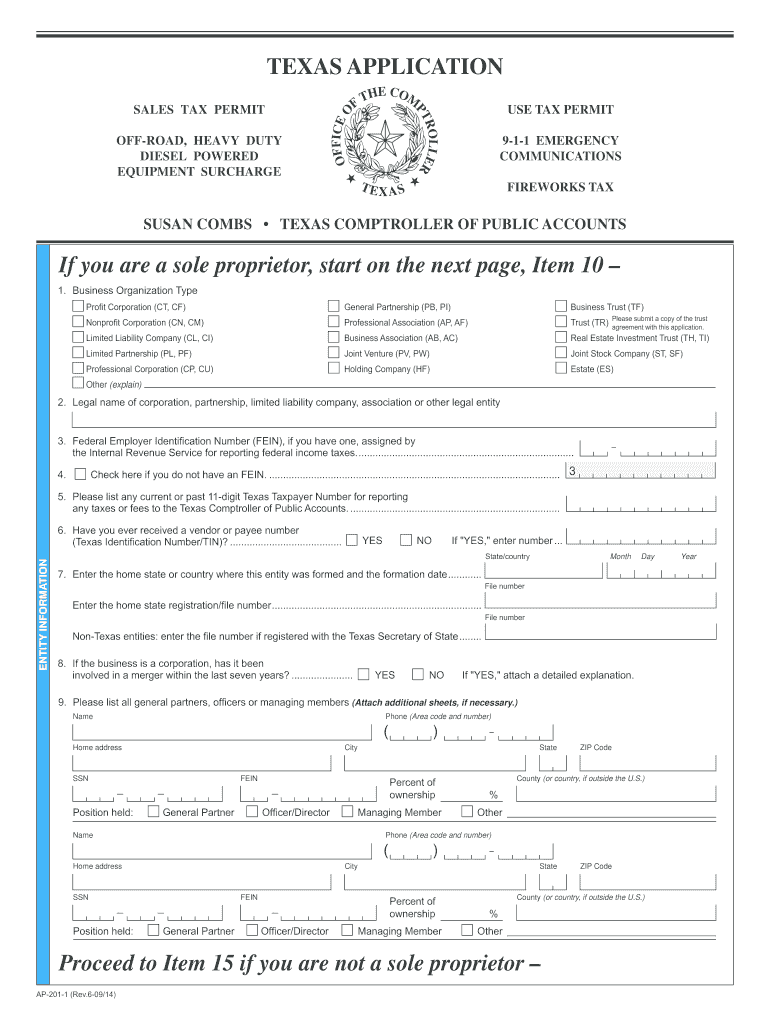
It is important to note that Texas is one of the few states that does not have a state income tax. This means that your ITIN is primarily for federal tax purposes with the IRS. However, some local taxes or business registration requirements might indirectly relate to tax identification. For example, if you are operating a business in Texas, you may need a Texas Taxpayer Identification Number from the Texas Comptroller of Public Accounts for sales and use tax purposes, which is separate from your federal ITIN.

Maintaining Your ITIN
Once you have your ITIN, it is generally valid for life. However, there are a few scenarios where you might need to renew or update it:
- Expiration: ITINs that have not been used on a federal tax return for three consecutive tax years will expire. The IRS will notify you if your ITIN is set to expire.
- Change in Information: If your name changes (e.g., due to marriage), you will need to update it with the IRS by filing a new Form W-7 with documentation supporting the name change.
- New ITIN Requirements: The IRS may periodically update its ITIN policies and procedures. It is advisable to stay informed by checking the IRS website for any new developments.
The process of obtaining an ITIN in Texas, like anywhere else in the U.S., requires careful attention to detail and adherence to IRS guidelines. By understanding the purpose of the ITIN, gathering the correct documentation, and submitting a complete application, individuals can successfully navigate this process and fulfill their U.S. tax obligations. Seeking assistance from IRS-certified Acceptance Agents or qualified tax professionals can significantly ease the journey and ensure accuracy.
LifeOutOfTheBox is a participant in the Amazon Services LLC Associates Program, an affiliate advertising program designed to provide a means for sites to earn advertising fees by advertising and linking to Amazon.com. Amazon, the Amazon logo, AmazonSupply, and the AmazonSupply logo are trademarks of Amazon.com, Inc. or its affiliates. As an Amazon Associate we earn affiliate commissions from qualifying purchases.