
Boston, a city steeped in history and buzzing with contemporary life, offers a captivating mosaic of neighborhoods, each with its distinct character. For tourists planning a visit, understanding which areas are the most densely populated – both in terms of residents and daily foot traffic – can be incredibly insightful. These bustling hubs are often where the vibrant local culture, diverse culinary scenes, and a plethora of activities converge, providing an authentic and immersive travel experience. Identifying these areas allows visitors to strategically plan their itinerary, whether they seek historic charm, culinary adventures, or lively nightlife.

Understanding Boston’s Urban Landscape
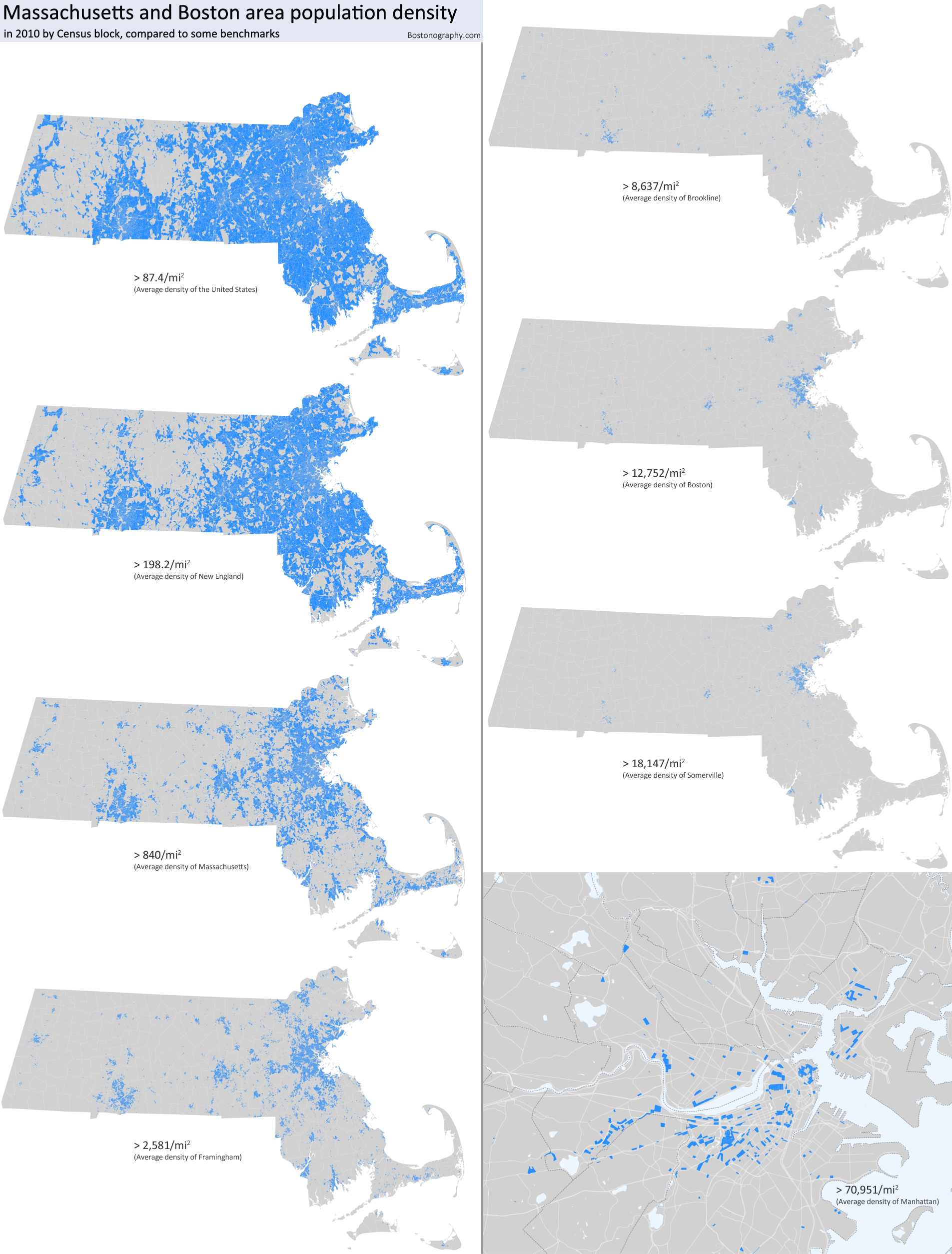
Boston’s urban fabric is unique, characterized by its compact size, historic street patterns, and a dynamic mix of residential and commercial zones. Unlike sprawling metropolitan areas, Boston’s population density is particularly noticeable in its core districts, which have evolved over centuries. What makes a neighborhood “most populated” for a tourist often translates to a high concentration of attractions, dining options, public transportation access, and a palpable sense of community activity. These are the places where the city truly comes alive, offering a constant buzz of energy.
Factors Contributing to Population Density
Several factors contribute to the high population density in certain Boston neighborhoods, making them natural magnets for tourism:
- Historical Significance: Many of Boston’s oldest neighborhoods were built at a time when walking was the primary mode of transport, leading to compact development. Their rich history also draws tourists seeking cultural immersion.
- Economic Hubs: Areas with significant commercial activity, corporate offices, and educational institutions naturally attract a larger daily influx of people, from residents to commuters and students.
- Accessibility: Proximity to major public transportation routes, like the MBTA “T” system, makes neighborhoods highly desirable for both residents and visitors, increasing foot traffic and overall vibrancy.
- Amenities and Attractions: Neighborhoods rich in parks, cultural institutions, diverse restaurants, and unique shopping experiences naturally become more active and populated.
- Residential Appeal: Despite the density, many of these neighborhoods offer desirable living conditions, attracting a steady stream of residents who contribute to the local economy and culture.
The Hub of Activity: Downtown and Surrounding Districts
The heart of Boston’s daily rhythm lies in its central neighborhoods, which serve as commercial, historical, and governmental epicenters. These areas are not only densely populated with residents but also experience immense daytime population surges from workers, shoppers, and tourists.
Downtown and Financial District
The Downtown area, including the Financial District, is a bustling nexus of corporate towers, historic landmarks, and modern amenities. During weekdays, it teems with business professionals, but it also offers a wealth of tourist attractions. Visitors can explore the historic Old State House, walk portions of the Freedom Trail, or enjoy the lively atmosphere of Faneuil Hall Marketplace and Quincy Market, where street performers entertain and diverse food stalls tempt palates. For a cultural experience, the New England Aquarium on the waterfront draws large crowds. The sheer volume of people working, living, and visiting here makes it one of Boston’s most consistently populated areas, offering a dense array of dining from casual eateries to upscale restaurants.
Beacon Hill
Immediately adjacent to Downtown, Beacon Hill is famously picturesque with its gas-lit streets, brick sidewalks, and elegant Federal-style rowhouses. While primarily residential, its charm draws numerous tourists, particularly to Charles Street with its antique shops, boutiques, and quaint cafes. The iconic Massachusetts State House and the historic Boston Common and Public Garden border the neighborhood, providing vast green spaces that are popular year-round. Tourists can explore the cobblestone alleys, admire the architecture, and find cozy spots for brunch or dinner. The concentrated beauty and historical significance mean a steady flow of visitors, contributing to its active, if more genteel, population feel.
North End

The North End, Boston’s oldest residential neighborhood, is renowned as the city’s “Little Italy.” It is one of the most densely populated areas, both residentially and in terms of tourist foot traffic. Visitors flock here for authentic Italian cuisine, with an unparalleled concentration of trattorias, bakeries like Mike’s Pastry and Modern Pastry (famous for cannoli), and cafes. The narrow, winding streets are always bustling, especially in the evenings and on weekends. Beyond food, the North End is rich in history, featuring sites like the Old North Church and Paul Revere House, both crucial stops on the Freedom Trail. The vibrant street life, combined with its historical allure and culinary delights, makes it an unmissable and highly populated destination for any tourist.
Historic Charm Meets Modern Vibrancy: South End and Back Bay
These two neighborhoods perfectly embody Boston’s blend of historical elegance and contemporary lifestyle, attracting a diverse population and a significant number of visitors.
Back Bay
Back Bay is an affluent and architecturally stunning neighborhood known for its Victorian brownstones, grand boulevards, and high-end shopping. It boasts a substantial residential population and also attracts tourists to its iconic landmarks and commercial centers. Copley Square is a central hub, home to the Boston Public Library, Trinity Church, and the Fairmont Copley Plaza Hotel. The Prudential Center and Copley Place offer extensive retail therapy and dining experiences. For luxury shoppers, Newbury Street is a magnet, lined with designer boutiques, art galleries, and upscale restaurants, consistently drawing crowds. The picturesque Commonwealth Avenue Mall provides a leafy promenade for strolls. The blend of residential elegance, commercial vibrancy, and cultural attractions ensures Back Bay remains one of Boston’s most active and populated districts.
South End
Just south of Back Bay, the South End is renowned for its Victorian rowhouses, artistic community, and exceptional dining scene. It’s a truly diverse and densely populated residential neighborhood that has become a culinary hotspot. Tourists come here specifically for the incredible variety of restaurants, from casual bistros to award-winning fine dining establishments, many featuring outdoor seating. The South End is also known for its numerous small art galleries, boutiques, and the popular SOWA Open Market on Sundays (seasonal), which features artists, farmers, and food vendors. Its charming tree-lined streets and neighborhood squares, like Union Park, create a welcoming atmosphere. The robust residential community and its thriving restaurant and arts scene guarantee a lively, populated feel throughout the day and evening.
Collegiate Energy and Cultural Diversity: Allston/Brighton and Fenway-Kenmore
Beyond the immediate city core, these neighborhoods pulsate with youthful energy and offer distinct cultural experiences, making them highly populated, especially by students and young professionals, which in turn fuels a vibrant tourism scene.
Allston and Brighton
Allston and Brighton are adjacent neighborhoods often collectively referred to as “Allston-Brighton.” These areas are home to a large student population due to their proximity to institutions like Boston University, Boston College, and others. This demographic fuels a lively and casual atmosphere, with an abundance of affordable restaurants, international eateries, dive bars, and music venues. Allston’s Harvard Avenue is particularly bustling, offering a taste of Boston’s diverse immigrant cultures through its food and shops. For tourists looking for a more laid-back, authentic, and budget-friendly experience away from the traditional tourist traps, Allston-Brighton offers a vibrant, populated slice of student life and global flavors. The constant flow of students and young residents makes these areas perpetually active.
Fenway-Kenmore
The Fenway-Kenmore neighborhood is undoubtedly one of Boston’s most populated, largely thanks to two major draws: Fenway Park, home of the Boston Red Sox, and a cluster of world-class cultural institutions. On game days, the streets around Fenway Park are absolutely teeming with fans, creating an electric atmosphere. Beyond baseball, the area is rich in arts and culture, hosting the Museum of Fine Arts and the Isabella Stewart Gardner Museum, both significant tourist attractions drawing thousands daily. The presence of several universities, including Northeastern University, also contributes to a youthful and academic buzz. Dining options range from sports bars to upscale eateries, catering to diverse tastes. The confluence of sports, art, and academia ensures Fenway-Kenmore remains a highly populated and dynamic neighborhood, offering something for every type of tourist.
Experiencing Boston’s Bustling Hubs
When planning a trip to Boston, focusing on these most populated neighborhoods ensures a vibrant and engaging experience. From the historical gravitas of Downtown and Beacon Hill to the culinary delights of the North End and South End, and the energetic beats of Back Bay and Fenway-Kenmore, each offers a unique window into the city’s soul. These areas are not just dense with people; they are dense with opportunities for cultural discovery, gastronomic adventures, and unforgettable memories. Utilizing public transport like the T is an excellent way to navigate between these bustling areas, allowing visitors to fully immerse themselves in the diverse fabric of Boston’s most active communities.
LifeOutOfTheBox is a participant in the Amazon Services LLC Associates Program, an affiliate advertising program designed to provide a means for sites to earn advertising fees by advertising and linking to Amazon.com. Amazon, the Amazon logo, AmazonSupply, and the AmazonSupply logo are trademarks of Amazon.com, Inc. or its affiliates. As an Amazon Associate we earn affiliate commissions from qualifying purchases.