
Embracing the Entrepreneurial Lifestyle in California
California has long been synonymous with innovation, opportunity, and a distinct entrepreneurial spirit. For individuals aspiring to forge their own path, whether as a freelance consultant, a budding tech startup founder, or a creative professional, the Golden State offers an unparalleled ecosystem. Establishing a Limited Liability Company (LLC) in California is a pivotal step for many on this journey, serving not just as a legal structure but as a foundation for a robust, protected, and flexible entrepreneurial lifestyle.
An LLC is a hybrid legal entity that provides its owners with limited liability protection, much like a corporation, while also offering the tax flexibility and administrative simplicity typically associated with a partnership or sole proprietorship. For the modern entrepreneur, an LLC is more than just paperwork; it’s a strategic choice that underpins their personal and professional freedom. It allows individuals to pursue their passions, scale their ventures, and manage their business with a clear delineation from their personal assets, offering peace of mind that is invaluable in the dynamic landscape of self-employment. The decision to form an LLC in California reflects a commitment to building a sustainable business that supports one’s desired lifestyle, whether that means remote work from a beachside town, running a bustling storefront in Los Angeles, or innovating in Silicon Valley.
Why an LLC Aligns with Your Lifestyle Goals
Choosing an LLC in California is often driven by a desire for a particular quality of life for the business owner. It’s about securing a foundation that protects and empowers.
Personal Asset Protection
One of the foremost reasons entrepreneurs opt for an LLC is the critical safeguard it offers to personal assets. In the unpredictable world of business, an LLC creates a legal barrier between your personal finances (home, savings, vehicles) and your business liabilities (debts, lawsuits). This ‘corporate veil’ means that if your business faces financial hardship or legal challenges, your personal assets are typically shielded from creditors, ensuring that your entrepreneurial pursuit doesn’t jeopardize your personal lifestyle and financial security. This distinction is vital for maintaining peace of mind and the flexibility to take calculated risks that are inherent in business growth.
Tax Flexibility
California LLCs offer attractive tax flexibility, which can significantly impact an owner’s financial lifestyle. By default, the IRS treats LLCs as pass-through entities, meaning profits and losses are passed through to the owners’ personal income without being taxed at the company level. This avoids the ‘double taxation’ common with C-corporations. Owners can choose to be taxed as a sole proprietorship, partnership, or even elect to be taxed as an S-corporation or C-corporation, depending on their financial planning and income levels. This adaptability allows entrepreneurs to optimize their tax strategy to best suit their individual and business financial goals, contributing to greater overall financial health.
Enhanced Credibility
Establishing an LLC signals professionalism and seriousness to clients, partners, and potential investors. Operating as a registered legal entity, especially in a competitive market like California, lends immediate credibility that a sole proprietorship often lacks. This professional image can open doors to larger contracts, more reputable collaborations, and ultimately, greater opportunities that foster business growth and a more fulfilling entrepreneurial lifestyle. Having “LLC” after your business name adds a layer of trust and formality that can distinguish you in a crowded marketplace.
Operational Simplicity
Compared to corporations, LLCs typically entail less administrative burden and fewer compliance requirements. This operational simplicity is a huge draw for entrepreneurs who want to focus on their core business activities rather than getting bogged down by complex corporate formalities. While California has its own set of rules, the internal management of an LLC, governed by an Operating Agreement, can be highly customizable and less rigid than corporate bylaws. This streamlined approach allows business owners to manage their ventures efficiently, saving valuable time and energy that can be redirected towards business development or personal pursuits, thereby enhancing their overall lifestyle balance.
Navigating the Golden State’s Requirements
Embarking on the journey to establish an LLC in California involves a series of clear, actionable steps. These legal requirements, when viewed through the lens of enabling your desired lifestyle, become empowering milestones on your path to entrepreneurial independence. Understanding and meticulously following these steps ensures your business is legally sound and poised for success in one of the world’s most dynamic economies.
Choosing Your Business Name
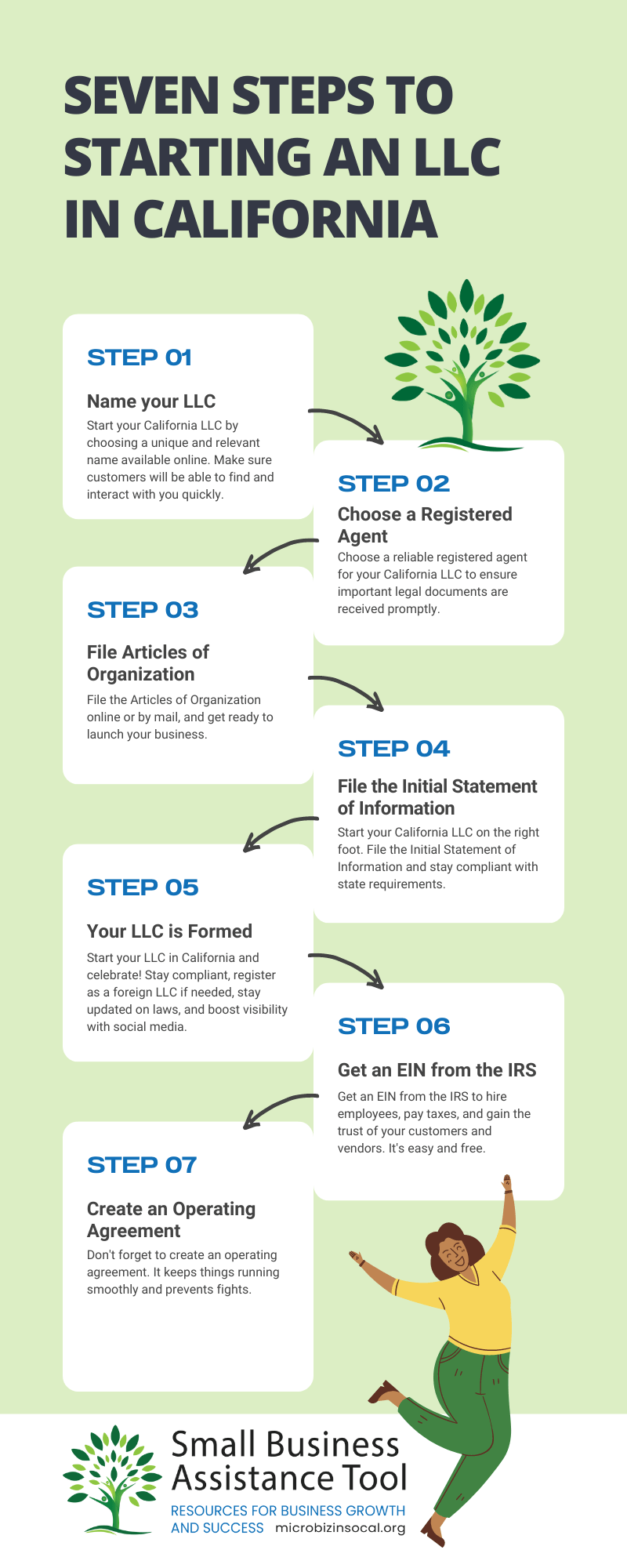
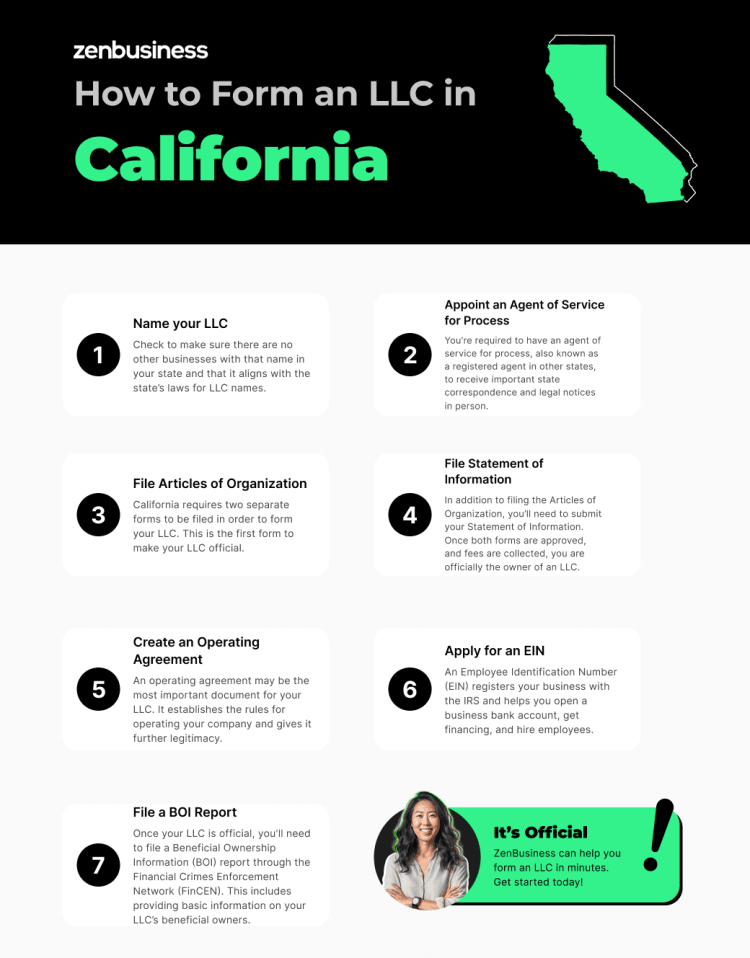
The very first step is selecting a name for your LLC. This name is not just a label; it’s a cornerstone of your brand identity and professional lifestyle. It should be distinctive, memorable, and reflective of your business ethos. Crucially, the name must be available and distinguishable from existing entities registered with the California Secretary of State. You can check name availability through the Secretary of State’s business search tool. Once a suitable name is identified, it’s prudent to reserve it for a small fee, preventing others from claiming it while you prepare your other formation documents. This proactive step ensures your chosen identity is secured, allowing you to build your brand without concern for naming conflicts. The chosen name must include “LLC,” “L.L.C.,” “Limited Liability Company,” or similar variations.
Designating a Registered Agent
Every LLC in California is legally required to have a registered agent. This individual or entity must have a physical street address in California (not a P.O. Box) and be available during regular business hours to accept legal documents, service of process, and official correspondence on behalf of your LLC. Your registered agent’s address becomes part of the public record. For entrepreneurs who travel frequently, maintain a home office, or value privacy, appointing a professional registered agent service offers significant advantages. It ensures that critical documents are always received promptly, regardless of your personal location, and keeps your private address off public records, aligning with a mobile or privacy-conscious lifestyle.
Filing Your Articles of Organization
The “Articles of Organization” is the foundational legal document that formally establishes your LLC with the California Secretary of State. This document is relatively straightforward and requires essential information such as your LLC’s name, the name and address of your registered agent, and a statement that the LLC is being organized for a lawful business purpose. While it doesn’t delve into the specifics of your business operations, its accurate completion is crucial for legal recognition. You can file these articles online, by mail, or in person. There is a filing fee, and processing times can vary, so it’s wise to plan accordingly. Once filed and approved, your LLC is officially formed, marking a significant milestone in your entrepreneurial journey.
Crafting Your Operating Agreement
While not legally required to file with the California Secretary of State, an Operating Agreement is arguably the most vital internal document for your LLC. This agreement outlines the ownership structure, the rights and responsibilities of each member (if it’s a multi-member LLC), how profits and losses will be distributed, decision-making processes, and procedures for resolving disputes or admitting new members. Even for single-member LLCs, an Operating Agreement is highly recommended as it reinforces the limited liability protection and can be crucial for tax purposes. A well-drafted Operating Agreement prevents future disagreements, provides clarity on operational aspects, and ensures that your business can adapt as your entrepreneurial lifestyle evolves, protecting your personal and professional relationships.
Post-Formation Essentials for a Thriving California Business
Once your LLC is officially formed, the focus shifts to operationalizing your business and ensuring ongoing compliance. These subsequent steps are critical for maintaining the legal integrity of your LLC and fostering a thriving business that consistently supports your lifestyle goals within California’s vibrant economy.
Obtaining an EIN
An Employer Identification Number (EIN), also known as a Federal Tax Identification Number, is essential for most LLCs. Issued by the IRS, an EIN is like a social security number for your business. You will need an EIN if your LLC has employees, is taxed as a corporation, or has more than one member. Even single-member LLCs that don’t fall into these categories often obtain an EIN to establish business bank accounts or simplify tax filings. It’s a quick and free application process directly through the IRS website. Obtaining an EIN immediately after formation facilitates important financial and operational steps, such as opening a dedicated business bank account, which is crucial for maintaining the separation between personal and business finances and upholding your LLC’s limited liability protection.
Business Licenses and Permits
Beyond state registration, your California LLC will likely need various business licenses and permits depending on its industry, location, and specific activities. These requirements vary significantly from city to city and county to county. For instance, an LLC operating in San Francisco might require different permits than one in San Diego or a rural part of Mendocino County. Researching and securing the necessary local, county, and state licenses (e.g., seller’s permits for retail, professional licenses for specific services) is a critical compliance step. Failing to obtain the correct permits can result in fines and operational interruptions, hindering your business and the lifestyle it supports. Online resources and local government offices are excellent starting points for identifying your specific licensing obligations.
Complying with California’s Specific Regulations
California has a few unique compliance requirements for LLCs that are important to note. Firstly, all California LLCs are subject to an annual minimum franchise tax, currently set at $800, regardless of whether the LLC generates any income. This tax is due every year until the LLC is formally dissolved. Secondly, every California LLC must file a “Statement of Information” with the California Secretary of State within 90 days of filing the Articles of Organization, and biennially thereafter. This statement provides updated information about your LLC’s members, managers, and registered agent. These recurring obligations are part of doing business in California and must be managed diligently to maintain your LLC’s good standing and continued asset protection, ensuring the longevity of your entrepreneurial lifestyle.
Sustaining Your Lifestyle: Ongoing Compliance and Growth
Establishing an LLC in California is an investment in your entrepreneurial future. Maintaining its legal standing and fostering its growth are continuous processes that ensure your business remains a source of stability and opportunity, aligning perfectly with a proactive and sustainable lifestyle.
Annual Filings and Fees
To keep your California LLC in good standing, you must adhere to its ongoing annual obligations. This primarily involves timely payment of the annual $800 franchise tax and filing the biennial Statement of Information. Missing these deadlines can lead to penalties, loss of good standing, and potentially even administrative dissolution, which would revoke your limited liability protection. Setting up reminders or utilizing a compliance service can help manage these recurring tasks, allowing you to focus on strategic business development rather than administrative oversight. Consistent compliance safeguards the legal structure that protects your personal assets and underpins your business’s legitimacy.
Adapting to Business Changes
As your entrepreneurial journey unfolds, your LLC’s structure or operations may need to evolve. Whether you’re adding new members, changing your business address, or altering your management structure, these significant changes typically require amendments to your Articles of Organization or Operating Agreement. Filing an “Amendment to Articles of Organization” with the California Secretary of State ensures your public record reflects your current business status. Similarly, updating your Operating Agreement internally documents new roles, responsibilities, or profit-sharing arrangements. Proactive adaptation ensures your LLC remains a relevant and effective tool for your changing business and lifestyle needs, preventing internal friction and legal ambiguities.

Leveraging the California Ecosystem
One of the most compelling aspects of having an LLC in California is the unparalleled entrepreneurial ecosystem you become part of. The state is a hub for innovation, offering access to a vast network of incubators, accelerators, venture capitalists, and industry-specific events. A properly formed and compliant LLC positions your business to fully leverage these resources. It provides the legal and structural legitimacy often required to apply for funding, participate in networking opportunities, or collaborate with larger entities. By maintaining a robust LLC, you not only protect your personal assets but also unlock the immense potential for growth and collaboration that defines the California business landscape, allowing your entrepreneurial lifestyle to truly flourish.
LifeOutOfTheBox is a participant in the Amazon Services LLC Associates Program, an affiliate advertising program designed to provide a means for sites to earn advertising fees by advertising and linking to Amazon.com. Amazon, the Amazon logo, AmazonSupply, and the AmazonSupply logo are trademarks of Amazon.com, Inc. or its affiliates. As an Amazon Associate we earn affiliate commissions from qualifying purchases.