
Navigating the vibrant landscape of Las Vegas can be as much of an adventure as the entertainment found within its world-class venues. For any traveler arriving in Nevada, understanding the logistics of transit is the key to a seamless experience. Whether you are visiting for the high-stakes energy of the casinos, the culinary excellence of celebrity chef restaurants, or the breathtaking natural beauty of the surrounding Mojave Desert, knowing how to move efficiently between points of interest is essential. This guide explores the diverse transportation ecosystem of the city, ensuring your journey is efficient, comfortable, and tailored to your itinerary.
Understanding the Geography of the Las Vegas Valley
Before diving into specific modes of transport, it is vital to understand the primary regions travelers frequent. While many equate the city solely with its neon lights, the metropolitan area is geographically distinct, with two major hubs of activity separated by several miles of desert terrain and urban development.
The Las Vegas Strip
The Las Vegas Strip, technically located in the unincorporated towns of Paradise and Winchester, is a four-mile stretch of South Las Vegas Boulevard. This is the epicenter of the city’s tourism, home to iconic resorts like the Bellagio and Caesars Palace. Navigating this area requires a strategy, as the massive scale of the resorts often makes them appear closer than they actually are. A “short walk” from The Venetian to Wynn Las Vegas can take significantly longer than expected due to pedestrian traffic and the sheer size of the properties.
Downtown Las Vegas and Fremont Street
North of the main boulevard lies Downtown Las Vegas, the city’s historic heart. This area offers a different atmosphere, characterized by the vintage charm of Fremont Street and the modern, artistic vibe of the Arts District. Getting from the southern end of the boulevard to downtown requires a dedicated transit plan, as it is roughly five to seven miles away depending on your starting point. Travelers often find that downtown is more walkable once you arrive, but the transition between these two primary hubs necessitates motorized transport.
Public and Mass Transit Solutions
For those looking to avoid the complexities of driving or the costs of private transfers, the city offers several robust public and mass transit options. These systems are designed specifically to handle the high volume of visitors moving between major landmarks.
The Las Vegas Monorail
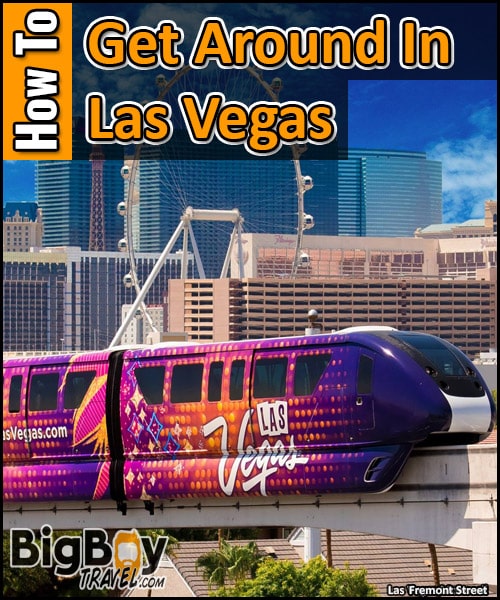
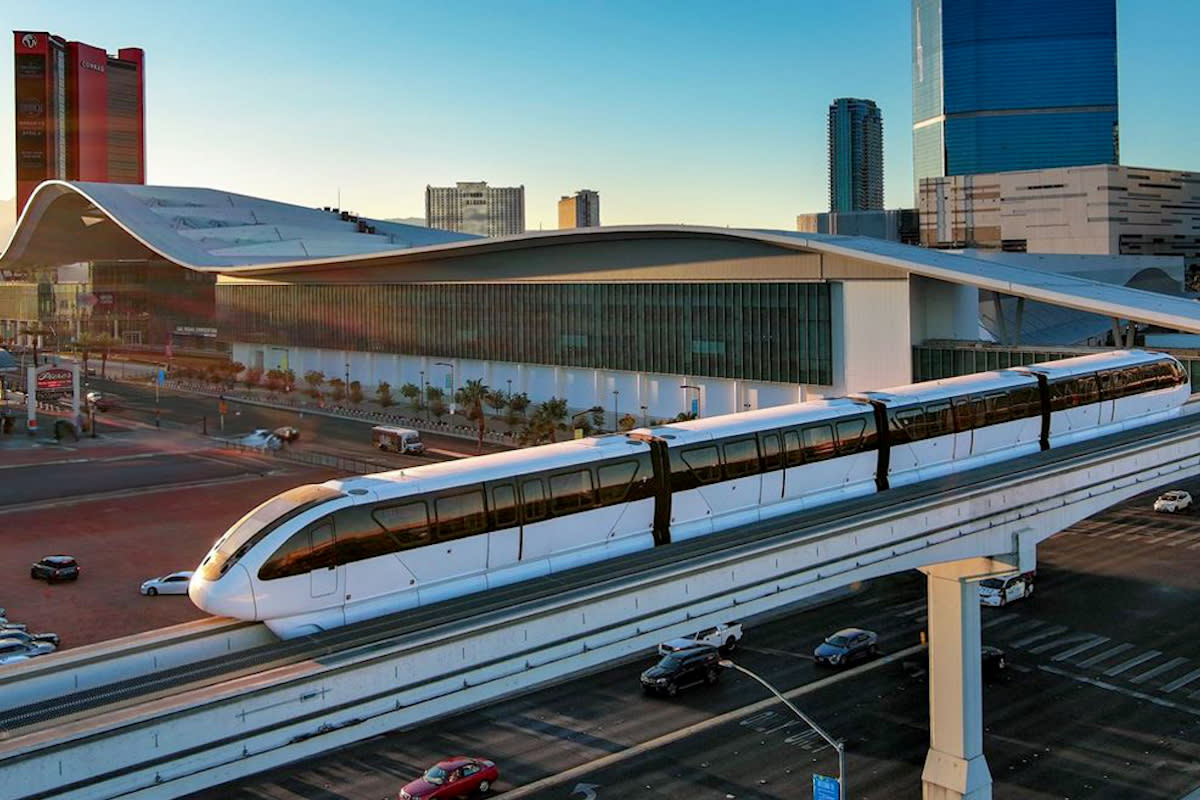
One of the most efficient ways to bypass the heavy traffic of the boulevard is the Las Vegas Monorail. This electric, zero-emission system runs along the eastern side of the resort corridor. It connects several major properties, including the MGM Grand, Horseshoe Las Vegas, Flamingo Las Vegas, and Sahara Las Vegas.
The monorail is particularly useful for business travelers attending events at the Las Vegas Convention Center. Trains arrive every four to eight minutes, and the system operates late into the night, making it a reliable choice for evening entertainment. While it does not service the western side of the street (where resorts like Cosmopolitan of Las Vegas are located), it remains a cornerstone of the city’s transit strategy.
The Deuce and RTC Transit
The RTC Transit system operates the city’s bus network, which is surprisingly tourist-friendly. The most famous route is The Deuce, a double-decker bus that runs 24/7 along the entire length of the boulevard, from South Point Hotel Casino and Spa all the way to the Fremont Street Experience.
Riding the upper deck of The Deuce offers a scenic perspective of the city’s architecture. For a faster journey, the RTC also offers express routes that have fewer stops. Travelers are encouraged to download the RideRTC mobile app to purchase passes and track bus arrivals in real-time, which significantly reduces wait times under the desert sun.
The Vegas Loop by Boring Company
A relatively new and futuristic addition to the city’s infrastructure is the Vegas Loop, developed by The Boring Company. This underground transportation system utilizes Tesla vehicles to transport passengers through narrow tunnels. Currently, the loop primarily services the various halls of the convention center and connects to Resorts World Las Vegas. Expansion plans are underway to link more resorts and eventually Harry Reid International Airport, promising a high-speed, point-to-point alternative to traditional surface transit.
Private Transit and Ride-Sharing
When convenience and privacy are the priorities, private transit remains the gold standard. However, navigating the rules of ride-sharing and taxis in a city as busy as this one requires some insider knowledge.
Ride-Sharing and Taxis
Ride-sharing services like Uber and Lyft are ubiquitous throughout the valley. However, unlike most cities, drivers are prohibited from picking up passengers directly on the street. Every major resort has a designated ride-share pick-up and drop-off zone, often located near the valet or a specific side entrance.
Traditional taxis are also plentiful and operate under a flat-rate pricing system for trips between the airport and the resort corridor. While taxis can be hailed at designated stands in front of hotels, they are subject to the same traffic conditions as private cars. During peak hours, such as a Vegas Golden Knights game at T-Mobile Arena or a concert at the Sphere, ride-share prices may surge, making public transit or walking more attractive.
Car Rentals and the Challenges of Parking
Renting a car is ideal for travelers planning excursions to Red Rock Canyon National Conservation Area, Hoover Dam, or Seven Magic Mountains. Most major rental agencies operate out of the Harry Reid International Airport Rent-A-Car Center, which is a short shuttle ride from the terminals.
However, if you plan to stay primarily on the boulevard, a car can often be a liability. Many resorts, including those owned by MGM Resorts International and Caesars Entertainment, charge for parking. Additionally, the heavy traffic on I-15 and the main boulevard can turn a two-mile drive into a thirty-minute ordeal.
Pedestrian Navigation and Free Inter-Resort Trams
One of the best ways to experience the energy of the city is on foot. Walking allows you to take in the street performers, the fountains, and the intricate details of the resort facades. However, the desert environment and the scale of the city demand preparation.
Walking the Strip and Pedestrian Bridges
Walking is feasible for short distances, but it is important to utilize the system of pedestrian bridges. These elevated walkways are designed to keep foot traffic away from the busy intersections, such as the one at Flamingo Road and the boulevard. These bridges are often equipped with escalators and elevators, providing an accessible way to cross between The Linq, Ballys, and Bellagio.
During the summer months, temperatures in the Las Vegas Valley regularly exceed 100 degrees Fahrenheit. If you choose to walk, it is vital to stay hydrated and take frequent breaks inside the air-conditioned malls, such as The Forum Shops at Caesars or Miracle Mile Shops, which provide comfortable passage through large sections of the corridor.
Complimentary Resort Trams
To assist guests in traversing their expansive properties, several hotel groups operate free trams. These are a well-kept secret for savvy travelers. On the west side of the boulevard, three main tram lines operate:
- The Mandalay Bay-Luxor-Excalibur Tram: This connects the southernmost resorts, making it easy to hop between the pyramid and the castle-themed hotels.
- The Aria Express: This tram links Park MGM, Crystals (at CityCenter), and the Bellagio.
- The Mirage-Treasure Island Tram: A quick shuttle that helps pedestrians move between these two major properties near the center of the boulevard.
These trams typically run every few minutes and provide a much-needed respite from walking, all while offering unique views of the resorts from an elevated vantage point.

Planning for Specialized Transit Needs
Travelers with specific requirements, such as those visiting for medical tourism or those with limited mobility, will find the city to be highly accommodating. Most transit options, including the Las Vegas Monorail and RTC buses, are fully ADA compliant. Additionally, specialized services like Wheelchair Getaways offer accessible van rentals for those who require them.
For those looking for a more luxurious experience, limousine services are a staple of the city’s lifestyle. Booking a limo for a group can often be surprisingly cost-effective when compared to multiple ride-shares, and it adds a touch of classic glamour to a night out at the Smith Center for the Performing Arts or a journey to see the Las Vegas Raiders at Allegiant Stadium.
In conclusion, getting around this desert metropolis is a matter of matching your transportation choice to your specific destination and the time of day. By combining the efficiency of the Las Vegas Monorail, the cost-effectiveness of The Deuce, and the convenience of ride-sharing, any traveler can navigate the city like a local. Whether you are marvelling at the High Roller or heading out to Lake Mead, the right transit plan is the foundation of a memorable Las Vegas vacation.
LifeOutOfTheBox is a participant in the Amazon Services LLC Associates Program, an affiliate advertising program designed to provide a means for sites to earn advertising fees by advertising and linking to Amazon.com. Amazon, the Amazon logo, AmazonSupply, and the AmazonSupply logo are trademarks of Amazon.com, Inc. or its affiliates. As an Amazon Associate we earn affiliate commissions from qualifying purchases.