
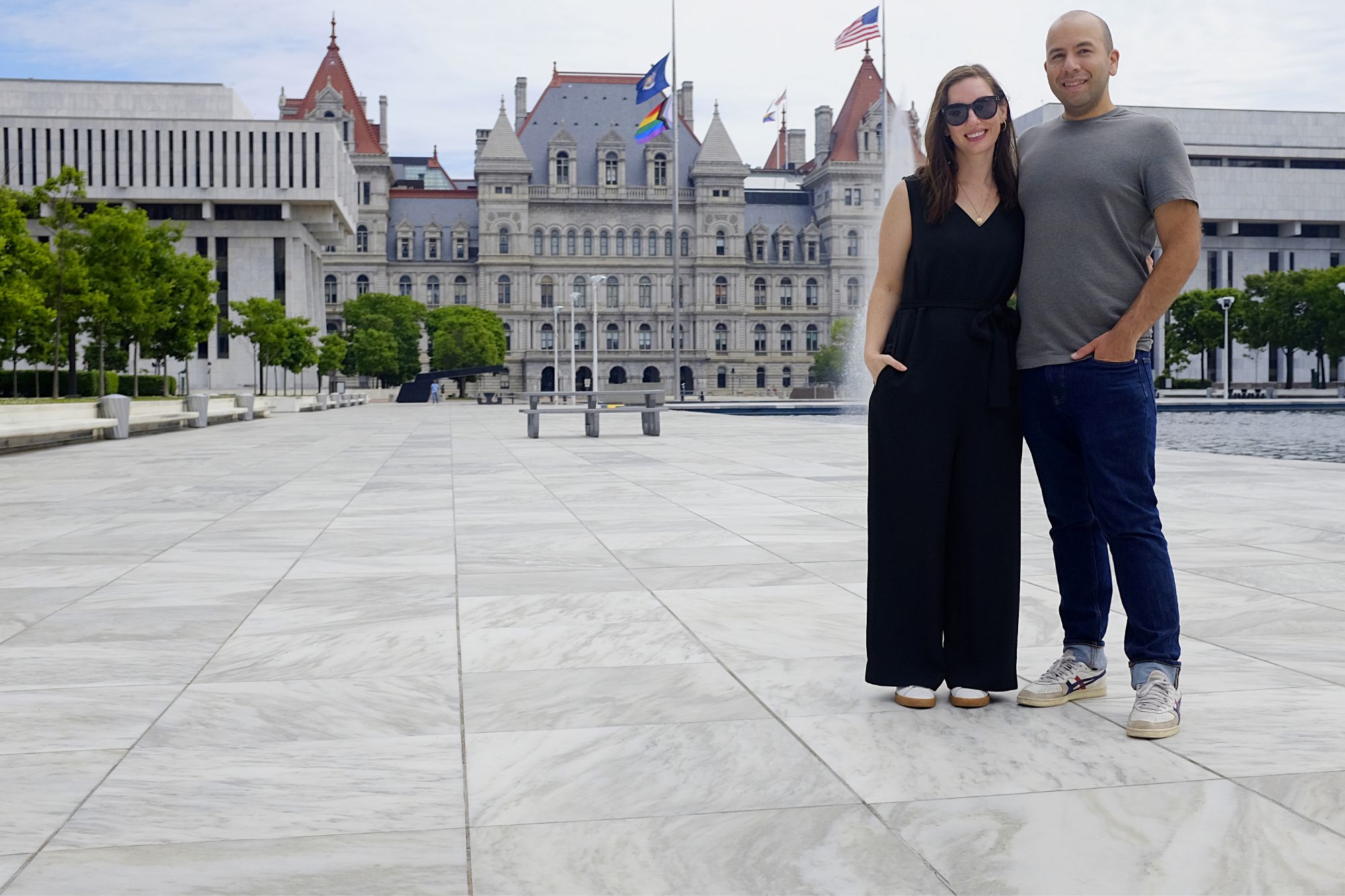
Understanding the precise time in a specific location is fundamental for planning, communication, and a seamless experience, especially when traveling or engaging in business. The question “What Time Is It In Albany New York?” might seem simple, but it unlocks a gateway to understanding the rhythm of this historic and vibrant capital city of New York State. Albany, nestled on the western bank of the Hudson River, operates on Eastern Standard Time (EST) during the winter months and transitions to Eastern Daylight Time (EDT) during the warmer seasons. This temporal awareness is crucial whether you’re booking a flight into Albany International Airport, scheduling a meeting at the New York State Capitol Building, or simply trying to connect with friends and family in the area.
The Nuances of Eastern Time: EST and EDT
Albany, like a significant portion of the eastern United States, observes the Eastern Time Zone. This zone is characterized by its adherence to a system of daylight saving. The primary distinction lies in the clock’s adjustment twice a year, aligning with the changing seasons and maximizing daylight hours.
Eastern Standard Time (EST)
During the fall and winter months, typically from the first Sunday in November until the second Sunday in March, Albany observes Eastern Standard Time. This is the baseline time for the Eastern Time Zone, representing UTC-5. When it’s noon EST in Albany, it’s 5 PM Coordinated Universal Time (UTC). This period is marked by shorter days and cooler temperatures, influencing activities and the general pace of life in the city. Understanding EST is key for coordinating international calls or ensuring timely arrival for early morning appointments during these months. For instance, if a webinar is scheduled for 9 AM EST, knowing this temporal designation prevents miscalculations when joining from a different time zone.
Eastern Daylight Time (EDT)
As spring arrives, the United States, including Albany, springs forward into Eastern Daylight Time. This shift usually occurs on the second Sunday in March and concludes on the first Sunday in November. EDT is UTC-4, meaning the clocks are moved forward by one hour. Therefore, when it’s noon EDT in Albany, it’s 4 PM UTC. This adjustment is designed to take advantage of longer daylight hours, encouraging outdoor activities and extending the usable daylight for businesses and leisure. Planning a visit to the Albany Institute of History & Art during the summer months, for example, will benefit from the extended daylight of EDT, allowing for more exploration after typical business hours.
Navigating Time Zones for Travel and Business in Albany
The consistent observance of EST and EDT in Albany plays a pivotal role in how individuals and businesses interact with the city. Whether you are a tourist planning your itinerary or a business professional managing cross-state operations, temporal alignment is paramount.
Planning Your Albany Itinerary
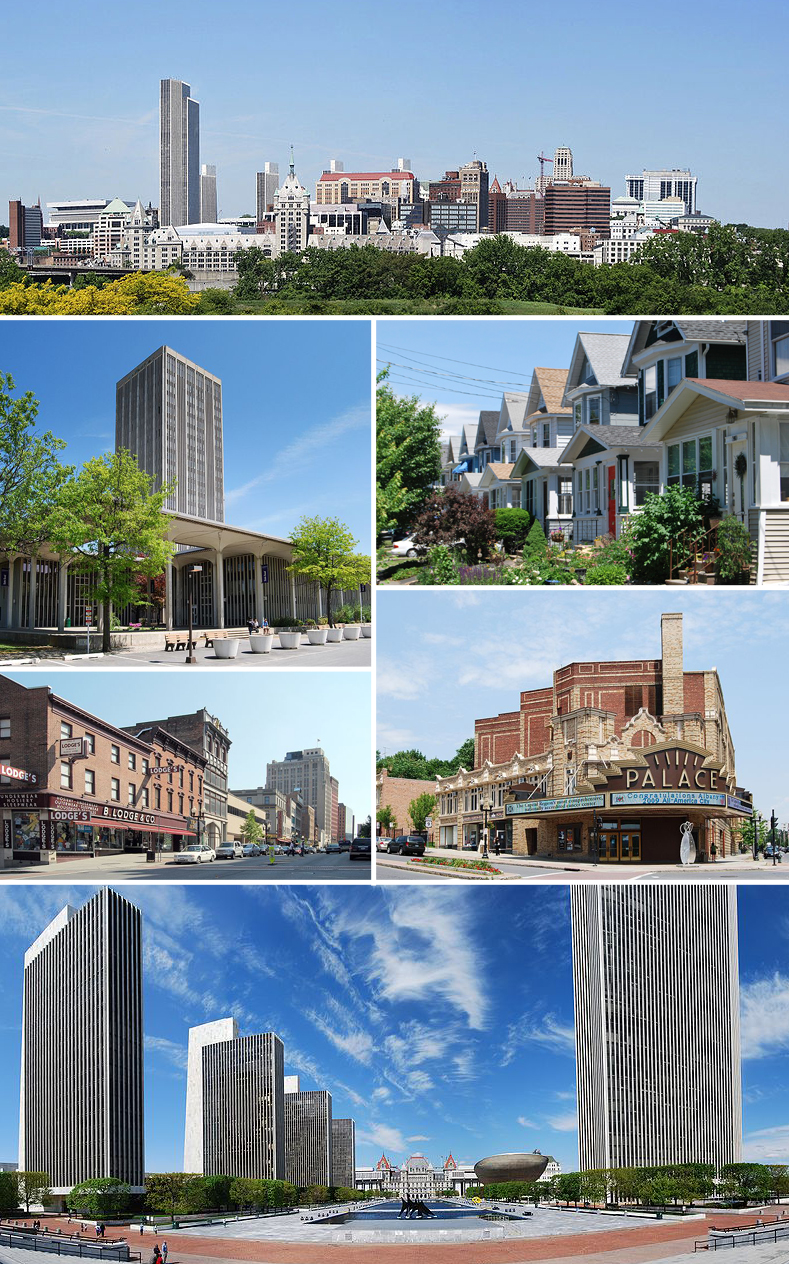
For travelers, knowing the current time in Albany is more than just a convenience; it’s essential for creating a functional and enjoyable trip. Imagine booking a reservation at a popular restaurant like The City Beer Hall or securing tickets for a performance at the Palace Theatre. These bookings are time-sensitive and depend on accurate timekeeping. Furthermore, the operating hours of attractions, museums, and shops are all dictated by local time. Understanding whether it’s EST or EDT helps in calculating travel times, factoring in potential jet lag if arriving from a distant time zone, and ensuring you don’t miss out on scheduled tours or events, such as a guided walk through the historic Schuyler Mansion State Historic Site. When the sun sets earlier during EST, planning for evening activities might require earlier starts. Conversely, the extended daylight of EDT allows for later explorations, perhaps a stroll along the Empire State Plaza or a visit to the New York State Museum before dinner.
Business and Professional Coordination
In the realm of business, particularly in a capital city like Albany, which hosts numerous government agencies and corporate offices, precise timekeeping is non-negotiable. Conference calls, project deadlines, and client meetings are all scheduled with strict adherence to time zones. If your company is headquartered in, say, Los Angeles (Pacific Time), coordinating a meeting with colleagues in Albany requires a clear understanding of the three-hour difference between Pacific Daylight Time (PDT) and Eastern Daylight Time (EDT), or Pacific Standard Time (PST) and Eastern Standard Time (EST). This temporal awareness ensures efficiency, avoids costly misunderstandings, and maintains professional integrity. For businesses operating across state lines or even internationally, knowing the exact time in Albany is a fundamental aspect of operational logistics, impacting everything from shipping schedules to communication protocols. The efficient functioning of state government itself, housed within the impressive Empire State Plaza, relies on accurate time synchronization across all departments and agencies.
Embracing Albany’s Rhythm: Time and Local Experiences
Beyond the practicalities, understanding the time in Albany allows for a deeper appreciation of its local rhythm and the way daylight influences the city’s character and activities. The changing of the clocks, while a standardized practice, subtly alters how residents and visitors experience the city.
Seasonal Variations and Activities
The shift between EST and EDT directly correlates with Albany’s distinct seasons, each offering unique opportunities. During the long, light-filled days of EDT, outdoor festivals, boat tours on the Hudson River, and evening concerts at venues like the The Egg Performing Arts Center become more popular and feasible. Visitors can enjoy leisurely strolls through Washington Park, perhaps catching a summer concert or admiring the blooming tulips. Conversely, the shorter days of EST usher in a cozy atmosphere. This is the time for exploring indoor attractions like the New York State Museum or enjoying the culinary scene at establishments like Yono’s Restaurant. Holiday markets and festive lights often begin appearing as daylight wanes, adding a special charm to the city. The annual New York State Holiday Tree Lighting ceremony, for instance, is a classic EST event, celebrated with the early twilight.

Cultural and Community Engagement
Albany’s community life is also subtly shaped by the temporal shifts. Local events, farmers’ markets, and town hall meetings are scheduled with the prevailing daylight hours in mind. For example, the popular Colonie Center shopping mall’s hours might be extended during EDT to accommodate shoppers after work. Similarly, local sports leagues and recreational activities often adapt their schedules based on the availability of daylight. Understanding the time in Albany is therefore an invitation to sync with its cultural pulse, to participate in its community events, and to truly immerse oneself in the daily ebb and flow of this historic American city. Whether attending a lecture at the University at Albany, SUNY or enjoying a quiet afternoon at the Albany Public Library, the time dictates the potential for engagement and the overall experience.
LifeOutOfTheBox is a participant in the Amazon Services LLC Associates Program, an affiliate advertising program designed to provide a means for sites to earn advertising fees by advertising and linking to Amazon.com. Amazon, the Amazon logo, AmazonSupply, and the AmazonSupply logo are trademarks of Amazon.com, Inc. or its affiliates. As an Amazon Associate we earn affiliate commissions from qualifying purchases.