
Dreaming of sun-drenched beaches, towering redwoods, and the vibrant energy of cities like Los Angeles and San Francisco? Making the move to the Golden State is an exciting prospect, whether you’re drawn by its world-class tourism, diverse lifestyle opportunities, or the allure of a long-term stay in its stunning accommodations. But beyond the initial excitement, establishing official California residency involves a series of practical steps. This guide will walk you through the essential requirements and considerations to help you successfully transition to life in California.
Understanding the Core Requirements for California Residency
At its heart, establishing residency is about demonstrating that California is your primary home. This isn’t just a matter of intent; it involves tangible actions and proof that you’ve severed ties with your previous domicile and have firmly planted your roots in the state. The state of California has specific criteria, and meeting these is crucial for various benefits, including in-state tuition at universities, voting rights, and tax purposes.
The Primary Domicile: Your True Home
The most critical element is establishing your “domicile,” which is defined as the one fixed and permanent place to which you intend to return whenever you are absent. This isn’t about where you vacation or where you might have a vacation home; it’s about where you truly live and intend to remain. Proving your domicile involves a combination of physical presence and intent.
- Physical Presence: You must spend a significant amount of time living in California. While there’s no exact number of days mandated for all residency purposes, consistently living in the state is a primary indicator. This means more than just a brief visit; it’s about setting up your life here.
- Intent to Remain: Beyond just being physically present, you need to demonstrate an intention to make California your permanent home. This can be shown through various actions, such as obtaining a California driver’s license, registering to vote, establishing bank accounts, and securing long-term accommodation.
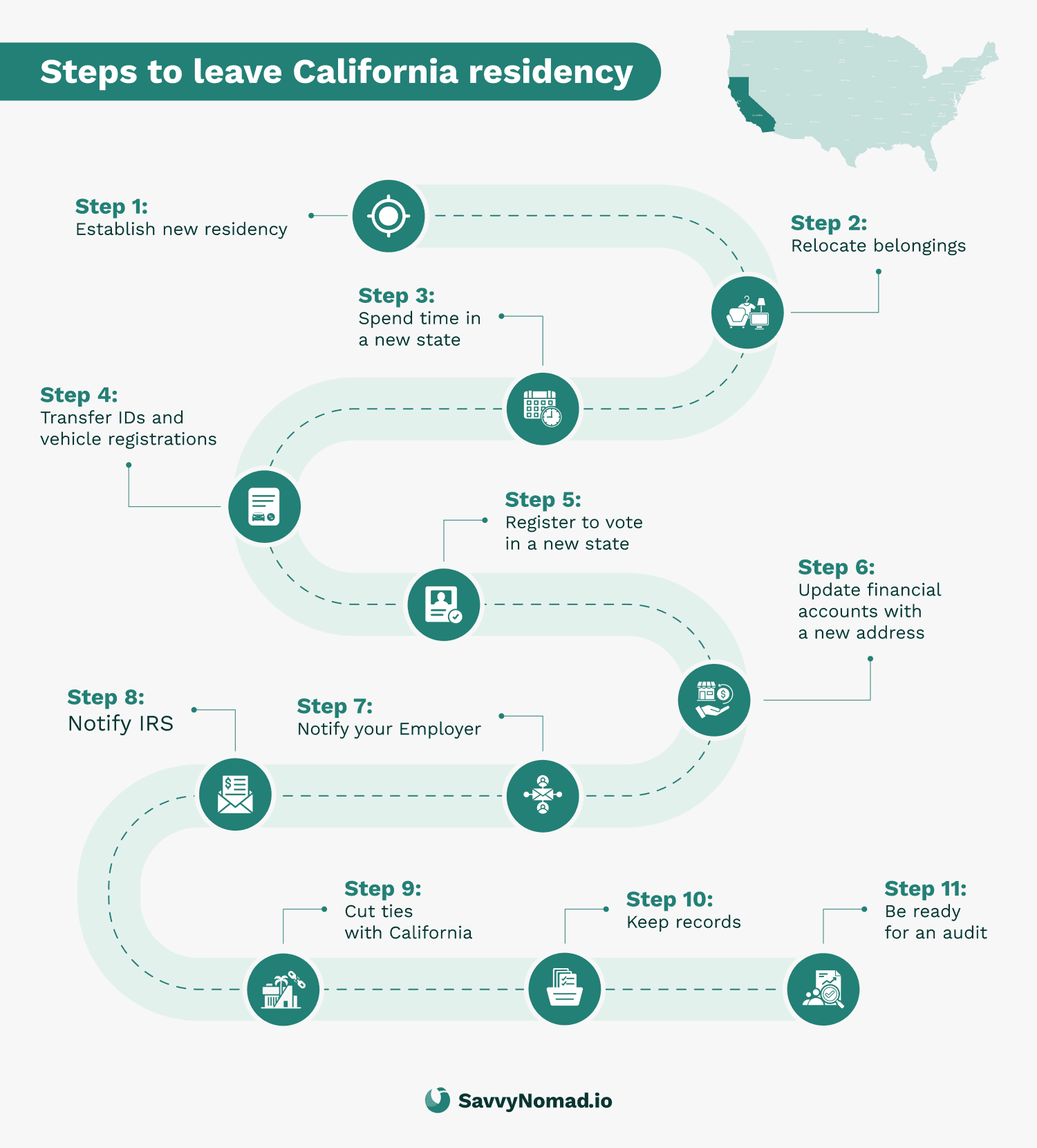
Severing Ties with Your Previous Residence
To solidify your claim to California residency, you must demonstrate that you have ended your ties to your former state of residence. This is a crucial step, as having strong connections to another state can be used to argue against your claim of California domicile.
- Voter Registration: If you were registered to vote in another state, you must cancel that registration.
- Driver’s License/State ID: Obtain a California driver’s license or state identification card and relinquish any issued by your previous state.
- Vehicle Registration: Register your vehicles in California.
- Property Ownership: If you owned property in your previous state, consider selling it or clearly demonstrating that it is no longer your primary residence.
- Employment: Securing employment in California is a strong indicator of intent to reside.
- Tax Filings: Ensure you are filing your taxes as a resident of California.
Practical Steps to Establish Your California Residency
Establishing residency involves more than just a declaration; it requires concrete actions that reflect your commitment to making California your permanent home. These steps will serve as tangible proof of your intention and physical presence.
Securing a Place to Live: Your New Home Base
Your accommodation is a fundamental aspect of establishing residency. Whether you’re planning a long-term stay in a serviced apartment in San Diego, looking for a villa rental in Napa Valley, or seeking a suite in a downtown San Francisco hotel, you need a consistent and primary place of abode.
- Long-Term Leases or Deeds: Signing a lease for an apartment or house, or purchasing property, is a definitive step. Ensure the lease is in your name and reflects a significant commitment, ideally for a year or more.
- Utility Bills: Having utility bills (electricity, gas, water, internet) in your name at your California address provides strong evidence of your presence.
- Mail Forwarding and Permanent Address: Ensure all your important mail is being sent to your California address. This includes bank statements, official correspondence, and personal mail. Consider setting up mail forwarding from your previous address.
- Residency for Students: If you are moving to California for educational purposes, universities have specific residency requirements for in-state tuition. These often involve a period of physical presence in the state before the start of your academic term and the establishment of domicile. You will need to provide documentation such as a lease agreement, utility bills, and a California driver’s license to qualify.
Official Documentation and Legal Requirements
Several official actions signal your intent to reside in California and are often required by various institutions.
- California Driver’s License or State ID: This is one of the most critical documents. Within 10 days of establishing residency, you are legally required to obtain a California driver’s license or identification card. This requires visiting a Department of Motor Vehicles (DMV) office and presenting proof of identity, legal presence, and residency.
- Voter Registration: To vote in California elections, you must register to vote. This is typically done when you obtain your driver’s license or state ID, or online through the Secretary of State’s website. Registering to vote in California strongly indicates your intent to be a resident.
- Vehicle Registration: If you bring a vehicle with you to California, you must register it with the California DMV within 20 days of establishing residency. This involves smog checks and paying registration fees.
- Bank Accounts: Opening bank accounts with a California financial institution and conducting your financial transactions from these accounts is another indicator of residency.
- Tax Obligations: Understanding and fulfilling your tax obligations as a California resident is paramount. This includes filing state income tax returns and paying any applicable local taxes. Establishing residency generally means you are subject to California income tax on your worldwide income.
Demonstrating Residency for Specific Purposes
The definition and proof of residency can vary slightly depending on the context, such as for employment, education, or accessing state benefits. Understanding these nuances will help you navigate the process more effectively.
Educational Institutions and In-State Tuition
For students aiming to attend a California public university or college, establishing residency for tuition purposes is a key objective. The University of California (UC) and the California State University (CSU) systems have specific guidelines. Generally, you must be physically present in California for at least one year and one day prior to the start of the academic term for which you are claiming residency. You will need to demonstrate independence from your parents (if applicable) and prove that California is your permanent home. This involves submitting documents like a lease, utility bills, bank statements, and a California driver’s license.
Employment and Business Opportunities
If you’re moving to California for work or to start a business, your actions will naturally align with establishing residency. Securing a job offer or incorporating a business in California are strong indicators of your intent to live and work in the state. This might involve obtaining a business license, registering your company, and fulfilling state labor laws. Your lifestyle choices, such as renting or buying property and integrating into the local community, will further support your claim of residency. For instance, enjoying the local tourism, dining at authentic restaurants, and visiting landmarks like Golden Gate Bridge become part of your new life.

Legal and Financial Considerations
Beyond the practicalities of daily life, there are legal and financial implications to consider when establishing residency.
- Legal Domicile for Lawsuits: Your domicile is important for determining jurisdiction in legal matters. Establishing California residency means you can be sued in California courts.
- Taxation: As mentioned, California has a progressive income tax system. Once you are a resident, you are generally subject to its tax laws on all income, regardless of where it is earned. This is a significant consideration and may require consulting with a tax professional.
- Inheritance and Estate Planning: Your domicile can affect how your estate is handled and potentially taxed upon your death. Ensuring your legal documents reflect your California residency is important for estate planning.
Making California your home is an exciting journey. By understanding and diligently following the steps outlined above, you can confidently navigate the process of establishing your residency and fully embrace the incredible lifestyle and opportunities the Golden State has to offer, from its breathtaking natural landscapes like Yosemite National Park to its vibrant urban centers and diverse culinary scenes.
LifeOutOfTheBox is a participant in the Amazon Services LLC Associates Program, an affiliate advertising program designed to provide a means for sites to earn advertising fees by advertising and linking to Amazon.com. Amazon, the Amazon logo, AmazonSupply, and the AmazonSupply logo are trademarks of Amazon.com, Inc. or its affiliates. As an Amazon Associate we earn affiliate commissions from qualifying purchases.