
For anyone considering a journey through the vast and diverse landscapes of Texas, or perhaps making the Lone Star State their new home, understanding the nuances of vehicle registration is paramount. Whether you’re a digital nomad settling down for a few months, a family relocating for work, or an adventurous traveler planning an epic road trip, having your vehicle legally registered in Texas is more than just a bureaucratic step – it’s your ticket to seamless exploration and worry-free living. This comprehensive guide will walk you through the entire process, integrating practical advice with insights into how a properly registered vehicle can enhance your travel and lifestyle experiences across this incredible state.
Understanding the Texas Vehicle Registration Landscape
The process of registering a car in Texas might seem daunting at first glance, especially if you’re new to the state or the United States entirely. However, by breaking it down into manageable steps and understanding the underlying requirements, you’ll find it’s a straightforward procedure designed to ensure road safety and compliance. For those who frequently travel, relocate, or enjoy extended stays, grasping these fundamentals is key to avoiding penalties and enjoying uninterrupted adventures.
Who Needs to Register a Car in Texas?
Primarily, if you are a Texas resident, you must register your vehicle. This includes individuals who have recently moved to the state and established residency, as well as those who have purchased a new or used vehicle within Texas. Even if you’re a long-term visitor, such as someone on an extended business trip or a student staying for more than a few months, your status might necessitate local registration. The definition of “resident” can vary slightly, but generally, if you live in Texas for more than 30 days or plan to, you’ll likely need to transfer your out-of-state registration or apply for a new one.
For travelers, especially those planning extensive road trips across the state, ensuring your vehicle is compliant is crucial. While short-term visitors usually don’t need to register, understanding the state’s vehicle laws will prevent any issues that could disrupt your travel plans. Imagine driving through the scenic routes near Big Bend National Park or exploring the vibrant city streets of Austin only to face a legal snag – proper registration safeguards against such inconveniences.
Key Documents You’ll Need
Gathering the correct paperwork is the first critical step. Being prepared will save you multiple trips and unnecessary stress. Here’s a checklist of the documents typically required:
- Proof of Ownership: This is usually your vehicle’s title. If you’ve just purchased the vehicle, a properly assigned title (signed over to you) or a manufacturer’s certificate of origin (for new vehicles) is essential. For vehicles still under a loan, your lienholder will hold the physical title, but you’ll still need proof of ownership, often in the form of a registration receipt or a letter from the lienholder.
- Proof of Texas Auto Insurance: All drivers in Texas must carry liability insurance. Your policy must meet the state’s minimum requirements (currently 30/60/25: $30,000 for bodily injury per person, $60,000 for bodily injury per accident, and $25,000 for property damage per accident). You’ll need proof of this coverage.
- Vehicle Inspection Report: Before you can register your vehicle, it must pass a safety inspection and, in some counties, an emissions inspection. We’ll delve into this in more detail below.
- Proof of Identity and Residency: A valid photo ID (like a Texas driver’s license or state ID) and proof that you live in Texas (utility bill, lease agreement, etc.) may be requested.
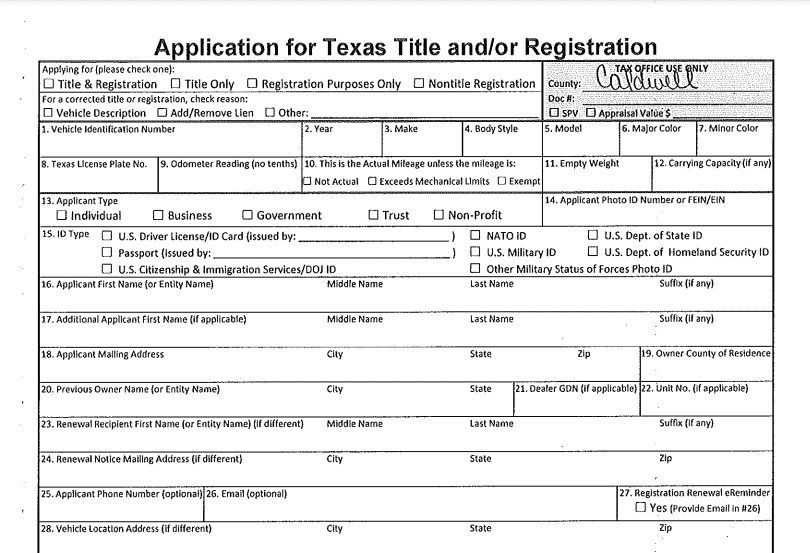
- Application for Texas Title and/or Registration (Form 130-U): While this form is often available at the county tax assessor-collector’s office, it’s wise to fill it out beforehand if possible.
- Current Out-of-State Registration and License Plates (if applicable): If you’re moving from another state, have these handy.
Having these documents neatly organized ensures a smooth process, allowing you more time to enjoy the diverse attractions, from the vibrant arts scene in Houston to the historic River Walk in San Antonio.
Navigating the Registration Process Step-by-Step
Once you have your documents in order, you can proceed with the actual registration steps. Each phase is interconnected, so understanding the sequence is important.
The All-Important Texas Vehicle Inspection
The first official step in registering your vehicle in Texas is to get it inspected. This is not just a formality; it’s a crucial safety measure. Texas employs a two-step process: you first get your vehicle inspected, and then you register it. The inspection ensures your vehicle meets state safety standards, covering items like brakes, tires, lights, and horn. In certain counties (primarily those in metropolitan areas like Dallas, Houston, El Paso, and Austin), your vehicle will also need an emissions inspection to ensure it meets air quality standards.
You can get your inspection done at any official Texas Department of Public Safety (TxDPS) certified inspection station, which are usually marked with a “Two Steps, One Sticker” sign. After passing, your inspection results are electronically submitted to the state’s database, eliminating the need for a physical sticker. This streamlined process means you simply drive your car to any certified station, have it inspected, and the data is automatically linked to your vehicle’s VIN for registration purposes. This step needs to be completed within 90 days of your registration application.
Securing Your Texas Auto Insurance
As mentioned, having valid auto insurance is non-negotiable in Texas. You must have it before you can register your vehicle. If you’re moving from another state, check if your current insurer operates in Texas and can transfer your policy or if you need to find a new provider. Many travelers arriving in Texas from abroad, especially those planning to purchase a car for an extended stay, will need to secure a new policy from a Texas-licensed insurer.
It’s wise to compare quotes from several insurance companies to find coverage that meets state minimums and also fits your personal travel and lifestyle needs. For instance, if you plan on exploring remote areas like Guadalupe Mountains National Park, comprehensive coverage might offer extra peace of mind. Without proof of current Texas liability insurance, you will not be able to complete your vehicle registration.
Visiting Your Local County Tax Assessor-Collector
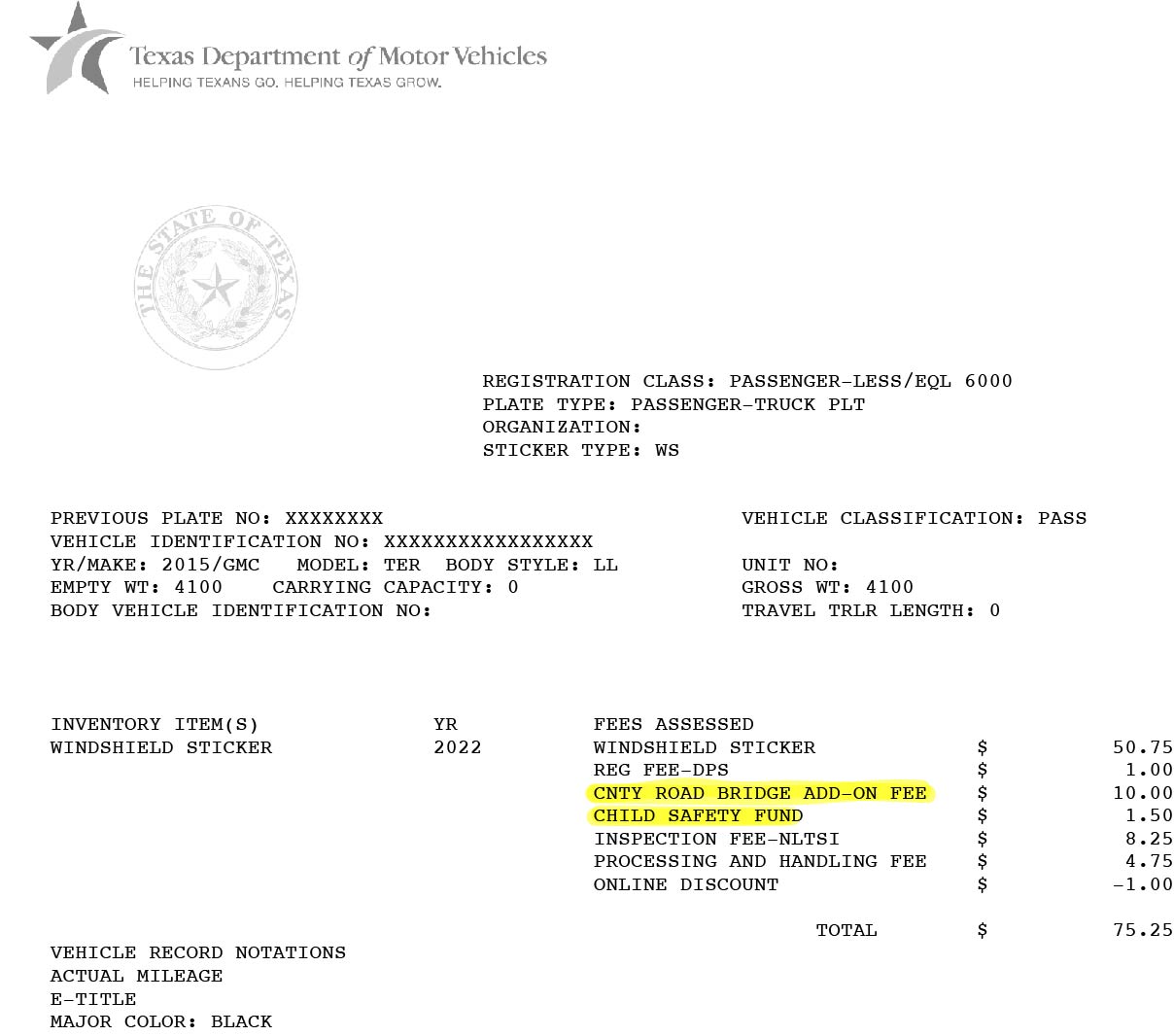
With your inspection passed and insurance secured, the final step is to visit your county tax assessor-collector’s office. This is where you’ll officially submit your paperwork, pay the necessary fees, and receive your new license plates and registration sticker. The fees typically include a base registration fee, a local fee, and possibly a portion of your vehicle’s sales tax if you purchased it recently in Texas and it wasn’t collected at the point of sale.
When you go, make sure you have all your prepared documents:
- Proof of Ownership (Title, Manufacturer’s Certificate of Origin, or similar)
- Proof of Texas auto insurance
- Your photo ID
- Your payment for registration fees (cash, check, or credit card – check accepted payment methods beforehand)
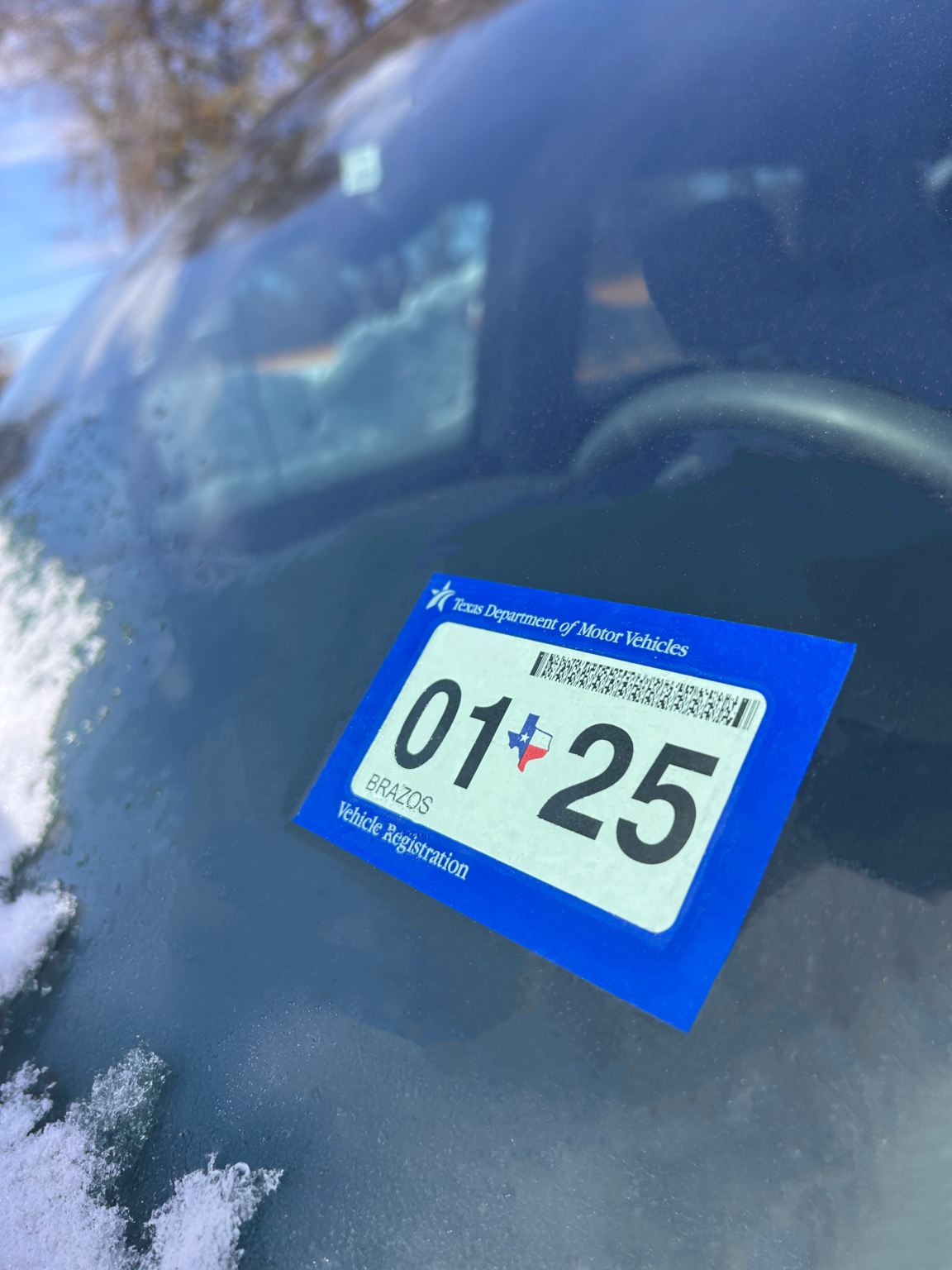
Once everything is verified, you’ll be issued your new Texas license plates and a registration sticker to affix to your windshield. This sticker signifies that your vehicle is legally registered in Texas and that your inspection is current. The entire process, from inspection to registration, is designed to be completed efficiently, allowing you to quickly get back to planning your next adventure, whether it’s a relaxing stay in a luxury resort along the Gulf Coast or exploring the historic sites like The Alamo.
Beyond Registration: Exploring Texas with Your New Ride
Having a properly registered vehicle in Texas opens up a world of possibilities for travelers and residents alike. It’s not just about compliance; it’s about freedom and access to the rich tapestry of experiences the state has to offer.
Seamless Travel for Long-Term Stays and Road Trips
For those embarking on extended stays or long-haul road trips across Texas, a locally registered vehicle provides unparalleled convenience. Imagine spontaneity: deciding last minute to drive from a vibrant city like Dallas to the serene landscapes of Padre Island National Seashore without worrying about expired tags or out-of-state plate issues. Long-term accommodation, whether you’re staying in serviced apartments in Austin or a vacation villa near the Mexican Border, becomes much simpler when your vehicle is compliant with local regulations.
This smooth process minimizes the disruptions that can often plague travel, allowing you to focus on the destination itself. From chasing sunsets in the Panhandle to exploring the unique art installations in Marfa, your registered car is an essential companion.
Lifestyle Benefits of Texas Car Ownership
Beyond practicalities, registering your car in Texas enhances your lifestyle experience. It signifies a deeper integration into the community, whether you’re a temporary resident or putting down roots. It offers the flexibility to explore hidden gems, visit local markets, or simply commute to work or leisure activities without reliance on public transport, which can be limited outside major metropolitan areas.
For families, a registered vehicle provides the freedom to plan weekend getaways to state parks managed by the Texas Parks and Wildlife Department, explore educational attractions like Space Center Houston, or enjoy a taste of cowboy culture at the Fort Worth Stockyards. For those who appreciate luxury travel, a personal vehicle allows you to reach exclusive resorts and remote, upscale accommodations with ease, bypassing the constraints of shuttle services or expensive taxis. It embodies the true spirit of a Texas adventure – independent, expansive, and full of possibility.
Essential Tips for a Smooth Registration Experience
To ensure your vehicle registration process in Texas is as smooth as possible, keep these final tips in mind:
- Plan Ahead: Don’t wait until the last minute. Start gathering your documents and scheduling your inspection well before your current registration expires or your 30-day residency window closes.
- Check County-Specific Requirements: While the general process is statewide, some counties might have minor variations or additional fees. Always check the website of your specific county tax assessor-collector’s office for the most accurate and up-to-date information.
- Keep Copies of Everything: Maintain digital and physical copies of all your documents, especially proof of inspection and insurance. This can be invaluable if any discrepancies arise.
- Know Your VIN: Your Vehicle Identification Number (VIN) will be crucial for all steps, from inspection to registration. Make sure it’s easily accessible.
- Be Patient and Polite: Government offices can sometimes be busy. Approaching the process with patience and a positive attitude will make it a better experience for everyone involved.
- Online Renewals: Once your initial registration is complete, future renewals are often much simpler and can frequently be done online through the Texas Department of Motor Vehicles (TxDMV) website, provided your inspection is current. This is a great convenience for busy travelers and residents.
By following these guidelines, getting your car registered in Texas will be a straightforward process, paving the way for countless memorable journeys and a truly integrated Texas lifestyle. With your vehicle legally road-ready, you’re free to explore every corner of this magnificent state, from its bustling metropolises to its tranquil natural wonders.
LifeOutOfTheBox is a participant in the Amazon Services LLC Associates Program, an affiliate advertising program designed to provide a means for sites to earn advertising fees by advertising and linking to Amazon.com. Amazon, the Amazon logo, AmazonSupply, and the AmazonSupply logo are trademarks of Amazon.com, Inc. or its affiliates. As an Amazon Associate we earn affiliate commissions from qualifying purchases.