
Texas, a state renowned for its sprawling landscapes, vibrant culture, and rich history, offers a unique set of benefits to its residents, particularly when it comes to homeownership. Among these, the homestead exemption stands out as a crucial protection for homeowners. Far from being a mere bureaucratic detail, understanding what a homestead exemption is in Texas can significantly impact your financial well-being and the security of your primary residence. This guide delves into the intricacies of this vital Texas law, exploring its purpose, benefits, and how it applies to the diverse range of lifestyles and living situations found across the Lone Star State, from bustling Austin apartments to serene ranch homes in the Texas Hill Country.
Understanding the Core Concept of a Homestead Exemption
At its heart, a homestead exemption in Texas is a legal provision designed to protect a homeowner’s primary residence from forced sale by creditors. This protection is rooted in the principle that individuals and families should not lose their homes due to insurmountable debt, ensuring a fundamental level of stability. It’s not simply about owning a house; it’s about designating that house as your legal domicile, your principal place of abode. This distinction is critical. Whether you’re considering purchasing a luxury villa in Dallas, a cozy beach bungalow in Galveston, or a historic property in San Antonio, understanding the homestead exemption is a foundational element of responsible homeownership in Texas.
Protecting Your Primary Residence from Creditors
The primary function of the homestead exemption is to shield your home from being seized and sold to satisfy certain types of debts. This protection is incredibly valuable, offering a vital safety net against financial hardship. Imagine a scenario where unexpected medical bills or a sudden business downturn leave you with significant debt. Without a homestead exemption, creditors might have the legal recourse to force the sale of your home to recoup their losses. However, with a homestead exemption in place, your primary residence is largely off-limits to many common creditors. This means that even in difficult financial times, the roof over your head remains secure.
This protection is not absolute, however. There are specific circumstances where a homestead can be subject to forced sale, such as for mortgage payments, property taxes, or debts incurred for the construction or repair of the home itself. These are known as valid homestead liens. Nevertheless, for the vast majority of unsecured debts, such as credit card balances or personal loans, the homestead exemption provides a robust defense. This makes it an indispensable tool for safeguarding one of life’s most significant investments. Whether you’re a young family starting out in a suburban Houston neighborhood or a retiree enjoying a peaceful life in a Texas countryside estate, this protection offers invaluable peace of mind.
Defining “Homestead” in the Texas Context
In Texas, the legal definition of a homestead is specific and crucial to understanding the exemption. It refers to the urban or rural property that a person or family designates as their principal residence. This designation isn’t automatic upon purchase; it requires intentional action.
Urban Homesteads
An urban homestead in Texas is generally limited to no more than 10 acres of land, along with any improvements thereon, if the property is used for the purpose of a city or town. This definition applies to properties located within the limits of a municipality or its extraterritorial jurisdiction and served by municipal police and fire protection. For those residing in vibrant cities like Austin, Dallas, or Houston, an urban homestead could encompass anything from a downtown apartment to a suburban single-family home. The key is that it’s your primary dwelling within an urban setting.
Rural Homesteads
A rural homestead in Texas can be more expansive. It can consist of up to 200 acres for a single adult or 400 acres for a family, along with any improvements. This definition is applicable if the property is not within the limits of a municipality or its extraterritorial jurisdiction, or if it is within those limits but not served by municipal police and fire protection. This broader definition accommodates the diverse rural lifestyles found throughout Texas, from sprawling ranches to secluded cabins. For those who dream of a more tranquil existence, perhaps near the natural beauty of Big Bend National Park or the rolling plains of West Texas, a rural homestead offers a more generous land allowance.
The choice between an urban and rural homestead designation depends on the property’s location and the owner’s primary use. Regardless of whether your chosen abode is a chic high-rise in Midtown Houston or a sprawling estate in the Texas Hill Country, ensuring your property meets the criteria for a homestead is the first step towards qualifying for the exemption. This fundamental understanding is paramount for anyone navigating the Texas real estate market, whether for a short-term business stay or a permanent family residence.
How to Claim Your Homestead Exemption in Texas
Claiming your homestead exemption in Texas involves a straightforward process, primarily through your local county appraisal district. This is a proactive step homeowners must take to ensure they receive the full benefits of this protection. It’s a critical part of responsible homeownership, akin to ensuring your travel plans are meticulously organized for a smooth journey.
The Application Process with Your County Appraisal District
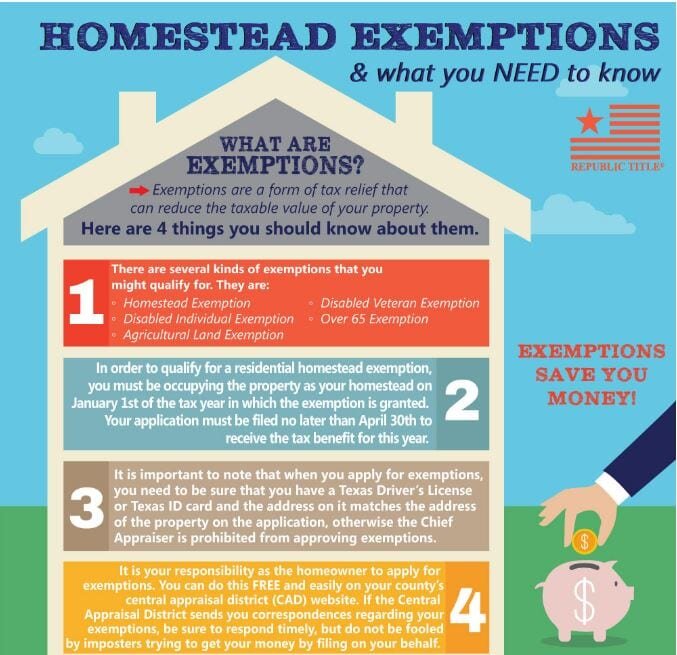
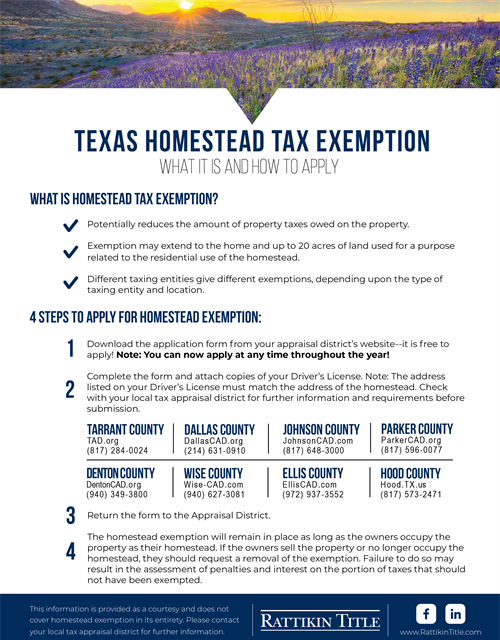
To receive the property tax reduction associated with a homestead exemption, you must file an application with the chief appraisal officer of the county appraisal district where your property is located. This application is typically due by April 30th of the tax year for which you are claiming the exemption. For example, if you wish to claim the exemption for the 2024 tax year, you would need to file your application by April 30, 2024.
The application is relatively simple and usually requires basic information about yourself and the property. You will need to provide proof that you own the property and that it is your principal residence. This might include a copy of your driver’s license or Texas identification card showing the homestead address, utility bills, or voter registration. For those who have recently moved into a new home, perhaps after a delightful family trip to San Antonio, filing promptly is key. Once filed and approved, your homestead exemption typically renews automatically each year, unless your eligibility changes, such as if you move or no longer occupy the property as your primary residence.
Understanding the Different Types of Homestead Exemptions
Texas offers several types of homestead exemptions, each providing a different level of benefit. Understanding these distinctions can help homeowners maximize their tax savings.
General Homestead Exemption
This is the most common type of homestead exemption and is available to all homeowners who qualify. It grants a general reduction in the appraised value of your home for property tax purposes. For the 2023 tax year, Texas homeowners are entitled to a $40,000 exemption from the appraised value of their homestead. This means that the first $40,000 of your home’s value is not subject to property taxes. For a significant portion of homeowners in Texas, especially those in more affordable regions or with modest homes, this exemption can substantially reduce their tax burden. It’s a tangible benefit that directly impacts your annual expenses, much like finding a great deal on hotel suites in Galveston can affect your vacation budget.
Additional Exemptions for Seniors, Disabled Individuals, and Veterans
Texas further recognizes the unique circumstances of certain residents by offering additional homestead exemptions:
- Over-65 Homestead Exemption: Homeowners who are 65 years of age or older are eligible for an additional exemption. The amount of this exemption is set by local taxing units, but state law mandates a minimum of an additional $10,000 reduction in appraised value. Many school districts offer a more substantial exemption. This can be a lifesaver for seniors on fixed incomes, allowing them to remain in their homes without being burdened by rising property taxes.
- Disability Homestead Exemption: Individuals who are disabled, as defined by law, are also eligible for an additional exemption. Similar to the over-65 exemption, the amount is set by local taxing units, with a state-mandated minimum of an additional $10,000 reduction in appraised value. This provides crucial financial relief for those facing the challenges of disability.
- Exemption for Disabled Veterans and Survivors: Texas offers generous exemptions for disabled veterans and the surviving spouses of veterans. For veterans with a disability rating of 10% or more, there’s an additional exemption that starts at $5,000 and increases based on their disability rating. Furthermore, disabled veterans with a 100% disability rating, or those who are prisoners of war, or recipients of the Medal of Honor, may qualify for a complete exemption from property taxes on their homestead. This is a profound way Texas honors its heroes.
These additional exemptions are not mutually exclusive with the general homestead exemption. A homeowner can qualify for both the general exemption and one of the additional exemptions, further reducing their taxable property value. For instance, a disabled veteran who is also over 65 can receive the benefits of both the general exemption, the disability exemption, and the over-65 exemption, significantly lowering their property tax liability. This comprehensive approach underscores Texas‘s commitment to supporting its residents in diverse life stages and circumstances, from luxury travel enthusiasts to those seeking essential lifestyle protections.
The Broader Impact of Homestead Exemptions in Texas
Beyond the immediate financial benefits of tax reductions and creditor protection, the homestead exemption in Texas plays a significant role in shaping the state’s real estate market and overall community stability. It influences housing affordability, encourages long-term residency, and reflects Texas‘s commitment to its citizens’ security.
Influence on Property Taxes and Affordability
The homestead exemption is a cornerstone of property tax relief in Texas. By reducing the taxable value of a primary residence, it directly lowers the property tax bills for millions of homeowners. This is particularly important in a state that does not have a state income tax and relies heavily on property taxes to fund local services like schools and infrastructure. The general homestead exemption of $40,000 provides a baseline level of relief for all homeowners. The additional exemptions for seniors, disabled individuals, and veterans offer even more targeted support, ensuring that these vulnerable populations are not priced out of their homes due to rising tax rates. This can influence where people choose to live, whether they are looking for budget travel destinations within Texas or planning a long-term stay in a particular community. The presence of robust homestead protections can make certain areas more attractive for families and individuals seeking stability and affordability.
Encouraging Homeownership and Long-Term Residency
The security offered by the homestead exemption encourages individuals and families to invest in homeownership. Knowing that their primary residence is protected from most creditors can give potential buyers the confidence to make a significant purchase. This, in turn, fosters a sense of stability within communities. When homeowners are less likely to lose their homes due to financial setbacks, they are more likely to invest in their properties and become active participants in their neighborhoods. This contributes to the overall well-being and development of cities and towns across Texas, from the vibrant cultural hubs like Austin to the quiet residential areas surrounding Fort Worth. The homestead exemption acts as an incentive for individuals to put down roots, fostering a culture of long-term residency that benefits both individuals and the collective community.

A Reflection of Texas Values
Ultimately, the homestead exemption in Texas is a reflection of deeply ingrained state values. It embodies a commitment to protecting the fundamental right to housing and ensuring that citizens have a secure place to call home, regardless of their financial circumstances. This protection, alongside other Texas-specific homeowner benefits, underscores the state’s ethos of self-reliance and community support. Whether you are a seasoned Texas resident or a newcomer drawn to the state’s opportunities, understanding and utilizing the homestead exemption is a key aspect of navigating life in the Lone Star State, ensuring that your home remains a sanctuary and a secure foundation for your future. It is a critical piece of the puzzle for anyone considering any form of accommodation in Texas, from short-term apartment rentals to permanent family dwellings.
LifeOutOfTheBox is a participant in the Amazon Services LLC Associates Program, an affiliate advertising program designed to provide a means for sites to earn advertising fees by advertising and linking to Amazon.com. Amazon, the Amazon logo, AmazonSupply, and the AmazonSupply logo are trademarks of Amazon.com, Inc. or its affiliates. As an Amazon Associate we earn affiliate commissions from qualifying purchases.