
Navigating the process of obtaining a driver’s license in California can seem daunting, but with a clear understanding of the steps and requirements, it’s an achievable goal for new residents, out-of-state transfers, and international visitors alike. A California driver’s license is more than just a permit to drive; it often serves as a primary form of identification, essential for various aspects of daily life, from banking to travel. This guide provides a comprehensive overview of how to secure your driving privileges in the Golden State, ensuring a smooth transition into the California lifestyle.
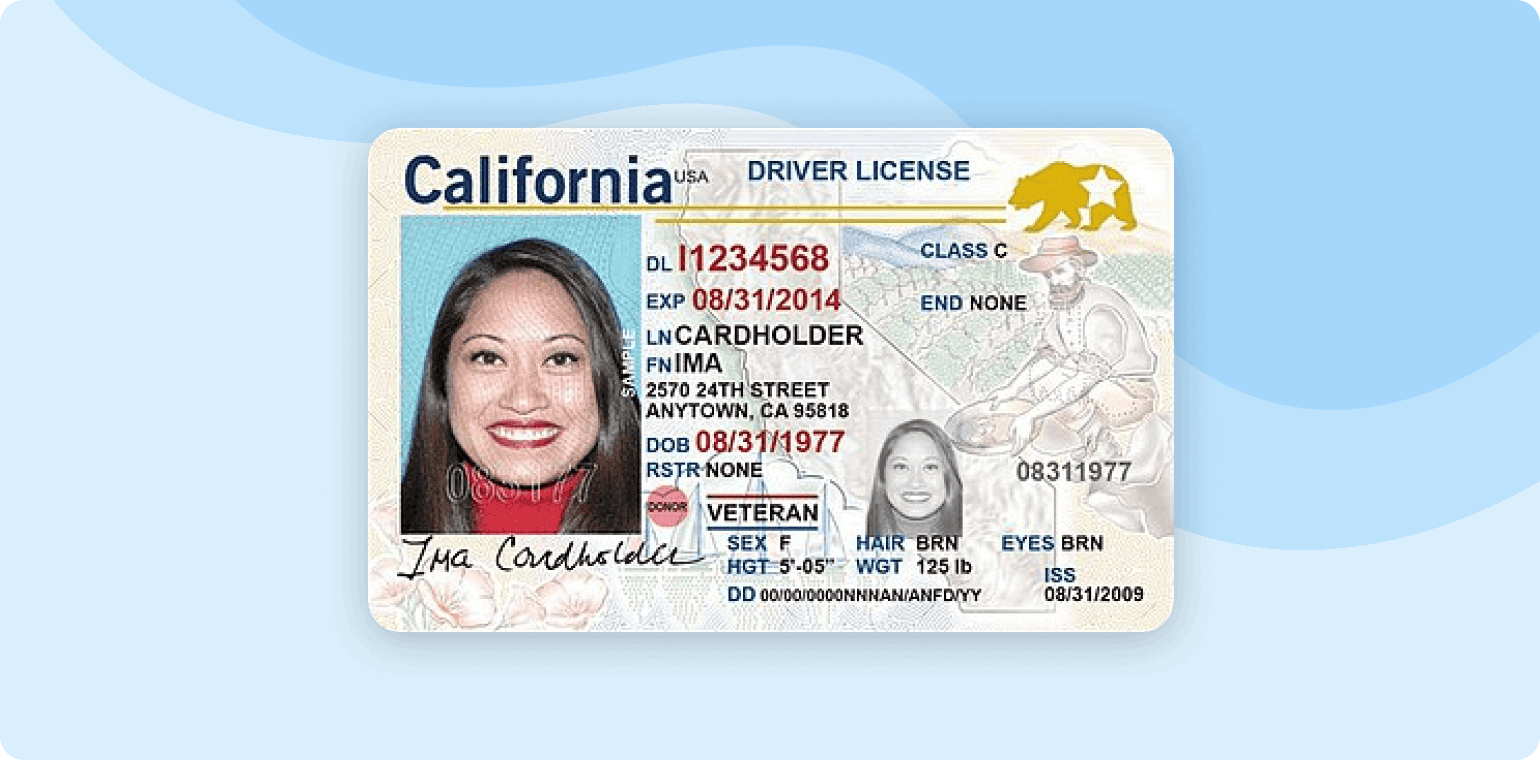
Understanding California Driver’s License Requirements
Before you even step foot into a Department of Motor Vehicles (DMV) office, it’s crucial to understand the foundational requirements set forth by the state of California. Eligibility and necessary documentation are the cornerstones of a successful application.
Eligibility for Residents and Newcomers
To apply for a driver’s license in California, you generally need to be a resident of the state. Residency is typically established by living in California and demonstrating an intent to continue living there. This can include activities such as registering to vote, paying resident tuition, filing for a homeowner’s property tax exemption, or having a child attend a public school.
For new residents moving from another U.S. state, you typically have 10 days to obtain a California driver’s license after establishing residency. If you possess a valid driver’s license from another state, you might be exempt from the driving test, though you will still need to pass a written knowledge test.
International applicants, including those on various visa types, may also be eligible. The specific requirements can vary based on your immigration status and the duration of your stay. Generally, individuals with a valid legal presence in the U.S. are eligible to apply.
Required Documents for Application
The Department of Motor Vehicles requires a range of documents to verify your identity, residency, and legal presence. Preparing these in advance will significantly expedite your application process.
- Proof of Identity: This is perhaps the most critical document. Acceptable forms include an original or certified copy of a U.S. birth certificate, a U.S. passport, an employment authorization card, or a foreign passport with an approved I-94 form. The name on your identity document must match the name on your application. If there are discrepancies, you might need additional documents like a marriage certificate or court order for a name change.
- Proof of Residency: You will need two different documents showing your California residential address. Examples include utility bills (gas, electric, water, cell phone), rental or lease agreements, mortgage statements, property tax bills, school documents, or an insurance policy. These must be original documents, not photocopies.
- Proof of Social Security Number (SSN): Your original Social Security Administration (SSA) card is the preferred document. If you don’t have an SSN but are legally present in the U.S. and eligible for a California driver’s license, you may be able to proceed by providing proof of ineligibility from the Social Security Administration.
- Proof of Legal Presence: For non-U.S. citizens, this involves documents like a U.S. visa, I-94 arrival/departure record, Green Card (Permanent Resident Card), or other valid immigration documents. The Department of Motor Vehicles will verify your legal presence with the U.S. Department of Homeland Security.
- Application Form: Complete the Driver License and ID Card Application (Form DL 44) available online or at any Department of Motor Vehicles office.
- Fee: Be prepared to pay the application fee. The fee amount is subject to change, so check the official Department of Motor Vehicles website for current rates.
- Real ID Compliant License: California offers both federal non-Real ID compliant and Real ID compliant driver’s licenses. The Real ID is required for boarding domestic flights and entering certain federal facilities after the enforcement date. If you opt for a Real ID, you will need additional documentation, including your SSN card and proof of residency.
The Application Process: Step-by-Step
Once you have gathered all your documents, you are ready to embark on the official application journey. The process typically involves several visits to the Department of Motor Vehicles and various tests.
Preparing for Your DMV Visit
Your first step is to complete the application form, ideally online, to save time at the Department of Motor Vehicles office. You can also make an appointment online, which is highly recommended to reduce wait times. Bring all your original required documents, as photocopies are generally not accepted.
At the Department of Motor Vehicles office, you will:
- Submit your application: Provide your completed form and present your supporting documents.
- Pay the application fee: This fee covers both the written and driving tests.
- Provide your thumbprint: This is a mandatory security measure.
- Have your photo taken: This will be used for your temporary and permanent license.
- Pass a vision test: You will need to demonstrate that your vision meets the state’s minimum requirements. If you wear corrective lenses, be sure to bring them.
Taking the Written Knowledge Test
After successfully completing the initial administrative steps, you will be directed to take the written knowledge test. This test assesses your understanding of California traffic laws and safe driving practices.
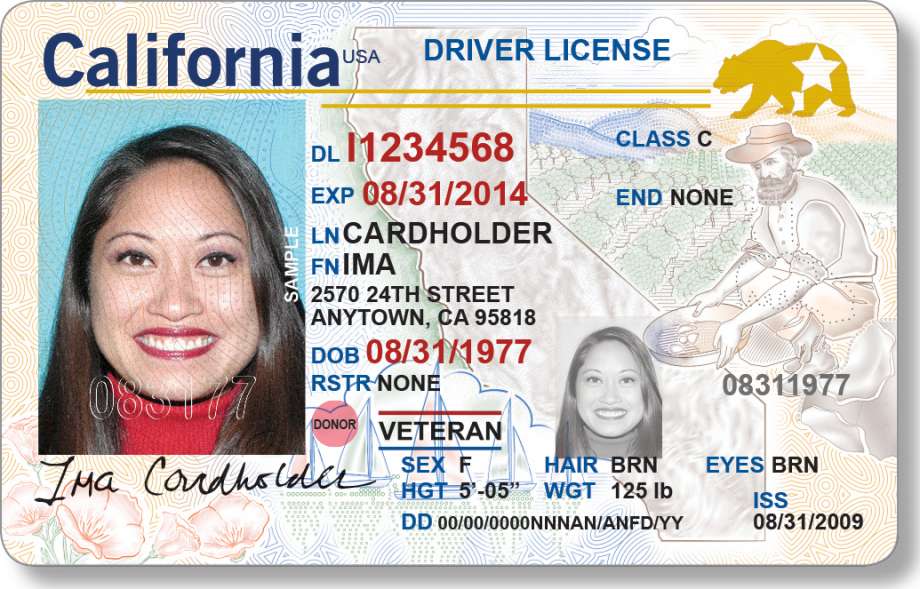
- Study the California Driver Handbook: This official handbook is your primary study resource. It covers everything from road rules and traffic signs to safe driving tips. It’s available online in multiple languages on the Department of Motor Vehicles website.
- Practice Tests: Many online resources offer practice tests that mimic the format and content of the actual exam. These can be incredibly helpful for familiarizing yourself with the types of questions asked.
- Test Format: The test consists of multiple-choice questions. For a Class C driver’s license (non-commercial), you must answer a certain number of questions correctly out of the total. If you fail, you can retake the test after a waiting period and paying a retest fee.
- Learner’s Permit: Upon passing the written test, you will be issued a provisional instruction permit (learner’s permit). This permit allows you to drive only when accompanied by a licensed driver who is at least 18 years old and holds a valid California driver’s license. This supervising driver must be seated next to you.
Scheduling and Passing the Driving Test
The final hurdle to obtaining your full California driver’s license is the behind-the-wheel driving test.
- Practice Driving: With your provisional instruction permit, get ample practice driving in various conditions and environments. Focus on mastering basic maneuvers, understanding traffic signs, and demonstrating safe driving habits.
- Vehicle Requirements: For your driving test, you must provide a vehicle that is safe, properly registered, and insured. The vehicle must be in good working order, with functioning turn signals, brake lights, horn, and adequate tires.
- Scheduling the Test: You must make an appointment for your driving test. This cannot be done on a walk-in basis.
- The Test Itself: A Department of Motor Vehicles examiner will accompany you. The test typically lasts about 15-20 minutes and assesses your ability to perform various maneuvers, follow traffic laws, and exhibit safe driving judgment. Common skills evaluated include turns, lane changes, parking, backing up, and maintaining safe distances.
- What to Bring: On the day of your test, bring your provisional instruction permit, proof of vehicle registration and insurance, and a licensed driver (at least 18 years old) to accompany you.
- Passing the Test: If you pass, the examiner will issue you a temporary license immediately. Your permanent driver’s license will be mailed to you within a few weeks. If you fail, you can reschedule the test after a waiting period and paying a retest fee. You have three attempts to pass the driving test on a single application.
Specific Scenarios and Considerations
The path to a California driver’s license can have specific nuances depending on your prior driving experience and residency status.
For Out-of-State Drivers
If you are moving to California from another U.S. state and already hold a valid driver’s license, the process is slightly streamlined. You will still need to complete the application, provide identity and residency documents, pass the vision test, and take the written knowledge test. However, you are generally not required to take the behind-the-wheel driving test, provided your out-of-state license is current and valid. Remember, you have a short window (10 days) to apply for a California license after becoming a resident.
For International Visitors
International visitors and temporary residents face specific requirements based on their visa status and anticipated length of stay. While many countries’ driver’s licenses are valid for a certain period for visitors (often up to a year, alongside an International Driving Permit), those intending to reside in California long-term will need a local license.
The application process is largely the same, but proving legal presence is paramount. Documents like a passport, visa, and I-94 record are crucial. The Department of Motor Vehicles will verify these documents with federal authorities, which can sometimes add to the processing time. It’s advisable to check the most current regulations on the Department of Motor Vehicles website or consult with an immigration expert for specific advice related to your visa type.
Provisional Licenses for Minors
For individuals under 18 years old, California has a Graduated Driver Licensing (GDL) program. This program introduces driving privileges in stages to ensure young drivers gain experience safely.
- Age 15½: Eligible to apply for an instruction permit after completing driver education.
- Instruction Permit: Must hold the permit for at least six months and complete 50 hours of supervised driving practice (including 10 hours at night) with a licensed driver who is at least 25 years old.
- Age 16: Eligible for a provisional driver’s license after passing the driving test and meeting permit requirements.
- Provisional License Restrictions: For the first 12 months, provisional license holders cannot drive between 11 p.m. and 5 a.m., and cannot transport passengers under 20 years old unless accompanied by a licensed driver aged 25 or older.
- Full License: These restrictions are lifted when the driver turns 18 or after holding the provisional license for 12 months, whichever comes first.
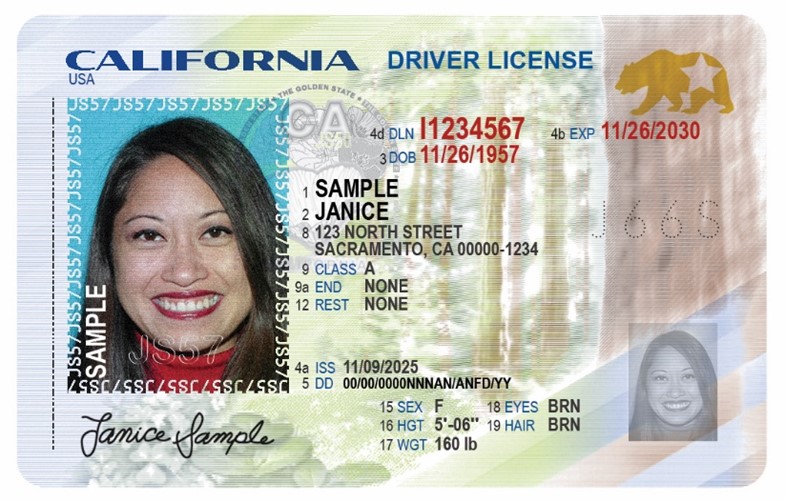
Essential Tips for Success
To ensure a smooth and successful experience when applying for your California driver’s license, keep these tips in mind:
- Plan Ahead: Start gathering your documents well in advance. Check their validity and ensure all names match across documents.
- Utilize Online Resources: The official California DMV website is an invaluable resource. Use it to schedule appointments, find handbooks, and confirm current fees and requirements.
- Study Diligently: Do not underestimate the written knowledge test. The California Driver Handbook is comprehensive, and thorough study is key.
- Practice Driving Consistently: The more practice you get, especially with a seasoned driver, the more confident and competent you’ll be for the driving test. Familiarize yourself with common test routes if possible.
- Arrive Prepared: For every Department of Motor Vehicles visit, bring all necessary documents, your application, and be ready for any tests. Ensure your vehicle for the driving test meets all safety requirements.
- Be Patient: Department of Motor Vehicles offices can be busy. Scheduling an appointment significantly reduces wait times, but always allocate ample time for your visit.
- Consider a Real ID: Evaluate if a Real ID compliant license is necessary for your future travel plans. While it requires more documentation upfront, it can save hassle later.
Obtaining a California driver’s license is a fundamental step towards independent mobility and a deeper integration into the state’s vibrant lifestyle. By following these guidelines and preparing thoroughly, you can navigate the process with confidence and soon enjoy the freedom of driving on California’s scenic roads.
LifeOutOfTheBox is a participant in the Amazon Services LLC Associates Program, an affiliate advertising program designed to provide a means for sites to earn advertising fees by advertising and linking to Amazon.com. Amazon, the Amazon logo, AmazonSupply, and the AmazonSupply logo are trademarks of Amazon.com, Inc. or its affiliates. As an Amazon Associate we earn affiliate commissions from qualifying purchases.