
Obtaining a driver’s license in California is a crucial step for anyone planning to reside, work, or simply explore the vast and diverse landscapes of the Golden State by car. Whether you’re a new resident, an international visitor looking for extended mobility, or a young driver eager to hit the open road, understanding the process is paramount. California’s Department of Motor Vehicles, commonly known as the DMV, oversees all licensing procedures, which can appear daunting at first glance. However, by breaking down the steps and preparing adequately, you can navigate the system efficiently and soon enjoy the freedom of driving throughout this magnificent state. This comprehensive guide will walk you through everything you need to know, from gathering documents to passing your driving test, ensuring a smooth journey towards earning your California driver’s license.
Navigating the Golden State’s DMV: An Introduction
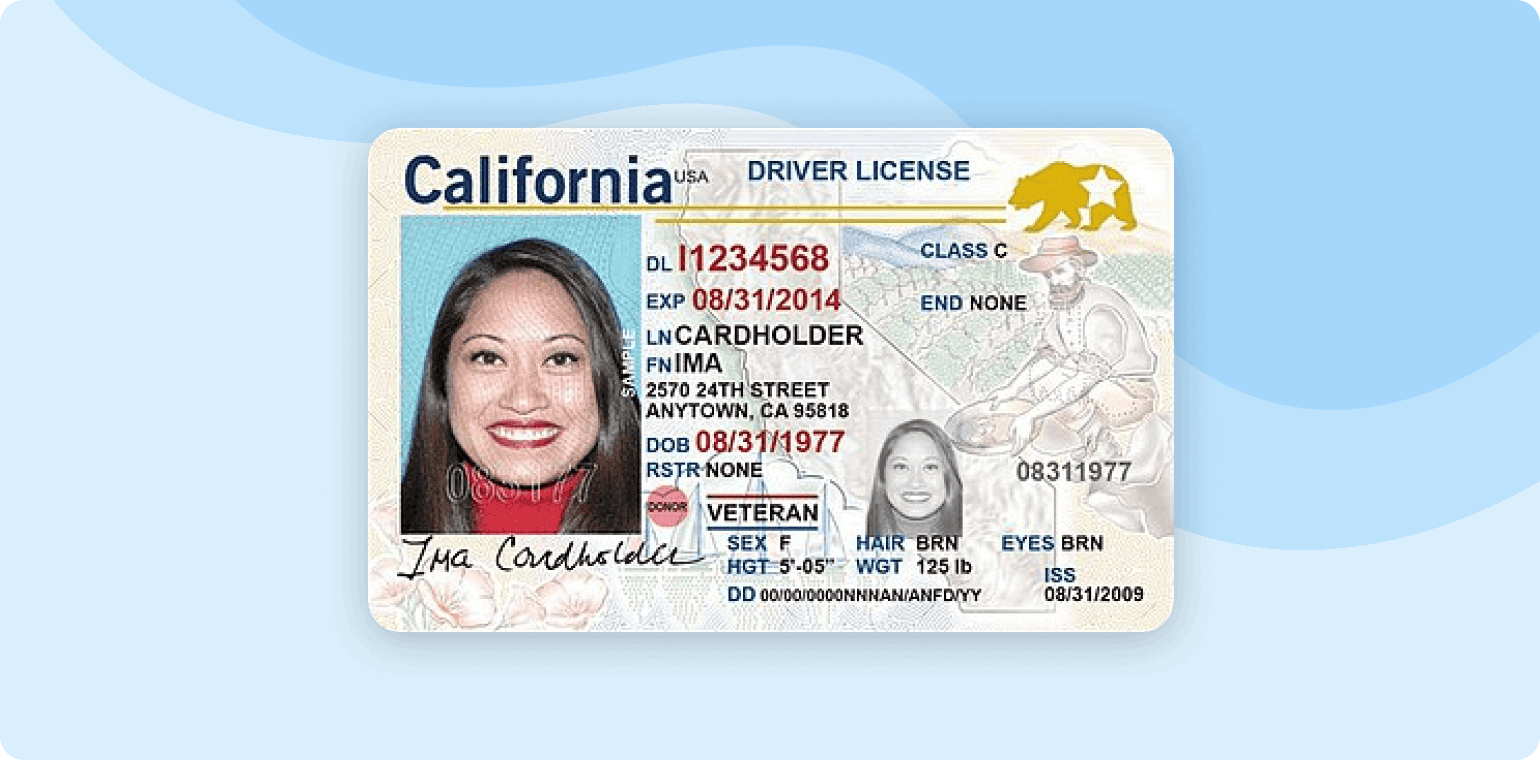
A California driver’s license is more than just a permit to drive; it’s often a primary form of identification and a gateway to greater independence within the state. For new residents, securing a local license is typically required within ten days of establishing residency. For long-term visitors or individuals on specific visas, it may be essential for daily commutes and exploring beyond public transportation routes. Even for those planning extensive road trips within California, especially if they’re moving from another country, understanding the requirements is key to legal and hassle-free driving.
The DMV is the central authority for all driving-related matters in California. Its processes are designed to ensure that all licensed drivers possess the necessary knowledge and skills to operate a vehicle safely on the state’s diverse roads, from bustling urban freeways to winding mountain passes and scenic coastal routes. The journey to obtaining a license involves several key stages: proving your identity and residency, demonstrating your knowledge of traffic laws, and finally, proving your practical driving skills. Being prepared for each stage will significantly reduce stress and wait times, making the entire experience much more manageable.
Essential Steps Before Your DMV Visit
Before you even set foot in a DMV office, strategic preparation can save you considerable time and potential frustration. The DMV is known for its detailed requirements, and having everything in order before your appointment is crucial.
Gathering Required Documents
The cornerstone of your application will be presenting the correct documentation. The DMV requires proof of identity, residency, and your Social Security number (SSN) or equivalent.
- Proof of Identity: You’ll need at least one document from the DMV’s “primary” identity document list. Common examples include a U.S. birth certificate, a U.S. passport, a foreign passport with an approved I-94 form, or a permanent resident card. The documents must be originals or certified copies.
- Proof of Residency in California: To demonstrate you live in California, you generally need two different documents. Acceptable forms include utility bills (gas, electric, water, cell phone), rental or lease agreements, mortgage statements, bank statements, or even school transcripts for younger applicants. These documents must show your current physical address in California.
- Proof of Social Security Number (SSN) or Ineligibility Letter: Most applicants will need to provide their SSN card or a document showing their SSN (e.g., W-2 form, SSA-1099). If you are not eligible for an SSN, you will need to apply for an “ineligibility letter” from the Social Security Administration (SSA) before visiting the DMV. This step is particularly relevant for international visitors or non-citizens.
- Application Form (DL 44): While you can pick this up at the DMV office, it’s often more efficient to complete the application online in advance. This pre-application process saves time during your visit and allows you to confirm you have all necessary information.
- Fee Payment: Be prepared to pay the application fee. The exact amount can vary, so check the official DMV website for the most current fee schedule. Fees are non-refundable, regardless of whether you pass the tests.
Preparing for the Written Knowledge Test
The written knowledge test assesses your understanding of California traffic laws, road signs, and safe driving practices. This is not a test to be taken lightly; thorough preparation is key to passing on your first attempt.
- Studying the California Driver Handbook: This official handbook is your primary resource. It contains all the information you need to know for the test. Read it thoroughly, paying close attention to sections on traffic laws, right-of-way rules, road signs, and what to do in various driving situations. The handbook is available for free on the DMV website and in physical copies at DMV offices.
- Practice Tests and Resources: Numerous online resources offer practice tests that mimic the format and content of the actual DMV knowledge test. Utilizing these can help you identify areas where you need further study and build confidence. Many driving schools also offer preparatory courses.
- Understanding Traffic Laws and Road Signs: Focus not just on memorization, but on understanding the underlying principles of safe driving. Pay particular attention to distinguishing between different types of road signs (regulatory, warning, guide) and their meanings, as well as specific California laws regarding speed limits, turns, and pedestrian rights.
The DMV Application Process: What to Expect
With your documents in hand and your knowledge sharpened, you’re ready for your visit to the DMV. This stage involves several sequential steps, each crucial to progressing towards your license.
Applying in Person and Vision Screening
Your DMV visit will begin with confirming your application and initial screenings.
- Scheduling an Appointment: This cannot be stressed enough – always schedule an appointment online. Walk-in wait times can be exceptionally long, often spanning several hours. An appointment can significantly reduce your waiting period.
- Filling Out the Application: Even if you started online, you’ll finalize your application at the DMV. Staff will review your documents and ensure everything is complete and accurate.
- Eye Exam and Photo: You will undergo a vision screening to ensure your eyesight meets the minimum requirements for safe driving. If you wear corrective lenses, bring them. After passing, your photograph will be taken for your provisional license and eventually, your permanent card.
- Fingerprinting: As part of the security measures, your thumbprint will be digitally scanned.
Passing the Written Knowledge Test
Once the administrative steps are complete, you’ll proceed to the written test.
- Test Format and Languages: The test is typically administered on a computer, though paper versions may be available. It consists of multiple-choice questions. It’s offered in several languages, so if English is not your first language, inquire about taking the test in your preferred language.
- Number of Questions and Passing Score: For a standard Class C driver’s license, the test usually has 36 questions. You are allowed a maximum of 6 incorrect answers to pass (meaning you need at least 30 correct answers).
- What Happens If You Fail: Don’t worry if you don’t pass on your first try. You are allowed to retake the test. However, there’s usually a waiting period (often seven days) before you can retest, and you may need to pay a retest fee. Use this time to review the handbook and focus on the areas where you struggled.
Obtaining Your Provisional Permit (for new drivers)
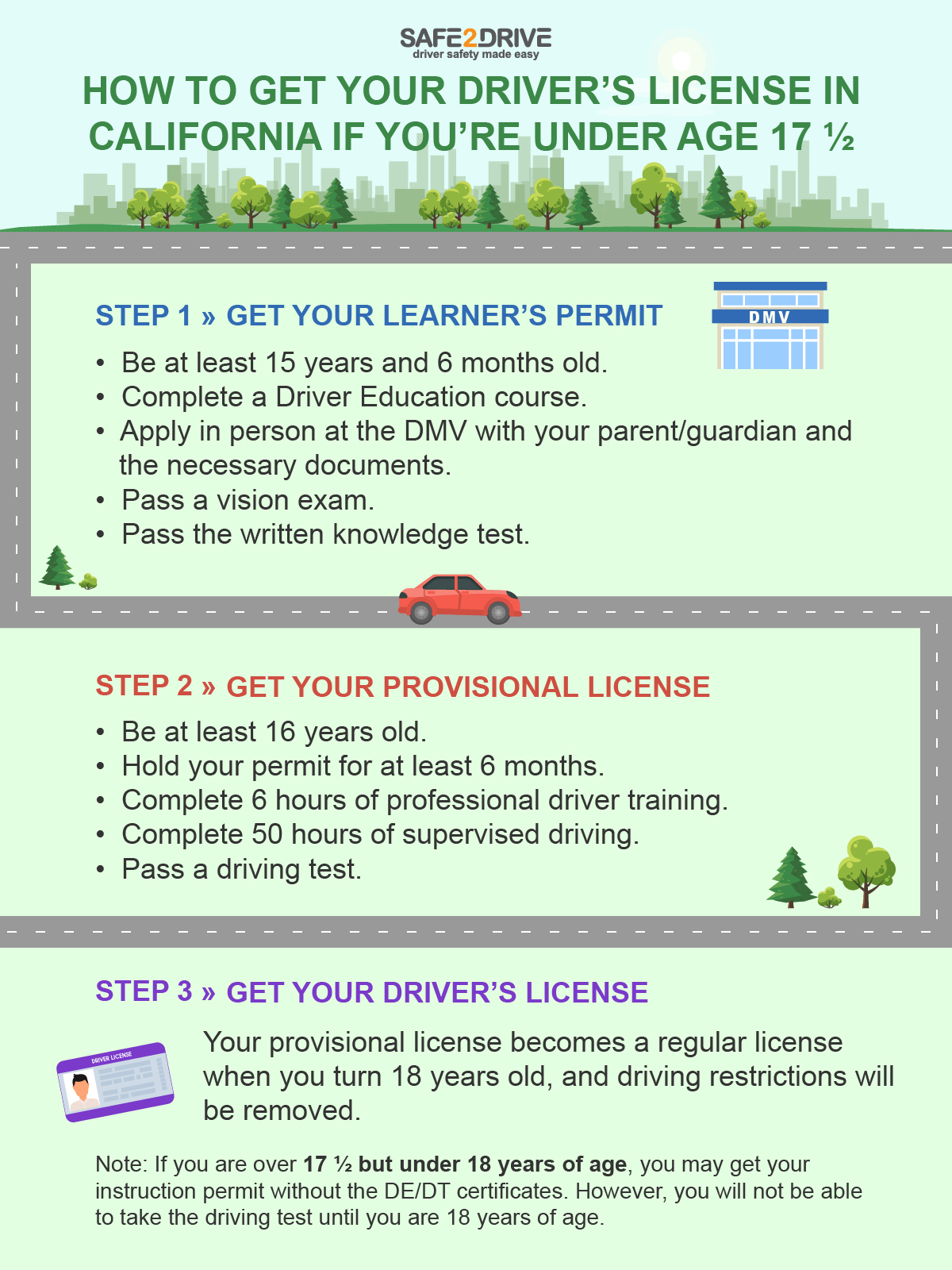
If you are a new driver (typically under 18) or someone who has never held a driver’s license, passing the written test will earn you a provisional instruction permit.
- Restrictions for Permit Holders: A provisional permit comes with strict rules. You must always have a licensed California driver, aged 25 or older, seated next to you while driving. This supervisor must be capable of taking control of the vehicle if necessary.
- Required Driving Practice Hours: For drivers under 18, the DMV mandates at least 50 hours of supervised driving practice, including 10 hours at night. This practice must be certified by a parent, guardian, or driving instructor.
- Professional Driving Lessons: While not strictly required for all new drivers, completing six hours of professional driver training with a certified instructor is highly recommended, especially for teenagers, as it fulfills a specific requirement for minors.
Scheduling and Taking the Driving Test
This is the final hurdle: demonstrating your ability to drive safely and proficiently.
- Vehicle Requirements for the Test: You must provide a safe, roadworthy vehicle for your driving test. It must be properly registered, insured, and have working headlights, taillights, turn signals, brake lights, and a horn. The examiner will conduct a brief pre-inspection. You also need to be accompanied by a licensed driver (25 or older) to the DMV in case you fail the test.
- What the Examiner Looks For: The driving test assesses your ability to safely operate a vehicle and obey traffic laws. Examiners look for smooth control, proper signaling, correct lane changes, safe turns, awareness of surroundings (checking mirrors, blind spots), and adherence to speed limits and traffic signs. You will be asked to perform various maneuvers, including backing up in a straight line, parallel parking (though this is not always a mandatory part for Class C), and lane changes.
- Common Reasons for Failure: Failing to stop completely at stop signs, making illegal turns, improper lane changes, exceeding the speed limit, not checking blind spots, and overall unsafe driving behavior are common reasons people fail.
- What Happens After Passing/Failing: If you pass, congratulations! You’ll receive an interim license valid for 90 days, and your permanent license will be mailed to you. If you fail, you must wait a minimum of two weeks before you can retake the test, and you may need to pay a retest fee. You have three attempts to pass the driving test with one application fee.
Special Considerations and Tips for Success
The path to a California driver’s license can vary slightly depending on your background.
For Out-of-State Drivers
If you’re moving to California from another U.S. state, the process is generally simpler.
- Transferring Your Existing License: You typically do not need to take the driving test if you hold a valid, unexpired driver’s license from another U.S. state. You will still need to pass the written knowledge test and complete the identity, residency, and vision screenings.
- Timeframes for Obtaining a California License: As mentioned, new California residents must obtain a California driver’s license within 10 days of establishing residency.
For International Visitors and New Residents
Driving in California as an international visitor has specific regulations.
- Rules for Driving with an International Driver Permit (IDP): If you possess a valid driver’s license from your home country, you can generally drive in California for a limited period. It’s highly recommended to also carry an International Driver Permit (IDP) alongside your original license. An IDP is not a license itself but a translation of your foreign license, recognized in over 150 countries.
- Specific Documents for Non-Citizens: Non-U.S. citizens will need to provide specific documentation to prove their legal presence in the U.S., such as a valid visa, I-94 form, or permanent resident card, in addition to the standard identity and residency proofs. Be prepared for a potentially longer processing time for document verification.
Maximizing Your Chances of Success
Preparation and a calm mindset are your best allies.
- Practice, Practice, Practice: For the written test, repeatedly review the handbook and take practice exams. For the driving test, log as many hours as possible in varied driving conditions, focusing on areas you find challenging.
- Familiarize Yourself with the Test Route: While DMV test routes are not officially published, many driving schools or local residents might know common routes. Driving in the area around the DMV can help you become comfortable with local traffic patterns and intersections.
- Maintain a Positive Attitude: Nerves are natural, but try to stay calm and focused. Treat the examiner respectfully, listen to instructions carefully, and demonstrate confidence in your abilities.
- Utilize Online Resources and DMV Website: The official California DMV website is a treasure trove of information, including the handbook, online application, appointment scheduling, and FAQs. Make it your first stop for any questions.
- Consider Professional Driving Lessons: Especially for new drivers or those unfamiliar with U.S. driving customs, professional lessons can provide invaluable instruction and feedback, boosting your skills and confidence.
Beyond the License: Enjoying California on the Road
Once you’ve successfully obtained your California driver’s license, a world of exploration opens up before you. The freedom of having your own transportation in California is unparalleled.
The Golden State offers some of the most iconic drives in the world. Imagine cruising down the Pacific Coast Highway, with breathtaking ocean views on one side and dramatic cliffs on the other, or winding through the picturesque vineyards of Napa Valley, stopping at world-class wineries. From the bustling streets of Los Angeles to the majestic redwoods of the north, and the stunning national parks like Yosemite and Joshua Tree, having a California license allows you to experience these wonders at your own pace.
Beyond the scenic routes, your license provides practical benefits for daily life, making errands, commuting, and spontaneous adventures significantly easier. Always remember the importance of safe driving and adherence to California road etiquette. Drive defensively, respect speed limits, and be mindful of other drivers, cyclists, and pedestrians. Your California driver’s license is your ticket to truly immersing yourself in everything this incredible state has to offer, making every journey an experience in itself.
LifeOutOfTheBox is a participant in the Amazon Services LLC Associates Program, an affiliate advertising program designed to provide a means for sites to earn advertising fees by advertising and linking to Amazon.com. Amazon, the Amazon logo, AmazonSupply, and the AmazonSupply logo are trademarks of Amazon.com, Inc. or its affiliates. As an Amazon Associate we earn affiliate commissions from qualifying purchases.