
Navigating life, whether as a temporary visitor, a new resident, a student, or a long-term budget traveler, often presents unforeseen challenges. Among these, ensuring consistent access to nutritious food is paramount for maintaining a healthy and sustainable lifestyle. Even in vibrant cities like Boston, circumstances can arise where individuals or families find themselves needing assistance. Fortunately, modern solutions like virtual food banks offer a discreet and efficient way to bridge these gaps. This comprehensive guide explores how to access food from a virtual food bank in Boston, ensuring your lifestyle in this historic city remains vibrant and secure.

Understanding Virtual Food Banks: A Modern Solution for Lifestyle Stability
The concept of a virtual food bank represents an evolution in community support, leveraging technology to streamline the process of food assistance. For anyone seeking to maintain a stable lifestyle amidst financial fluctuations or unexpected events, understanding these systems is crucial.
What is a Virtual Food Bank?
Unlike traditional brick-and-mortar food pantries where individuals physically visit a location to pick up pre-packaged items, a virtual food bank operates primarily online. It allows users to browse available food items, select what they need, and often arrange for pickup or delivery from various distribution points. This model offers several distinct advantages for individuals managing diverse lifestyles:
- Discretion and Dignity: The online interface provides a more private way to seek assistance, reducing potential feelings of embarrassment.
- Convenience: Users can access the platform from anywhere with an internet connection, at any time, fitting into busy schedules, especially for those juggling work, studies, or travel itineraries.
- Choice and Customization: Rather than receiving a standard food package, virtual food banks often allow users to select items that align with their dietary needs, cultural preferences, or available cooking facilities, which is particularly beneficial for those in temporary accommodations or with specific health requirements.
- Efficiency: The digital nature reduces administrative overhead and can make the distribution process more agile, allowing for quicker response times to community needs.
For individuals who value efficiency and privacy in their daily routines, or those new to a city like Boston who might not yet be familiar with local physical resources, the virtual model is an invaluable asset. It aligns perfectly with a proactive approach to lifestyle management, ensuring basic needs are met without disruption.
The Boston Context: Why it Matters
Boston is a city renowned for its rich history, world-class educational institutions, thriving innovation economy, and diverse population. However, like many major metropolitan areas, it also experiences significant disparities in living costs and economic stability. Rent, transportation, and daily expenses can quickly accumulate, making it challenging for some to consistently afford nutritious food.
For students balancing tuition and living expenses, individuals on temporary work assignments, families on a tight budget exploring the city, or new residents establishing themselves, unexpected financial pressures can arise. A virtual food bank in Boston serves as a vital safety net, ensuring that food insecurity doesn’t derail personal well-being or broader lifestyle goals. It’s a testament to Boston’s commitment to community support, providing an accessible resource that complements its robust social services network. Understanding its existence and operation is a key part of informed lifestyle management in the city.
Eligibility and Access: Who Can Benefit?
One of the primary concerns for anyone considering using a virtual food bank is eligibility. These services are designed to help those truly in need, and while criteria can vary slightly between organizations, there are common threads. Understanding these guidelines is essential for determining if a virtual food bank in Boston is the right resource for your lifestyle situation.
General Criteria for Assistance
Most virtual food banks, including those serving the Boston area, operate on a needs-based system. This typically involves:
- Income Guidelines: Applicants usually need to demonstrate that their household income falls below a certain percentage of the federal poverty level or state median income. This ensures resources are directed to those with the greatest financial need.
- Residency: While physical residency requirements can vary, most organizations require proof of current address within the service area (e.g., Boston and surrounding communities). This is often to ensure local resources are supporting local populations.
- Household Size: The amount and type of food assistance often depend on the number of individuals in the household, reflecting varying consumption needs.
- Proof of Need: This might involve submitting documentation such as pay stubs, unemployment letters, social security statements, or other forms of income verification.
It’s important to note that many virtual food banks and their parent organizations are compassionate and understanding of individual circumstances. If you’re on the borderline or have an unusual situation, it’s always worth reaching out directly to discuss your eligibility.
Specifics for Visitors and Temporary Residents
For individuals whose lifestyle in Boston is temporary—such as students, seasonal workers, or long-term travelers facing unexpected hardship—the eligibility criteria might seem less straightforward. However, many organizations are designed to be inclusive:
- Students: Many colleges and universities in Boston have their own food pantries or partnerships with local virtual food banks, recognizing the financial pressures students face. Even if not directly affiliated, students are generally eligible for community food banks if they meet income and residency requirements.
- Temporary Work Visa Holders: Individuals working in Boston on temporary visas who experience unexpected unemployment or underemployment may also qualify. The key is often demonstrating current residency and financial need within the service area.
- Long-Term Budget Travelers: While less common, if a long-term traveler experiences a sudden, unforeseen financial crisis while residing in Boston (e.g., theft, medical emergency draining funds), they might be able to access assistance, particularly through charities that prioritize immediate needs over strict long-term residency. However, this is often assessed on a case-by-case basis.
- Documentation: For temporary residents, utility bills, rental agreements for short-term stays, or official university enrollment documents can often serve as proof of residency. It’s advisable to gather any documentation that clearly establishes your presence and need in Boston.
The overarching goal is to ensure that no one in Boston goes hungry, regardless of the duration of their stay, provided they meet the basic criteria of financial need.
Navigating the Process: Step-by-Step Guide
Accessing food from a virtual food bank in Boston is typically a straightforward process, designed to be user-friendly. Following these steps will help you efficiently navigate the system and secure the food assistance you need to support your lifestyle.
Finding the Right Virtual Food Bank in Boston
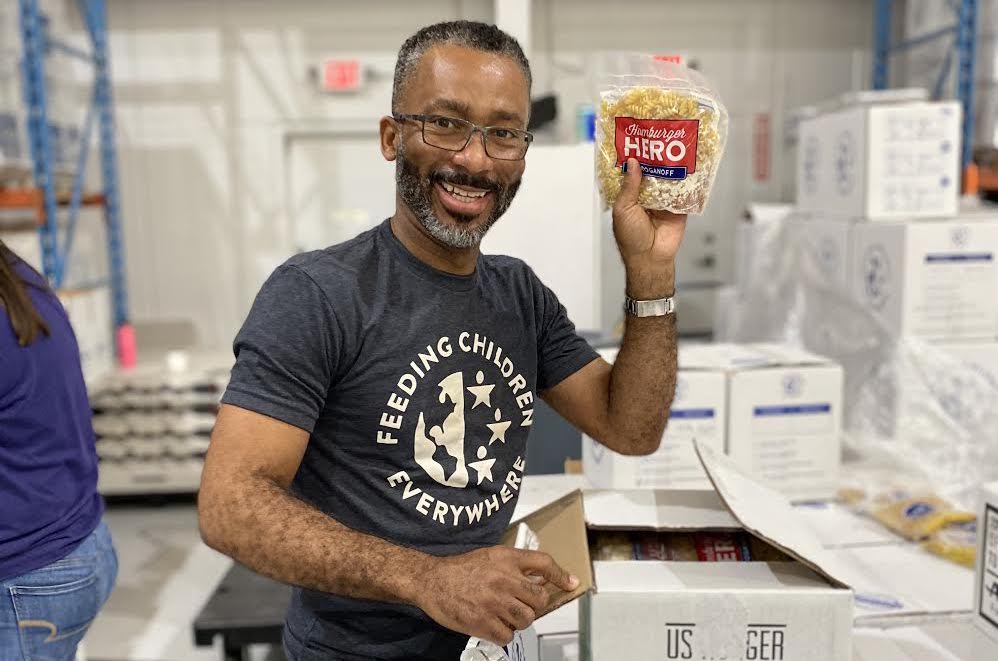
The first step is identifying the virtual food banks or organizations with virtual services that serve your specific area within Boston.
- Start with Major Networks: Many virtual food banks are part of larger networks. Websites for organizations like the Greater Boston Food Bank (GBFB) or Feeding America often have “Find Food” tools that allow you to enter your zip code and locate affiliated pantries, some of which may offer virtual ordering or delivery. While GBFB is a physical hub, many of the pantries they supply have adopted virtual ordering systems.
- Community-Specific Resources: Check websites of local community centers, municipal services in Boston (e.g., City of Boston Health and Human Services), or non-profit directories for “food assistance Boston” or “virtual food pantry Boston”.
- University Resources: If you are a student, consult your university’s student services or dean of students office. They often have dedicated food pantries or can directly connect you with local resources.
Once you identify a potential virtual food bank, visit its official website to understand its specific operating model and service area.
The Application and Verification Process
After selecting a virtual food bank, you’ll typically need to register and apply.
- Online Registration: This usually involves creating an account with a username and password. You’ll be asked to provide basic contact information, household size, and your address in Boston.
- Eligibility Screening: Some platforms integrate an initial screening questionnaire to assess your eligibility based on income and other factors. Be prepared to accurately answer these questions.
- Documentation Submission: You may be asked to upload or provide copies of documents proving residency and income. This could include a utility bill, lease agreement, government-issued ID, or pay stubs. Many organizations understand that some individuals may not have all standard documentation and will work with you to find alternatives.
- Verification Call/Interview: In some cases, a representative from the food bank may call or schedule a brief virtual interview to confirm details and answer any questions you might have. This is a chance to explain any unique circumstances affecting your lifestyle and need for assistance.
- Approval Notification: Once your application is processed and approved, you will receive notification, usually via email or within your online account, confirming your eligibility and providing instructions on how to start ordering food.
This process is designed to be as respectful and efficient as possible, ensuring that assistance reaches those who need it while maintaining accountability.
Receiving Your Food: Pickup and Delivery Options
Once approved, the exciting part begins: ordering and receiving your food.
- Browse and Order: Log into your virtual food bank account. You’ll typically find a catalog of available items, often categorized by type (produce, pantry staples, dairy, protein). Select the items you need, keeping in mind any limits per category or household. This flexibility allows you to tailor your food supply to your current living situation and culinary preferences, sustaining your lifestyle choices.
- Schedule Pickup or Delivery: Most virtual food banks offer designated pickup times and locations within Boston and its surrounding areas. Some may also offer limited delivery services, especially for individuals with mobility challenges or lack of transportation. Carefully review the options and choose what works best for your schedule and location.
- Confirmation and Reminders: You will usually receive a confirmation of your order and chosen pickup/delivery slot, often with reminders.
- Pickup/Delivery Day:
- Pickup: Arrive at the designated location during your scheduled window. You may need to show ID. The food will often be pre-bagged and ready for a quick and discreet collection.
- Delivery: Ensure someone is available at your specified address to receive the delivery.
This streamlined process ensures that accessing food assistance seamlessly integrates into your daily life in Boston, minimizing disruption and maximizing convenience.
Beyond Immediate Needs: Long-Term Lifestyle Support
While virtual food banks address immediate food insecurity, they can also be a gateway to broader support systems that foster long-term lifestyle stability. Engaging with these resources can help individuals in Boston build resilience and plan for a more secure future.
Connecting with Community Resources
Food banks are often part of a wider network of social services. When you interact with a virtual food bank, you may gain access to information about other programs that can support your lifestyle in Boston:
- Nutritional Education: Many organizations offer free workshops or resources on healthy eating, meal planning, and cooking on a budget, empowering you with skills for sustainable living.
- Benefits Enrollment Assistance: Staff or volunteers can often help individuals apply for government benefits like SNAP (Supplemental Nutrition Assistance Program), which provides ongoing financial assistance for food purchases.
- Housing and Utilities Support: Information on rental assistance, utility bill programs, or shelters can be invaluable for holistic lifestyle stability.
- Employment and Training: Some food banks partner with workforce development programs, offering referrals to job search assistance, resume writing workshops, or skills training.
- Mental Health Support: Access to mental health services or counseling referrals can be critical, as financial stress often impacts psychological well-being.
By proactively exploring these additional resources, you can address underlying challenges and build a more robust foundation for your lifestyle in Boston.
Financial Planning and Budgeting for Stays
For individuals managing a budget during a temporary stay or an extended period in Boston, leveraging virtual food banks can free up financial resources for other essential expenses. Incorporating this resource into your overall financial strategy can be a smart move:
- Budget Reallocation: If food costs are reduced by utilizing a virtual food bank, you can reallocate those funds to rent, transportation, educational expenses, or even save for emergencies.
- Emergency Fund Protection: In times of unexpected financial strain, virtual food banks can prevent you from depleting your emergency savings, allowing those funds to remain available for truly critical situations.
- Learning Resource Management: Engaging with a virtual food bank and other community services teaches valuable lessons in resourcefulness and adaptive budgeting, skills that are beneficial for any lifestyle.
- Long-Term Planning: For students or new residents, understanding and utilizing these resources can aid in planning for the duration of their stay, making their Boston experience more manageable and less stressful.
Integrating virtual food banks into your lifestyle management in Boston is not just about immediate relief; it’s about strategic planning and resource optimization for sustained well-being.
A Lifeline in the Hub: Supporting Your Boston Lifestyle
The availability of virtual food banks in Boston stands as a vital resource for anyone facing food insecurity, irrespective of their duration of stay or background. From students to temporary workers, and even long-term visitors encountering unforeseen financial challenges, these modern platforms offer a discreet, dignified, and efficient pathway to obtaining nutritious food.
By understanding the eligibility criteria, navigating the straightforward application process, and utilizing the flexible ordering and pickup/delivery options, individuals can seamlessly integrate this support into their daily lives. Furthermore, these virtual platforms often act as a gateway to a broader network of community resources, helping to build long-term stability and resilience beyond immediate food needs.
In a city as dynamic and vibrant as Boston, ensuring basic necessities are met is fundamental to enjoying all that the “Hub” has to offer. The virtual food bank model empowers individuals to maintain a healthy and secure lifestyle, allowing them to focus on their personal, academic, or professional pursuits without the constant worry of where their next meal will come from. It’s a testament to Boston’s commitment to supporting all its residents and visitors, fostering a truly inclusive and thriving community.
LifeOutOfTheBox is a participant in the Amazon Services LLC Associates Program, an affiliate advertising program designed to provide a means for sites to earn advertising fees by advertising and linking to Amazon.com. Amazon, the Amazon logo, AmazonSupply, and the AmazonSupply logo are trademarks of Amazon.com, Inc. or its affiliates. As an Amazon Associate we earn affiliate commissions from qualifying purchases.