
The emerald city of Seattle, nestled between the glistening waters of Puget Sound and the majestic peaks of the Cascade Mountains, is a city that captivates with its stunning natural beauty, innovative spirit, and vibrant culture. From the iconic silhouette of the Space Needle to the bustling Pike Place Market, there’s an undeniable allure to Seattle. However, for many who dream of visiting or even living in this Pacific Northwest gem, a significant hurdle presents itself: its considerable expense. So, why is Seattle so expensive? The answer is a complex interplay of powerful economic forces, a desirable lifestyle, and a limited supply of resources.

The Economic Engine Driving Up Costs
Seattle‘s economic landscape is a tale of remarkable growth and the subsequent pressures it places on affordability. At the heart of this boom are several dominant industries that have transformed the city into a global hub.
The Tech Titans and Their Ripple Effect
The most significant driver of Seattle‘s rising costs is undoubtedly its status as a powerhouse in the technology sector. Home to giants like Amazon and Microsoft, Seattle has become a magnet for tech talent worldwide. This influx of highly paid professionals creates a substantial demand for housing, goods, and services, pushing prices upwards across the board.
The presence of these tech companies doesn’t just affect direct employees. The need for supporting services – from software development firms and IT consultants to specialized marketing agencies and legal services – has also spurred job growth in various related fields. These jobs, often well-compensated, further contribute to the robust demand for everything from apartments to artisanal coffee.
The rapid expansion of companies like Amazon, with its sprawling campus in the South Lake Union neighborhood, has fundamentally reshaped the city. This growth necessitates new infrastructure, more housing, and an increased demand for amenities, all of which come with a price tag. When a city attracts so many high-earning individuals and corporations, the market naturally adjusts to reflect that economic power.
A Hub for Innovation and Investment
Beyond the established tech giants, Seattle boasts a thriving startup ecosystem and a growing presence in other innovative industries, including aerospace (Boeing’s historical roots are deeply intertwined with the region), biotechnology, and clean energy. This diverse economic base attracts venture capital and fosters a spirit of entrepreneurship, leading to further job creation and economic activity.
This continuous influx of new companies and skilled workers intensifies competition for limited resources. Whether it’s for office space, talented employees, or desirable residential areas, the demand outstrips supply, inevitably leading to higher prices. Investors also recognize the economic vitality of Seattle, which can drive up property values and rental rates. The city’s strong economic performance makes it an attractive place for investment, which, in turn, can contribute to increased costs for residents and visitors alike.
The Lifestyle and Location Premium
Beyond the economic fundamentals, Seattle offers a lifestyle and geographical advantage that contributes significantly to its expense. The city’s unique blend of urban sophistication and access to breathtaking natural landscapes creates a highly desirable living and visiting experience.
Natural Beauty and Outdoor Recreation
Seattle‘s unparalleled natural setting is a major draw. Surrounded by water and mountains, the city offers residents and visitors endless opportunities for outdoor adventure. From hiking in the nearby Olympic National Park and Mount Rainier National Park to kayaking on Lake Union and Lake Washington, the access to nature is exceptional.
This proximity to stunning natural beauty comes with a premium. People are willing to pay more to live in a place that offers such a high quality of life, with easy access to world-class outdoor recreation. This desire translates into higher demand for housing in desirable neighborhoods that offer views or convenient access to natural attractions. The allure of being able to enjoy a vibrant city life and then escape to the wilderness within a short drive is a powerful, albeit expensive, selling point.
A Vibrant Urban Experience
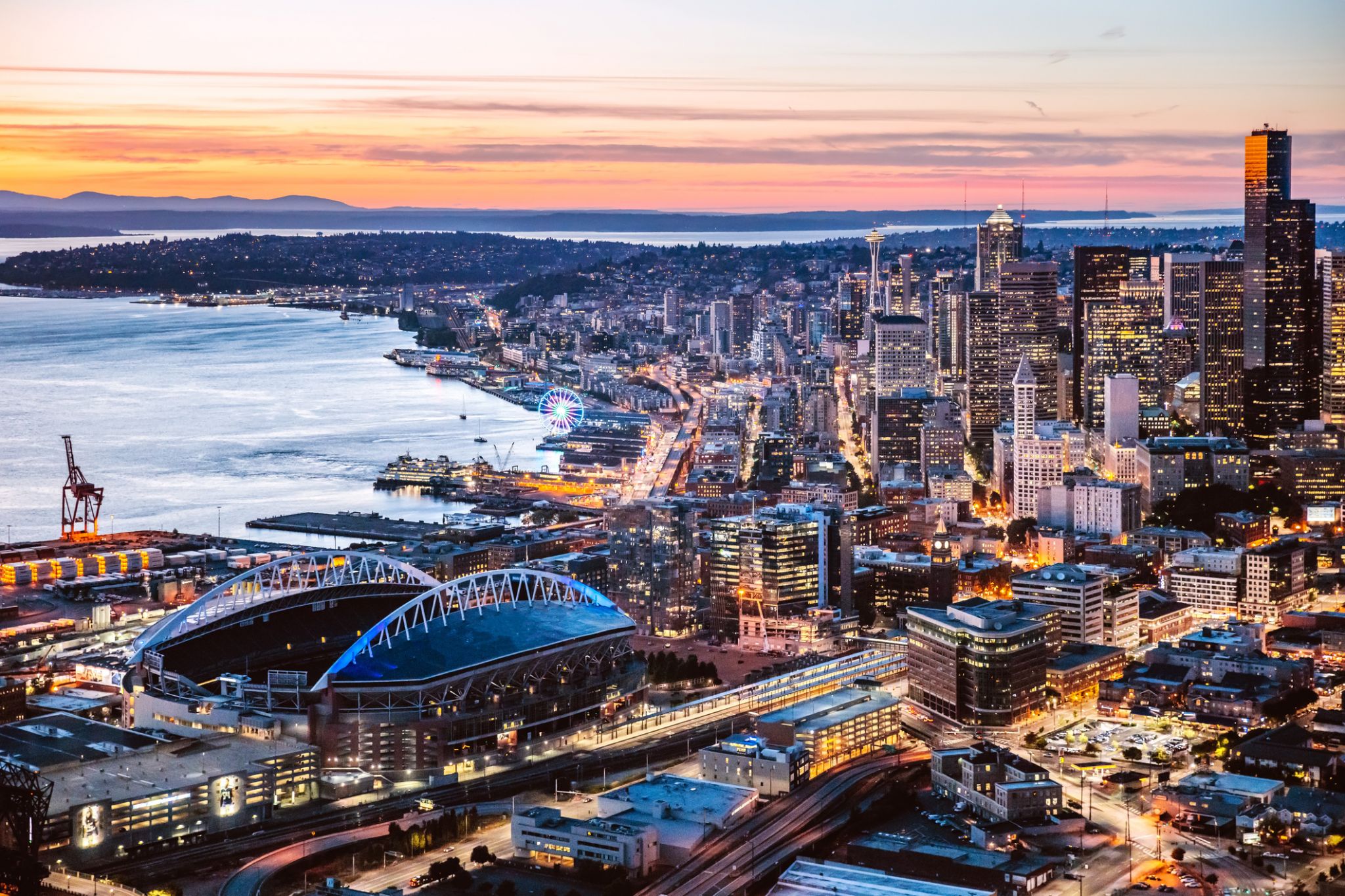
Seattle is more than just its natural surroundings; it’s a city with a rich cultural tapestry. From world-class museums like the Museum of Pop Culture (MoPOP) and the Seattle Art Museum to a thriving music scene, innovative culinary experiences, and a passion for local craft beverages, there’s always something to explore.
The food scene in Seattle is particularly noteworthy, ranging from fresh seafood at Pike Place Market to diverse international cuisine and a burgeoning farm-to-table movement. This culinary excellence, combined with a robust performing arts scene and a plethora of unique shops and boutiques, creates a dynamic urban environment that attracts people seeking a sophisticated and engaging lifestyle. The demand for these experiences, from fine dining to tickets to a show at the Paramount Theatre, contributes to the overall cost of living and visiting.
Limited Geographic Space
Compounding the high demand is Seattle‘s geographical constraints. Situated on a peninsula with water on both sides and mountains to the east, the city has limited space for outward expansion. This physical limitation means that as the population grows, the competition for existing land and housing becomes even more intense. Building new housing is challenging and expensive, further restricting supply and driving up prices.
This scarcity of land means that any new development must be carefully planned and often comes at a higher per-unit cost. Developers face higher land acquisition costs and often complex regulatory hurdles, which are then passed on to consumers in the form of higher purchase prices and rental rates.
The Cost of Living and Visiting
The interplay of economic drivers and lifestyle attractions culminates in a high cost of living and visiting Seattle. This expense is felt across various aspects of daily life and travel.
Housing Market Pressures
The most visible manifestation of Seattle‘s expense is its housing market. Both rental rates and property values are among the highest in the United States. The insatiable demand from a growing, high-earning population, coupled with limited supply, has created a fiercely competitive market. This can make it challenging for lower and middle-income individuals and families to find affordable housing.
For travelers, this translates to higher hotel rates. Even budget-friendly accommodations can come with a premium compared to other cities. The demand for lodging, especially during peak tourist seasons or major events, further inflates prices. Travelers looking for luxury accommodations, such as suites in the Four Seasons Hotel Seattle or villas in the surrounding areas, will find prices reflecting the city’s overall economic status.
Everyday Expenses and Tourist Costs
Beyond housing, the cost of everyday goods and services in Seattle is also elevated. Groceries, dining out, transportation, and entertainment can all contribute to a higher overall expense. For tourists, this means that a typical vacation budget needs to be carefully managed.
Attractions, while offering unique experiences, also come with admission fees. Dining at popular restaurants or enjoying a craft beer at one of the city’s many breweries adds to the daily spend. Even a simple cup of coffee from a popular café can be more expensive than in many other parts of the country. This pervasive cost of living affects both residents and visitors, making Seattle a destination that requires a well-planned financial approach for an enjoyable experience.

Accommodation Options and Budget Travel Considerations
While Seattle is undeniably expensive, it doesn’t mean it’s inaccessible. Travelers can explore various accommodation options to manage costs. Staying in neighborhoods slightly outside the downtown core, considering serviced apartments for longer stays, or looking for deals during the shoulder seasons can help mitigate expenses. Many hotels offer different room types, from standard rooms to luxurious suites, allowing for a range of budgets. Researching and booking in advance is always advisable.
For budget travelers, focusing on free attractions like exploring Discovery Park, walking along the waterfront, or enjoying the vibrant atmosphere of Pike Place Market can provide a rich experience without breaking the bank. Packing snacks and utilizing public transportation can also help reduce daily expenditures. Seattle‘s appeal lies not just in its high-end offerings but also in its accessible natural beauty and energetic urban spirit, which can be enjoyed at various price points with careful planning.
In conclusion, Seattle‘s reputation for being expensive is a consequence of its thriving economy driven by a booming tech industry, its unparalleled natural beauty and desirable lifestyle, and its inherent geographical limitations. While the costs can be daunting, a deeper understanding of these factors allows visitors and aspiring residents to better navigate the city’s economic landscape and plan for a fulfilling experience in this captivating Pacific Northwest metropolis.
LifeOutOfTheBox is a participant in the Amazon Services LLC Associates Program, an affiliate advertising program designed to provide a means for sites to earn advertising fees by advertising and linking to Amazon.com. Amazon, the Amazon logo, AmazonSupply, and the AmazonSupply logo are trademarks of Amazon.com, Inc. or its affiliates. As an Amazon Associate we earn affiliate commissions from qualifying purchases.