
For commercial drivers operating in Texas and handling hazardous materials, obtaining the Hazmat endorsement is not merely an option; it’s a necessity. This endorsement signifies that a driver has undergone specific training and passed rigorous tests to safely transport dangerous goods, a critical aspect of supply chains across various industries. This guide will navigate you through the process, outlining the requirements, steps, and considerations for securing your Hazmat endorsement in the Lone Star State.
Understanding the Hazmat Endorsement
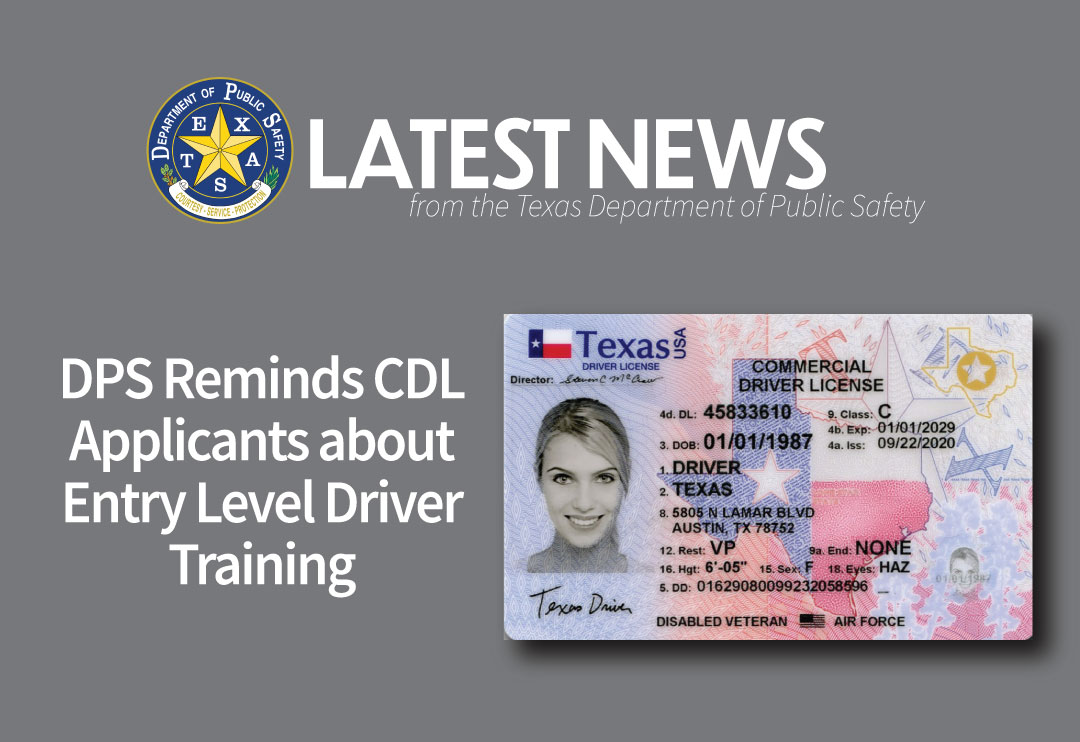
The Hazmat endorsement, officially known as the Hazardous Materials Endorsement (HME), is an add-on to a Commercial Driver’s License (CDL). It permits CDL holders to transport materials that are defined as hazardous under federal law. These materials can range from explosives and flammable liquids to radioactive substances and corrosive chemicals. The purpose of the endorsement is to ensure that drivers possess the knowledge and skills to prevent incidents, respond effectively if an emergency occurs, and comply with all relevant federal and state regulations.
What Constitutes “Hazardous Materials”?
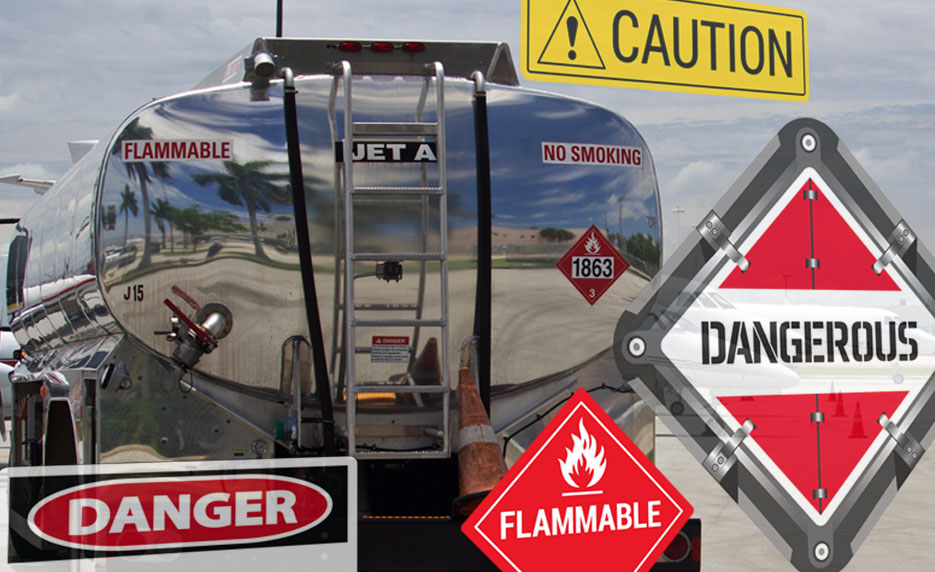
The U.S. Department of Transportation (DOT) categorizes hazardous materials into nine classes, each with specific handling, packaging, and transportation requirements. These classes include:
- Class 1: Explosives
- Class 2: Gases (flammable, non-flammable, and poisonous)
- Class 3: Flammable Liquids
- Class 4: Flammable Solids, spontaneous combustible materials, and dangerous when wet materials
- Class 5: Oxidizers and Organic Peroxides
- Class 6: Poisons and Toxic Materials, and infectious substances
- Class 7: Radioactive Materials
- Class 8: Corrosives
- Class 9: Miscellaneous Hazardous Materials
A driver with a Hazmat endorsement must be familiar with the risks associated with each class and the proper procedures for their safe transport. This includes understanding placarding requirements, shipping papers, emergency response information, and vehicle safety checks.
Why is it Crucial for Drivers in Texas?
Texas is a major hub for commerce and industry, with significant transportation networks supporting sectors like oil and gas, chemical manufacturing, and agriculture. Consequently, the demand for drivers qualified to transport hazardous materials is high. Companies in these sectors rely on a competent workforce to maintain safety and compliance, making the Hazmat endorsement a valuable credential for career advancement and employability. Beyond career benefits, it underscores a driver’s commitment to public safety and environmental protection.
The Application Process in Texas
Securing a Hazmat endorsement in Texas involves a multi-step process that ensures drivers meet federal and state requirements. This process is administered by the Texas Department of Public Safety (DPS) through its Driver License Division.
Step 1: Obtain or Possess a Valid CDL
Before applying for the Hazmat endorsement, you must hold a valid Commercial Driver’s License (CDL) issued by Texas. This means you have already met the foundational requirements for operating commercial vehicles, including passing the general knowledge test, commercial skills test, and any necessary endorsements or
restrictions for your base CDL.
Step 2: Complete TSA Security Threat Assessment
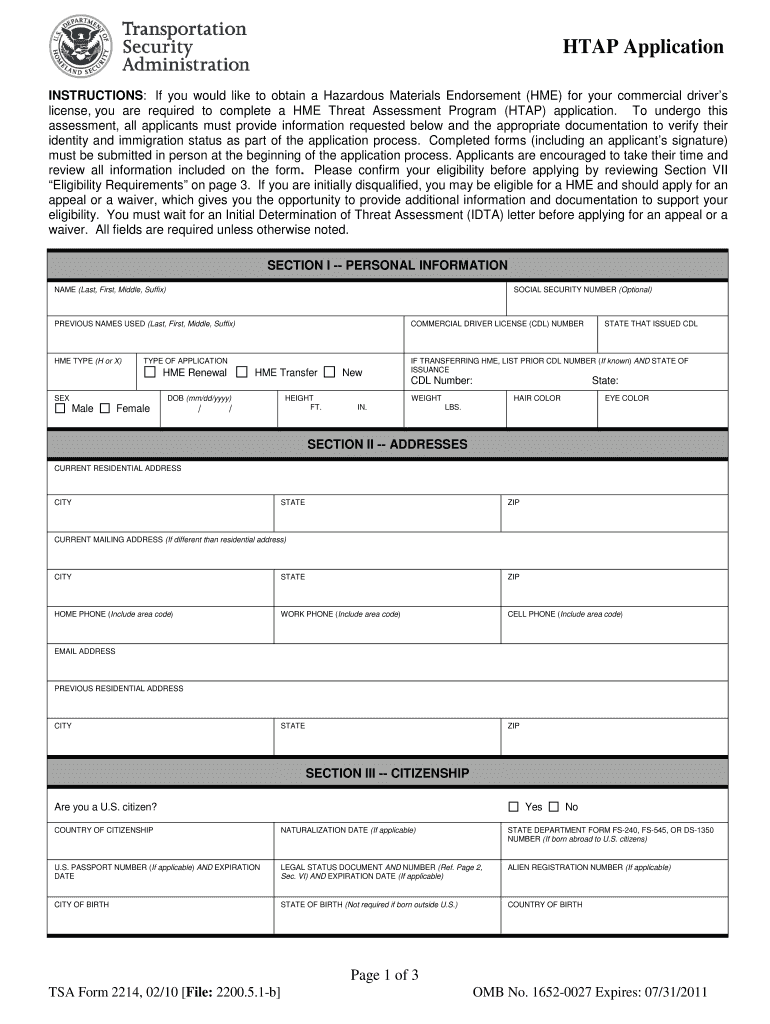
A critical component of the Hazmat endorsement process is the security threat assessment conducted by the Transportation Security Administration (TSA). This assessment aims to prevent individuals who may pose a security risk from obtaining the endorsement. The process typically involves:
- Background Check: This includes a fingerprint-based criminal history records check and a check of immigration status.
- Review of Records: The TSA will review various records to identify any disqualifying criminal offenses or other security concerns.
To initiate this process, you will need to register with the TSA’s Hazmat Endorsement Threat Assessment Program (HME TAP). This is often done online through the TSA website. You will need to provide personal information, including your Social Security number, date of birth, and driver’s license information.
Step 3: Pass the Hazmat Knowledge Test
Once your background check is cleared by the TSA, you will be eligible to take the Hazmat knowledge test. This is a written exam administered by the Texas DPS at authorized driver license stations. The test assesses your understanding of:
- Hazardous materials regulations: Including packaging, labeling, placarding, and shipping paper requirements.
- Emergency response procedures: How to act in case of spills, leaks, or accidents involving hazardous materials.
- Safety precautions: Specific measures to ensure the safe transport of different classes of hazardous materials.
- Vehicle safety: Pre-trip inspections and post-trip procedures relevant to hazmat transport.
It is highly recommended to study the Commercial Driver’s License Handbook, specifically the section on hazardous materials, to prepare for this test. Many drivers also find it beneficial to enroll in a Hazmat endorsement training course offered by private institutions. These courses can provide in-depth knowledge and practice tests to enhance your chances of passing.
Step 4: Complete a Medical Examination (If Not Already Current)
While not directly part of the Hazmat endorsement application itself, maintaining a current Federal Medical Examiner’s Certificate is a prerequisite for holding a CDL, and thus for obtaining the Hazmat endorsement. If your medical certificate is nearing expiration or has expired, you will need to undergo a medical examination by a certified Federal Motor Carrier Safety Administration (FMCSA) medical examiner. This ensures you meet the physical and mental health standards required to operate a commercial vehicle safely.
Step 5: Submit Application and Fees
After successfully passing the knowledge test and completing the TSA background check, you will need to submit your application for the Hazmat endorsement to the Texas DPS. This typically involves:
- Presenting Documentation: This includes your current CDL, proof of U.S. citizenship or legal residency, and the results of your TSA background check.
- Paying Fees: There are various fees associated with the Hazmat endorsement, including the knowledge test fee, endorsement fee, and TSA processing fees. These fees are subject to change, so it’s advisable to check the latest fee schedule on the Texas DPS website or at a driver license station.
Step 6: Receive Your Endorsement
Once all requirements are met and your application is approved, the Hazmat endorsement will be added to your CDL. This may involve receiving a new, updated CDL with the endorsement printed on it.
Key Considerations for Hazmat Drivers
Obtaining the Hazmat endorsement is a significant step, but continuous learning and adherence to best practices are essential for safe and compliant operation.
Training and Continuous Education
The nature of hazardous materials and their transportation regulations can change. Therefore, ongoing training and staying updated on the latest requirements are crucial. Many companies provide regular refresher courses for their hazmat drivers. Additionally, resources like the Pipeline and Hazardous Materials Safety Administration (PHMSA) website offer valuable information and updates.
Pre-Trip Inspections and Vehicle Maintenance
A thorough pre-trip inspection is paramount when transporting hazardous materials. This includes checking the vehicle for any leaks, ensuring all placards are correctly displayed, and verifying that the cargo is secured properly. Regular maintenance of the vehicle is also critical to prevent mechanical failures that could lead to an incident.
Emergency Preparedness
Drivers must be prepared to respond effectively in the event of an emergency. This includes:
- Knowing Emergency Response Information: Familiarizing yourself with the Emergency Response Guidebook (ERG) and understanding how to use it.
- Communication: Knowing how to contact emergency services and your company in case of an incident.
- Evacuation Procedures: Understanding when and how to evacuate yourself and others from the immediate vicinity of a spill or leak.
Compliance with Regulations
Adherence to all federal, state, and local regulations is non-negotiable. This includes:
- Shipping Papers: Ensuring all required documentation is present and accurate.
- Placarding: Correctly placarding the vehicle according to the materials being transported.
- Route Restrictions: Being aware of any route restrictions or hazardous material transport prohibitions.
Renewal Process
The Hazmat endorsement, like the CDL itself, requires periodic renewal. The TSA security threat assessment must typically be renewed every four or five years, depending on federal regulations. You will also need to re-take the Hazmat knowledge test periodically as mandated by the Texas DPS. Staying informed about the renewal timelines and requirements is essential to maintain your qualification.
By diligently following these steps and committing to continuous learning, commercial drivers in Texas can successfully obtain and maintain their Hazmat endorsement, contributing to safer transportation of hazardous materials across the state and beyond. This endorsement not only enhances career prospects but also signifies a dedication to responsible and safe driving practices.
LifeOutOfTheBox is a participant in the Amazon Services LLC Associates Program, an affiliate advertising program designed to provide a means for sites to earn advertising fees by advertising and linking to Amazon.com. Amazon, the Amazon logo, AmazonSupply, and the AmazonSupply logo are trademarks of Amazon.com, Inc. or its affiliates. As an Amazon Associate we earn affiliate commissions from qualifying purchases.