
As the vibrant energy of summer and the golden hues of autumn begin to recede, many travelers and locals alike ponder a fundamental question about the Windy City: when does it truly start getting cold in Chicago? This isn’t just a matter of casual curiosity; understanding Chicago’s seasonal temperature shifts is crucial for planning a comfortable visit, packing appropriately, and fully appreciating the unique experiences this world-class city offers year-round. While Chicago experiences distinct seasons, its transition into colder weather is a gradual but definitive process, marked by subtle shifts in the air, the landscape, and the very rhythm of city life.

The Gradual Descent: September’s Gentle Warning
September often serves as Chicago’s gentle introduction to cooler temperatures. While the early days of the month can still echo the warmth of August, the latter half typically brings a noticeable crispness to the air. Average daily temperatures begin their steady decline, and while you might still enjoy pleasant afternoons, the evenings and early mornings start to require a light jacket or sweater. This transitional period is a favorite among many, offering a comfortable climate for exploring outdoor attractions and enjoying the city’s renowned parks without the oppressive heat of midsummer.
Embracing the Autumnal Charm
The shift in temperature during September also heralds the arrival of autumn’s visual splendor. The leaves in Lincoln Park and along the Chicago Riverwalk begin to transform, painting the cityscape in rich reds, oranges, and yellows. This makes it an ideal time for scenic walks, bike rides, and visits to outdoor markets. The Magnificent Mile shopping district, often bustling in warmer months, becomes more amenable to leisurely strolls. Evenings might call for a cozy dinner at one of the city’s many excellent restaurants, perhaps with a glass of wine to complement the cooling air.
October: The Definitive Chill Arrives
By October, Chicago leaves little doubt that colder weather has arrived. The average daily temperatures drop significantly, and frost becomes a more common occurrence overnight. Days are characterized by a brisk, invigorating air, and while sunshine can still be abundant, it lacks the intensity of summer. This is the month when packing for Chicago requires more substantial layers, including a heavier jacket, a warm hat, and gloves.
Preparing for the Crispness
October in Chicago offers a unique set of attractions and activities that are perfectly suited to its cooler climate. It’s prime time for exploring the city’s world-class museums, such as the Art Institute of Chicago or the Museum of Science and Industry. Indoor entertainment venues, including theaters and music halls, become even more appealing. For those who still wish to brave the outdoors, a visit to the Navy Pier can still be enjoyable, provided one is dressed warmly. The city’s culinary scene truly shines in autumn, with hearty seasonal dishes and warm beverages becoming a welcome indulgence.
November: The Onset of Winter’s Grasp
November marks a more definitive transition into winter. Temperatures continue to fall, and the first snowfalls are not uncommon, particularly in the latter half of the month. The days become noticeably shorter, and the wind, a characteristic element of Chicago’s climate, can make the air feel even colder. By this point, visitors and residents alike are fully embracing winter attire, with heavy coats, scarves, and boots becoming essential.
Navigating the Early Winter
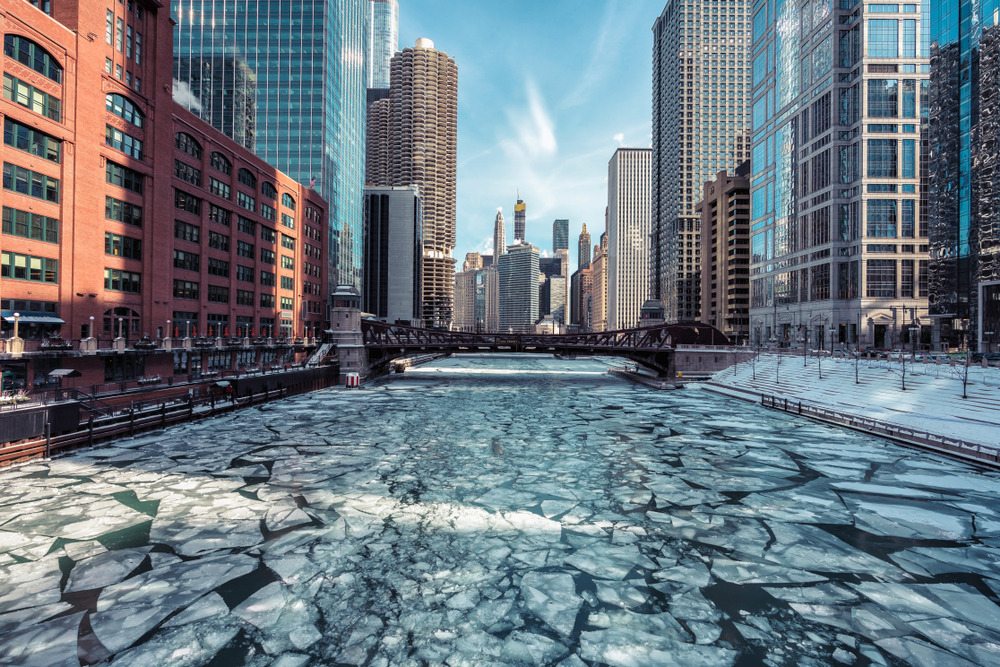
While the chill is palpable, November in Chicago is far from dormant. The city begins to prepare for the holiday season, with decorations starting to appear in key areas like the [Loop] and along Michigan Avenue. This is an excellent time to experience the city’s festive spirit before the peak holiday crowds arrive. Indoor activities remain paramount, but venturing out for brief periods to witness the emerging winter beauty can be rewarding. Consider a warm drink at a cozy cafe after a brisk walk along Lake Michigan, or perhaps an ice skating session at one of the outdoor rinks that begin to open.
December and Beyond: Embracing the Full Winter Experience
By December, Chicago is firmly in the grip of winter. Cold temperatures are the norm, and significant snowfall is expected. The city transforms into a winter wonderland, with festive lights and decorations creating a magical atmosphere. While outdoor activities become more limited and require careful preparation, the indoor offerings are plentiful and vibrant.
Winter Activities and Attractions
For those visiting or living in Chicago during these months, embracing the winter season is key to enjoying the city. Ice skating at Millennium Park or Maggie Daley Park is a quintessential Chicago winter experience. Warm up with hot chocolate from a local purveyor or enjoy the breathtaking views from high above at the Willis Tower Skydeck. The city’s holiday markets, such as the Christkindlmarket Chicago, offer unique gifts and German-inspired food and drinks, all within a festive, albeit chilly, outdoor setting. Indoor options abound, from Broadway shows at the Cadillac Palace Theatre to intimate jazz performances in the Green Mill Cocktail Lounge.
Factors Influencing Chicago’s Cold Snap
Several factors contribute to Chicago’s reputation for cold weather, making it a city that truly experiences the four seasons in their full glory. Understanding these influences can provide deeper insight into the timing and severity of its autumnal chill and winter onset.
Geographical Influences
Chicago’s location on the southwestern shore of Lake Michigan plays a significant role in its climate. While the lake moderates temperatures to some extent, it also contributes to the city’s notorious winds, often referred to as the “Windy City.” These winds can make even moderately cold temperatures feel significantly more biting, especially during the transitional months. Furthermore, Chicago’s position in the Midwest means it’s susceptible to cold air masses moving down from Canada, particularly in the late fall and winter.
Historical Weather Patterns
Examining historical weather data provides a clear picture of when the cold typically sets in. While daily variations can occur, average temperatures show a consistent trend. September, as mentioned, begins the descent, with average highs dropping from the mid-70s Fahrenheit in early September to the low 60s by month’s end. October sees average highs in the 50s and lows in the 40s. By November, average highs are in the 40s, and lows are in the 30s, with increasing chances of frost and snow. December solidifies winter, with average highs in the 30s and lows in the 20s. These patterns, while generalizations, offer reliable guidance for planning.

The Role of Climate Change
It’s also worth noting that like many cities worldwide, Chicago may experience subtle shifts in its climate patterns due to global warming. While the fundamental timing of seasonal transitions is likely to remain similar, there could be increased variability, with warmer or colder spells occurring with greater frequency or intensity. Travelers should always check current weather forecasts closer to their travel dates for the most accurate information.
In conclusion, while the precise day the cold arrives can fluctuate, the period from mid-September through October marks the definitive transition from warm to cool weather in Chicago. By November, the city is embracing winter, and December ushers in its full, often frosty, charm. Understanding these seasonal shifts allows visitors to better prepare for and appreciate the multifaceted beauty and experiences that Chicago has to offer across its distinct climate periods.
LifeOutOfTheBox is a participant in the Amazon Services LLC Associates Program, an affiliate advertising program designed to provide a means for sites to earn advertising fees by advertising and linking to Amazon.com. Amazon, the Amazon logo, AmazonSupply, and the AmazonSupply logo are trademarks of Amazon.com, Inc. or its affiliates. As an Amazon Associate we earn affiliate commissions from qualifying purchases.