
Embracing the vibrant lifestyle that Arizona offers, from its bustling cities like Phoenix and Tucson to its serene desert landscapes and mountain retreats like Flagstaff, requires proactive planning for every aspect of well-being. A crucial component of this planning for residents and long-term visitors alike is securing reliable health insurance. Navigating the healthcare system can seem complex, but understanding the options available in Arizona is key to maintaining peace of mind and ensuring access to necessary medical care as part of a secure and responsible lifestyle.
Understanding the Arizona Healthcare Landscape for a Stable Lifestyle
A stable and enjoyable lifestyle in Arizona is significantly bolstered by having a comprehensive health insurance plan. Whether you’re a long-time resident, a new transplant, or considering an extended stay, health coverage is not just a regulatory requirement for some, but a fundamental pillar of personal security and financial stability.

The Importance of Health Coverage in Arizona
Arizona’s diverse environment, from its hot summers to its active outdoor scene, means that unexpected health events can arise. Without adequate health insurance, even minor medical issues can lead to substantial financial burdens, impacting your ability to enjoy the Arizona lifestyle to its fullest. Major illnesses or accidents can be financially devastating, highlighting the critical role insurance plays in protecting your assets and ensuring access to quality care without undue stress. For those pursuing active lifestyles, or families settling into communities like Mesa or Scottsdale, knowing that medical needs are covered provides invaluable comfort.
Key Options for Coverage
In Arizona, individuals and families have several primary avenues for obtaining health insurance:
- The Health Insurance Marketplace: Established under the Affordable Care Act (ACA), this online platform (HealthCare.gov) allows individuals to compare and enroll in private health insurance plans, often with financial assistance.
- Government-Sponsored Programs: This includes Arizona Health Care Cost Containment System (AHCCCS), the state’s Medicaid program, Medicare for seniors and qualifying individuals, and the Children’s Health Insurance Program (CHIP).
- Employer-Sponsored Plans: Many Arizonans receive health insurance through their jobs, often with significant contributions from their employers.
- Direct from Insurance Carriers: Some individuals may purchase plans directly from private insurance companies outside the Marketplace, though they may miss out on ACA subsidies.
Understanding these options is the first step toward aligning your health coverage with your personal lifestyle needs in Arizona.
Navigating the Health Insurance Marketplace
The Health Insurance Marketplace, accessible through HealthCare.gov, is a primary resource for individuals and families in Arizona seeking health insurance. It’s designed to make shopping for health plans more transparent and affordable, particularly for those who don’t have employer-sponsored coverage.
The Open Enrollment Period
The main window for enrolling in a health plan through the Marketplace is during the Open Enrollment Period (OEP). This period typically runs from November 1st to January 15th each year for coverage beginning the following year. During OEP, anyone can apply for new coverage or change their existing plan without needing a qualifying life event. It’s a critical time for Arizonans to review their current health needs and financial situation to ensure their plan continues to support their lifestyle. Missing the OEP generally means you’ll have to wait until the next year, unless you qualify for a Special Enrollment Period.
Special Enrollment Periods (SEPs)
Outside of the Open Enrollment Period, you can only enroll in or change a Marketplace plan if you qualify for a Special Enrollment Period (SEP). SEPs are triggered by certain life events that impact your insurance status or family size. Common qualifying life events include:
- Losing existing health coverage: This could be due to job loss, divorce, or aging off a parent’s plan.
- Changes in household size: Getting married, having a baby, or adopting a child.
- Moving: Relocating to a new county or state that offers different health plans. This is particularly relevant for those moving into Arizona or between its diverse regions.
- Changes in income: If your income changes and affects your eligibility for subsidies.
- Becoming a U.S. citizen or lawfully present individual.
It’s crucial to report these events promptly to HealthCare.gov, as most SEPs require you to enroll within 60 days of the qualifying event.
Types of Plans Available on the Marketplace
The ACA Marketplace offers different categories of plans, often referred to as “metal levels,” which reflect the percentage of costs the plan covers:
- Bronze plans: Cover approximately 60% of costs, with you paying 40%. They have lower monthly premiums but higher deductibles.
- Silver plans: Cover approximately 70% of costs, with you paying 30%. They have moderate premiums and deductibles. Crucially, cost-sharing reductions (extra savings on deductibles, copayments, and out-of-pocket maximums) are only available with Silver plans for those who qualify based on income.
- Gold plans: Cover approximately 80% of costs, with you paying 20%. They have higher monthly premiums but lower deductibles.
- Platinum plans: Cover approximately 90% of costs, with you paying 10%. They have the highest monthly premiums but the lowest deductibles and out-of-pocket costs.
- Catastrophic plans: Available to those under 30 or with a hardship exemption, these plans have very high deductibles and are primarily designed to protect against worst-case scenarios, not routine care.
Choosing the right metal level depends on your expected healthcare needs and financial comfort. If you anticipate frequent doctor visits or need regular prescriptions, a Gold or Platinum plan might offer better value despite higher premiums. If you’re generally healthy and prefer lower monthly costs, a Bronze or Silver plan might suffice.
Exploring Government-Sponsored Programs
Beyond the Marketplace, Arizona provides several robust government-funded health insurance programs designed to assist specific populations, ensuring that even those with limited resources can access essential healthcare services. These programs are vital for supporting a diverse and healthy lifestyle across the state.
AHCCCS: Arizona’s Medicaid Program
The Arizona Health Care Cost Containment System (AHCCCS) is Arizona’s Medicaid program. It provides low-cost or free health insurance to eligible low-income individuals and families, pregnant women, children, and people with disabilities. Eligibility for AHCCCS is primarily based on income relative to the Federal Poverty Level (FPL), though other factors like household size and disability status also play a role. Enrollment in AHCCCS is open year-round, unlike the ACA Marketplace, making it a critical safety net for those in need. For many Arizonans, AHCCCS is foundational to maintaining a healthy and stable lifestyle without the burden of overwhelming medical expenses.
Medicare for Seniors and Eligible Individuals
Medicare is the federal health insurance program primarily for people aged 65 or older, and for younger people with certain disabilities or end-stage renal disease. It consists of several parts:
- Part A (Hospital Insurance): Covers inpatient hospital stays, skilled nursing facility care, hospice care, and some home health care.
- Part B (Medical Insurance): Covers certain doctors’ services, outpatient care, medical supplies, and preventive services.
- Part C (Medicare Advantage): An alternative to original Medicare, offered by private companies approved by Medicare. These plans combine Part A and B, often include Part D (prescription drug coverage), and may offer extra benefits.
- Part D (Prescription Drug Coverage): Helps cover the cost of prescription drugs, available through private plans that contract with Medicare.
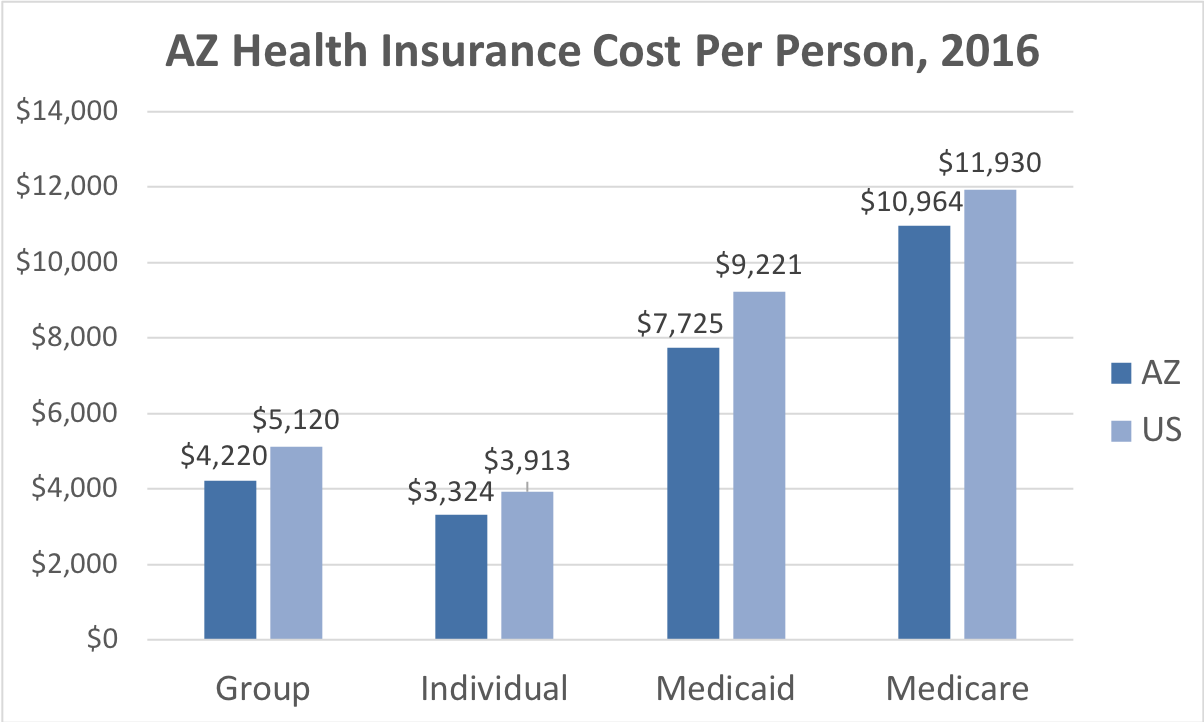
For retirees and eligible individuals living in Arizona, understanding Medicare options is vital for securing comprehensive healthcare coverage and maintaining their desired lifestyle in their golden years.
CHIP for Children and Pregnant Women
The Children’s Health Insurance Program (CHIP) in Arizona provides low-cost health coverage for children in families who earn too much to qualify for AHCCCS but cannot afford private insurance. Some pregnant women may also qualify. CHIP is administered through AHCCCS and ensures that the youngest Arizonans have access to vital medical, dental, and vision care, contributing to the overall health and well-being of families throughout the state.
Other Avenues for Health Coverage
While the Marketplace and government programs are significant resources, several other avenues can lead to suitable health insurance coverage, catering to different lifestyle circumstances and employment situations in Arizona.
Employer-Sponsored Plans
For many working Arizonans, health insurance is provided through their employer. These plans are often comprehensive and can be a cost-effective option, as employers typically contribute a significant portion of the premium. If you are employed, inquire about your company’s benefits package. This is often the most straightforward path to health insurance for individuals and families maintaining a working lifestyle.
Short-Term Health Insurance
Short-term health insurance plans are available in Arizona and can provide temporary coverage for periods between other plans, such as when transitioning between jobs or waiting for Medicare or ACA coverage to begin. It’s important to understand that short-term health insurance plans are generally not ACA-compliant, meaning they do not cover essential health benefits, may not cover pre-existing conditions, and do not qualify for subsidies. They offer a temporary safety net but should not be considered a long-term solution for maintaining a secure lifestyle.
COBRA Continuation Coverage
If you lose your job or experience certain other qualifying events, the Consolidated Omnibus Budget Reconciliation Act (COBRA) allows you to continue your health coverage from a former employer’s plan for a limited time, usually 18 months. While beneficial for maintaining continuity of care, COBRA can be expensive as you typically pay the full premium plus an administrative fee. It can be a vital bridge, however, during times of career transition, preventing gaps in coverage that could impact your lifestyle.
Direct from Insurance Carriers
You can also purchase health insurance directly from private insurance companies in Arizona outside of the HealthCare.gov Marketplace. While this offers flexibility, it’s essential to note that plans purchased directly from carriers generally do not qualify for premium tax credits or cost-sharing reductions available through the Marketplace, potentially making them more expensive for those who would otherwise qualify for subsidies. However, for individuals who do not qualify for subsidies or prefer specific plan offerings not available on the Marketplace, this can be a viable option.
Essential Considerations When Choosing a Plan
Selecting the right health insurance plan in Arizona goes beyond just finding coverage; it’s about aligning your healthcare needs with your lifestyle and financial capacity. A thoughtful choice ensures that your health insurance genuinely supports your well-being and allows you to fully enjoy what Arizona has to offer.
Network and Provider Access
One of the most critical aspects of any health plan is its network of doctors, hospitals, and specialists. Living in Arizona, whether in a metropolitan area like Phoenix or a more rural setting, means you need access to healthcare providers that are convenient and meet your needs.
- HMO (Health Maintenance Organization) plans: Typically have lower premiums but require you to choose a primary care physician (PCP) within the network and get referrals for specialists.
- PPO (Preferred Provider Organization) plans: Offer more flexibility, allowing you to see out-of-network providers (though at a higher cost) and usually not requiring referrals for specialists.
- EPO (Exclusive Provider Organization) plans: Similar to HMOs in network restrictions but don’t typically require a PCP referral for specialists within the network.
Ensure that your preferred doctors, hospitals, and any specialists you regularly see are part of the plan’s network before enrolling. This is particularly vital for those with ongoing health conditions that are part of their daily lifestyle.
Costs: Premiums, Deductibles, Copays, and Out-of-Pocket Maximums
Understanding the full financial commitment of a health insurance plan is paramount.
- Premium: The monthly payment you make to keep your coverage.
- Deductible: The amount you must pay out-of-pocket for covered services before your insurance plan starts to pay.
- Copayment (Copay): A fixed amount you pay for a covered healthcare service after you’ve paid your deductible.
- Coinsurance: Your share of the cost for a covered healthcare service, calculated as a percentage (e.g., 20% of the allowed amount) after you’ve met your deductible.
- Out-of-pocket maximum: The most you’ll have to pay for covered services in a plan year. Once you reach this limit, your plan pays 100% of the costs for covered benefits.
Balance lower premiums with potentially higher deductibles and vice versa, considering your typical healthcare usage and financial comfort level. For an active Arizona lifestyle, potential accident scenarios might make a plan with a lower out-of-pocket maximum more appealing.
Prescription Drug Coverage
If you rely on prescription medications, thoroughly check the plan’s formulary (list of covered drugs) to ensure your specific medications are included and at what cost-sharing tier. Generic drugs are usually less expensive than brand-name drugs, and some plans may have separate deductibles or formularies for prescription coverage.

Understanding Your Lifestyle Needs
Ultimately, the best health insurance plan for you in Arizona is one that fits your unique lifestyle. Are you an outdoor enthusiast who needs robust coverage for potential injuries? Are you managing a chronic condition that requires frequent specialist visits and medications? Are you planning to start a family? Your personal circumstances, financial situation, and health priorities should guide your decision. Take the time to compare plans, ask questions, and utilize resources like HealthCare.gov’s comparison tools or a local health insurance broker to make an informed choice that safeguards your health and enhances your Arizona lifestyle.
LifeOutOfTheBox is a participant in the Amazon Services LLC Associates Program, an affiliate advertising program designed to provide a means for sites to earn advertising fees by advertising and linking to Amazon.com. Amazon, the Amazon logo, AmazonSupply, and the AmazonSupply logo are trademarks of Amazon.com, Inc. or its affiliates. As an Amazon Associate we earn affiliate commissions from qualifying purchases.