
Navigating the vibrant landscapes and diverse communities of California often requires the freedom and flexibility that only a driver’s license can provide. Whether you’re relocating to the Golden State, planning an extended stay, or simply seeking to enhance your mobility for business or leisure, obtaining a California driver’s license is a crucial step. This guide outlines the comprehensive process, designed to streamline your journey and integrate seamlessly into your lifestyle.
Navigating the California Driver’s License Landscape
A California driver’s license isn’t just a piece of plastic; it’s a gateway to independence, allowing you to explore everything from the bustling streets of Los Angeles to the serene beauty of the Redwood National Park. Understanding the specifics of the state’s licensing system is the first step towards acquiring this essential document.
Why a California License is Essential for Your Lifestyle
For many, a driver’s license represents more than just a legal permit to operate a vehicle; it embodies a lifestyle of autonomy. In a state as vast and geographically diverse as California, public transportation, while robust in major urban centers like San Francisco or Oakland, doesn’t always cater to every need or destination. A California driver’s license unlocks the ability to commute independently, embark on spontaneous road trips along Pacific Coast Highway, visit remote natural wonders, or simply manage daily errands with greater efficiency. For new residents, it also serves as a primary form of identification, simplifying everything from banking to air travel (especially with a REAL ID compliant license).
Understanding Different License Classes
The California Department of Motor Vehicles (DMV) offers various classes of driver’s licenses, each tailored to specific vehicle types and purposes. For most individuals, the Class C non-commercial license is the standard, allowing you to operate a typical passenger vehicle, light trucks, and vans. However, it’s prudent to be aware of others:
- Class C (Non-Commercial): The most common license for operating regular passenger vehicles.
- Class M1/M2 (Motorcycle): For motorcycles, motor-driven cycles, and mopeds. M1 covers all two-wheel vehicles, while M2 is limited to mopeds and motor-driven cycles.
- Commercial Licenses (Class A, B, C): Required for operating large or specialized vehicles such as tractor-trailers, buses, or hazmat carriers.
Ensure you identify the correct class for your needs, as the application and testing requirements may vary.
Who Qualifies for a California License?
Generally, any California resident aged 18 or older who meets the necessary legal and physical requirements can apply for a driver’s license. Minors between 16 and 18 years old can apply for a provisional license, subject to specific educational and supervised driving requirements. Importantly, California does not discriminate based on immigration status, meaning undocumented residents are also eligible to apply for a driver’s license under Assembly Bill (AB) 60, provided they meet all other requirements.
The Step-by-Step Application Journey
Obtaining your California driver’s license involves a structured process that, while requiring diligence, is straightforward when approached systematically.
Gathering Required Documents: The REAL ID Checklist
Preparation is paramount. Before even setting foot in a DMV office, compile all necessary documents. Since October 1, 2021, all California driver’s licenses and identification cards are REAL ID compliant unless you specifically opt for a Federal Non-Compliant card. For a REAL ID, you’ll generally need:
- Proof of Identity: One document such as an original or certified U.S. birth certificate, valid U.S. passport, or unexpired foreign passport with valid U.S. visa and approved I-94 form.
- Proof of Social Security Number (SSN): Your Social Security card, W-2 form, or a pay stub with your full SSN.
- Proof of California Residency: Two different documents showing your name and California address. Examples include utility bills, rental agreements, mortgage statements, or bank statements.
- Completed Driver License or ID Card Application (DL 44): This can be filled out online in advance at the DMV website, which can save time.
Having these documents ready will prevent multiple trips to the DMV.
Scheduling Your Department of Motor Vehicles Appointment
While walk-ins are sometimes accommodated, scheduling an appointment online via the DMV’s website is highly recommended. This significantly reduces wait times and ensures you can be seen on your preferred date and time. Appointments are typically available for written tests, vision tests, and behind-the-wheel tests.
Mastering the Knowledge and Vision Tests
Upon arrival at the DMV (with your appointment and documents), you’ll pay the application fee. Then, you’ll undergo:
- Vision Test: A simple test to ensure your eyesight meets the minimum standards for driving. You may need to provide proof of corrective lenses if you use them.
- Knowledge Test: This multiple-choice test assesses your understanding of California traffic laws, road signs, and safe driving practices. The test is available in multiple languages, and a passing score is typically 80% or higher. Studying the official California Driver Handbook is crucial for success.
Upon passing both tests, you’ll be issued a temporary permit, allowing you to practice driving with a licensed adult (25 years or older) in the vehicle.
Conquering the Behind-the-Wheel Driving Test
This is often the most nerve-wracking part for new drivers. The driving test evaluates your ability to safely operate a vehicle and obey traffic laws. You’ll need to:
- Provide a Roadworthy Vehicle: The vehicle must be registered, insured, and in safe operating condition. It must also have a functional brake pedal accessible to the examiner.
- Bring a Licensed Driver: Someone with a valid California driver’s license (25 years or older) must accompany you to the DMV for the test.
- Demonstrate Basic Skills: The examiner will assess your ability to perform maneuvers such as turns, lane changes, stops, and parking, as well as your overall awareness of traffic and adherence to signs and signals.
If you pass, you’ll receive an interim license immediately, with your permanent card mailed to you within a few weeks. If you don’t pass, you’ll have additional attempts after a waiting period and paying a retest fee.
Special Scenarios for Diverse Applicants
The DMV recognizes that not all applicants come from the same background, offering specific procedures for various situations.
Transitioning from an Out-of-State License
If you’ve recently moved to California and hold a valid driver’s license from another U.S. state or territory, you generally don’t need to take the behind-the-wheel driving test. You will still need to complete the application process, provide proof of identity and residency, pass the vision test, and pass the knowledge test. It’s advisable to obtain your California license promptly after establishing residency.
International Drivers and Temporary Visitors
Visitors from other countries with valid driver’s licenses are permitted to drive in California for up to one year from their entry date. After that, or if they become a resident, they must obtain a California driver’s license. The process for international drivers is similar to that for new drivers, including the knowledge and behind-the-wheel tests. An International Driving Permit (IDP) is recommended but not required for driving with your foreign license; it simply provides a translation of your license.
Minors and Provisional Licenses
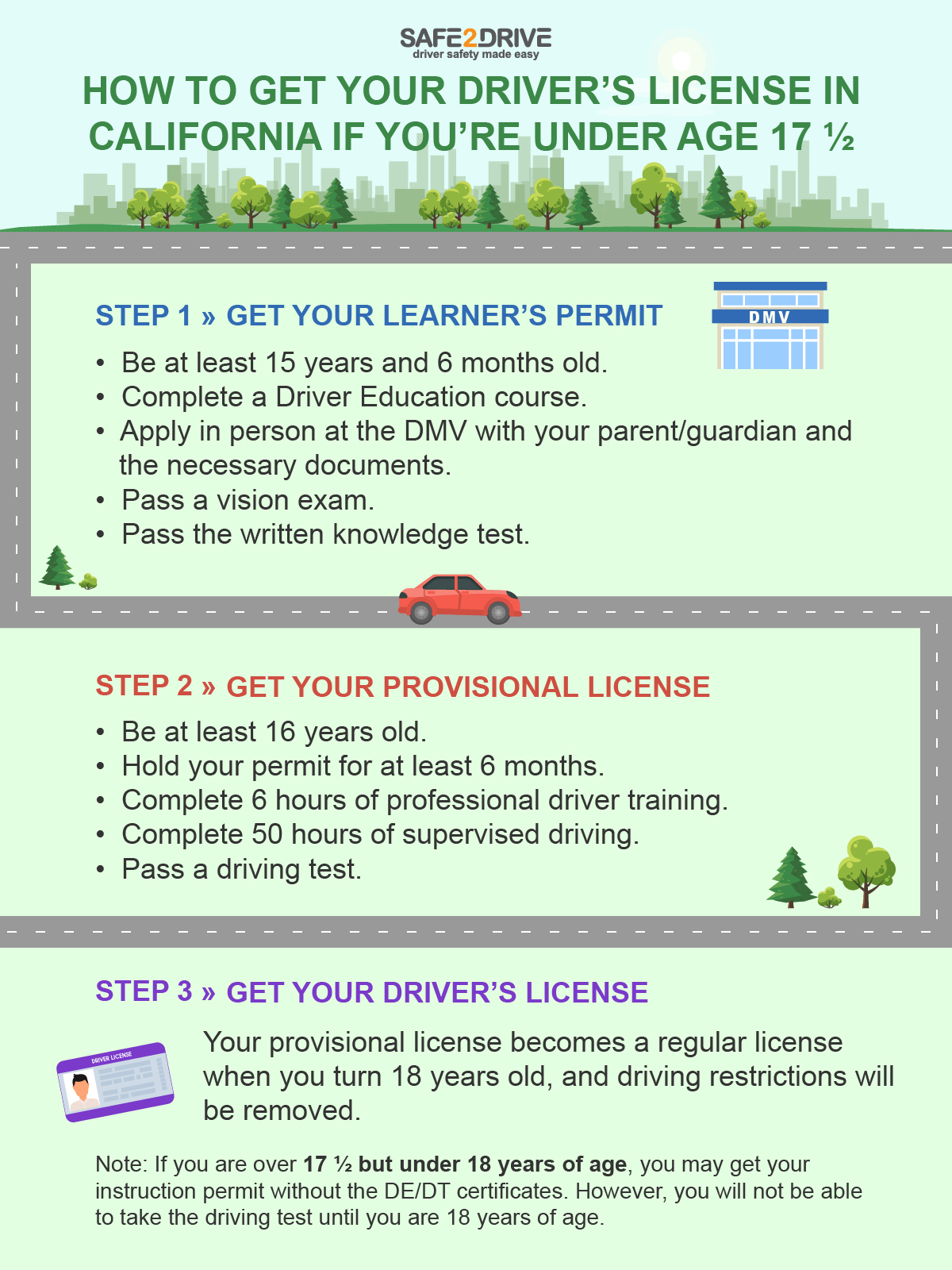
For applicants under 18, California has a Graduated Driver Licensing (GDL) program. This involves:
- Provisional Permit: After passing the knowledge and vision tests, a minor receives a provisional permit, requiring at least 50 hours of supervised driving (10 at night) with a licensed adult over 25.
- Driver Education and Training: Completion of a driver education course (30 hours classroom or online) and six hours of professional driver training is mandatory.
- Provisional License: After holding the permit for at least six months and meeting all requirements, the minor can take the driving test. The provisional license comes with restrictions (e.g., no driving between 11 PM and 5 AM, no passengers under 20 without a licensed adult) for the first 12 months.
Strategies for a Seamless Department of Motor Vehicles Experience
The DMV can be intimidating, but with the right approach, your experience can be much smoother.
Leveraging Online Resources and Handbooks
The official California Driver Handbook is your bible. Read it thoroughly, paying close attention to traffic laws, road signs, and critical driving situations. The DMV website also offers practice tests and comprehensive FAQs that clarify various scenarios. Utilize these online tools to your advantage before visiting a physical office.
Practical Driving Preparation
Beyond theoretical knowledge, practical experience is key. Practice driving in various conditions, including different types of roads, traffic levels, and weather. Focus on mastering basic maneuvers, defensive driving techniques, and situational awareness. Consider professional driving lessons, especially if you’re new to driving or California’s specific road rules.
What to Expect on Test Day
Arrive early for your driving test appointment. Ensure your vehicle is clean, organized, and has working signals, brakes, and mirrors. Be polite and courteous to your examiner. Listen carefully to instructions, ask for clarification if needed, and demonstrate confidence and calm. Remember to check mirrors, signal properly, and maintain safe following distances.
Avoiding Common Pitfalls
Common mistakes include failing to signal, rolling through stop signs, improper lane changes, or hitting curbs during parking maneuvers. Practice these specific areas. Also, ensure all required documents are in order and your vehicle meets all safety requirements to avoid immediate disqualification before the test even begins.
Beyond the Test: Maintaining Your Driving Privileges
Obtaining your California driver’s license is a significant achievement, but it’s just the beginning of responsible driving.
Understanding License Renewal Policies
California driver’s licenses typically expire on your birthday, five years after the issue date. You’ll receive a renewal notice in the mail. Many renewals can be processed online, by mail, or in person, often without needing to retake the knowledge or driving tests, unless there are specific circumstances (e.g., age, a significant number of traffic violations). Always keep your contact information updated with the DMV to ensure you receive renewal notices.
Adapting to California Driving Laws
California has specific laws that may differ from other states or countries. These include:
- “Move Over” Law: Drivers must move over a lane or slow down when passing emergency vehicles or tow trucks stopped on the shoulder.
- “Basic Speed Law”: Never drive faster than is safe for current conditions, regardless of the posted speed limit.
- Cell Phone Use: Hands-free devices are mandatory for all adult drivers, and drivers under 18 are prohibited from using any electronic device, even hands-free.
Familiarizing yourself with these nuances contributes to safer driving and avoids unnecessary citations.
The Freedom and Responsibility of Your New License
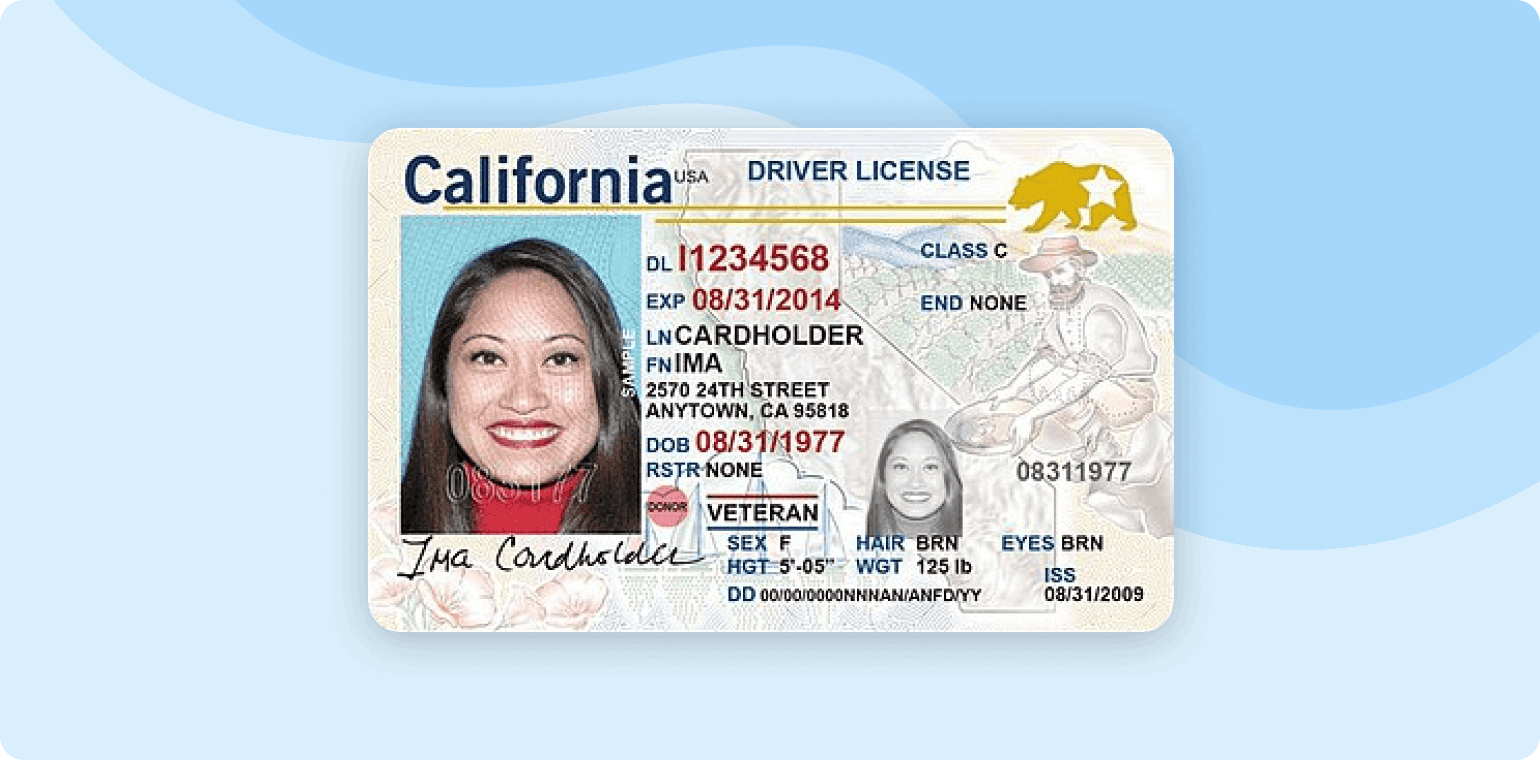
With your California driver’s license in hand, you gain unparalleled freedom to explore the state’s natural beauty, vibrant cities, and countless opportunities. Embrace this newfound independence responsibly. Drive defensively, obey all traffic laws, and prioritize the safety of yourself and others on the road. Your license is a testament to your capability and commitment to a thriving lifestyle in California.
LifeOutOfTheBox is a participant in the Amazon Services LLC Associates Program, an affiliate advertising program designed to provide a means for sites to earn advertising fees by advertising and linking to Amazon.com. Amazon, the Amazon logo, AmazonSupply, and the AmazonSupply logo are trademarks of Amazon.com, Inc. or its affiliates. As an Amazon Associate we earn affiliate commissions from qualifying purchases.