
Florida has long been a magnet for entrepreneurs, small business owners, and those seeking a dynamic environment to build their dreams. With its favorable tax climate, growing economy, and attractive quality of life, the Sunshine State offers an ideal backdrop for establishing a business. For many, the first and most crucial step in this journey is forming a Limited Liability Company (LLC). An LLC provides a flexible business structure that blends the personal liability protection of a corporation with the pass-through taxation benefits of a partnership or sole proprietorship, making it an excellent choice for a wide array of ventures, from e-commerce to consulting, real estate, and local services.
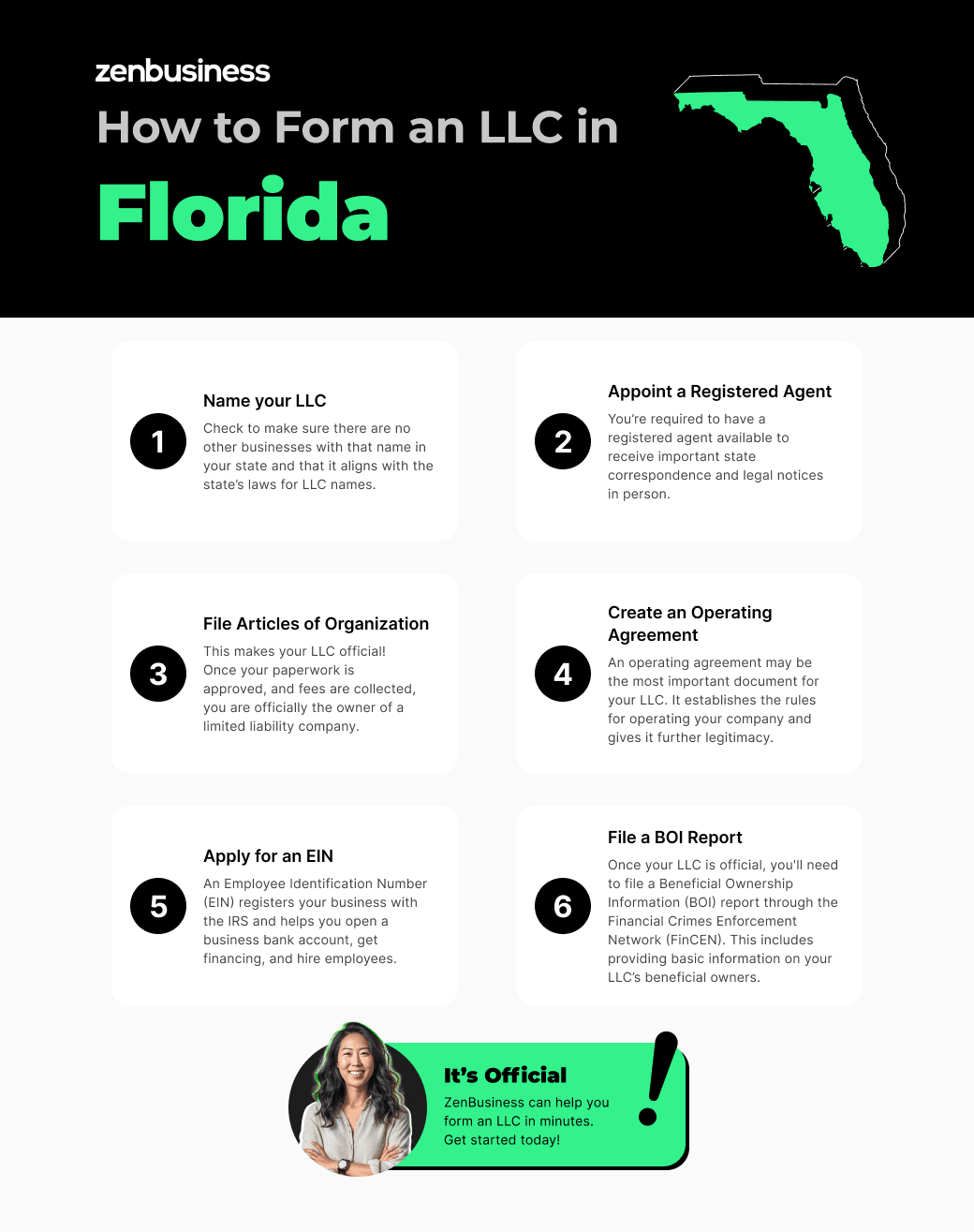
This comprehensive guide will walk you through the precise steps required to establish your LLC in Florida. Whether you’re a seasoned entrepreneur or embarking on your first business endeavor, understanding this process is vital for ensuring your venture is legally sound, financially efficient, and poised for growth within Florida’s thriving business landscape.
The Strategic Advantage of an LLC in Florida for Your Lifestyle Business
Choosing the right legal structure for your business is more than a bureaucratic formality; it’s a strategic decision that impacts liability, taxation, and operational flexibility. For entrepreneurs dreaming of a Florida lifestyle – perhaps one that combines work with leisure, or leverages the state’s vibrant tourism and business environment – an LLC offers compelling advantages. It allows business owners to protect their personal assets while benefiting from the simplicity often desired by those seeking a balanced, entrepreneurial life.
Understanding the LLC Structure
At its core, an LLC is a hybrid business entity that combines elements of corporations and partnerships/sole proprietorships. It’s renowned for its simplicity, flexibility, and, most importantly, the protection it offers its owners. Unlike a sole proprietorship or partnership, where the owner’s personal assets are not distinct from the business’s, an LLC creates a legal separation. This means that if the business incurs debt or faces a lawsuit, the owners’ personal assets (like homes, cars, and personal bank accounts) are typically shielded, making it an attractive option for risk-averse entrepreneurs.
Key Benefits for Entrepreneurs and Small Businesses
The allure of the LLC for the modern entrepreneur, especially those building businesses around their desired lifestyle in Florida, stems from several key benefits:
- Limited Personal Liability: This is arguably the most significant advantage. Members (owners) of an LLC are generally not personally responsible for the company’s debts or legal liabilities. This protection allows entrepreneurs to take calculated risks without jeopardizing their personal wealth.
- Flexible Taxation: By default, the Internal Revenue Service (IRS) treats an LLC as a pass-through entity. This means profits and losses are passed through to the owners’ personal tax returns, avoiding the “double taxation” corporate structures can face. LLCs can also elect to be taxed as an S-Corporation or C-Corporation, offering strategic tax planning opportunities depending on the business’s profitability and structure.
- Operational Flexibility: LLCs offer greater flexibility in management structure compared to corporations. They can be managed by their members (member-managed) or by appointed managers (manager-managed), allowing for tailored operational control that suits the lifestyle and scale of the business.
- Credibility and Professionalism: Operating as an LLC can enhance your business’s credibility in the eyes of customers, suppliers, and potential investors. It signals a serious, formally established entity, which can be particularly beneficial in competitive markets.
Why Florida Appeals to LLC Owners
Florida’s business environment complements the advantages of an LLC perfectly:
- No State Income Tax: Florida is one of the few states that does not impose a personal state income tax. While LLCs are pass-through entities, this still translates to significant savings for business owners by reducing the overall tax burden on their earnings.
- Business-Friendly Policies: The state actively promotes business growth through various incentives and a streamlined regulatory environment, making it easier to start and operate a company.
- Vibrant Economy and Market Access: With a booming population and a strong tourism industry, Florida offers diverse markets and opportunities for virtually any type of business.
Step-by-Step Guide to Forming Your Florida LLC
The process of forming an LLC in Florida is straightforward but requires careful attention to detail. Following these steps will ensure your business is properly registered and compliant from day one.
Choose a Unique Business Name
Your LLC needs a name that is distinguishable from other entities already registered with the Florida Department of State. The name must also include the words “Limited Liability Company,” “L.L.C.,” or “LLC.”
- Search for Availability: Use the Florida Department of State’s Division of Corporations website to perform a business name search. This ensures your chosen name isn’t already in use.
- Reserve Your Name (Optional): If you’re not ready to file your Articles of Organization immediately but want to secure your desired name, you can reserve it for up to 120 days by filing a “Request for Name Reservation.”
Appoint a Registered Agent
Every Florida LLC is legally required to have a registered agent. This individual or entity acts as your business’s official point of contact for receiving legal documents, state correspondence, and service of process.
- Requirements: A registered agent must have a physical street address in Florida (not a P.O. box) and be available during normal business hours. You can serve as your own registered agent if you meet these criteria, or you can appoint an individual or a professional registered agent service.
- Importance: Choosing a reliable registered agent is critical to ensure you receive important legal and tax notices promptly. Failure to maintain a registered agent can lead to fines or even administrative dissolution of your LLC.
File Your Articles of Organization with the Florida Department of State
This is the foundational legal document that officially creates your Florida LLC.
- Content: The Articles of Organization will typically include:
- The name of your LLC.
- The name and street address of your registered agent.
- The effective date of the LLC (can be up to five business days after filing).
- The names and addresses of the managers or authorized representatives if the LLC is manager-managed.
- Filing Method: You can file your Articles of Organization online through the Division of Corporations website or by mail. Online filing is generally faster.
- Fees: There is a state filing fee for the Articles of Organization and an additional fee for registered agent designation.
Create an Operating Agreement
While Florida law does not legally mandate an Operating Agreement, it is an absolutely critical document that every LLC should have, regardless of the number of members.

- Purpose: An Operating Agreement serves as an internal governing document, outlining the rights and responsibilities of members, how profits and losses will be allocated, decision-making processes, what happens if a member leaves, and other essential operational details.
- Protection: For single-member LLCs, an Operating Agreement helps demonstrate the separateness of the business from the owner, bolstering personal liability protection. For multi-member LLCs, it prevents future disputes by clearly defining roles and procedures.
Obtain an Employer Identification Number (EIN)
An Employer Identification Number (EIN), also known as a Federal Tax Identification Number, is like a Social Security number for your business.
- When It’s Needed: You will need an EIN if your LLC has more than one member, if it plans to hire employees, or if it elects to be taxed as a corporation instead of a disregarded entity (for single-member LLCs) or partnership. Even single-member LLCs without employees often get an EIN for banking purposes.
- How to Get One: You can apply for an EIN for free directly from the Internal Revenue Service (IRS) website. The online application is typically the fastest method.
Post-Formation Compliance and Ongoing Management
Forming your LLC is just the beginning. To maintain its legal standing and benefit from its protections, ongoing compliance and diligent management are essential. This is particularly relevant for lifestyle businesses, where the freedom and flexibility of operations depend heavily on staying organized and compliant.
Understanding Florida Annual Report Requirements
Florida LLCs are required to file an annual report with the Florida Department of State to keep their information current.
- Filing Period: The annual report must be filed between January 1st and May 1st each year.
- Consequences of Non-Filing: Failure to file the annual report by the May 1st deadline will result in a late fee and eventually lead to the administrative dissolution of your LLC, causing it to lose its good standing and liability protection.
Navigating State and Local Licenses and Permits
Depending on the nature of your business and its location within Florida, you may need additional licenses and permits.
- State-Specific Licenses: Certain professions (e.g., real estate brokers, contractors) require state-issued professional licenses.
- Local Permits: Cities and counties often require local business tax receipts (formerly occupational licenses) and other permits (e.g., zoning, health, fire) depending on the business activity and physical location.
- Research is Key: It’s crucial to research the specific requirements for your industry and location. Resources like the Florida Small Business Development Center (SBDC) can be invaluable.
Separating Business and Personal Finances
To fully leverage the liability protection an LLC provides, it is paramount to maintain a clear separation between your business and personal finances.
- Open a Business Bank Account: As soon as your LLC is formed and you have your EIN, open a dedicated business bank account.
- Avoid Commingling Funds: Never mix personal and business funds. All business income and expenses should flow through the business account. This practice reinforces the LLC’s separate legal identity and protects against “piercing the corporate veil” in legal challenges.
Tax Implications for Your Florida LLC
While Florida doesn’t have a state income tax, LLCs are still subject to federal taxes and potentially other state-specific taxes.
- Federal Taxes: As a pass-through entity, LLC profits are reported on the owners’ personal federal tax returns. If you elect S-Corp or C-Corp taxation, the filing requirements will change.
- Sales Tax: If your business sells taxable goods or services in Florida, you will need to register with the Florida Department of Revenue to collect and remit sales tax.
- Payroll Taxes: If your LLC has employees, you’ll be responsible for federal and state payroll taxes.
Common Pitfalls and Expert Tips for Success
Navigating the entrepreneurial landscape in Florida with an LLC can be incredibly rewarding. However, being aware of common missteps and knowing when to seek professional help can save you time, money, and stress, ensuring your business thrives within your desired lifestyle.
Avoiding Common Mistakes
- Neglecting the Operating Agreement: As highlighted, this document is vital. Without it, state default rules will govern your LLC, which may not align with your intentions.
- Forgetting Annual Reports: Missing the May 1st deadline for the annual report can lead to significant penalties and the loss of good standing, undermining your liability protection.
- Commingling Funds: Treating your business account as an extension of your personal finances can jeopardize the “limited liability” aspect of your LLC.
- Ignoring Compliance: Overlooking necessary state and local licenses or permits can lead to fines and operational disruptions.
When to Seek Professional Guidance
While the LLC formation process in Florida is relatively simple, certain situations warrant professional advice.
- Complex Ownership Structures: If your LLC will have multiple members with varying contributions or roles, an attorney can help draft a robust Operating Agreement that protects all parties.
- Specific Tax Elections: Deciding whether to elect S-Corp or C-Corp status has significant tax implications that are best discussed with a qualified accountant or tax advisor.
- Industry-Specific Regulations: Businesses in highly regulated industries (e.g., finance, healthcare, cannabis) often require specialized legal counsel to ensure full compliance.
- International Considerations: If your business has international operations or non-U.S. members, seeking legal and tax advice is essential.

Leveraging Your Florida LLC for Growth
With your Florida LLC properly established and compliant, you are well-positioned for growth. This solid legal foundation allows you to focus on developing your products or services, expanding your market reach, and ultimately achieving the lifestyle and business success you envision in the Sunshine State. Remember, consistent management, adherence to legal requirements, and strategic planning are the pillars of a successful and enduring Florida LLC.
LifeOutOfTheBox is a participant in the Amazon Services LLC Associates Program, an affiliate advertising program designed to provide a means for sites to earn advertising fees by advertising and linking to Amazon.com. Amazon, the Amazon logo, AmazonSupply, and the AmazonSupply logo are trademarks of Amazon.com, Inc. or its affiliates. As an Amazon Associate we earn affiliate commissions from qualifying purchases.