
Embarking on a New Colorado Lifestyle: Why Real Estate?
The allure of Colorado is undeniable, from its majestic Rocky Mountains to its vibrant urban centers like Denver and Boulder. For many seeking a significant lifestyle shift or a dynamic new career, entering the real estate market in the Centennial State presents a compelling opportunity. Becoming a licensed real estate broker in Colorado isn’t just about selling properties; it’s about helping individuals and families realize their dreams of homeownership, investing in a booming market, and building a flexible career that integrates deeply with the unique Colorado way of life. This profession offers the potential for significant income, autonomy, and the chance to become an expert in a specific region, whether it’s the bustling cityscapes or the serene mountain towns. Understanding the structured path to obtaining your license is the first step toward unlocking this rewarding lifestyle.
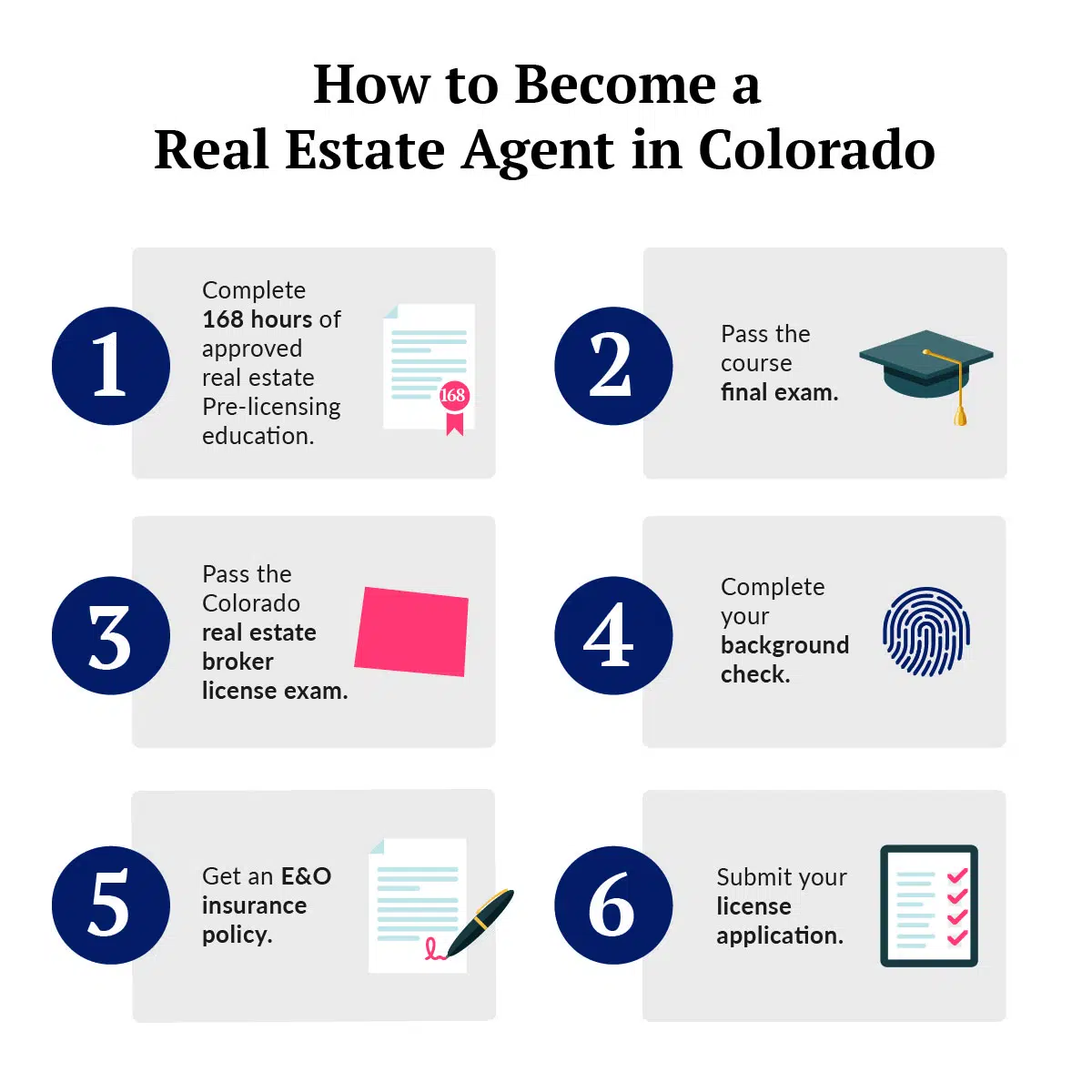
The Core Requirements: Eligibility for a Colorado License
Before diving into the educational components, it’s crucial to understand the fundamental eligibility criteria set by the Colorado Real Estate Commission (CREC). These prerequisites ensure that all prospective brokers meet a baseline standard for professionalism and integrity within the industry.
Education Requirements
The bedrock of your journey is completing 168 hours of approved real estate education. This extensive curriculum covers a wide array of topics designed to equip you with the knowledge necessary to navigate Colorado’s complex real estate landscape. These hours are typically broken down into specific courses, including:
- Colorado Real Estate Contracts and Regulations (48 hours): Essential for understanding the legal framework of property transactions in the state.
- Law and Practice (48 hours): Delving into agency relationships, fair housing, and ethical conduct.
- Real Estate Closings (24 hours): Focusing on the intricacies of finalizing a property sale.
- Trust Accounts and Record Keeping (8 hours): Critical for managing client funds responsibly.
- Current Legal Issues (8 hours): Keeping abreast of the latest changes and challenges in real estate law.
- Real Estate Finance (24 hours): Understanding mortgages, lending practices, and investment strategies.
- Water Rights (optional but highly recommended in Colorado due to its unique considerations, 8 hours): Though not strictly part of the 168, understanding Colorado’s intricate water laws is invaluable for any local broker.
This comprehensive educational foundation prepares you not just for the exam, but for a successful and ethical career.
Age and Residency
Applicants must be at least 18 years old at the time of application. While Colorado residency is not a strict requirement to apply for a license, you will need a physical mailing address in the United States. However, the vast majority of individuals pursuing a Colorado real estate license intend to practice within the state, making residency a practical necessity for building local connections and understanding the market nuances.
Background Check
Integrity is paramount in real estate. All applicants are required to undergo a fingerprint-based criminal history record check. This process is conducted through approved vendors, and the results are sent directly to the Colorado Real Estate Commission. Any past convictions, especially those related to fraud, theft, or moral turpitude, could potentially disqualify an applicant or require a more detailed review and explanation to the commission. Transparency is key here, as failing to disclose relevant information can lead to immediate denial of a license.
Navigating the Pre-Licensing Education
With the requirements understood, the next step involves selecting and completing your 168 hours of pre-licensing education. This stage is where you build the expertise that will differentiate you in the competitive Colorado market.
Approved Schools and Course Formats
The Colorado Real Estate Commission mandates that all pre-licensing education be completed through an approved real estate school. These schools can offer courses in various formats to accommodate diverse lifestyles:
- Classroom-based instruction: Traditional in-person learning, offering direct interaction with instructors and peers. This format can be ideal for those who thrive in structured environments and value networking opportunities from the outset. Cities like Denver, Colorado Springs, and Fort Collins host several reputable institutions.
- Online courses: Providing flexibility and convenience, online options are perfect for individuals managing existing jobs, family commitments, or those living in more remote areas of Colorado. Many online platforms offer self-paced learning, allowing you to complete modules on your schedule.
- Hybrid programs: A blend of online and in-person components, offering the best of both worlds.
When choosing a school, consider factors like instructor experience, pass rates for the state exam, student support, and course materials. A quality education is an investment in your future career and lifestyle.
What to Expect from the Curriculum
The 168-hour curriculum is designed to be thorough and practical. You’ll learn about:
- Property Law: Understanding deeds, titles, easements, and various forms of property ownership common in Colorado, including water rights and mineral rights, which can be particularly nuanced here.
- Contracts: Drafting, negotiating, and understanding purchase agreements, listing agreements, and leases – the backbone of real estate transactions.
- Finance: Mortgages, interest rates, loan types, and the financial aspects of buying and selling property.
- Appraisal and Valuation: How properties are valued, different appraisal methods, and factors influencing market prices in various Colorado locales.
- Ethics and Professional Conduct: Adhering to the highest standards of integrity and avoiding common pitfalls, which is crucial for building a sustainable career and positive lifestyle.
- Agency Relationships: Understanding your duties to clients (buyers, sellers, landlords, tenants) and avoiding conflicts of interest.
- Colorado Specific Law: This section is particularly vital, covering the unique regulations, forms, and practices mandated by the Colorado Real Estate Commission.
Successful completion of these courses typically culminates in a final exam administered by the school. Passing this exam signifies that you are ready to tackle the state broker licensing exam.

Conquering the Colorado Real Estate Exam
The state licensing exam is the final academic hurdle between you and your Colorado real estate broker license. It’s a comprehensive assessment designed to test your knowledge of both national real estate principles and specific Colorado laws.
Exam Structure and Content
The Colorado broker exam is administered by a third-party testing service, typically PSI Examination Services. It consists of two main sections:
- National Portion: Covers general real estate principles, practices, and federal laws. This section typically has around 80 questions.
- Colorado State-Specific Portion: Focuses exclusively on Colorado real estate laws, contracts, and regulations. This section generally has about 50 questions.
Both sections are multiple-choice, and you will have a set amount of time to complete each, usually 120 minutes for the national part and 80 minutes for the state part. You must pass both sections to pass the overall exam. If you pass one section but fail the other, you may only need to retake the failed section within a specified timeframe.
Registration and Scheduling
Once you have completed your 168 hours of pre-licensing education and received proof of completion, you can register for the exam through the PSI website. You’ll need to pay the exam fee and schedule your test at one of the approved testing centers located throughout Colorado, including major cities like Denver, Colorado Springs, and Grand Junction. It is advisable to schedule your exam promptly after completing your education to keep the material fresh in your mind.
Tips for Success
- Review your pre-licensing materials thoroughly: Don’t just rely on memory; revisit key concepts, definitions, and legal specifics.
- Take practice exams: Many real estate schools and online platforms offer practice tests that simulate the actual exam environment. This helps you become familiar with the format, timing, and types of questions.
- Focus on Colorado law: While the national portion is important, the state-specific section often trips up candidates. Master the unique aspects of Colorado real estate.
- Understand test-taking strategies: Learn how to eliminate incorrect answers, interpret questions carefully, and manage your time effectively.
- Get adequate rest: A well-rested mind performs better. Ensure you’re relaxed and ready on exam day.
Activating Your License and Launching Your Career
Passing the state exam is a monumental achievement, but it’s not the final step to officially becoming a practicing real estate broker in Colorado. There are a few crucial steps remaining to activate your license and begin building your new lifestyle.
Broker Sponsorship
In Colorado, all newly licensed real estate brokers must work under the supervision of an employing broker. This means you cannot practice independently immediately after getting your license. You will need to find a brokerage firm that is willing to sponsor you. This step is critical for several reasons:
- Mentorship: An experienced employing broker provides guidance, support, and oversight, which is invaluable for new licensees learning the ropes.
- Resources: Brokerages offer access to multiple listing services (MLS), marketing tools, office space, and administrative support.
- Legal Compliance: The employing broker ensures that your activities comply with all Colorado Real Estate Commission regulations and ethical standards.
Choosing the right brokerage is a significant decision that will influence your career trajectory and working lifestyle. Consider factors such as company culture, training programs, commission splits, and the level of support provided.
Applying for Your License
Once you have secured an employing broker, they will typically assist you with the final application process to the Colorado Real Estate Commission. This involves submitting your completed application, proof of passing the exam, your fingerprint background check results, and associating your license with your employing broker. Upon approval, your license will be issued, officially allowing you to practice real estate in Colorado.
Continuing Education
Maintaining your license and professional edge is an ongoing commitment. Colorado real estate brokers are required to complete 24 hours of continuing education (CE) every three years. These hours must include a mandatory Annual Commission Update (ACU) course, which keeps you informed about the latest changes in laws, forms, and practices. Regular CE ensures that you remain knowledgeable, compliant, and competitive, allowing you to adapt your lifestyle and career to the evolving real estate market.

Building Your Colorado Real Estate Business
With your license in hand, the real work—and the real lifestyle — begins. This involves:
- Networking: Building relationships with other brokers, lenders, inspectors, and clients.
- Marketing: Developing your personal brand and reaching potential clients through various channels.
- Specialization: Considering niche markets like luxury homes in Aspen, investment properties in Denver, or recreational land in rural Colorado.
- Continuous Learning: The real estate market is dynamic. Staying informed about local market trends, economic indicators, and new technologies is crucial for long-term success and a fulfilling professional lifestyle in Colorado.
Earning your real estate license in Colorado is more than just obtaining a certification; it’s an invitation to a vibrant professional life, offering the flexibility to shape your own destiny amidst the stunning backdrop of the Rocky Mountains and thriving communities.
LifeOutOfTheBox is a participant in the Amazon Services LLC Associates Program, an affiliate advertising program designed to provide a means for sites to earn advertising fees by advertising and linking to Amazon.com. Amazon, the Amazon logo, AmazonSupply, and the AmazonSupply logo are trademarks of Amazon.com, Inc. or its affiliates. As an Amazon Associate we earn affiliate commissions from qualifying purchases.