
Securing affordable, long-term accommodation is a fundamental need for many individuals and families across the United States. In California, a state known for its high cost of living, the Housing Choice Voucher Program, commonly referred to as Section 8, stands as a critical resource. This program, administered by local Public Housing Authorities (PHAs), offers substantial assistance to low-income families, the elderly, and persons with disabilities, enabling them to afford safe and decent housing in the private market. Understanding the nuances of this program and the application process is paramount for anyone seeking this vital long-term accommodation solution.

Understanding the Section 8 Program in California
The Section 8 program in California is a federally funded initiative designed to provide rental subsidies. It is not about living in government-owned housing but rather about receiving a voucher that helps cover a portion of rent for privately owned properties. This allows participants greater flexibility in choosing where they live, promoting integration and choice within various communities. The goal is to ensure that eligible families do not pay more than 30-40% of their adjusted gross income towards rent and utilities. The subsidy paid by the PHA covers the difference between the tenant’s contribution and the total rent, up to a certain limit.
What is Section 8?
At its core, Section 8, officially known as the Housing Choice Voucher Program, is the federal government’s primary program for assisting very low-income families, the elderly, and people with disabilities to afford decent, safe, and sanitary housing in the private market. Housing assistance is provided on behalf of the family or individual, and participants are free to choose any housing that meets the program requirements. This includes apartments, townhouses, and single-family homes. The voucher is portable, meaning if a family moves to a different PHA jurisdiction (provided they have program approval), they can often take their rental assistance with them.
Eligibility Criteria for Applicants
Eligibility for the Section 8 program hinges primarily on income, family status, and citizenship. Applicants must generally meet specific low-income thresholds set by the U.S. Department of Housing and Urban Development (HUD) for their area. These limits vary by county and family size, typically set at 50% of the median income for the county or metropolitan area. For instance, income limits in Los Angeles County will differ significantly from those in Fresno County. Furthermore, applicants must be U.S. citizens or eligible non-citizens. PHAs also conduct background checks, which typically include a review of criminal history and any prior evictions from federally assisted housing. Certain criminal offenses, particularly those related to drug-related activity or violent crimes, can disqualify an applicant.
Who Administers the Program?
While HUD establishes national policies and provides funding, the Section 8 program is administered locally by approximately 3,000 public housing agencies (PHAs) nationwide, including numerous agencies across California. Each PHA has its own specific administrative plan and waiting list, making it crucial for applicants to engage directly with the PHA serving their desired area of residence. For example, applying in San Francisco requires contacting the San Francisco Housing Authority, while applying in San Diego necessitates working with the San Diego Housing Commission. These PHAs manage the application process, determine eligibility, issue vouchers, and oversee compliance.
Navigating the Application Process
The application process for Section 8 can be lengthy and complex due to high demand and limited funding. Patience, meticulous record-keeping, and proactive communication are key to successfully navigating this system for long-term accommodation.
Finding Your Local Public Housing Authority (PHA)
The first and most critical step is to identify and contact the Public Housing Authority (PHA) that serves the specific city or county in California where you wish to live. Many large cities like Oakland, Sacramento, San Jose, Anaheim, Riverside, Long Beach, and Bakersfield have their own PHAs, as do most counties. A quick online search for “[city/county name] Public Housing Authority” or “Section 8 [city/county name]” should yield the relevant contact information. Each PHA maintains its own waiting list, and some may have different application procedures or opening periods. It’s often advisable to check with PHAs in several areas if you are flexible about your location, as waiting lists can vary significantly in length.
The Waiting List Challenge
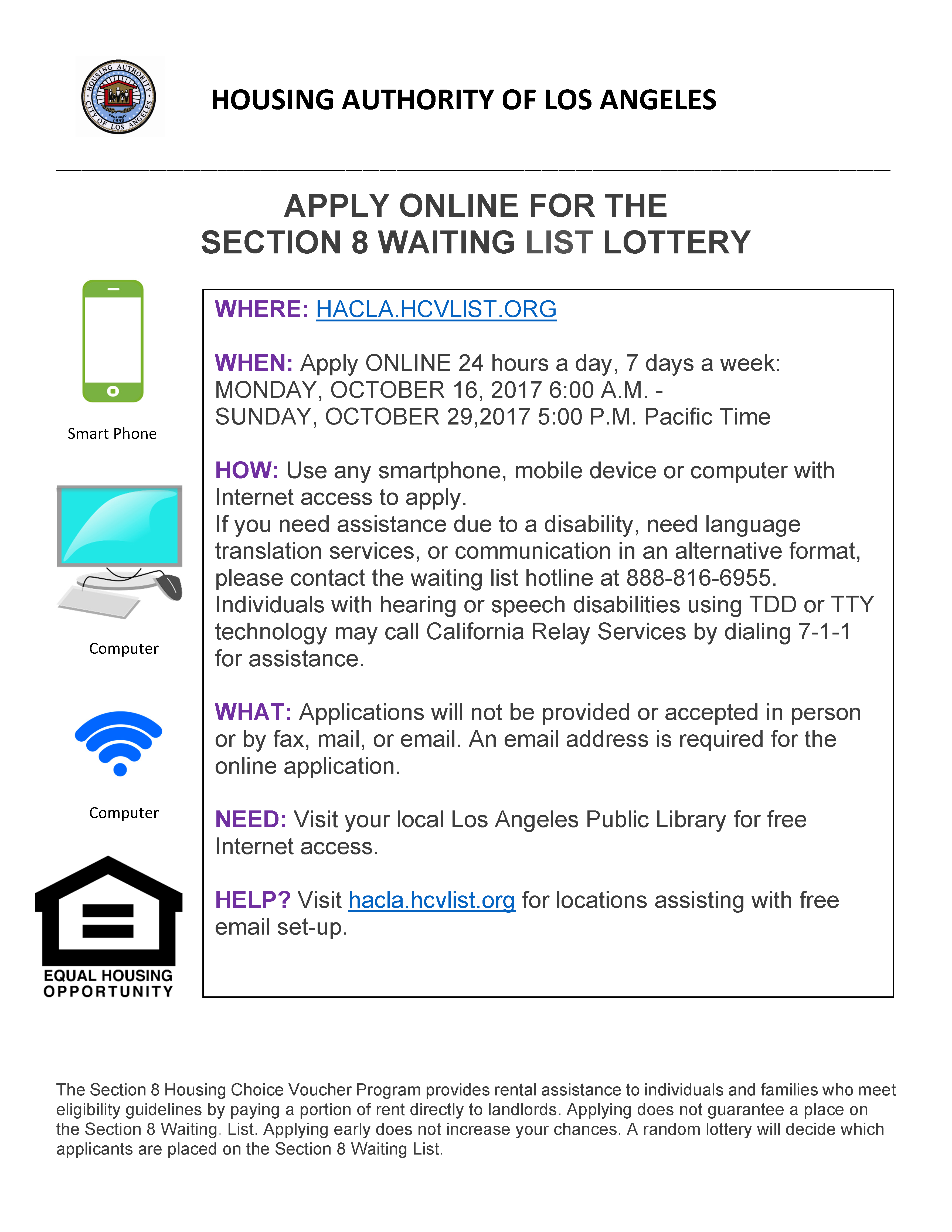
Due to the immense demand for affordable housing, most Section 8 waiting lists in California are either exceptionally long or closed indefinitely. When a waiting list is open, the PHA will announce a specific application period, often for only a few days or weeks. Some PHAs use a lottery system to select a limited number of applicants when their list opens. Others process applications on a first-come, first-served basis. It is crucial to monitor PHA websites and local news outlets for announcements about waiting list openings. Once on a waiting list, the wait can range from several months to several years, depending on the PHA, funding availability, and the applicant’s position on the list. Some PHAs offer preferences to certain groups, such as local residents, veterans, the elderly, or those with disabilities, which can potentially expedite the wait.
Gathering Required Documentation
Before applying, assemble all necessary documentation. This will streamline the process and prevent delays once a waiting list opens or your name comes up. Typical required documents include:
- Proof of Identity: Government-issued photo IDs for all adult household members (e.g., driver’s license, state ID, passport).
- Social Security Cards: For all household members.
- Birth Certificates: For all household members.
- Proof of Income: Pay stubs, W-2 forms, tax returns, Social Security benefit statements, unemployment benefits, child support statements, welfare benefits, pension statements, or any other source of income for all household members.
- Proof of Assets: Bank statements, property deeds, investment statements.
- Proof of Family Size/Composition: Marriage certificates, divorce decrees, child custody agreements, dependent care expenses.
- Proof of Disability/Elderly Status: If applicable (e.g., doctor’s letters, disability benefit statements).
- Proof of Residency: Utility bills, lease agreements, or other documents demonstrating residency within the PHA’s jurisdiction if a local preference is offered.
Submitting Your Application and What Comes Next
Once the waiting list is open and you have your documents in order, the application submission phase begins. This is followed by a thorough verification process.
Online vs. In-Person Applications

Many PHAs in California have transitioned to online application portals, which are often more efficient and accessible. When a waiting list opens, instructions will be provided on how to apply, whether online or in person at the PHA office. It is essential to follow these instructions precisely. For online applications, ensure you have a stable internet connection and carefully review all entered information before submission. If applying in person, be prepared for potential lines and bring all required documentation, as some PHAs may offer immediate assistance or initial screening. Always obtain a confirmation or receipt of your application.
The Interview and Verification Process
After an applicant’s name reaches the top of the waiting list, the PHA will typically schedule an interview. This interview is a critical step where the PHA staff will review all submitted documentation, verify income, family composition, and other eligibility factors. They may request additional documents or clarifications. During this phase, the PHA will also conduct background checks, including criminal history and prior tenancy records. It is crucial to be honest and provide accurate information, as any discrepancies can lead to disqualification. The PHA’s goal is to ensure the applicant meets all program requirements and can be a responsible tenant.
Receiving a Housing Choice Voucher
If all verifications are successful and the applicant is deemed eligible, the PHA will issue a Housing Choice Voucher. This voucher is not a guarantee of housing but rather a document that certifies eligibility for rental assistance. Once you receive a voucher, you typically have a limited timeframe (e.g., 60-120 days) to find a suitable rental property. The PHA will provide guidelines on rent limits, housing quality standards, and how to work with landlords. It’s important to understand these guidelines thoroughly, as not all properties will qualify, and landlords must agree to participate in the program.
Utilizing Your Voucher for Long-Term Accommodation
With a voucher in hand, the real work of securing long-term accommodation begins. This involves finding a participating landlord and maintaining compliance with program rules.
Finding a Rental Property
The PHA will provide a list of resources for finding properties that accept Section 8 vouchers, though participants are free to find housing anywhere they choose within the PHA’s jurisdiction (and sometimes beyond, with portability). Key requirements for a property to qualify include:
- Rent Reasonableness: The rent charged by the landlord must be reasonable in comparison to other unassisted units in the area.
- Housing Quality Standards (HQS): The property must meet HQS set by HUD, which cover safety, sanitation, and habitability. The PHA will conduct an inspection before the lease can be approved.
- Landlord Agreement: The landlord must agree to participate in the Section 8 program and sign a Housing Assistance Payments (HAP) contract with the PHA.
Finding a suitable landlord can sometimes be challenging, but many landlords in California do participate, recognizing the benefits of guaranteed rental payments from the PHA.
Lease Agreement and Rent Payment
Once a suitable property is found and approved by the PHA, the tenant will sign a lease agreement directly with the landlord. Simultaneously, the PHA will enter into a HAP contract with the landlord. Under this arrangement, the tenant pays a portion of the rent directly to the landlord (usually 30-40% of their adjusted monthly income), and the PHA pays the remaining portion directly to the landlord. It is essential to understand both the tenant’s responsibilities under the lease and the program rules. These include paying rent on time, maintaining the property, and abiding by all lease terms.
Maintaining Eligibility and Annual Reviews
Receiving a Section 8 voucher is not a one-time process; maintaining eligibility for long-term accommodation requires ongoing compliance. PHAs conduct annual reviews to re-verify income, family composition, and continued eligibility. It is crucial to report any changes in income, household members, or other relevant information to the PHA promptly. Failure to report changes or comply with program rules can result in the termination of rental assistance. Regular communication with your PHA caseworker is vital to ensure continuous support.
Important Considerations and Tips for Applicants
Navigating the Section 8 program in California requires strategic planning and persistence.
Be Patient and Persistent
Given the high demand and often limited availability, patience is paramount. Waiting lists can be long, and the process from application to receiving a voucher can take years. Continuously monitor PHA websites for waiting list openings, and if you are on a list, periodically check your status according to PHA instructions. Persistence in gathering documents, following up, and seeking available opportunities will ultimately increase your chances.
Keep Your Information Updated
Once on a waiting list or a program participant, it is critical to notify your PHA immediately of any changes to your contact information, household size, or income. If the PHA cannot reach you when your name comes up, or if your eligibility changes without notification, you could lose your place on the waiting list or have your voucher terminated. Maintaining accurate and current records with your PHA is non-negotiable for long-term accommodation stability.
Seek Assistance if Needed
Many non-profit organizations, housing counseling agencies, and legal aid services across California specialize in assisting individuals with the Section 8 application process. These resources can provide invaluable guidance, help with document preparation, and advocate on your behalf if issues arise. Do not hesitate to reach out for support; navigating complex government programs is often easier with expert assistance. Utilizing these resources can make a significant difference in successfully securing vital long-term housing assistance through the Section 8 program.
LifeOutOfTheBox is a participant in the Amazon Services LLC Associates Program, an affiliate advertising program designed to provide a means for sites to earn advertising fees by advertising and linking to Amazon.com. Amazon, the Amazon logo, AmazonSupply, and the AmazonSupply logo are trademarks of Amazon.com, Inc. or its affiliates. As an Amazon Associate we earn affiliate commissions from qualifying purchases.