
Sales tax is a fundamental aspect of commerce, influencing both businesses and consumers. In Alabama, understanding the intricacies of sales tax is crucial for anyone engaging in transactions within the state. This guide delves into the structure, rates, and implications of Alabama’s sales tax, providing a comprehensive overview for residents, visitors, and businesses alike.
The Foundation of Alabama Sales Tax
Alabama’s sales tax system is a complex interplay of state and local levies. Unlike many states that rely solely on a statewide sales tax, Alabama incorporates a significant portion of its sales tax revenue from local jurisdictions. This decentralized approach means that the total sales tax rate can vary considerably depending on the specific city or county within the state.
State Sales Tax Rate
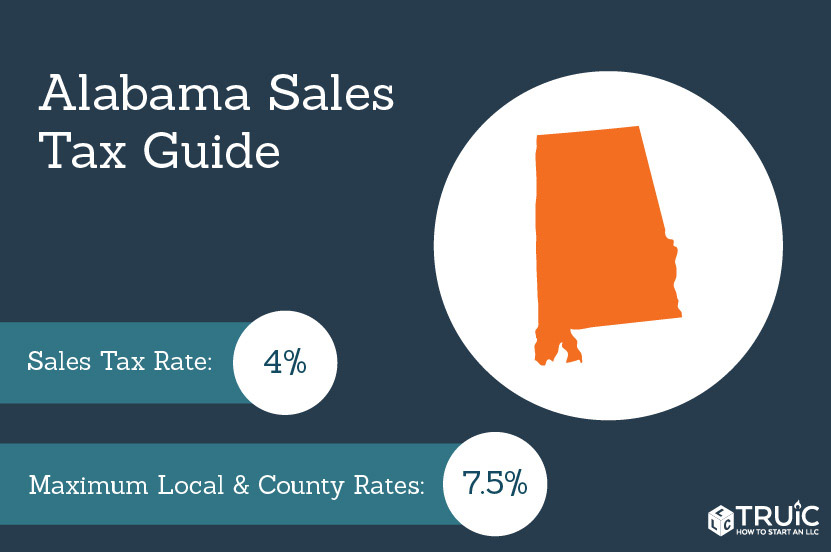
At the state level, Alabama imposes a sales tax on the sale of tangible personal property and certain services. This rate is set by the Alabama Department of Revenue. While the state rate itself is a fixed percentage, it’s important to remember that this is just one component of the overall sales tax burden.
Local Sales Tax Rates
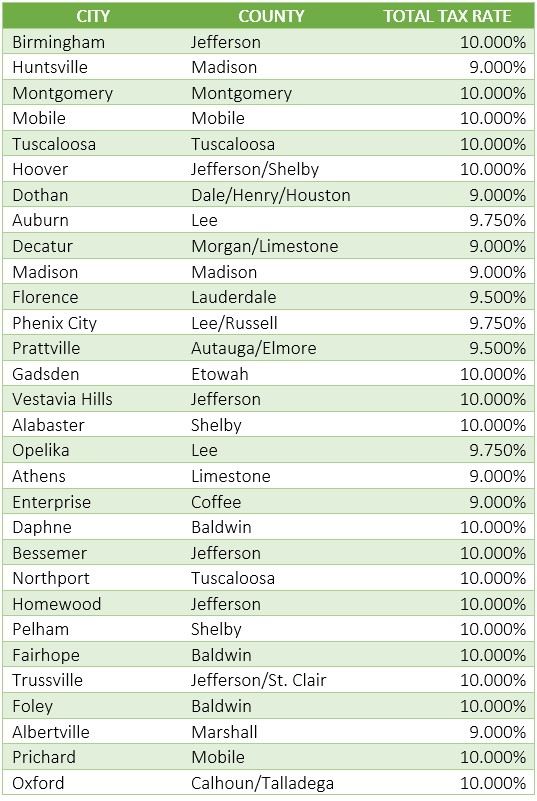
The true variability in Alabama’s sales tax comes from its extensive network of local taxes. Counties, cities, and in some cases, special districts, are empowered to levy their own sales taxes. These local rates are added on top of the state rate, creating a cumulative tax that can differ significantly from one municipality to another. For instance, the combined state and local sales tax rate in Birmingham will likely be different from that in Mobile or rural areas. This means a purchase of the same item could cost more in one town than in another, purely due to the local tax component.
Combined Tax Rates
To determine the total sales tax applicable to a transaction, one must add the state sales tax rate to the relevant local sales tax rates (county, city, and any applicable special district taxes). The Alabama Department of Revenue provides resources to help taxpayers identify these combined rates, but it often requires checking the specific location of the sale. For businesses, accurately applying the correct combined rate is essential for compliance and financial reporting. For consumers, it provides clarity on the total cost of goods and services.
What is Taxable in Alabama?
Alabama’s sales tax applies to a broad range of goods and services. The state aims to capture revenue from economic activity within its borders, making a wide array of purchases subject to taxation.
Tangible Personal Property
The most common category of taxable items includes tangible personal property, which refers to physical goods that can be seen, touched, and moved. This encompasses everything from everyday consumer goods like clothing, electronics, and furniture, to more specialized items such as vehicles and construction materials.
Taxable Services
Beyond physical goods, Alabama also taxes a variety of services. The list of taxable services is extensive and can include:
- Utilities: Electricity, natural gas, and water consumed by businesses and residential customers are generally taxable, though specific exemptions or rates may apply.
- Telecommunications: Services such as landline phone service, mobile phone service, and internet access are typically subject to sales tax.
- Repair and Maintenance Services: Many services that involve repairing or maintaining tangible personal property are taxable. This could include auto repair, appliance repair, and HVAC servicing.
- Amusements and Admissions: Tickets to entertainment venues, movie theaters, sporting events, and amusement parks are often subject to sales tax.
- Lodging and Accommodation: While this guide focuses on sales tax in general, it’s worth noting that hotels and other lodging establishments collect and remit sales tax on room charges, which can be a significant revenue source for local governments.
- Contracting Services: Businesses engaged in contracting work, particularly construction, often have specific rules regarding the taxability of materials and labor.
Exemptions and Non-Taxable Items
Despite the broad scope of taxable items and services, Alabama does provide certain exemptions to encourage specific economic activities or provide relief to certain groups. These exemptions can include:
- Agricultural Products: Unprocessed food items and certain agricultural inputs may be exempt.
- Prescription Drugs: Medications prescribed by a physician are typically exempt from sales tax.
- Certain Manufacturing Equipment: Investments in new or expanded manufacturing facilities may qualify for tax incentives, including exemptions on equipment purchases.
- Sales to the U.S. Government: Sales made directly to the United States government are generally exempt.
- Sales for Resale: Businesses that purchase goods with the intention of reselling them are typically exempt from paying sales tax on those purchases, as the tax will be collected from the end consumer.
It is crucial for both businesses and consumers to stay informed about the latest exemption rules, as they can change and have a significant impact on the final cost of goods and services.
Filing and Remitting Sales Tax in Alabama
The responsibility for collecting and remitting sales tax falls primarily on the businesses making the sales. This process involves several key steps:
Obtaining a Sales Tax Permit
Businesses operating in Alabama and selling taxable goods or services are required to obtain a sales tax permit (also known as a seller’s permit or business license) from the Alabama Department of Revenue. This permit authorizes the business to collect sales tax from its customers and is essential for legal operation.
Collection of Sales Tax
Once a business has its permit, it must accurately calculate and collect the correct combined sales tax rate for each transaction. This involves knowing the taxability of the item or service being sold and the specific tax rates applicable to the location of the sale. For businesses with multiple locations or those that sell online to customers across the state, this can present a significant administrative challenge.
Filing Sales Tax Returns
Businesses are required to file regular sales tax returns with the Alabama Department of Revenue and, in many cases, directly with local tax authorities as well. These returns report the total sales, taxable sales, and the amount of sales tax collected. The frequency of filing (monthly, quarterly, or annually) is usually determined by the business’s sales volume and its historical tax liability.
Remitting Sales Tax
Along with filing the return, businesses must remit the collected sales tax to the appropriate tax authorities. This payment is typically due on the same date as the filing deadline. Failure to file returns or remit taxes on time can result in penalties, interest, and other enforcement actions.
Impact of Sales Tax on Tourism and Business
Alabama’s sales tax structure has a notable impact on both its thriving tourism industry and its broader business environment.
Tourism and Visitor Spending
For visitors to Alabama, sales tax is an unavoidable component of their spending. While the tax itself might not deter many travelers, understanding how it affects prices across different regions can be a factor in budgeting. Destinations with lower combined sales tax rates might be perceived as more budget-friendly. Conversely, popular tourist hubs, often located within cities or counties with higher local tax rates, will reflect these higher costs on everything from souvenirs at The Beaches of Fort Morgan to dining experiences in Downtown Huntsville. Hotels, resorts, and attractions all factor these taxes into their pricing structures.
Business Operations and Competitiveness
For businesses operating in Alabama, sales tax compliance is a critical operational requirement. The complexity of varying local rates can create administrative burdens and potential for errors. Businesses located near jurisdictional borders may face unique challenges in ensuring they are applying the correct rates to customers from different areas. Furthermore, differences in sales tax rates between neighboring states or even within Alabama can influence consumer purchasing decisions, potentially impacting the competitiveness of businesses in higher-tax areas. Some businesses might strategically locate in areas with lower sales tax to attract more price-sensitive customers.
Navigating Alabama’s Sales Tax Landscape
Understanding Alabama’s sales tax is an ongoing process. Staying informed about rate changes, exemption updates, and compliance requirements is essential for businesses to operate efficiently and legally. For consumers and visitors, a basic awareness of how sales tax is applied can lead to better budgeting and a more informed shopping experience across the diverse economic landscape of The Heart of Dixie.
Resources for Businesses
The Alabama Department of Revenue is the primary source of information for businesses regarding sales tax. Their website provides official guidance, forms, tax rate lookups, and details on filing and payment procedures. Many local tax jurisdictions also maintain their own websites with specific information relevant to their areas. Professional advisors, such as accountants and tax attorneys, can also provide invaluable assistance in navigating complex sales tax matters.
Consumer Awareness
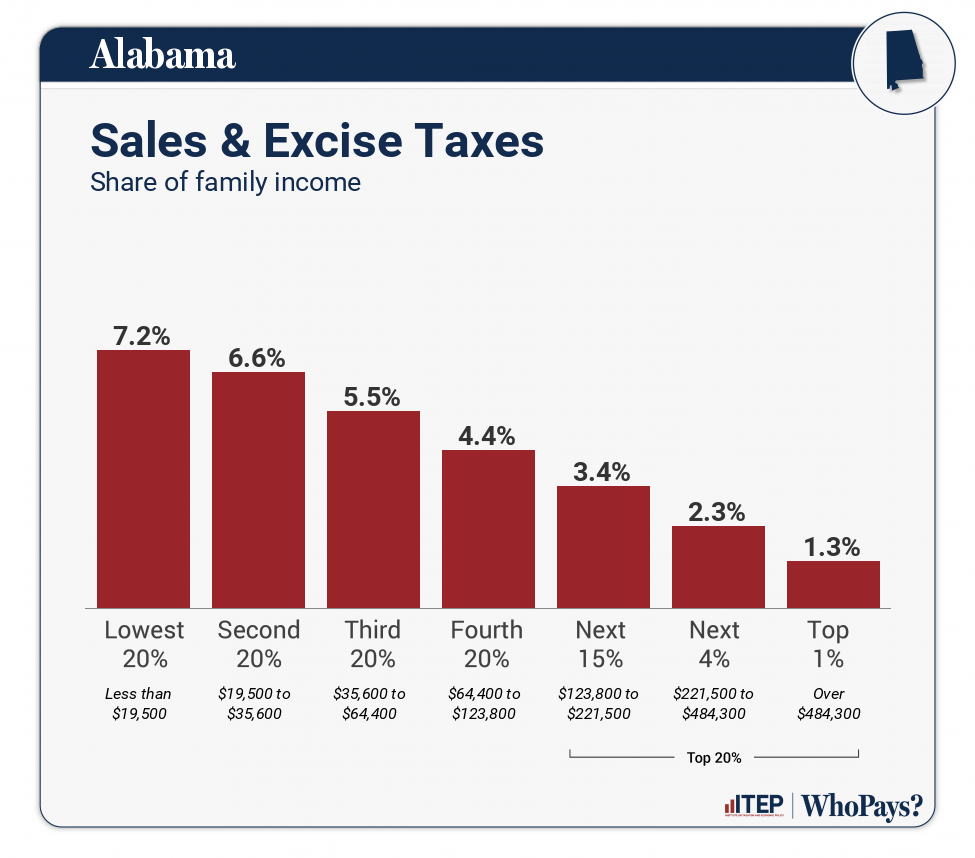
For consumers, understanding that the listed price of an item may not be the final price is a key takeaway. Awareness of local sales tax rates can help in making informed purchasing decisions, especially for larger ticket items. While individual sales tax rates might seem small, they accumulate and contribute significantly to the overall cost of goods and services throughout the state.
In conclusion, Alabama’s sales tax system is a dynamic and localized framework. By understanding its components – state and local rates, taxable items and services, and the responsibilities of collection and remittance – individuals and businesses can navigate this vital aspect of the state’s economy with greater confidence.
LifeOutOfTheBox is a participant in the Amazon Services LLC Associates Program, an affiliate advertising program designed to provide a means for sites to earn advertising fees by advertising and linking to Amazon.com. Amazon, the Amazon logo, AmazonSupply, and the AmazonSupply logo are trademarks of Amazon.com, Inc. or its affiliates. As an Amazon Associate we earn affiliate commissions from qualifying purchases.