
Embracing Well-being: The Concept of Stress Leave in California
In the modern professional landscape, stress has become an undeniable aspect of daily life for many. While a certain level of pressure can be motivating, chronic or overwhelming stress can significantly impact an individual’s mental and physical health, ultimately diminishing their quality of life and professional performance. Recognizing this profound impact, various legal frameworks and employer policies exist in California to allow employees to take time off to address severe stress, often with the possibility of being paid. This isn’t merely about taking a break; it’s about reclaiming one’s well-being and fostering a sustainable, healthy lifestyle.
Defining Stress-Related Absences
“Stress leave” isn’t a single, standalone legal category in California or federal law in the same way “maternity leave” might be. Instead, it typically falls under broader provisions for medical or disability leave. When stress manifests to the point of becoming a debilitating medical condition – such as severe anxiety, depression, burnout, or stress-induced physical ailments like hypertension or ulcers – it can be classified as a serious health condition. Under this classification, employees may be eligible for protected leave, and potentially paid leave, under various state and federal statutes. The key is that the stress must be medically certified as incapacitating, preventing the individual from performing the essential functions of their job. This medical substantiation elevates a general feeling of being overwhelmed to a legitimate health concern that warrants professional intervention and time off.
The Lifestyle Impact of Unmanaged Stress
The decision to pursue stress leave is often a crucial step in managing one’s lifestyle proactively. Unmanaged stress doesn’t just affect work performance; it permeates every aspect of personal life, from relationships and social engagement to physical health and mental clarity. Chronic stress can lead to severe health complications, erode personal resilience, and even make everyday tasks feel insurmountable. By understanding and utilizing the provisions for paid stress leave, individuals can take a vital pause to seek treatment, engage in therapeutic activities, rest, and recalibrate their lifestyle choices. This period of dedicated self-care is not a luxury but a necessity for long-term health, enabling a return to work with renewed focus and a more robust approach to balancing professional demands with personal well-being. It represents a commitment to a healthier, more balanced existence, demonstrating that prioritizing mental and physical health is fundamental to a fulfilling lifestyle.
Unlocking Your Rights: Key Laws Supporting Paid Leave for Stress
Navigating the landscape of employee rights regarding stress leave in California can initially seem complex, but several crucial laws and programs provide essential protections and financial support. These provisions empower individuals to prioritize their health without facing undue financial burden or job insecurity. Understanding these rights is the first step toward advocating for your well-being.
Federal and State Protections: FMLA and CFRA
At the federal level, the Family and Medical Leave Act (FMLA) allows eligible employees to take up to 12 workweeks of unpaid, job-protected leave for specific family and medical reasons, including an employee’s own serious health condition. This serious health condition can encompass mental health issues like severe stress, anxiety, or depression, provided they meet certain medical criteria. While FMLA itself does not provide paid leave, it ensures your job is protected while you take time off for recovery.
In California, the California Family Rights Act (CFRA) mirrors many aspects of FMLA but often provides broader protections. Like FMLA, CFRA provides up to 12 workweeks of unpaid, job-protected leave. Importantly, in California, CFRA leave can run concurrently with FMLA leave in many situations, but there are also instances where they run separately, potentially extending the total protected leave period. Both FMLA and CFRA require employers to maintain the employee’s health benefits during the leave and reinstate them to the same or an equivalent position upon their return. For stress leave, the critical component for both acts is a medical certification from a healthcare provider confirming the serious health condition.
California State Disability Insurance (SDI)
While FMLA and CFRA provide job protection, the financial aspect of “paid” stress leave often comes from California’s State Disability Insurance (SDI) program. SDI is a partial wage replacement insurance program for eligible California workers. It provides benefits to individuals who lose wages when they are unable to work due to a non-work-related illness, injury, or pregnancy. Critically, severe stress, anxiety, or depression that is certified by a medical professional as disabling can qualify for SDI benefits.
To be eligible for SDI, you must:
- Be unable to do your regular work due to your medical condition.
- Be under the care of a licensed doctor or practitioner.
- Have lost wages due to your disability.
- Have paid into SDI through payroll deductions (which most California employees do).
- Meet minimum earnings requirements in your base period.
- Serve a seven-day waiting period (unpaid).
SDI typically pays 60-70% of your wages earned 5 to 18 months before your claim start date, up to a maximum weekly benefit amount. SDI benefits do not provide job protection; they only provide wage replacement. Therefore, it is often utilized in conjunction with FMLA or CFRA to secure both job protection and partial income during a stress-related leave.
Paid Sick Leave and Other Employer-Specific Policies
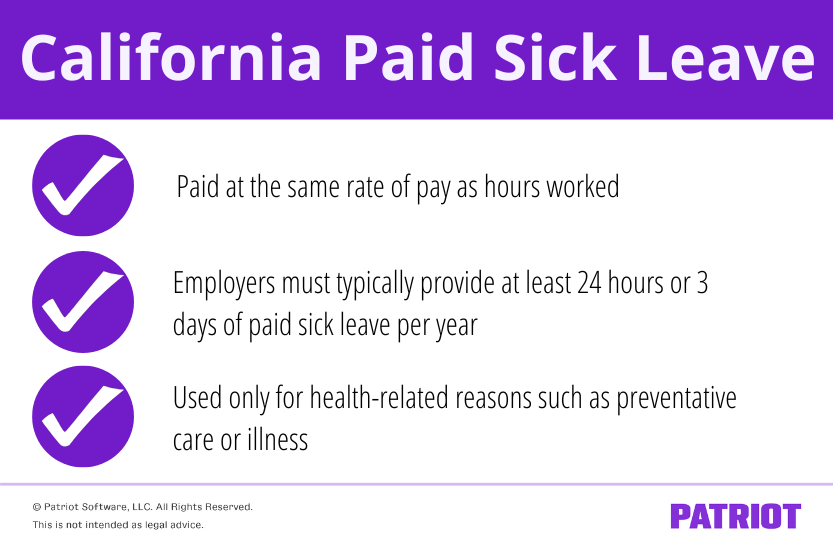
Beyond FMLA, CFRA, and SDI, California law also mandates paid sick leave. All employees in California, including part-time and temporary workers, are entitled to earn and use paid sick leave for their own or a family member’s illness, injury, or medical condition, which can include mental health issues like stress. While the initial accrual rate provides a minimum of three days or 24 hours per year, some local ordinances (like in San Francisco or Los Angeles) require more. This paid sick leave can be used for shorter, intermittent absences related to stress, or to cover the initial waiting period for SDI benefits.
Furthermore, many employers offer their own short-term or long-term disability insurance plans, paid time off (PTO) policies, or specific company leave programs that may provide additional paid leave for stress-related conditions. It is crucial to review your employee handbook or consult with your HR department to understand all available options, as these can significantly supplement state and federal benefits. Combining these various sources of leave can help create a comprehensive plan for managing stress-related absences with financial stability.
A Practical Guide: Navigating the Application Process for Stress Leave
Once you understand your rights, the next critical step is to navigate the practical application process. This involves a series of deliberate actions, from seeking medical validation to formally communicating with your employer and managing the necessary paperwork. A methodical approach ensures that your request for paid stress leave is handled efficiently and aligns with legal requirements, ultimately supporting your lifestyle goals of recovery and well-being.

Seeking Professional Medical Advice
The cornerstone of any stress leave request is a legitimate medical diagnosis and recommendation. If you are experiencing severe stress, anxiety, or burnout that significantly impairs your ability to work, your first action should be to consult a licensed healthcare professional. This could be a medical doctor, psychiatrist, psychologist, or licensed therapist. They will assess your condition, provide a diagnosis, and determine if your stress constitutes a “serious health condition” that warrants time off work.
During your consultation, be open and honest about your symptoms, their duration, their impact on your daily life, and specifically, their effect on your job performance. The healthcare provider will need to certify that you are unable to perform the essential functions of your job due to your condition, and for how long. This medical certification is indispensable for both job-protected leave (FMLA/CFRA) and wage replacement benefits (SDI). Without clear medical documentation, your claim for stress leave, particularly paid leave, is unlikely to be approved.
Communicating with Your Employer
Once you have a medical assessment recommending leave, the next step is to formally communicate with your employer. While it might feel daunting, remember that you are exercising a protected right. Start by informing your immediate supervisor and HR department of your need for medical leave. You are generally not required to disclose the specific nature of your diagnosis (e.g., “stress” or “anxiety”) to your supervisor, but you must indicate that you need leave for a serious health condition. The HR department will then typically provide you with the necessary forms for FMLA, CFRA, and potentially company-specific leave policies.
It’s advisable to make this communication in writing, even if you have an initial verbal discussion. This creates a record of your request. Be prepared to provide the medical certification from your healthcare provider, which will detail the start date, duration, and medical necessity of your leave. Ensure you understand your employer’s internal procedures and deadlines for submitting this documentation. Timely and professional communication is key to a smooth process.
Essential Documentation and Deadlines
The application for paid stress leave, particularly through California SDI, requires specific documentation and adherence to deadlines.
For SDI, you will need to:
- File an SDI Claim: You can do this online through the Employment Development Department (EDD)’s website. You will need information about your employer and your medical provider.
- Medical Certification: Your healthcare provider must complete and submit the medical certification portion of your SDI claim form directly to the EDD. This confirms your disability and the period you are unable to work. This part is crucial and often needs to be submitted within a few days of your claim being filed.
- Employer Information: Your employer may also need to provide information to the EDD regarding your wages and employment.
For FMLA/CFRA, your employer will provide you with forms (e.g., “Certification of Healthcare Provider for Employee’s Serious Health Condition”). Your healthcare provider must complete these forms, and you must return them to your employer within the specified timeframe (usually 15 calendar days).
Keep copies of all submitted documents, including medical certifications, employer forms, and EDD correspondence. Note all deadlines and follow up proactively. If any issues arise, don’t hesitate to seek advice from an HR professional, an employment law attorney, or an advocate, as navigating these systems correctly is vital for securing your paid leave and protecting your job. This meticulous attention to detail ensures your lifestyle choice to prioritize health is legally and financially supported.
Beyond the Leave: Cultivating a Sustainable Lifestyle Post-Recovery
Taking paid stress leave is a significant step towards recovery, but it is just one part of a larger commitment to sustainable well-being. The true success of stress leave lies not only in the time away but also in the strategies implemented during and after the leave to prevent recurrence and foster a resilient lifestyle. Returning to work feeling revitalized requires careful planning and a renewed focus on mental health and work-life balance.
Strategies for Effective Stress Management
During your leave, and certainly upon your return, it is crucial to embed effective stress management techniques into your daily routine. This period of respite offers a unique opportunity to identify the root causes of your stress and develop coping mechanisms. Strategies might include:
- Mindfulness and Meditation: Regular practice can enhance self-awareness and promote emotional regulation.
- Physical Activity: Exercise is a powerful stress reducer, releasing endorphins and improving mood.
- Healthy Diet and Sleep Hygiene: Proper nutrition and adequate sleep are foundational for mental and physical resilience.
- Setting Boundaries: Learning to say no, delegating tasks, and protecting personal time are essential for preventing overload.
- Professional Support: Continuing therapy or counseling can provide ongoing tools and support for navigating stressors.
- Hobbies and Interests: Engaging in activities that bring joy and a sense of accomplishment outside of work can significantly boost overall well-being.
By integrating these practices, you transform a temporary break into a foundation for a healthier, more balanced lifestyle that better withstands future pressures.
Gradual Return to Work and Accommodation
Returning to work after stress leave can be a delicate transition. To avoid immediately falling back into old patterns that contributed to your stress, consider discussing a gradual return or potential accommodations with your employer. This might involve:
- Part-time Schedule: Starting with reduced hours and slowly increasing them over several weeks.
- Adjusted Responsibilities: Temporarily modifying your workload or duties to ease back into your role.
- Flexible Work Arrangements: Exploring options like remote work or modified schedules if they aid in stress reduction.
Your healthcare provider can also play a role in recommending specific accommodations or a modified return-to-work plan. Under laws like the Americans with Disabilities Act (ADA) and California’s Fair Employment and Housing Act (FEHA), employers are often required to provide reasonable accommodations for employees with qualifying medical conditions, including mental health conditions, unless doing so would cause undue hardship. Open and honest communication with your HR department about your needs can facilitate a smoother, more sustainable reintegration into the workplace, supporting your long-term health goals.

Prioritizing Mental Health in Your Daily Routine
Ultimately, obtaining paid stress leave in California is about more than just taking time off; it’s about making a profound shift towards a lifestyle that actively prioritizes mental health. This means continuously assessing your emotional well-being, recognizing early warning signs of stress, and proactively addressing them before they escalate. It involves building a robust support system, both personally and professionally, and advocating for your needs.
Make mental health check-ins a regular part of your routine. Just as you would manage physical health, dedicate time and resources to maintain your psychological well-being. This ongoing commitment ensures that the benefits gained during your stress leave are maintained and built upon, allowing you to lead a more productive, fulfilling, and balanced life both inside and outside of work. By understanding your rights and embracing proactive self-care, paid stress leave becomes a powerful tool in cultivating a truly sustainable and healthy lifestyle.
LifeOutOfTheBox is a participant in the Amazon Services LLC Associates Program, an affiliate advertising program designed to provide a means for sites to earn advertising fees by advertising and linking to Amazon.com. Amazon, the Amazon logo, AmazonSupply, and the AmazonSupply logo are trademarks of Amazon.com, Inc. or its affiliates. As an Amazon Associate we earn affiliate commissions from qualifying purchases.