
For many, the thought of living and working in California conjures images of sun-drenched beaches, innovative tech hubs, and a vibrant cultural landscape. It’s a state synonymous with opportunity, innovation, and an unparalleled lifestyle, making its real estate market one of the most dynamic and sought-after in the United States. If you’ve ever dreamt of being at the heart of this exciting market, guiding individuals and families through the journey of finding their perfect home or investment property, then pursuing a real estate license in the Golden State is your first definitive step. This isn’t just about selling houses; it’s about understanding diverse communities, appreciating architectural marvels, navigating complex transactions, and ultimately, shaping lives within a landscape that offers everything from bustling urban centers to serene natural wonders.
A career in real estate in California is more than just a job; it’s an immersive lifestyle. Imagine spending your days exploring distinct neighborhoods, from the historic charm of San Francisco to the glamorous estates of Beverly Hills, or the burgeoning tech campuses of Silicon Valley. Each property has a story, each client a unique vision, and every transaction is an experience. This guide will walk you through the comprehensive process of obtaining your real estate salesperson license in California, weaving in the intricate connections between property, place, and the multifaceted lifestyle that this career affords. We’ll explore the educational requirements, the application process, exam preparation, and how this journey aligns with the broader themes of travel, accommodation, and the rich tapestry of Californian life.
Embarking on Your Real Estate Journey in California
The decision to become a real estate agent in California is a commitment to a career filled with potential, flexibility, and the opportunity to make a tangible impact on people’s lives. It’s a field that constantly evolves, demanding adaptability, sharp business acumen, and a deep understanding of local nuances—qualities that perfectly align with the spirit of exploration and discovery central to travel and lifestyle enthusiasts.
The Allure of California’s Property Market
California’s real estate market is legendary, a magnet for investors, dreamers, and those seeking a particular way of life. From the iconic beachfront properties of Malibu and Santa Monica to the sprawling vineyards of Napa Valley and the desert oases of Palm Springs, the diversity of properties and price points is astounding. A real estate professional here isn’t just selling buildings; they’re selling access to a lifestyle. They help clients find accommodation that fits their dreams, whether it’s a bustling city apartment in Los Angeles, a quiet suburban home in San Diego, or a luxurious villa overlooking the Pacific Ocean.
This rich tapestry of locations means that aspiring agents need to understand more than just square footage and zoning laws. They must grasp the local culture, the flow of tourism, the impact of nearby landmarks like the Golden Gate Bridge or Yosemite National Park on property values, and the unique appeal of each destination. For someone passionate about travel and exploring new places, a real estate career in California offers an endless journey of discovery, where every open house is a new adventure and every client meeting can take you to an unexplored corner of the state. It’s a career that often requires significant local travel, turning mundane commutes into opportunities to appreciate the state’s incredible scenic beauty, perhaps even along the famous Pacific Coast Highway.
Essential Prerequisites for Aspiring Agents
Before you can dive into the world of showings and negotiations, there are foundational requirements set forth by the California Department of Real Estate (DRE) that must be met. These ensure that all licensed professionals uphold a standard of knowledge and ethical conduct.
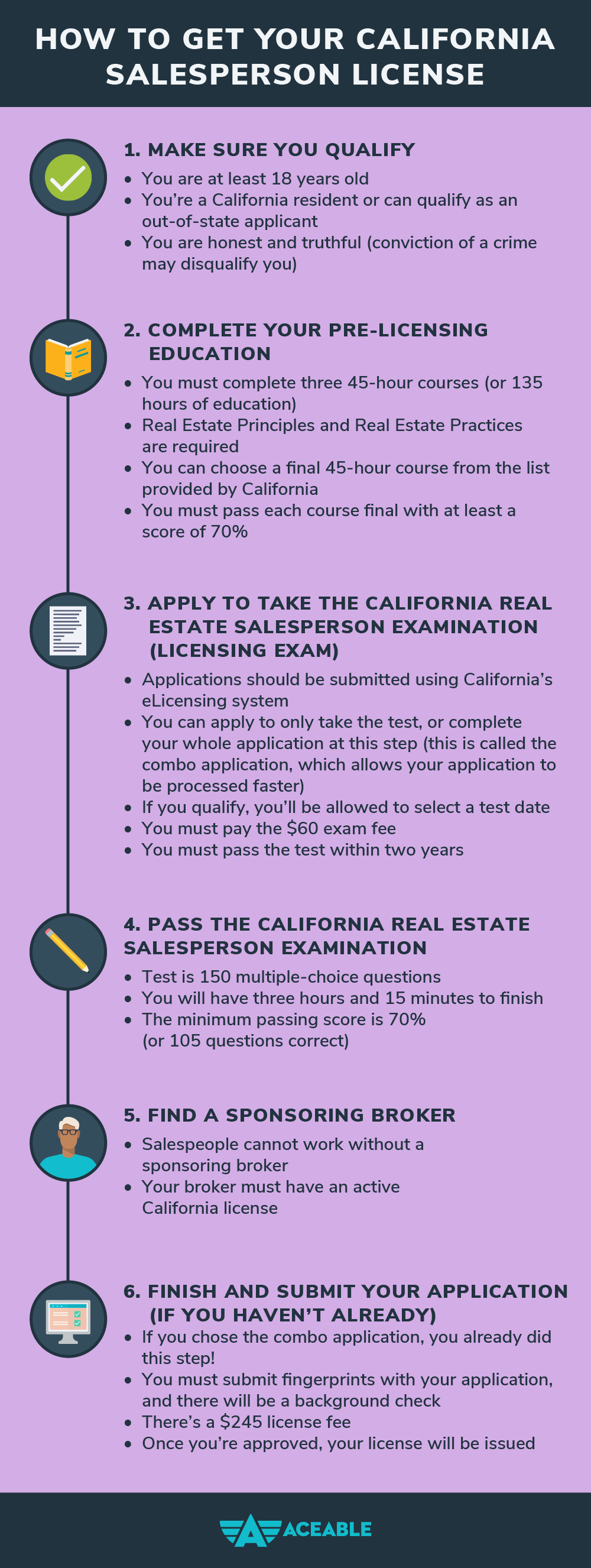
- Age Requirement: You must be at least 18 years old to apply for a real estate salesperson license. This is a straightforward requirement, ensuring a level of maturity for handling significant financial transactions and responsibilities.
- Residency: While you don’t need to be a resident of California to obtain a license, you do need to meet the application requirements, which include submitting to fingerprinting and a background check within the state. However, understanding the local market, regulations, and cultural nuances is almost impossible without spending significant time within California itself. Many out-of-state applicants find themselves drawn to the Californian lifestyle and opt for temporary long-term stays or relocate entirely to fully immerse themselves.
- Honesty and Integrity: The DRE scrutinizes applicants’ backgrounds carefully. Any criminal convictions, especially those related to honesty, fraud, or real estate practices, could lead to denial of a license. Transparency throughout the application process is crucial. This requirement underscores the importance of trust in real estate transactions, a bedrock principle that ensures clients feel secure in entrusting their most valuable assets to a professional.
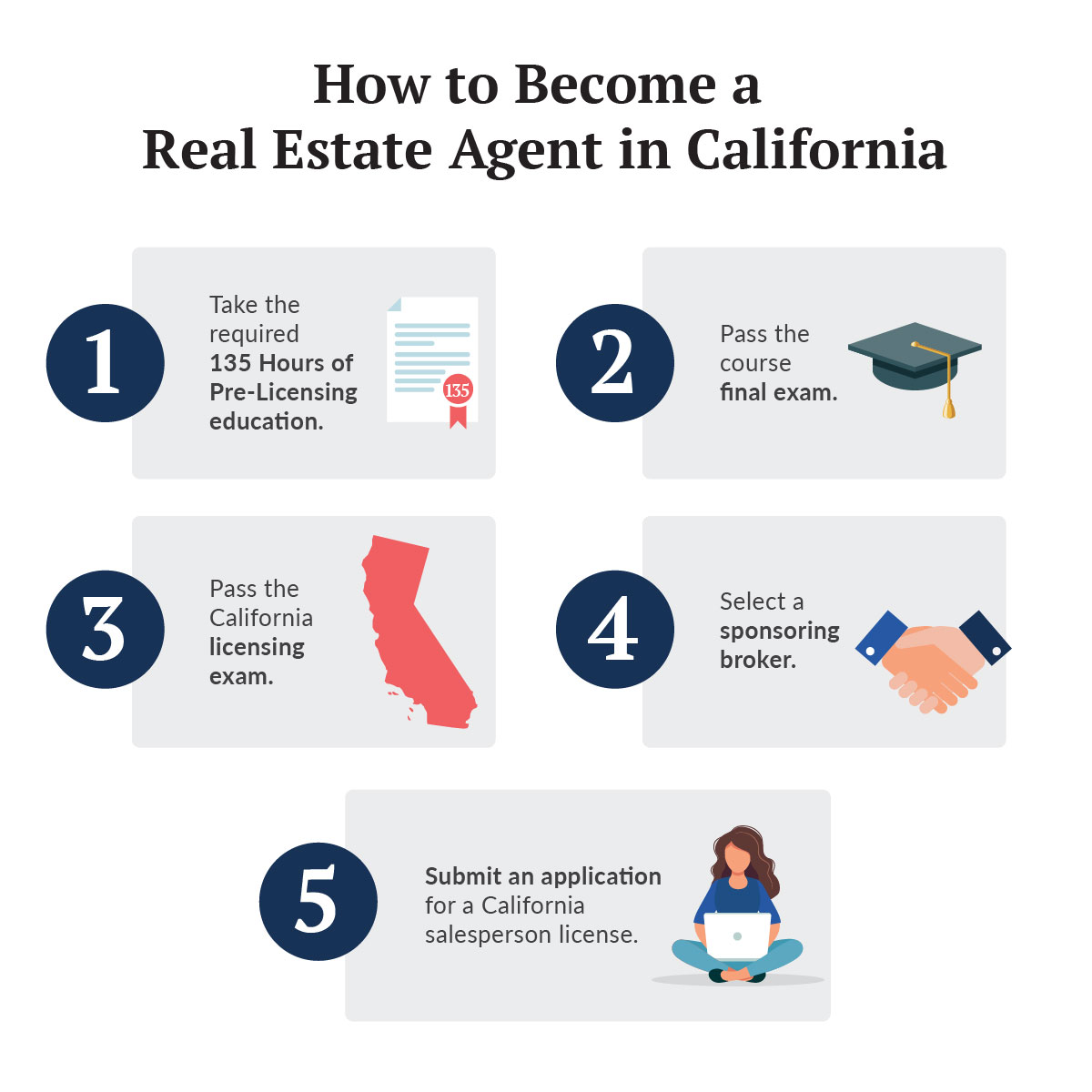
- Educational Requirements: This is perhaps the most significant hurdle for many and forms the core of your preparatory journey. California mandates that you complete 135 hours of approved real estate education. This usually comprises three college-level courses:
- Real Estate Principles: This foundational course covers the basics of real estate, including property ownership, financing, contracts, and agency relationships. It’s like a comprehensive travel guide to the real estate world.
- Real Estate Practice: This course delves into the practical aspects of working as a real estate agent, from listing and selling properties to marketing and client management. It’s essentially your playbook for navigating the day-to-day activities of an agent.
- One Elective Course: You can choose from a variety of electives, such as Real Estate Finance, Real Estate Appraisal, Property Management, Real Estate Economics, or Legal Aspects of Real Estate. This allows you to tailor your education to areas of particular interest, perhaps aligning with your desired niche, like luxury properties or investment hotels.
These courses can be taken through approved colleges, universities, or private real estate schools. Many providers offer online options, providing flexibility for those who might be balancing other commitments or prefer to study at their own pace. This flexibility can be particularly appealing to individuals who value a nomadic or adaptable lifestyle, similar to those who frequently embark on business stays or extended travel experiences.
Navigating the Education and Application Landscape
Once you meet the basic prerequisites, the path to licensure becomes a structured sequence of education, application submission, and background verification. This phase is about methodical progress and attention to detail, much like planning an intricate multi-stop journey across various destinations.
Fulfilling Your Pre-Licensing Course Requirements
The 135 hours of pre-licensing education are not just a bureaucratic hoop to jump through; they are designed to equip you with the essential knowledge and ethical framework needed to succeed and protect the public. Each course is typically 45 hours in length.
Choosing the right real estate school is a critical decision. Look for schools approved by the DRE that offer comprehensive curricula, experienced instructors, and support for exam preparation. Many schools offer various formats:
- Online Self-Study: Ideal for those who need maximum flexibility, akin to planning a solo travel itinerary where you control the pace. You work through materials at your own speed, often with online quizzes and a final exam.
- Live Online Classes: These offer the structure of a classroom with the convenience of remote access, allowing interaction with instructors and classmates, similar to a guided virtual tour of a famous place.
- In-Person Classes: For those who thrive in a traditional classroom setting, offering direct interaction and networking opportunities, much like joining a local tourism group to explore local culture.
Regardless of the format, ensure that the school provides excellent resources and a strong emphasis on understanding California-specific laws and practices. The material covers a vast range of topics, from contract law and property disclosure to ethical conduct and fair housing. Mastering these concepts is not just for passing the exam; it’s foundational for a responsible and successful career, ensuring you can competently advise clients on everything from booking a sale to understanding complex title issues.
The Application Process: From Forms to Fingerprints
With your educational requirements fulfilled, the next step is to formally apply for your salesperson license exam. This process involves several key components:
- Submit the Salesperson Exam Application (RE 400A): This form officially registers you to take the state exam. You will need to provide details of your completed education, including transcripts or certificates from your approved real estate school. Ensure all information is accurate and consistent with your identification.
- Fingerprinting (Live Scan): All applicants must undergo a background check. This requires submitting fingerprints via a Live Scan service. The DRE requires that you use a Live Scan Request (RE 237) form, which you can obtain from the DRE website. Once fingerprinted, the results are sent electronically to the California Department of Justice (DOJ) and the Federal Bureau of Investigation (FBI). This step is crucial for establishing your honesty and integrity, a core tenet in the real estate profession, much like trustworthy reviews are essential for selecting the right hotel or resort.
- Pay the Application Fees: There are fees associated with both the exam application and the license application. These fees are non-refundable, so it’s important to ensure all your documentation is in order before submission. Always check the official DRE website for the most current fee schedule.
- Wait for Authorization: After submitting your application and fingerprints, the DRE will review your eligibility. Once approved, they will send you an Authorization to Take Exam (ATE) letter, which will provide instructions on how to schedule your exam. This waiting period can feel like the anticipation before a major trip, but it’s a necessary part of the journey towards your new career.
It’s possible to apply for both the exam and the license at the same time using the “Salesperson Exam/License Application” (RE 435). This can streamline the process, as the DRE will process your license application immediately after you pass the exam, assuming all other requirements are met. This combined approach is often favored by those eager to launch their careers and immerse themselves quickly in the travel and property lifestyle of a real estate agent.
Conquering the Exam and Launching Your Career
The state exam is the final academic hurdle, a comprehensive test of your knowledge across all aspects of real estate. Passing it is a significant achievement and the gateway to your new professional life.
Mastering the California Real Estate Salesperson Exam
The California Real Estate Salesperson Exam is notoriously challenging, designed to ensure that only qualified individuals enter the profession. It’s a multiple-choice exam consisting of 150 questions, and you have 3 hours and 15 minutes to complete it. A passing score is 70% or higher.
The exam covers a broad spectrum of topics, including:
- Real Estate Law
- Ethics and Professional Conduct
- Contracts
- Agency
- Real Estate Practice
- Financing
- Valuation and Appraisal
- Property Management
- Taxation
- Disclosure
Effective preparation is key. Many successful candidates utilize a combination of study methods:
- Review Course Materials: Go back through your pre-licensing course textbooks and notes.
- Practice Exams: Take as many practice exams as possible. Many real estate schools offer online practice tests that simulate the actual exam environment and question types. This is akin to using guides and maps to thoroughly prepare for navigating a complex new destination.
- Study Groups: Collaborating with other aspiring agents can be incredibly beneficial, allowing you to discuss challenging topics and test each other’s knowledge.
- Focus on Weak Areas: Identify subjects where you struggle and dedicate extra study time to them.
- Exam Day Strategy: Get a good night’s sleep, arrive early, and read each question carefully. Don’t rush. The exam centers are located in various California cities such as Sacramento, Fresno, Oakland, Los Angeles, and San Diego, making the exam itself a short trip for many.
Upon passing the exam, you’ll receive immediate notification at the testing center. This moment of triumph is often compared to reaching the summit of a challenging peak after a long journey, marking the successful completion of a significant phase in your lifestyle transformation. If you submitted the combined exam/license application (RE 435), your license will typically be mailed to you within a few days or weeks, provided your background check has cleared. If you applied separately, you’ll need to submit the Salesperson License Application (RE 202) along with the required fees after passing the exam.
Embracing the Real Estate Lifestyle: Beyond the License
With your license in hand, you are now officially a real estate salesperson in California! However, this is just the beginning. To activate your license and begin practicing, you must join a licensed real estate broker. Your broker will provide mentorship, office space, and access to the Multiple Listing Service (MLS), which is essential for conducting business. Choosing the right broker is as important as choosing the right hotel for a crucial business stay – it significantly impacts your experience and success.
The real estate profession offers unparalleled flexibility and the potential for a lucrative income, making it an attractive option for those seeking a dynamic lifestyle. You set your own hours, manage your own client base, and have the freedom to specialize in areas that genuinely interest you, whether it’s luxury travel properties in Orange County, budget travel friendly starter homes in the Inland Empire, or commercial suites in downtown Sacramento. This entrepreneurial spirit is a hallmark of the real estate career, allowing you to craft a professional life that aligns with your personal values and aspirations.
The Dynamic World of California Real Estate: A Lifestyle Perspective
Real estate is intrinsically linked to how people live, work, and experience the world. For a website focused on travel, hotels, tourism, accommodation, landmarks, and lifestyle, a career in California real estate offers a unique vantage point to explore these themes every single day.
Travel and Exploration in Your Real Estate Career
As a real estate agent, your office is often the open road, or more specifically, the diverse neighborhoods and regions of California. You’ll constantly be on the move, showing properties, meeting clients, and attending open houses. This inherent element of travel means you’ll develop an intimate knowledge of different destinations within the state. From the urban jungles of Los Angeles with its sprawling Hollywood Hills estates, to the pristine natural beauty surrounding Lake Tahoe vacation homes, each area presents unique architectural styles, local amenities, and community vibes.
You’ll become an expert on the best routes, local eateries, hidden attractions, and even the optimal times to travel between areas. This continuous exploration sharpens your geographical awareness and allows you to offer more insightful guides to clients considering a move to a new area. Imagine a family trip to Disneyland for a client, followed by a showing of homes nearby. Your work directly connects you to the recreational and leisure experiences that define California living. Furthermore, the flexibility of the career means that once you establish yourself, you might even have the freedom to incorporate more personal luxury travel or budget travel into your own lifestyle, balancing work with personal exploration.
Understanding Accommodation and Investment Opportunities
The core of real estate is, of course, accommodation. As an agent, you’ll gain an unparalleled understanding of various housing types, from single-family homes and condominiums to multi-unit apartment complexes and expansive resorts. You’ll become adept at identifying what makes an apartment desirable in a bustling city center versus a serene villa in a rural retreat. This includes deep dives into amenities, property features, neighborhood desirability, and investment potential.
For clients looking for second homes or vacation rentals, your knowledge extends to the best spots for short-term stays, or understanding the appeal of suites within a hotel development converted into fractional ownership. You’ll analyze data for long-term stays versus transient accommodation markets, providing valuable tips on where and how to invest. This expertise is highly valued, as you become a trusted advisor not just on buying a house, but on investing in a piece of the Californian dream, often with an eye towards potential returns and how the property integrates with the larger tourism economy. You’ll be interpreting market reviews and conducting complex comparisons to find the optimal fit for your clients.

The Impact of Tourism and Local Culture on Property Values
California’s economy is heavily influenced by its vibrant tourism industry. Millions flock to the state each year to experience its landmarks, attractions, architecture, and local culture. As a real estate agent, understanding the ebb and flow of tourism and its impact on property values is crucial. Properties in popular tourist destinations like Santa Barbara, Big Sur, or near major attractions such as the studios in Hollywood often command higher prices, driven by demand for vacation rentals or second homes.
Moreover, the distinct local culture of each region—from the foodie scene in San Francisco, to the surf culture of Orange County, or the arts scene in Laguna Beach—plays a significant role in a property’s appeal. An agent who understands and appreciates these cultural nuances can better market a home, highlighting its proximity to desired food experiences, art galleries, or outdoor activities. This deep connection between property and place, between history and modern living, makes the real estate profession in California not just a career, but a continuous lesson in the state’s diverse geography, economy, and human spirit.
Obtaining your real estate license in California is an investment in a future rich with professional growth, personal development, and a continuous engagement with the state’s unparalleled lifestyle. It’s a journey that demands dedication and continuous learning, but offers the profound satisfaction of helping others find their place in one of the most exciting and beautiful regions in the world. Start your journey today, and prepare to embark on a career that is as dynamic and rewarding as California itself.
LifeOutOfTheBox is a participant in the Amazon Services LLC Associates Program, an affiliate advertising program designed to provide a means for sites to earn advertising fees by advertising and linking to Amazon.com. Amazon, the Amazon logo, AmazonSupply, and the AmazonSupply logo are trademarks of Amazon.com, Inc. or its affiliates. As an Amazon Associate we earn affiliate commissions from qualifying purchases.