
The Cecil Hotel, a name that resonates with a complex and often dark history, has been a significant fixture in the Los Angeles landscape for decades. While its notoriety stems from a series of tragic events and unsolved mysteries, the hotel also holds a place in the city’s architectural and social history. For those seeking to understand its location, its past, and its current status, this exploration delves into the heart of what made the Cecil Hotel a subject of intrigue and fascination.
Locating The Cecil Hotel: A Downtown Los Angeles Icon
The Cecil Hotel is situated in the vibrant and bustling heart of Downtown Los Angeles. Its precise address is 640 South Main Street, Los Angeles, California 90014. This central location places it within the historic core of the city, surrounded by a rich tapestry of architectural styles, cultural institutions, and urban life.

A Historic Neighborhood
The Cecil Hotel stands as a testament to Los Angeles‘s early 20th-century growth. Built in 1924, it was initially intended as a grand accommodation for travelers and residents alike. Its location on Main Street was strategic, placing it amidst the burgeoning commercial and residential development of the era. The neighborhood has seen significant transformation over the years, shifting from a prestigious address to a more challenging urban environment, and more recently, undergoing a revitalization effort.
The area surrounding the Cecil Hotel is characterized by its diverse architecture, ranging from Art Deco skyscrapers to more utilitarian mid-century buildings. It’s a district where history is palpable, with echoes of the city’s past around every corner. The Historic Core of Downtown Los Angeles is known for its density, its eclectic mix of businesses, and its resilient spirit.
Proximity to Key Attractions
Despite its troubled past, the Cecil Hotel‘s location offers convenient access to many of Los Angeles‘s key attractions. Within walking distance or a short ride, visitors can explore:
- Grand Central Market: A historic food hall offering a global culinary experience, a beloved Los Angeles institution since 1917.
- Bradbury Building: An architectural marvel renowned for its ornate wrought-iron interior and skylit atrium, a frequent filming location.
- Walt Disney Concert Hall: A stunning example of contemporary architecture and a premier venue for performing arts.
- The Broad: A contemporary art museum housing an impressive collection of post-war and contemporary art.
- Olvera Street: The “birthplace of Los Angeles,” a vibrant Mexican marketplace and historic district.
This proximity to cultural landmarks and vibrant urban spaces highlights the potential of the Cecil Hotel‘s location, even as its reputation has overshadowed these aspects.
The Cecil Hotel: A History Steeped in Controversy and Resilience
The Cecil Hotel‘s narrative is inextricably linked to a series of events that have cemented its place in popular culture and true crime lore. While its physical location remains constant, its identity has been shaped by the stories that have unfolded within its walls.
Notoriety and Tragic Events
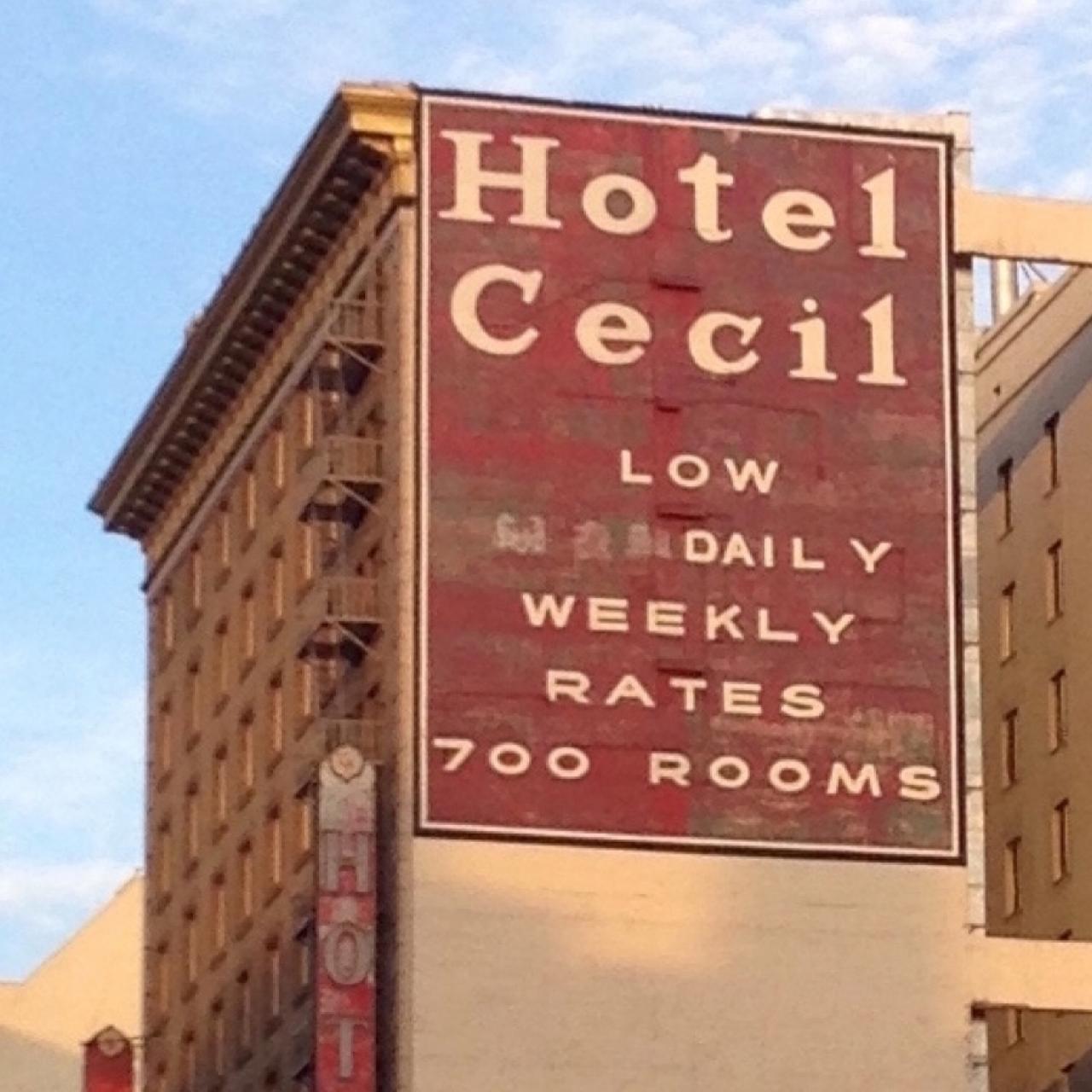
The hotel gained significant notoriety due to its association with several high-profile criminal cases and tragic occurrences.
- Elizabeth Short Murders: In 1947, the Cecil Hotel gained infamy as the last place Elizabeth Short, the “Black Dahlia,” was reportedly seen alive. The unsolved murder of Elizabeth Short remains one of Los Angeles‘s most notorious cold cases.
- Richard Ramirez: The notorious serial killer “Night Stalker,” Richard Ramirez, was a resident of the Cecil Hotel for a period in the mid-1980s. He was known to have lived in the hotel, further contributing to its dark reputation.
- Jack Unterweger: Austrian serial killer Jack Unterweger also resided at the Cecil Hotel in the early 1990s while he was on parole in Los Angeles. His murders during this time were attributed to him upon his return to Austria.
- Suicides and Other Deaths: Over the years, the Cecil Hotel has been the site of numerous suicides and unexplained deaths, contributing to a persistent aura of unease surrounding the property.
These events, widely publicized and often sensationalized, have made the Cecil Hotel a macabre tourist attraction for some, drawing attention from paranormal investigators and true crime enthusiasts.
Resilience and Transformation Attempts
Despite its dark past, the Cecil Hotel has also demonstrated a degree of resilience. It has operated for nearly a century, weathering economic downturns and societal changes. The hotel has, at various times, served different segments of the population, from upscale travelers in its early days to more budget-conscious guests and even as affordable housing.
In recent years, there have been significant efforts to reimagine and revitalize the Cecil Hotel. Recognizing its historical significance and prime location, developers have sought to transform the property into a modern accommodation. These endeavors have aimed to shed the hotel’s dark associations and re-establish it as a desirable place to stay, blending its historical charm with contemporary amenities. The process of renovation and rebranding is a testament to the enduring appeal of its location and its potential as a contributor to Downtown Los Angeles‘s evolving urban landscape.
The Cecil Hotel’s Future: From Infamy to Redevelopment
The Cecil Hotel‘s journey from a grand hotel of the past to a site of infamy, and now to a symbol of redevelopment, is a compelling aspect of its story. Its physical presence in Downtown Los Angeles has remained, but its purpose and perception have undergone significant shifts.
Redevelopment and New Beginnings
The Cecil Hotel has been the subject of extensive redevelopment projects. These initiatives aim to transform the historic building into a mixed-use space that could include hotel rooms, residential units, and commercial areas. The goal of these projects is to breathe new life into the property and integrate it more harmoniously with the ongoing revitalization of Downtown Los Angeles.
The challenge of any redevelopment of the Cecil Hotel lies in balancing its historical legacy with the need to create a safe, welcoming, and desirable destination. Architects and urban planners have grappled with how to honor the building’s past while forging a new identity. This often involves significant structural and aesthetic renovations, updating the infrastructure to meet modern standards, and reconfiguring the spaces to optimize their functionality.
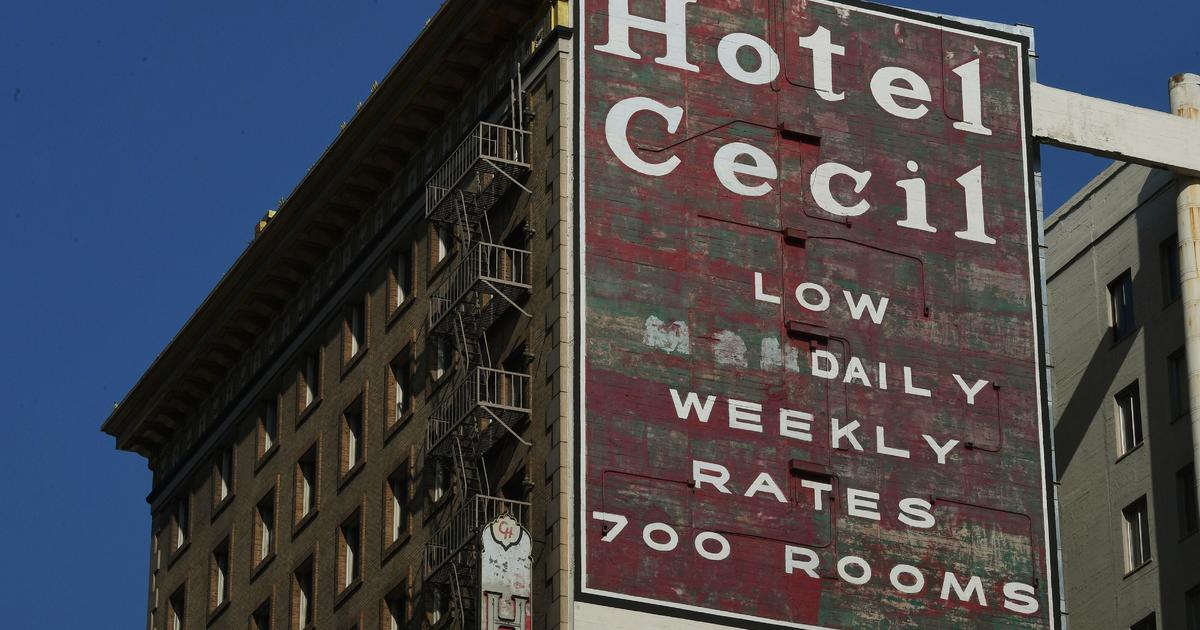
Impact on Tourism and Accommodation
The fate of the Cecil Hotel has a direct impact on the tourism and accommodation landscape in Downtown Los Angeles. As a large, historic building in a central location, its successful redevelopment could add a significant number of lodging options to the market. This could attract a new wave of visitors to the area, interested in experiencing the hotel’s unique blend of history and modern comfort.
For travelers seeking accommodation, the Cecil Hotel represents a potential choice that offers more than just a place to sleep; it offers a connection to the city’s complex past. Whether its future lies as a boutique hotel, serviced apartments, or a combination of uses, its redevelopment signifies a new chapter in the ongoing story of Los Angeles and its iconic landmarks. The question of “Where Is The Cecil Hotel?” is no longer just about its physical coordinates; it’s also about its evolving place in the city’s narrative.
LifeOutOfTheBox is a participant in the Amazon Services LLC Associates Program, an affiliate advertising program designed to provide a means for sites to earn advertising fees by advertising and linking to Amazon.com. Amazon, the Amazon logo, AmazonSupply, and the AmazonSupply logo are trademarks of Amazon.com, Inc. or its affiliates. As an Amazon Associate we earn affiliate commissions from qualifying purchases.