
For residents of Colorado planning domestic air travel or seeking access to certain federal facilities, obtaining a Real ID is no longer an optional convenience but a critical requirement. Enacted in response to the September 11th attacks, the Real ID Act establishes minimum security standards for state-issued driver’s licenses and identification cards, making them compliant for specific federal purposes. Understanding the process and gathering the correct documentation is paramount for a seamless application, ensuring your future travel plans remain uninterrupted.
Understanding the Real ID Act and Its Importance for Travelers
The landscape of identification for domestic travel shifted significantly with the implementation of the Real ID Act. What was once a standard driver’s license or state ID is now subject to more stringent federal guidelines, directly impacting how Americans navigate their own country. For those who frequently journey across state lines or plan to explore the diverse attractions of the United States, a Real ID is an indispensable tool.
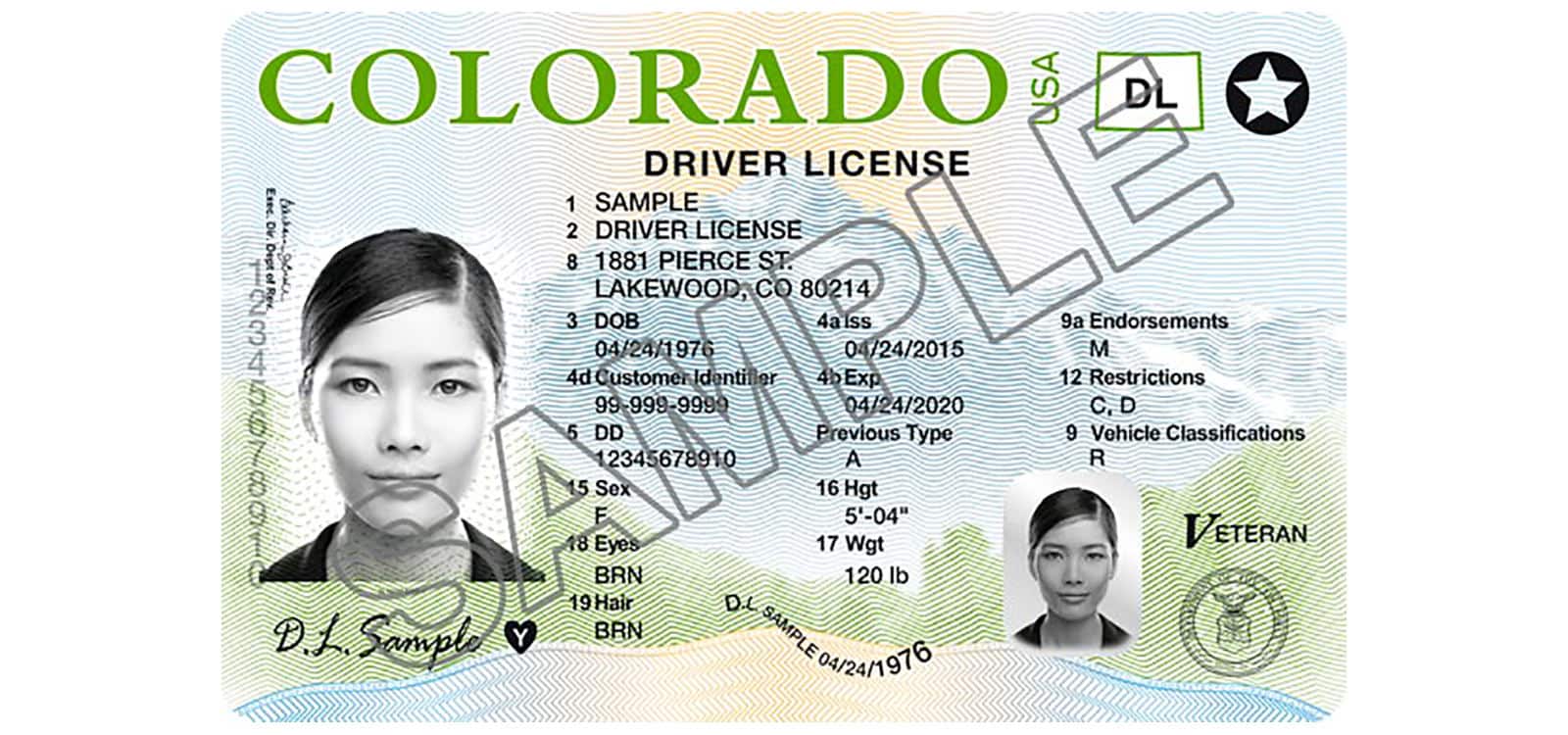
What is a Real ID?
A Real ID-compliant driver’s license or identification card is a state-issued document that meets enhanced security standards set by the federal government. Visually, it’s distinguished by a star emblem, typically gold or black, located in the upper right-hand corner of the card. This star signifies that the holder has provided documented proof of identity, legal presence, Social Security Number, and residency to their state’s issuing agency, such as the Colorado Division of Motor Vehicles (DMV). The underlying purpose is to prevent identity fraud and strengthen national security by ensuring that individuals accessing federal services or boarding aircraft are verifiably who they claim to be. It is not a national ID card, nor does it affect existing state laws regarding the validity of non-Real ID documents for driving, voting, or age verification. However, its federal implications are substantial.
Why Travelers Need It
The primary reason most individuals in Colorado opt for a Real ID is to facilitate domestic air travel. Effective on a federally mandated date, travelers aged 18 and older will be required to present a Real ID-compliant driver’s license or another acceptable form of identification, such as a U.S. passport or military ID, to board commercial flights within the United States. Without one, even with a valid standard driver’s license, you could be denied boarding. This impacts everything from a ski trip to Aspen to a business conference in New York City. Beyond air travel, a Real ID is also necessary for gaining access to most federal facilities, including federal courthouses, military bases, and nuclear power plants. For the adventurous traveler who might visit a national park or government-run attraction, carrying a Real ID ensures smoother entry processes.
The Federal Deadline
While the Real ID Act was passed in 2005, its full enforcement for domestic air travel has seen several postponements. It is critical for Colorado residents to stay informed about the current federal deadline, as it dictates when a Real ID becomes absolutely mandatory for boarding flights. The Department of Homeland Security regularly updates this information, and states like Colorado have been actively issuing Real ID-compliant documents for several years. Even if the deadline seems distant, it is highly advisable to obtain your Real ID well in advance to avoid last-minute rushes, potential delays, or disruptions to your travel itinerary. Planning ahead safeguards your journeys, allowing you to focus on the experience rather than logistical hurdles.
Essential Documentation: What You’ll Need
The most crucial step in obtaining a Real ID in Colorado is compiling the correct documentation. The Colorado Division of Motor Vehicles (DMV), part of the Colorado Department of Revenue, adheres strictly to federal guidelines, requiring specific proofs to verify your identity. Arriving at the DMV without all necessary documents will result in an immediate rejection of your application, necessitating a return visit. It is highly recommended to gather original documents or certified copies; photocopies are generally not accepted.
Proof of Identity
To establish your identity, you will typically need to present one document from a list of acceptable proofs. Common examples include:
- A valid, unexpired U.S. passport or U.S. passport card.
- An original or certified birth certificate issued by a U.S. state, territory, or the District of Columbia.
- A Consular Report of Birth Abroad.
- A Certificate of Naturalization.
- A Certificate of Citizenship.
The name on this document must match your current legal name. If it does not, you will also need to provide documentation for name changes.
Proof of Social Security Number (SSN)
Federal regulations mandate proof of your Social Security Number. Acceptable documents include:
- Your original Social Security card.
- A W-2 form.
- A SSA-1099 form.
- A non-SSA 1099 form.
- A pay stub with your name and full Social Security Number printed on it.
It’s important that the name on the Social Security document matches your current legal name or is accompanied by appropriate name change documents.
Proof of Colorado Residency
You must demonstrate that you are a current resident of Colorado. This typically requires two separate documents with your name and current Colorado street address. Post office box addresses are generally not accepted. Examples of suitable documents include:
- A utility bill (gas, electric, water, trash, internet, cable, landline phone).
- A bank statement or credit card statement.
- A rental agreement or lease (signed by landlord and tenant).
- A mortgage statement.
- A Colorado title or registration for a vehicle.
- A pay stub (within 90 days).
- A letter from a homeless shelter, halfway house, or government agency providing services.
- A valid Colorado hunting or fishing license.
- A student transcript or report card from an accredited school.
The documents must be recent, typically within one year, though some like pay stubs might have a shorter validity window (e.g., 90 days).
Proof of Lawful Presence
For non-U.S. citizens, proof of lawful presence is additionally required. This could include documents such as:
- A valid, unexpired Permanent Resident Card (Green Card).
- An unexpired foreign passport with a valid U.S. visa and I-94 form.
- An Employment Authorization Document (EAD card).
- A Certificate of Eligibility for Nonimmigrant (F-1) Student Status (I-20) with a valid foreign passport and I-94 form.
The specific documents will vary based on your immigration status, and it is crucial to consult the Colorado DMV website for the most accurate and up-to-date list relevant to your situation.

Documentation for Name Changes
If the name on your identity document (e.g., birth certificate) does not match your current legal name, you must provide all legal documents that connect the name on your identity document to your current name. This often includes:
- Marriage certificates.
- Divorce decrees.
- Court orders for a name change.
- Adoption records.
Each document must be an original or certified copy. A continuous paper trail of name changes is necessary. For example, if you changed your name multiple times through different marriages or court orders, you may need to provide all corresponding certificates and decrees.
The Application Process in Colorado
Once you have meticulously gathered all your required documents, the actual application process for a Real ID in Colorado is relatively straightforward, primarily involving an in-person visit to a Colorado Division of Motor Vehicles office. Preparedness at each stage will ensure efficiency.
Scheduling Your Appointment
The Colorado DMV strongly recommends scheduling an appointment for Real ID applications. Walk-ins are often accommodated but can involve significant wait times, particularly in larger metropolitan areas like Denver or Colorado Springs. Scheduling an appointment online via the Colorado Department of Revenue’s MyDMV portal allows you to choose a convenient date and time, reducing your overall time spent at the office. This also ensures that a staff member will be available to process your specific application, which involves a more thorough document review than a standard driver’s license renewal. Confirm the specific DMV location you plan to visit, as services can vary, though Real ID processing is generally universal.
Visiting a Colorado DMV Office
On the day of your appointment, arrive a few minutes early with all your original or certified copy documents neatly organized. This means your proof of identity, Social Security Number, two proofs of Colorado residency, and any necessary name change documents. Ensure all documents are easily accessible. Be prepared to have your photo taken for the new ID card, so plan accordingly in terms of appearance. It’s also advisable to bring a payment method for the application fee, which can typically be paid by cash, check, or credit/debit card, though payment options may vary by location.
What to Expect at the Office
Upon checking in for your appointment, you will likely be directed to a specific station where a DMV technician will meticulously review all your submitted documents. This is a critical step, as they must verify the authenticity and completeness of each item. They will scan or copy the documents for their records. Be prepared to answer questions regarding your information, and maintain patience, as this verification process can take some time. Once your documents are approved, you will proceed to capture your photograph and provide your signature. You will then pay the applicable fee. The Real ID-compliant license or identification card is typically mailed to your Colorado address within a few weeks, though you will generally receive a temporary paper ID to use until your permanent card arrives.
Beyond the Basics: Tips for a Smooth Application
While the core steps involve gathering documents and visiting the DMV, some additional considerations can significantly smooth the application process for your Colorado Real ID. Proactive measures can prevent common frustrations and ensure your travel readiness.
Common Pitfalls to Avoid
One of the most frequent reasons for Real ID application rejection is incomplete or incorrect documentation. Avoid bringing photocopies unless explicitly stated as acceptable (which is rare for primary documents). Ensure that all names, dates, and addresses on your documents are consistent or accounted for with appropriate name change paperwork. Do not assume old utility bills or outdated lease agreements will be accepted; always check the Colorado DMV’s most current list of acceptable documents and their validity periods. Another pitfall is showing up without an appointment during peak hours, which can lead to extensive delays or being turned away. Lastly, if you have recently moved or changed your name, ensure all your supporting documents reflect your current information or you have the necessary legal bridge documents.
Verifying Documents Online
The Colorado Department of Revenue’s MyDMV portal often provides tools or detailed checklists that allow you to pre-verify which documents you will need, or at least understand the exact requirements for each category. Some states even offer an online “document wizard” that helps you identify the specific documents applicable to your situation. Utilize these online resources before your appointment to create a personalized checklist and ensure you have everything in order. This self-assessment can save you a trip and significant frustration.
What If You Don’t Have All Documents?
If you genuinely cannot locate one of the required original documents, such as your birth certificate or Social Security card, initiate the process to obtain replacements as soon as possible. Birth certificates can typically be ordered from the vital records office in the state or county where you were born. A replacement Social Security card can be requested from the Social Security Administration (SSA). Be aware that obtaining these replacement documents can take several weeks or even months, so factor this into your timeline, especially if you have upcoming travel plans. For residency proofs, carefully review the Colorado DMV’s extensive list, as there are many options beyond standard utility bills.
Travel Implications Without a Real ID
The consequences of not having a Real ID-compliant document can significantly impact your ability to travel domestically or access certain federal facilities. Understanding these implications underscores the importance of obtaining your Real ID well before the federal enforcement deadline.
Domestic Air Travel
Once the federal deadline for Real ID enforcement arrives, a standard Colorado driver’s license or ID card without the star emblem will no longer be accepted by the Transportation Security Administration (TSA) for boarding domestic flights. This means that if you arrive at Denver International Airport or Colorado Springs Airport without a Real ID or an alternative acceptable ID (like a U.S. passport), you will not be permitted to proceed through security checkpoints and board your flight. This can lead to missed flights, forfeited tickets, and considerable travel disruption, potentially ruining vacation plans or important business trips. The TSA does provide an avenue for travelers who forget their ID, involving additional identity verification steps and enhanced screening, but this is not a guaranteed solution and can cause significant delays.

Accessing Federal Facilities
Beyond air travel, a Real ID is also necessary for unescorted access to most federal facilities. This includes buildings like federal courthouses, military bases, national laboratories, and certain federal agencies. While this might not affect every traveler, those conducting business with federal entities, visiting family on military installations, or engaging with government services will find a Real ID essential. For example, if your travel takes you to a military base for an event or to visit a relative, a Real ID will likely be your required form of identification for entry. Without it, you could be denied access, much like being denied boarding a flight, causing inconvenience and disruption to your plans. Therefore, a Real ID is not just about air travel but also about broader interaction with federal government services and sites.
LifeOutOfTheBox is a participant in the Amazon Services LLC Associates Program, an affiliate advertising program designed to provide a means for sites to earn advertising fees by advertising and linking to Amazon.com. Amazon, the Amazon logo, AmazonSupply, and the AmazonSupply logo are trademarks of Amazon.com, Inc. or its affiliates. As an Amazon Associate we earn affiliate commissions from qualifying purchases.