
Understanding your legislative district in Arizona is a crucial step in civic engagement, empowering you to know who your representatives are and how to best advocate for your interests at the state level. The Grand Canyon State operates under a bicameral legislature, composed of the Arizona State Senate and the Arizona House of Representatives. These bodies, along with the Governor, form the core of Arizona’s state government. Knowing your specific district is the key to participating effectively in this democratic process, from voting in primary and general elections to contacting your elected officials about issues that matter to you.

Understanding Arizona’s Legislative Structure
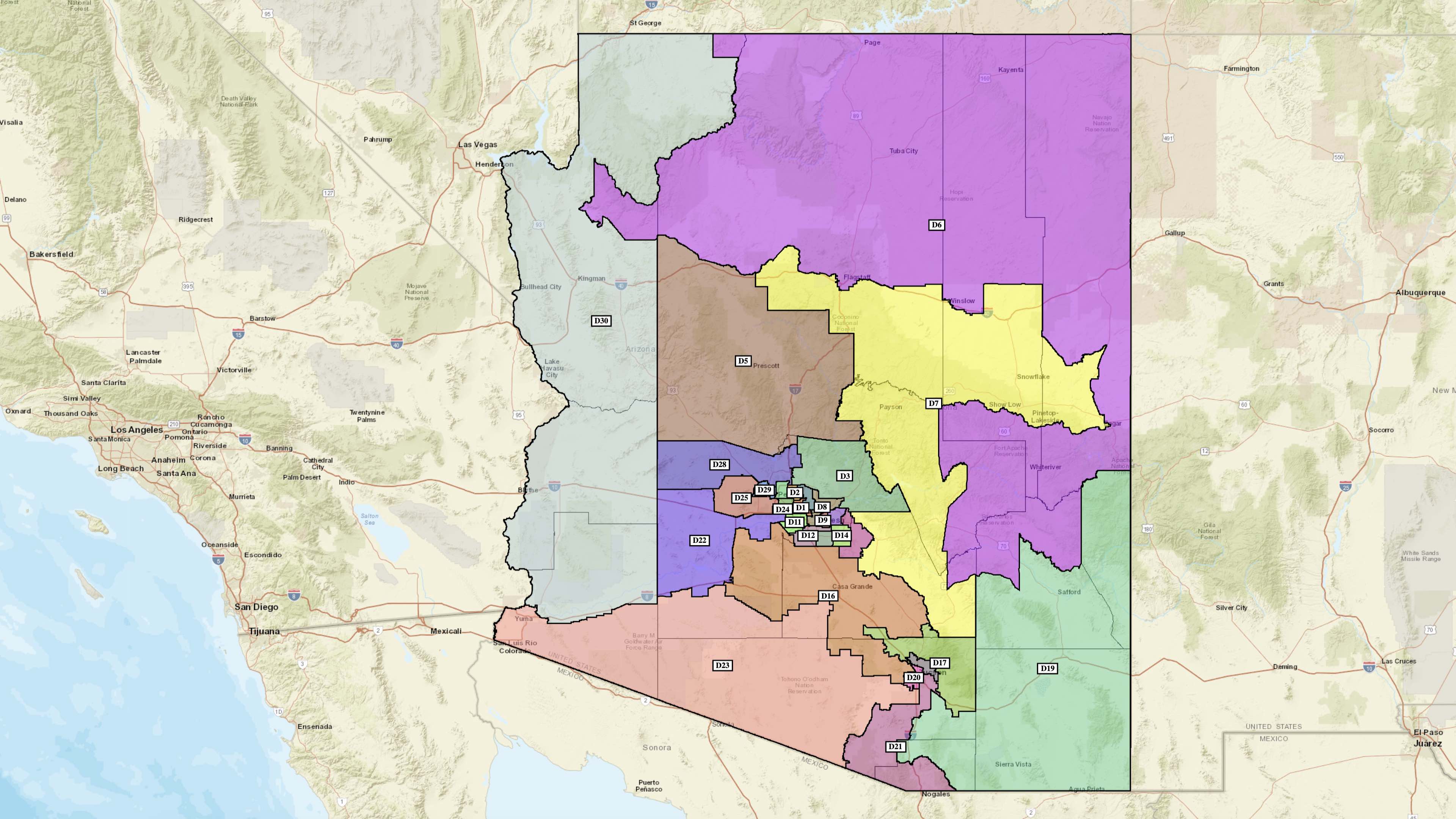
Arizona is divided into 30 legislative districts, each of which elects one state senator and two state representatives. This means that within each district, voters have three state-level representatives to voice their concerns. The districting process is overseen by the Arizona Independent Redistricting Commission, which aims to draw boundaries that are competitive and adhere to population equality as mandated by law. These districts are redrawn every 10 years following the U.S. Census to reflect population shifts.
The Role of State Legislators
State senators and representatives in Arizona are responsible for introducing, debating, and voting on legislation that affects the daily lives of all Arizonans. This includes laws related to education, healthcare, transportation, environmental protection, taxation, and much more. They also play a vital role in crafting the state budget, allocating funds to various agencies and programs. Your representatives are your direct link to this legislative process. They are tasked with understanding the needs and priorities of their constituents and representing those interests in the halls of government in Phoenix.
Senate vs. House of Representatives
While both chambers of the Arizona State Legislature work together, there are distinct roles. Senators serve four-year terms, with approximately half of the Senate seats up for election every two years. Representatives serve two-year terms, with all seats up for election every two years. This difference in term length can influence the pace and focus of legislative work. Ultimately, both elected officials from your district, regardless of the chamber, are there to serve you and advocate for policies that benefit your community and the state as a whole.
How to Find Your Legislative District
Locating your legislative district is a straightforward process and can be accomplished through several official and reliable channels. The most direct method is to utilize the tools provided by the Arizona State Legislature itself. These resources are designed to be user-friendly and accessible to all residents.
Online Tools and Resources
The Arizona State Legislature website typically offers an online locator tool. This is the most efficient and recommended method for determining your district.
Arizona State Legislature Website
- Navigate to the Official Website: Visit the official website of the Arizona State Legislature.
- Find the “Find My Legislator” or “Legislative District Finder” Section: Look for a prominent link or section on the homepage, often found in the navigation menu or footer.
- Enter Your Address: You will usually be prompted to enter your residential address, including your street number, street name, city, and zip code.
- Submit and View Results: After submitting your information, the system will display your legislative district number, as well as the names and contact information of your state senator and state representatives.
This tool draws directly from official state databases, ensuring accuracy. It’s the quickest way to get the precise information you need.
Other Government Websites
In addition to the legislature’s site, other official Arizona government portals may also provide district information. These could include the Arizona Secretary of State website or county election pages, especially during election periods. While these sites might focus more on voting, they often include features to help you identify your representatives and their corresponding districts.
Using Voter Registration Information
Your voter registration information is intrinsically linked to your residential address, and therefore, to your legislative district.
Voter Registration Card
If you have a physical voter registration card, it may sometimes list your legislative district. However, this is not always the case, and addresses can change, making the card potentially outdated for district identification purposes. It’s always best to verify with a current online lookup.
County Recorder or Elections Office
Your local county recorder or elections office is another reliable source. Many counties offer online tools similar to the state legislature’s website, allowing you to look up your district and representatives by address. You can also contact these offices directly by phone or in person if you prefer. They are knowledgeable resources for all election-related and representation matters.
Why Knowing Your District Matters
Understanding your legislative district is more than just a civic formality; it’s a gateway to active and informed participation in the democratic process. It directly impacts your ability to influence policy, hold elected officials accountable, and ensure that your community’s needs are heard and addressed.
Direct Communication with Representatives
Once you know who your state senator and representatives are, you can establish direct lines of communication. This is essential for voicing your opinions on proposed legislation, sharing concerns about local issues, or seeking assistance with state-level matters.
Contacting Your Legislators
- Phone Calls: A direct phone call to their legislative office can be very effective. Be prepared to state your name, that you are a constituent, and clearly articulate your reason for calling.
- Emails: Many legislators have dedicated email addresses for constituent correspondence. These are often listed on their official websites. Craft a concise and well-reasoned email to convey your message.
- Letters: While less immediate, a formal letter can also be a powerful way to communicate your views.
- Town Hall Meetings and Constituent Events: Legislators often hold public forums or town hall meetings in their districts. Attending these events provides an opportunity to speak directly with your representatives in person, ask questions, and engage in discussions.
Building Relationships
Regular communication with your representatives helps build a relationship. When your legislators understand your perspective and the issues that are important to you, they are better equipped to represent your interests effectively.
Voting and Electoral Participation
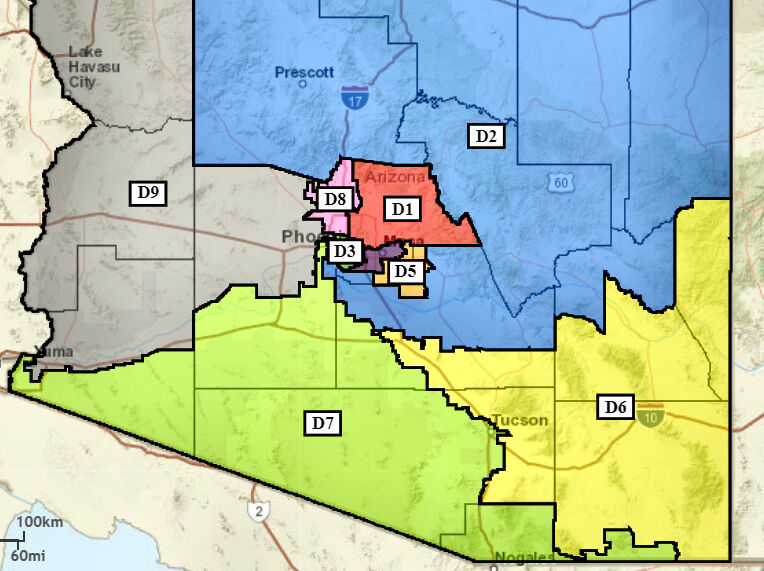
Knowing your legislative district is paramount for informed voting. You will vote for your specific district’s candidates in state legislative elections.
Primary and General Elections
In Arizona, elections for the state legislature are held concurrently with federal and local elections. Understanding your district ensures you are voting for the candidates who will represent you in the Arizona State Senate and Arizona House of Representatives. This is particularly important in primary elections, where you select party nominees, and in general elections, where you choose the eventual officeholders.
Ballot Measures and Local Issues
Legislative districts can sometimes be relevant for local ballot measures or issues that may be specific to a particular region within the state. Being aware of your district context can help you understand how certain policies or propositions might impact your immediate community.
Advocating for Your Community
Your legislative representatives are meant to be advocates for the people they serve. By knowing your district and who represents it, you can actively participate in advocating for the specific needs and priorities of your local community.
Local Impact of State Legislation
Many state laws have a direct impact on local services, infrastructure, schools, and public safety. If your community is facing challenges, understanding which legislators represent your area allows you to focus your advocacy efforts effectively. For example, if your local school district requires additional funding, you would contact your state legislators to discuss potential legislative solutions.
Policy Changes and Initiatives
Whether you are advocating for environmental protection in the Sonoran Desert, improvements to public transportation in Phoenix, or support for local businesses, your state legislators are key figures in influencing policy changes and championing new initiatives that could benefit your area.
Navigating the Arizona Legislature
The Arizona State Legislature is a dynamic institution with processes that can seem complex at first glance. However, understanding its basic functions and how your representatives fit into this structure can demystify the legislative process and empower your engagement.
The Legislative Session
The legislative session in Arizona typically convenes in January and runs through the spring, though special sessions can be called at other times. During the session, bills are introduced, debated, and voted upon in committees and on the floor of each chamber.
Bill Introduction and Committee Process
- Introduction: A bill can be introduced by any legislator. Once introduced, it is assigned to a committee based on its subject matter.
- Committee Hearings: Committees hold hearings where the public can often testify for or against a bill. This is a critical point for constituent input.
- Passage: If a bill passes out of committee, it moves to the full chamber for consideration.
Floor Debate and Voting
- Debate: Legislators debate the merits of the bill on the floor of the Senate or House.
- Voting: A vote is then taken. If a bill passes one chamber, it moves to the other for a similar process.
- Governor’s Approval: If a bill passes both chambers, it is sent to the Governor for signature or veto.
Understanding Your Representatives’ Roles
Your state senator and representatives are not just voters; they are active participants in this entire process. They serve on committees, sponsor legislation, and engage in negotiations to shape laws.
Committee Assignments
Each legislator is assigned to specific committees that align with their interests and expertise. For instance, a legislator from a rural district might serve on an agriculture committee, while one from a more populated area might be on a finance or education committee. Knowing their committee assignments can give you insight into their priorities and areas of focus.
Voting Records
A legislator’s voting record is a public document that details how they have voted on various bills. Reviewing these records can help you understand their alignment with your own political views and priorities. Many legislative websites provide access to voting records.
Staying Informed and Engaged
Active participation requires staying informed. Beyond knowing your district, make an effort to follow the legislative process and the work of your representatives.
News and Media
Keep up with news from Arizona-based news outlets, which often cover legislative developments. Many also have specific sections dedicated to state government and politics.
Official Communications
Sign up for newsletters or email alerts from the Arizona State Legislature or directly from your representatives. This can provide direct updates on legislative activity and opportunities for public input.
By taking the time to understand your legislative district and the workings of the Arizona State Legislature, you are better equipped to be an engaged and effective constituent. This knowledge is fundamental to shaping the future of your state and ensuring your voice is heard in the democratic process.
LifeOutOfTheBox is a participant in the Amazon Services LLC Associates Program, an affiliate advertising program designed to provide a means for sites to earn advertising fees by advertising and linking to Amazon.com. Amazon, the Amazon logo, AmazonSupply, and the AmazonSupply logo are trademarks of Amazon.com, Inc. or its affiliates. As an Amazon Associate we earn affiliate commissions from qualifying purchases.