
Navigating the process of obtaining Texas car registration is a crucial step for any new resident or vehicle owner in the Lone Star State. This guide aims to demystify the requirements, procedures, and essential documents needed to ensure your vehicle is legally registered and you can enjoy all that Texas has to offer without interruption. From initial vehicle inspection to visiting your local county tax assessor-collector’s office, understanding each stage will streamline the process and prevent potential delays.
Understanding the Requirements for Texas Car Registration
Before embarking on the journey to register your vehicle in Texas, it’s imperative to understand the state’s mandates. These requirements are designed to ensure vehicle safety, environmental compliance, and proper taxation. Familiarizing yourself with these prerequisites upfront will make the entire process smoother and more efficient.
Vehicle Inspection
A fundamental requirement for registering a vehicle in Texas is passing a state vehicle inspection. This inspection ensures that your vehicle meets safety and emissions standards.
- Safety Inspection: This covers essential components like brakes, lights, tires, wipers, horn, and mirrors. If your vehicle is 25 years or older, it may be exempt from certain safety requirements.
- Emissions Inspection: For vehicles registered in the 17 most populated counties in Texas, an emissions test is also required. These counties include Brazoria, Collin, Denton, Fort Bend, Galveston, Harris, Hunt, Johnson, Kaufman, Liberty, Montgomey, Parker, Rockwall, Starr, Tarrant, Travis, and Williamson. Motorcycles and some older vehicles may be exempt.
- Certificate of Inspection: Upon passing, you will receive a Vehicle Inspection Report (VIR) or a sticker. You’ll need to present proof of this inspection when registering your vehicle. Inspection stations are licensed by the state and can be found throughout Texas.
Proof of Ownership
You must provide documentation proving your ownership of the vehicle. The type of documentation required will depend on whether the vehicle is new or used, and whether it was purchased in or out of state.
- Title: The Certificate of Title is the primary proof of ownership. If you purchased the vehicle from a dealership, they will typically handle the initial titling process for you. If you bought from a private seller, you will need to complete the transfer of title.
- Bill of Sale: This document details the transaction between the buyer and seller, including the purchase price, date, and vehicle identification number (VIN). It is especially important when purchasing from a private party.
- Out-of-State Title: If your vehicle was previously registered in another state, you will need to surrender its out-of-state title to the Texas Department of Motor Vehicles (DMV) to obtain a Texas title.
Proof of Texas Insurance
Texas law requires all vehicle owners to carry minimum liability insurance. You will need to provide proof of this coverage to register your vehicle.
- Minimum Coverage: This typically includes $30,000 of bodily injury liability per person, $60,000 of bodily injury liability per accident, and $25,000 of property damage liability per accident.
- Insurance Card or Policy Declaration Page: You can present a current insurance card or a copy of your insurance policy declaration page from a Texas-licensed insurance provider.
Proof of Identity and Residency
You will need to establish your identity and confirm your residency in Texas.
- Valid Driver’s License: A current, valid Texas driver’s license is the most common form of identification.
- Other Forms of ID: If you don’t have a Texas driver’s license, other forms of identification may be accepted, such as a U.S. passport, military ID, or other government-issued identification, along with proof of residency.
- Proof of Residency: This can include utility bills, lease agreements, or other official mail addressed to you at your Texas address.
The Registration Process: Step-by-Step
Registering your vehicle in Texas involves visiting your local county tax assessor-collector’s office. This office serves as the primary point of contact for all vehicle registration matters. It’s advisable to gather all necessary documents before your visit to ensure a smooth transaction.
Step 1: Obtain a Vehicle Inspection
As mentioned earlier, the first critical step is to get your vehicle inspected. Locate a licensed Texas inspection station. Many service stations, repair shops, and dealerships are authorized to perform these inspections. Ensure your vehicle passes both the safety and emissions (if applicable) tests. You will receive a Vehicle Inspection Report (VIR) or a sticker as proof of passing.
Step 2: Gather Required Documents
Compile all the necessary paperwork. This typically includes:
- Proof of Vehicle Inspection: The VIR or sticker.
- Proof of Ownership: Your vehicle title, signed over to you, or application for a new title if needed. For newly purchased vehicles, this might be a Manufacturer’s Certificate of Origin (MCO) or a dealer’s temporary tag.
- Proof of Insurance: A valid Texas auto insurance card or policy declaration page.
- Proof of Identity and Residency: Your Texas driver’s license or other acceptable identification and proof of residency.
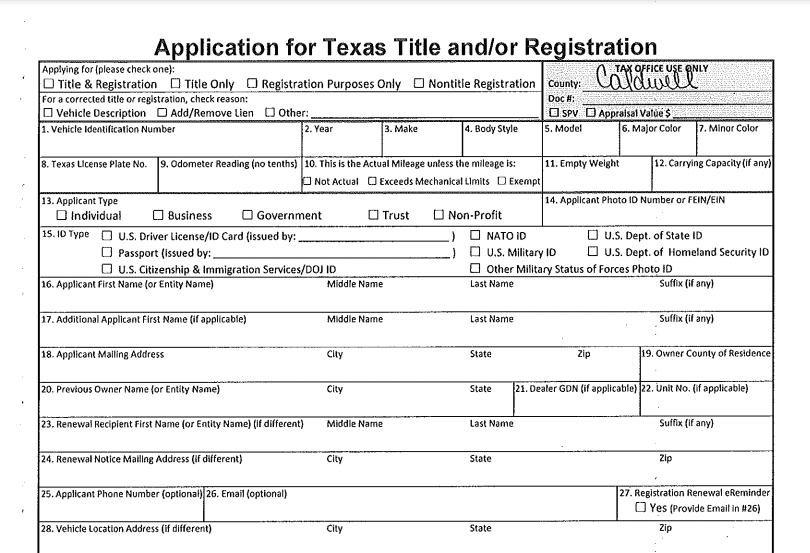
- Application for Texas Title and/or Registration (Form 130-U): This form is available at the county tax assessor-collector’s office or can often be downloaded from the Texas Department of Motor Vehicles website. It must be completed accurately and signed by the owner(s).
Step 3: Visit Your County Tax Assessor-Collector’s Office
Locate the tax assessor-collector’s office in your county of residence. You can find this information on the Texas Department of Motor Vehicles website or through a local government search.
- Prepare for Your Visit: Many offices offer online appointment scheduling or have virtual queue systems to minimize wait times. It is also wise to check their operating hours and any specific requirements they may have, such as accepted forms of payment.
- Submit Your Application and Documents: Present all your gathered documents to the clerk. They will review everything for accuracy and completeness.
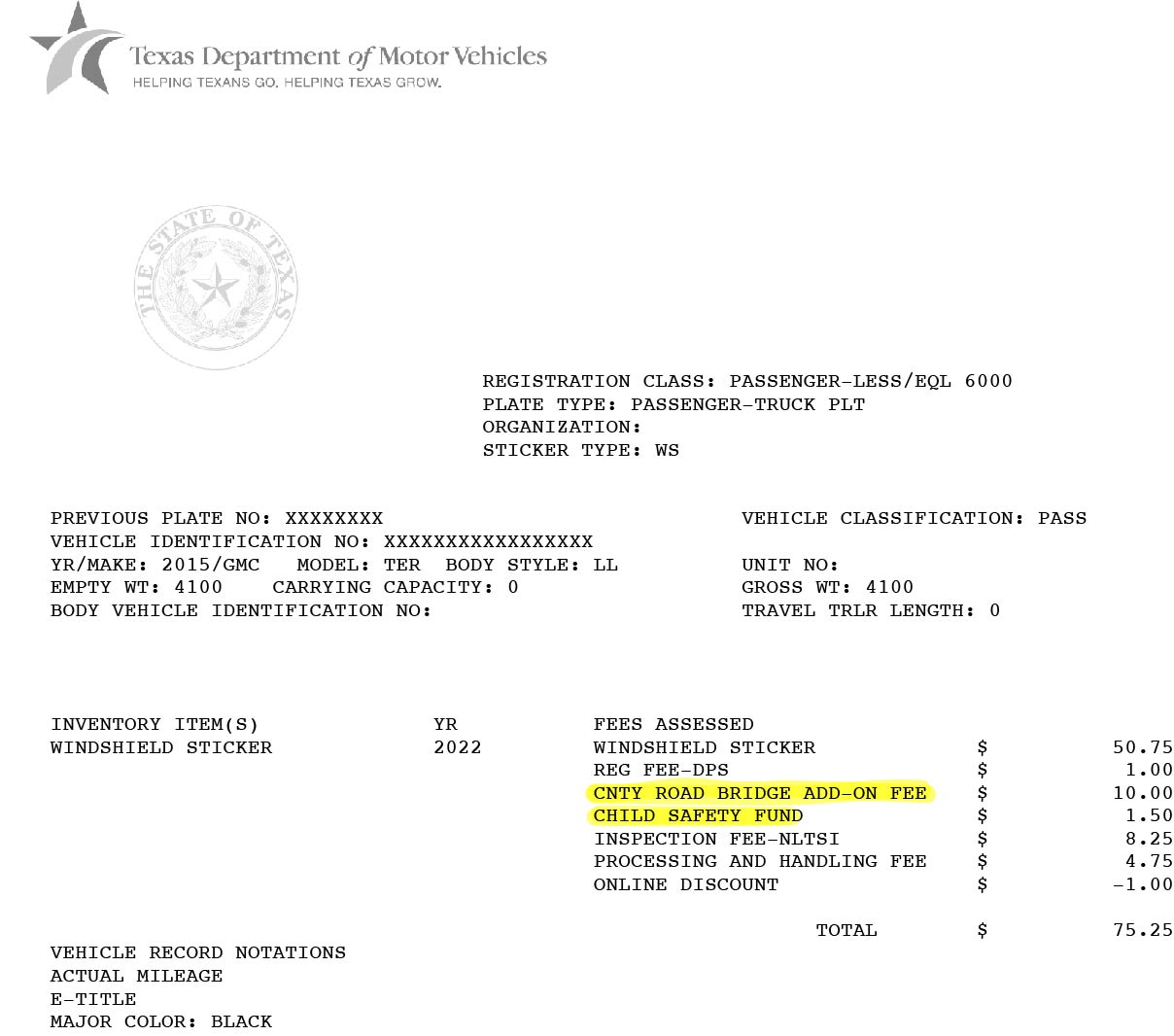
- Pay Fees and Taxes: You will be required to pay registration fees and any applicable local or state taxes. The total cost varies based on the vehicle type, age, weight, and county.
Step 4: Receive Your Registration Sticker and License Plates
Upon successful processing of your application and payment, you will receive your official Texas vehicle registration sticker. This sticker should be affixed to your vehicle’s license plate, typically in the designated area. If you are a new resident or purchasing a new vehicle, you may also receive your Texas license plates at this time, or they may be mailed to you.
Special Circumstances and Considerations
While the general process for Texas car registration is straightforward, certain situations may require additional steps or have specific guidelines. Understanding these nuances can save you time and potential complications.
New Residents
If you are moving to Texas from another state, you have a specific timeframe to register your vehicle.
- 90-Day Rule: Generally, new residents must register their vehicles within 90 days of establishing residency. This includes obtaining a Texas driver’s license and titling and registering your vehicle.
- Surrendering Out-of-State Plates: Upon registering your vehicle in Texas, you will be required to surrender your out-of-state license plates.
Purchasing a New or Used Vehicle
The registration process can differ slightly depending on how you acquire your vehicle.
- From a Dealership: When you buy a new or used vehicle from a licensed dealership in Texas, they will typically handle the titling and registration process for you. They will collect the necessary taxes and fees and submit the paperwork to the county tax assessor-collector’s office on your behalf. You will receive temporary tags and your permanent registration and plates later.
- From a Private Seller: If you purchase a vehicle from an individual, you are responsible for ensuring the title is properly transferred and for registering the vehicle yourself at the county tax assessor-collector’s office. You will need the signed title from the seller, a bill of sale, and proof of inspection and insurance.
Specialty Plates and Disabled Parking Placards
Texas offers a variety of specialty license plates that allow you to express your interests or support certain causes.
- Specialty Plates: These plates often have an additional fee beyond the standard registration fees. You can review the available options on the Texas Department of Motor Vehicles website and select one when you register your vehicle.
- Disabled Parking Placards: If you or a member of your household has a qualifying disability, you may be eligible for disabled parking placards or license plates. Applications for these are typically made through the county tax assessor-collector’s office with a doctor’s certification.
Maintaining Your Texas Car Registration
Registering your vehicle is not a one-time event. Texas requires annual renewal of your vehicle registration.
Registration Renewal
- Renewal Notice: The Texas DMV usually mails a renewal notice to vehicle owners a few weeks before their registration expires. This notice will outline the required steps and fees.
- Online Renewal: Many Texas counties offer the option to renew your registration online, which can be a convenient way to complete the process from home. You will need your license plate number and renewal notice information.
- Mail-in Renewal: Some counties also accept mail-in renewals. Check with your local tax assessor-collector’s office for their specific procedures.
- In-Person Renewal: You can also renew your registration in person at your county tax assessor-collector’s office, similar to the initial registration process. Remember to bring your renewal notice, proof of inspection, and proof of insurance.
Keeping Your Information Updated
It is vital to keep your vehicle registration and title information current.
- Change of Address: If you move within Texas, you should notify the DMV of your new address to ensure you continue to receive renewal notices and other important correspondence.
- Name Change: If your name changes due to marriage or another legal reason, you will need to update your vehicle title and registration to reflect the change.
By understanding and adhering to these guidelines, you can ensure your vehicle is legally registered and you can fully enjoy the freedom of the road throughout the great state of Texas.
LifeOutOfTheBox is a participant in the Amazon Services LLC Associates Program, an affiliate advertising program designed to provide a means for sites to earn advertising fees by advertising and linking to Amazon.com. Amazon, the Amazon logo, AmazonSupply, and the AmazonSupply logo are trademarks of Amazon.com, Inc. or its affiliates. As an Amazon Associate we earn affiliate commissions from qualifying purchases.