
Understanding the financial ceiling for disputes handled in California’s small claims courts is crucial for both residents and visitors navigating legal disagreements within the Golden State. This limit, often referred to as the “jurisdictional limit,” dictates the maximum dollar amount a plaintiff can sue for. The California small claims limit is not static; it has been adjusted over time to reflect economic conditions and to ensure the efficiency and accessibility of the small claims system. For travelers, this might translate to disputes over hotel charges, tour operator fees, or rental property issues where the amount in question falls within these parameters.

The Mechanics of California Small Claims Court
California’s small claims courts are designed to provide a simplified, accessible, and relatively inexpensive forum for resolving monetary disputes. Unlike regular civil courts, attorneys are generally not permitted to represent parties in small claims cases, promoting a more direct and personal approach to dispute resolution. The proceedings are intended to be informal, with judges often taking a more active role in guiding the process and eliciting information from the parties involved. This informal nature makes it an appealing option for individuals who may not have the resources or expertise to engage in traditional litigation.
Understanding the Jurisdictional Limits
The core of understanding California small claims court lies in its jurisdictional limits. These limits are set by state law and are subject to change. It’s essential to be aware of the current limits to determine if your claim is eligible for small claims court.
Current Limits for Individuals and Businesses
For most individual plaintiffs, the maximum amount that can be claimed in California small claims court is currently $10,000. This significant amount covers a wide range of common disputes. However, this $10,000 limit applies only once every two years. If an individual has already sued and recovered a judgment for $10,000 or more in a California small claims court, their future claims in small claims court are limited to $5,000. This provision aims to prevent the overuse of the small claims system for very large disputes.
For businesses, including sole proprietors, partnerships, corporations, and other entities, the jurisdictional limit is typically lower. Most businesses can only sue for a maximum of $5,000 in California small claims court. This distinction acknowledges that businesses often have greater resources and legal acumen, encouraging them to utilize regular civil courts for larger claims. However, there are exceptions. Businesses that are primarily engaged in the business of selling or leasing consumer goods or services may, under certain circumstances, be able to sue for up to $10,000, subject to the same “once every two years” rule as individuals.
Claims Exceeding the Limit
If a claim exceeds the small claims limit, the plaintiff has a few options. They can choose to reduce their claim to the maximum allowable amount to fit within small claims court. However, by doing so, they waive their right to sue for the remaining amount in any other court. Alternatively, the plaintiff can choose to pursue the full amount of their claim in a higher civil court, such as the Superior Court, where legal representation is common and procedures are more formal. This choice involves higher costs and a more complex process.
Types of Claims Suitable for Small Claims
Small claims court is designed for a variety of common disputes that arise in everyday life, many of which can impact travelers. These include:
- Breach of Contract: Disputes over agreements, whether written or oral. For example, a disagreement with a tour operator in San Francisco regarding services promised but not delivered, or a dispute with a landlord over a security deposit refund after staying in a short-term rental.
- Property Damage: Claims for damage to personal property. This could involve a rental car company seeking damages beyond the deductible, or a hotel seeking compensation for damage to its furnishings.
- Personal Injury (Limited): While most personal injury cases with significant damages are handled in higher courts, small claims can handle minor injury claims where the damages are below the limit. For a traveler, this might be a minor slip and fall incident due to poor maintenance in a public space.
- Unpaid Debts: This is a very common use, such as seeking repayment of a loan or payment for services rendered.
- Return of Property: Disputes where a party is wrongfully withholding personal property.
Claims Not Permitted in Small Claims
It is equally important to understand what types of claims cannot be heard in California small claims court. These exclusions ensure that the court remains focused on its intended purpose.
- Divorce or Child Custody: These matters are handled in family court.
- Suits Against the Federal Government: These require special procedures and jurisdictions.
- Libel and Slander: These defamation cases often involve complex legal arguments and significant damages.
- Cases Seeking Injunctive Relief: Small claims courts primarily deal with monetary damages, not court orders compelling someone to do or stop doing something (though some limited exceptions may exist for specific types of relief).
- Most Eviction Cases: While some landlord-tenant disputes can be resolved in small claims, formal eviction proceedings (unlawful detainer actions) have their own specific legal pathways.
Navigating Small Claims as a Traveler

For individuals visiting or temporarily residing in California, encountering a dispute that falls within the small claims limit can be a stressful experience. Understanding how the system works and what your rights are can make a significant difference.
Common Traveler Disputes and the Small Claims Limit
Several scenarios commonly encountered by travelers might lead to small claims court:
- Hotel Disputes: Disagreements over billing errors, damages claimed by the hotel that you dispute, or failure to provide advertised amenities at a resort like Disneyland Resort. If the amount in contention is under $10,000, small claims is a viable option. For instance, if a luxury hotel like The Beverly Hills Hotel charges you for damages you did not cause, and the charge is within the limit, you could consider filing a claim.
- Rental Car Issues: Disputes regarding charges for pre-existing damage, excessive cleaning fees, or mileage discrepancies after renting a vehicle from companies like Hertz or Enterprise.
- Tour Operator Problems: If a tour booked through a company in a city like Los Angeles or San Diego was significantly misrepresented or failed to deliver on key promises, and the cost of the tour or resulting damages are within the small claims limit.
- Vacation Rental Issues: Disputes with owners or management of vacation rentals, such as those found on platforms like Airbnb or VRBO, concerning security deposit deductions, misrepresented property conditions, or undisclosed fees, where the claim is below the threshold.
Practical Considerations for Non-Residents
If you are not a resident of California, initiating or defending a small claims case requires careful consideration.
- Filing a Claim: You can typically file a claim in the county where the defendant resides or where the incident occurred. If you are a visitor who experienced a problem with a business located in California, you would likely file the claim against that business in the appropriate county.
- Defending a Claim: If you are a visitor and are sued in California small claims court, you have the right to appear and defend yourself. You will need to understand the court dates and procedures. If you are unable to attend in person, you may be able to arrange for someone else to represent you or seek a continuance, though this is at the judge’s discretion.
- Enforcing Judgments: If you win a small claims case against a defendant who is not a California resident, enforcing that judgment can be challenging if they have no assets or presence within the state. Conversely, if a judgment is entered against you as a non-resident, the plaintiff may attempt to domesticate that judgment in your home state.
The Role of the Small Claims Advisor
To further enhance the accessibility of the small claims system, California law mandates that each county provide a Small Claims Advisor. This individual is a volunteer or employee of the court who can offer assistance to litigants free of charge.
What a Small Claims Advisor Can Do
Small Claims Advisors are invaluable resources for anyone considering or involved in a small claims case. They can:
- Explain Court Procedures: They can clarify the steps involved in filing a claim, serving documents, preparing for a hearing, and what happens after a judgment is issued.
- Help with Forms: They can assist in filling out the necessary court forms correctly.
- Provide Information on Limits and Rules: They can confirm the current jurisdictional limits and answer questions about the rules of evidence and procedure in small claims court.
- Assist with Case Preparation: They can offer guidance on organizing evidence and presenting your case effectively.
What a Small Claims Advisor Cannot Do
It is crucial to understand the limitations of a Small Claims Advisor’s role. They are prohibited from:
- Giving Legal Advice: They cannot tell you whether you have a strong case or advise you on legal strategy.
- Representing You in Court: They cannot act as your attorney or represent you during the hearing.
- Making Decisions on Your Case: They have no authority to influence the judge’s decision.
The presence of a Small Claims Advisor is particularly beneficial for travelers who may be unfamiliar with the California legal system and are dealing with a dispute away from home, perhaps in a city like San Jose or Sacramento.
Conclusion: A Tool for Accessible Justice
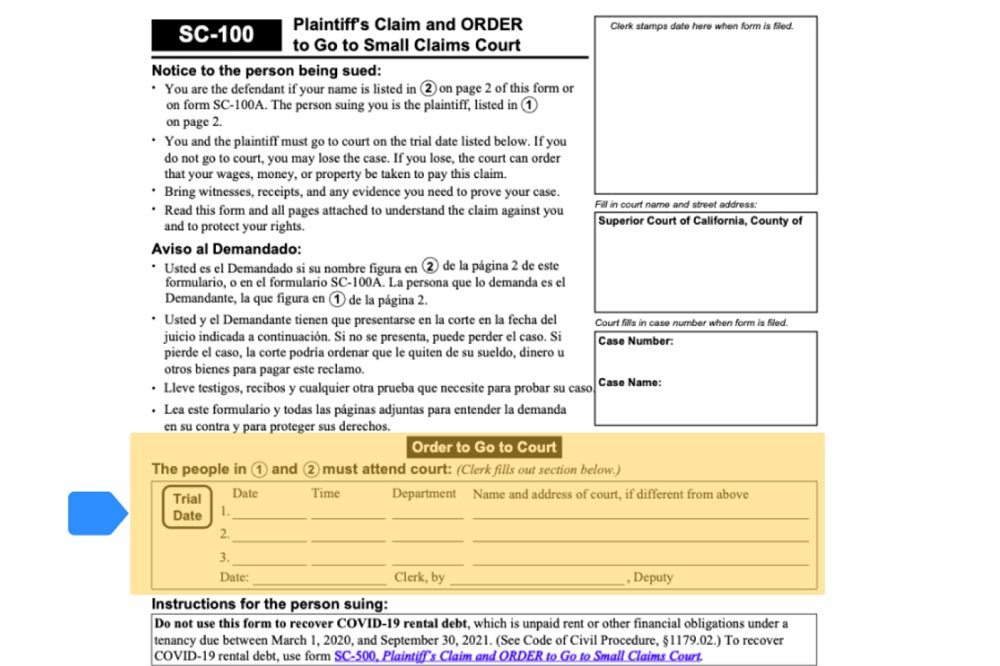
The California small claims limit represents a crucial threshold that defines the boundaries of this accessible legal forum. Whether you are a resident experiencing a dispute or a visitor seeking resolution for a travel-related issue, understanding this limit is the first step. The $10,000 ceiling for most individuals, with the $5,000 cap for repeat large claimants and the $5,000 limit for most businesses, ensures that small claims court remains a viable option for a broad spectrum of everyday disagreements. By familiarizing yourself with the procedures, the types of claims that can be heard, and the resources available, such as the Small Claims Advisor, you can navigate potential legal challenges more effectively and confidently within the Golden State.
LifeOutOfTheBox is a participant in the Amazon Services LLC Associates Program, an affiliate advertising program designed to provide a means for sites to earn advertising fees by advertising and linking to Amazon.com. Amazon, the Amazon logo, AmazonSupply, and the AmazonSupply logo are trademarks of Amazon.com, Inc. or its affiliates. As an Amazon Associate we earn affiliate commissions from qualifying purchases.