
Texas, a state renowned for its vast landscapes and diverse ecosystems, offers unparalleled opportunities for anglers. From the shimmering saltwater marshes of the Gulf Coast to the serene rivers and sprawling lakes in its inland regions, the Lone Star State is a fishing paradise. Whether you’re a seasoned angler seeking to cast a line in new waters or a novice eager to experience the thrill of the catch, a valid Texas fishing license is your essential companion. This guide will walk you through everything you need to know to obtain your license, ensuring your Texas fishing adventures are both legal and enjoyable.

The Texas Parks and Wildlife Department (TPWD) is the governing body responsible for managing wildlife and fisheries within the state, and they are the primary source for obtaining your fishing license. Understanding the different license types, regulations, and purchase methods is crucial for a smooth experience. This article aims to demystify the process, covering everything from eligibility requirements to where you can buy your license, and even touching upon the significant role fishing plays in the state’s tourism and lifestyle.
Understanding Texas Fishing License Requirements
Before embarking on your fishing journey, it’s imperative to understand who needs a license and what types are available. Texas law mandates that individuals 17 years of age and older must possess a valid fishing license to fish in public waters. This includes freshwater and saltwater fishing. There are, however, specific exceptions and regulations to be aware of, particularly concerning youth anglers, active-duty military personnel, and those fishing on private property.
Who Needs a License?
The general rule of thumb is that if you are 17 years or older and intend to fish in Texas public waters, you need a license. This applies to both residents and non-residents. However, the specific license you need will depend on factors such as your residency status, the type of fishing you intend to do (freshwater, saltwater, or both), and the duration of your stay or fishing activities.
- Age: As mentioned, individuals aged 17 and older require a license. Those younger than 17 can fish without a license, provided they are accompanied by a properly licensed adult and adhere to bag limits and season regulations. This makes Texas a fantastic destination for family fishing trips, allowing younger generations to experience the joy of angling without the immediate cost of a license.
- Residency: Texas offers resident licenses at a significantly lower cost than non-resident licenses. To qualify for a resident license, you must have resided in Texas for at least six months prior to the date of application and intend to continue residing in the state. Proof of residency may be required.
- Type of Fishing: Licenses are typically categorized for freshwater, saltwater, or all-water fishing. If you plan to fish in both freshwater and saltwater environments, you will need a license that covers both. This is a common consideration for visitors planning to explore different fishing opportunities across the state, from inland lakes to the coastal bays.
Special Exemptions and Discounts
Texas offers several exemptions and discounts to make fishing more accessible. Active-duty U.S. military personnel on active duty receive a resident fishing license at no cost. Retired U.S. military personnel aged 50 or older, who are Texas residents, can also obtain discounted licenses. Furthermore, individuals with certain disabilities may be eligible for special lifetime licenses or reduced fees. It’s always advisable to check the official TPWD website for the most up-to-date information on exemptions and discounts.
Fishing on private property, with the landowner’s permission and not connected to public water, generally does not require a fishing license. However, this is a niche scenario and most recreational fishing will occur in public waters where licenses are mandatory.
Purchasing Your Texas Fishing License
Once you’ve determined the type of license you need, the next step is to purchase it. The Texas Parks and Wildlife Department has made the process convenient, offering multiple purchasing options to suit your needs. Whether you’re a local preparing for a weekend outing or a tourist planning your Texas getaway, you can secure your license easily.
Online Purchase
The most convenient method for many is purchasing a license online through the official TPWD website. This allows you to browse through the available license options, select the one that best fits your needs, and complete the transaction from the comfort of your home or hotel.
- TPWD Website: Navigate to the official Texas Parks and Wildlife Department website. Look for the “Licenses” or “Fishing Licenses” section.
- License Selection: You will be guided to choose between resident and non-resident licenses, and then select options for freshwater, saltwater, or an all-water license. Various durations are available, from annual licenses to short-term permits (e.g., 1-day, 3-day, or 7-day).
- Payment: The website accepts major credit cards for secure online payment.
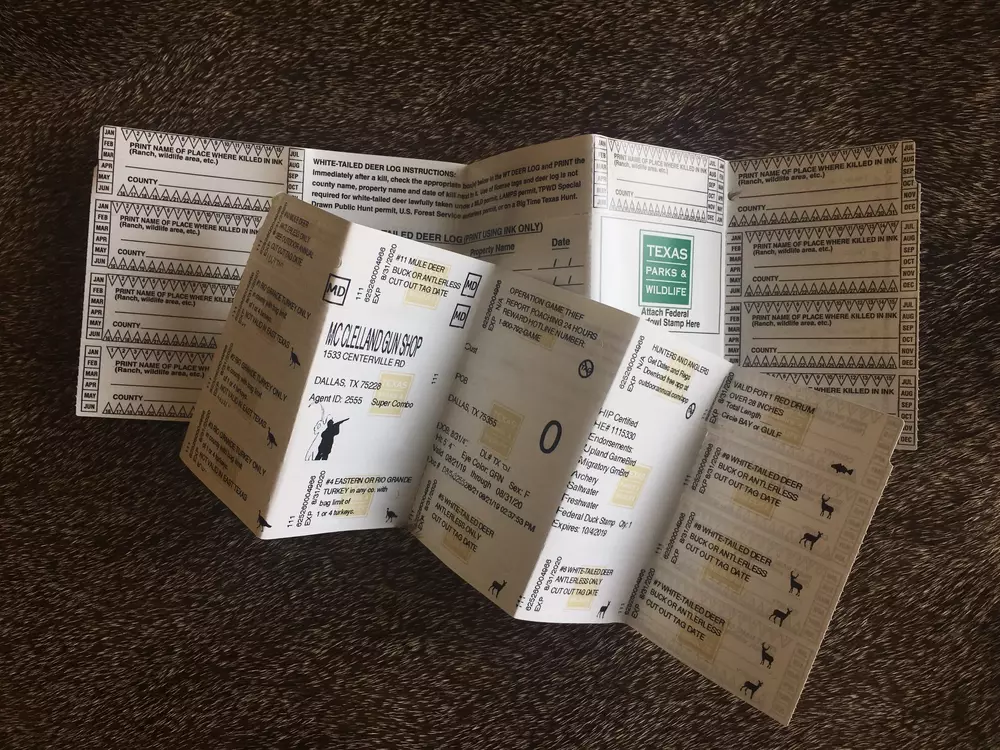
- Printing/Digital Access: Once purchased, you can typically print your license or access a digital version on your smartphone through the My Texas Parks app. It’s crucial to have your license with you while fishing, whether in printed or digital format.
In-Person Purchase
For those who prefer a more traditional approach or are already in Texas without internet access, purchasing a license in person is a viable option. Numerous authorized retailers across the state sell fishing licenses.
- Retail Locations: These include Walmart stores, Academy Sports + Outdoors locations, bait and tackle shops, sporting goods stores, and some county tax assessor-collector offices.
- Identification: Be prepared to provide identification and proof of residency if you are applying for a resident license.
- Assistance: Retail staff can often assist you in selecting the appropriate license type.
Types of Fishing Licenses Available
Texas offers a variety of license types, catering to different angler needs and durations. Understanding these options can help you choose the most cost-effective and suitable license for your trip.
Annual Licenses
These are the most popular choice for avid anglers and those planning multiple fishing trips throughout the year.
- Resident Annual Fishing License: Covers freshwater and saltwater fishing for the license year.
- Non-Resident Annual Fishing License: Similar to the resident annual license but for those who do not meet the residency requirements.
- Resident All-Water Annual Fishing License: Specifically for Texas residents, this license allows fishing in both freshwater and saltwater.
- Non-Resident All-Water Annual Fishing License: For non-residents who wish to fish in both freshwater and saltwater environments.
Short-Term Licenses
If you’re visiting Texas for a specific fishing trip or only plan to fish a few times, short-term licenses are an excellent option.
- 1-Day, 3-Day, and 7-Day Licenses: Available for both residents and non-residents, these provide coverage for the specified duration. They are ideal for tourists or casual anglers.
- Youth Licenses: While those under 17 don’t need a license, a youth fishing license is available for purchase for children between the ages of 17 and 16.
Special Licenses
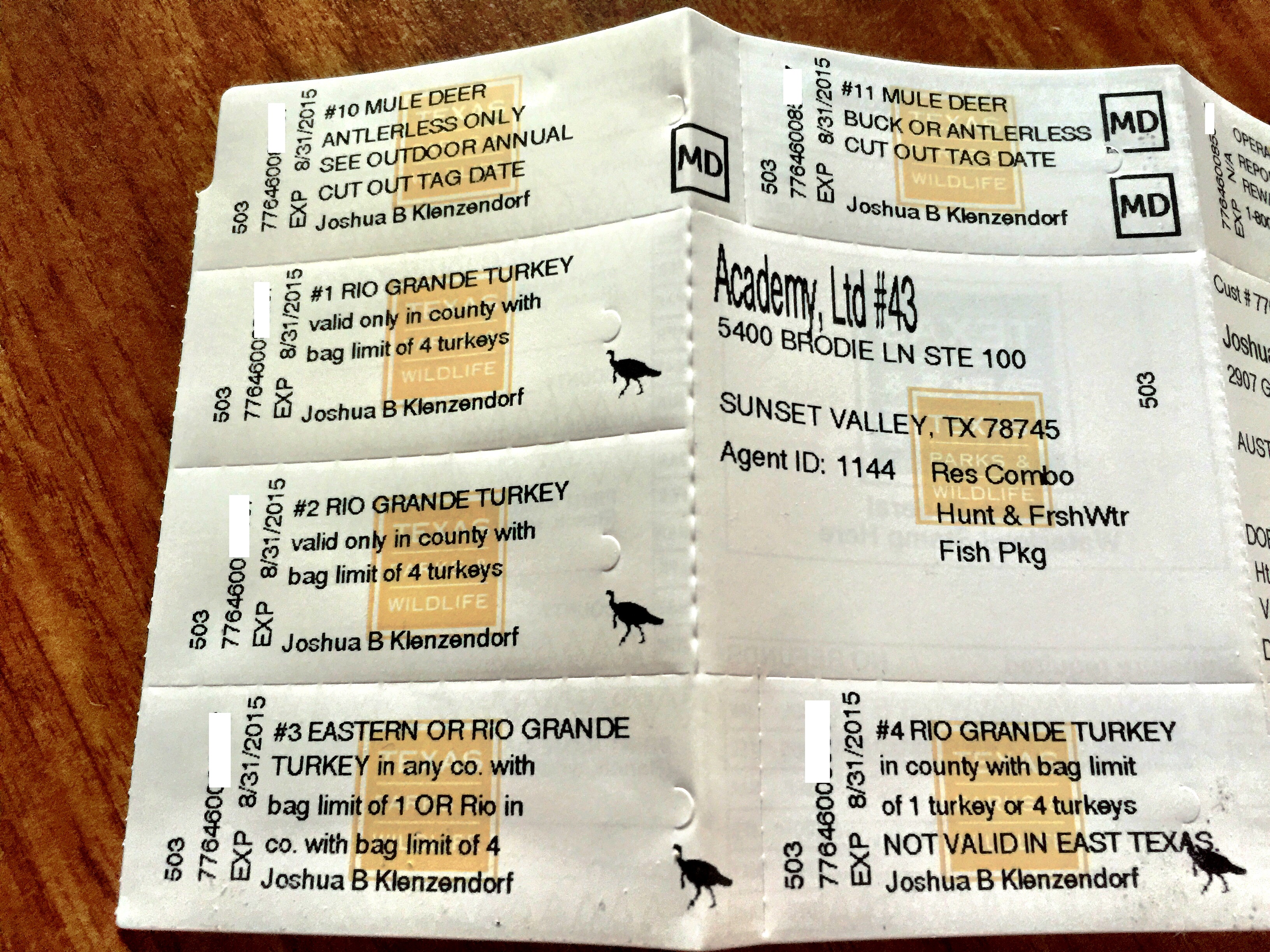
Texas also offers specialized licenses that may be beneficial for certain anglers.
- Saltwater Only Licenses: For those who exclusively plan to fish in saltwater environments.
- Freshwater Only Licenses: For anglers who will only be fishing in freshwater bodies.
- Lifetime Licenses: A significant upfront investment, these licenses offer lifelong fishing privileges and can be a cost-effective solution for frequent anglers and residents.
- Senior Licenses: Discounted annual licenses are available for Texas residents aged 65 and older.
Navigating Texas Fishing Regulations and Conservation
Obtaining a fishing license is just the first step in responsible angling. Texas has specific fishing regulations designed to protect its diverse fish populations and ensure sustainable fishing for future generations. Familiarizing yourself with these rules is crucial to avoid penalties and contribute to conservation efforts.
Bag Limits and Size Restrictions
The TPWD establishes daily bag limits and minimum size restrictions for various fish species. These limits dictate how many fish of a particular species you can keep per day and the minimum length they must be to be retained.
- Bag Limits: This refers to the maximum number of fish of a specific species an angler can possess at any given time.
- Size Restrictions: Fish below a certain length must be released back into the water. This is particularly important for species that take longer to reach maturity.
- Creel Limits: Some regulations may also include a possession limit, which is the maximum number of fish you can have in your possession at any time, including those caught on previous days.
These regulations vary by species and sometimes by specific water bodies. For instance, regulations for bass on Lake Fork might differ from those on the Colorado River. It is essential to consult the current TPWD Outdoor Annual or the TPWD website for the most up-to-date information on specific regulations for the waters you intend to fish.
Seasons and Special Permits
Certain fish species may have specific open and closed seasons to protect them during their spawning periods. Additionally, some fishing activities or locations might require special permits.
- Seasonality: Be aware of any protected seasons for species like red drum or certain types of catfish.
- Special Permits: For activities like trotlining, juglining, or fishing in certain state parks, additional permits or endorsements might be necessary. These are usually purchased along with your regular fishing license.
- Trout Stamp: Anglers fishing for rainbow trout in designated winter trout waters must purchase a Freshwater Trout Stamp in addition to their fishing license.
- Red Drum Tag: When fishing for red drum in saltwater, you are allowed to keep one fish over 30 inches with a special tag if you have the appropriate endorsement.
Conservation and Ethical Angling
Responsible angling goes beyond simply following the rules. It involves a commitment to conservation and ethical practices that minimize impact on the environment and fish populations.
- Catch and Release: For many species, practicing catch and release, especially for undersized fish or those you don’t intend to eat, is a vital conservation tool. Handle fish gently and release them quickly to ensure their survival.
- Habitat Protection: Be mindful of the environment. Avoid littering, do not disturb sensitive habitats, and properly dispose of any fishing gear.
- Using Appropriate Gear: Using barbless hooks can make unhooking fish easier and reduce injury.
By understanding and adhering to Texas fishing regulations, you not only ensure a legal and enjoyable fishing experience but also contribute to the preservation of the state’s rich aquatic resources for generations of anglers to come. The TPWD is dedicated to maintaining the health of these fisheries, and angler cooperation is key to their success.
Fishing as a Lifestyle and Tourism Experience in Texas
Fishing in Texas is more than just a hobby; it’s an integral part of the state’s lifestyle and a significant driver of its tourism industry. From the allure of landing a trophy bass on a tranquil lake to the excitement of a productive saltwater outing along the coast, fishing offers a diverse range of experiences that attract visitors and residents alike. This passion for angling is woven into the fabric of Texas culture, influencing everything from local economies to the types of accommodations and travel experiences sought after by outdoor enthusiasts.
Destinations and Experiences
Texas boasts an incredible diversity of fishing destinations, each offering unique opportunities and environments.
- Freshwater Fishing: Inland, anglers can find world-class fishing in numerous reservoirs and rivers. Lake Fork, for example, is legendary for its trophy-sized largemouth bass, drawing anglers from across the country. Other popular freshwater destinations include Lake Sam Rayburn, known for its bass and crappie, and the Guadalupe River, a prime spot for rainbow trout in its tailrace waters. The smaller, quieter lakes and streams also offer excellent opportunities for a more relaxed fishing experience.
- Saltwater Fishing: Along the Texas Gulf Coast, anglers can pursue a variety of species in bays, jetties, and offshore waters. Galveston Bay is famous for its speckled trout and red drum, while areas like Port Aransas and South Padre Island offer opportunities for surf fishing, bay fishing, and deep-sea excursions targeting king mackerel, snapper, and even marlin. The coastal regions are not only fishing hotspots but also vibrant tourist destinations offering a wealth of activities and local culture.
Accommodation and Travel Packages
The popularity of fishing in Texas has led to a robust tourism infrastructure catering to anglers. Visitors can find a wide array of accommodation options, from rustic cabins nestled beside serene lakes to luxurious resorts offering proximity to prime fishing grounds.
- Fishing Lodges and Resorts: Many lodges and resorts specialize in catering to anglers, often offering guided fishing trips, boat rentals, and packages that include lodging and fishing excursions. These can be found in close proximity to major lakes and coastal towns.
- Vacation Rentals: For families or groups, vacation rental properties, including apartments and villas, provide a comfortable and convenient base for fishing trips, allowing for home-cooked meals and flexibility.
- Hotels and Motels: Standard hotels and motels are readily available in most towns and cities, providing reliable and comfortable stays for anglers. Some may even offer amenities or partnerships catering to fishing clients.
When planning your trip, consider booking accommodations that align with your fishing plans. For instance, if you’re targeting bass on Lake Fork, a lakeside cabin might be ideal. If you’re heading to the coast, staying in a town like Corpus Christi or Rockport will put you within easy reach of saltwater action.
Local Culture and Activities
Fishing is deeply ingrained in the Texas lifestyle, influencing local communities and providing a rich cultural experience. Many towns have a strong fishing heritage, evident in their festivals, local cuisine, and the general atmosphere.
- Local Cuisine: Enjoying fresh seafood or locally caught fish is a culinary highlight for many visitors. Restaurants along the coast often feature the “catch of the day,” offering an authentic taste of Texas seafood.
- Outdoor Activities: Beyond fishing, Texas offers a plethora of outdoor activities, making it an ideal destination for a well-rounded vacation. Hiking, birdwatching, kayaking, and exploring state parks are popular complements to a fishing trip.
- Tourism Tips: When visiting Texas for fishing, consider visiting during the shoulder seasons (spring and fall) for milder weather and potentially less crowded fishing spots. Always check local event calendars for fishing tournaments or local festivals that celebrate the angling lifestyle.
In essence, a Texas fishing license is your gateway to exploring not just the abundant waters but also the rich lifestyle and vibrant tourism that this great state has to offer. It’s an invitation to connect with nature, enjoy world-class angling, and immerse yourself in the unique charm of Texas.
LifeOutOfTheBox is a participant in the Amazon Services LLC Associates Program, an affiliate advertising program designed to provide a means for sites to earn advertising fees by advertising and linking to Amazon.com. Amazon, the Amazon logo, AmazonSupply, and the AmazonSupply logo are trademarks of Amazon.com, Inc. or its affiliates. As an Amazon Associate we earn affiliate commissions from qualifying purchases.