
The question “What year was California founded?” appears deceptively simple, yet its answer unveils a rich, multi-layered history that makes California itself an extraordinary landmark. Far from a single founding date, the story of California is a complex tapestry woven from millennia of indigenous habitation, centuries of colonial ambition, a period of Mexican independence, and ultimately, its dramatic entry into the United States. To truly understand California’s founding is to explore a succession of pivotal moments, each leaving an indelible mark on its cultural, architectural, and natural landscape. This journey through time reveals why California is not merely a state but a living testament to diverse foundings, each contributing to its unique character and a legacy of enduring landmarks.
The First Founders: Indigenous Civilizations
Long before European explorers set foot on its shores, the land we now know as California was a vibrant mosaic of indigenous cultures, thriving for over 10,000 years. These first “founders” established complex societies, intricate trade networks, and a deep, sustainable relationship with the land that profoundly shaped its earliest character.
A Land of Abundance and Diverse Cultures
Pre-Columbian California was home to an astonishing array of Native American groups, perhaps more diverse linguistically and culturally than any other region of North America. Tribes such as the Chumash along the southern coast, the Miwok in the central valleys and foothills, the Yokuts in the San Joaquin Valley, and the Hupa in the northwestern forests developed unique spiritual beliefs, governance structures, artistic expressions, and resource management techniques. Their villages, often strategically located near abundant food sources like acorns, salmon, and wild game, represented the earliest settlements and community landmarks. These communities built sophisticated dwellings, from plank houses to adobe structures, and created extensive trail systems that crisscrossed the diverse landscapes, serving as vital arteries for trade and communication. Their stewardship of the natural environment, including controlled burns to enhance biodiversity, effectively molded the ecological landmarks of the region.
Enduring Heritage
While much of their original physical infrastructure has been lost to time and subsequent colonization, the cultural heritage and ancestral lands of these indigenous peoples remain a vital part of California’s identity. Their stories, languages, and traditions continue to be preserved and celebrated, reminding us that the land was “founded” by many hands long before any European claim. Modern efforts acknowledge and protect significant indigenous sites, recognizing them as invaluable historical landmarks that speak to the state’s true origins and the enduring resilience of its first inhabitants.
Spanish Colonization: Missions, Presidios, and Pueblos (1769)
The European “founding” of California began with the arrival of Spanish explorers, who sought to expand their empire and secure their northern frontiers. This period marks the establishment of the colonial entity known as Alta California, an endeavor that profoundly shaped the region’s architecture, economy, and social structure.
Early Expeditions and Claims
The first European to explore the California coast was Juan Rodríguez Cabrillo in 1542, who sailed north from Mexico and claimed the land for Spain. Nearly four decades later, in 1579, English privateer Sir Francis Drake landed north of San Francisco Bay, claiming the territory he called New Albion for England. However, these were exploratory voyages, not colonizing missions. Spain’s sustained interest in settling Alta California only intensified in the late 18th century, driven by fears of Russian and British encroachment from the north.
The Establishment of Alta California (1769)
The definitive year for the Spanish founding of California as a colonial outpost is 1769. In that year, Gaspar de Portolá led an overland expedition from Baja California, while concurrently, Franciscan missionary Junípero Serra established the first of 21 missions: Mission San Diego de Alcalá, near what is now the city of San Diego. This dual effort marked the beginning of a systematic colonization strategy.
The Spanish colonial system in Alta California was built upon three key institutions, each forming significant historical and architectural landmarks:
- Missions: These religious outposts aimed to convert indigenous populations to Christianity, teach them European agricultural methods, and assimilate them into Spanish colonial society. The missions, often sprawling complexes with churches, living quarters, workshops, and extensive farmlands, became the economic and spiritual centers of the region. Examples like Mission San Juan Capistrano and Mission Santa Barbara are iconic landmarks today, showcasing distinctive Spanish colonial architecture.
- Presidios: Military forts were established to protect the missions and settlements, guard against foreign incursions, and maintain order. The Presidio of San Francisco (1776) and the Presidio of Monterey (1770) are prominent examples, their original sites now preserved as historical parks and cultural landmarks.
- Pueblos: Civilian towns, intended to support the missions and presidios with food and labor, were also founded. The Pueblo de Los Angeles, established in 1781, is perhaps the most famous example, growing into the modern metropolis of Los Angeles. Other significant cities that grew from these early Spanish foundations include San Francisco, San Jose, and Monterey.
These intertwined establishments represent the physical and political “founding” of California as a Spanish colony, leaving behind a legacy of iconic architectural landmarks and deeply rooted cultural influences.
Mexican Rule and the Path to American Acquisition (1821-1848)
The early 19th century brought another significant shift in California’s sovereignty and development, marking a new chapter in its founding narrative. This period, under Mexican rule, introduced different social and economic structures, setting the stage for the dramatic events that would lead to American acquisition.
Independence from Spain (1821)
In 1821, Mexico successfully gained its independence from Spain, and with it, Alta California transitioned from a Spanish colony to a Mexican territory. This political “founding” meant that California was no longer administered by a distant European monarch but by a newly independent nation in North America. The Mexican government, however, struggled to exert strong control over its northernmost territory, leading to a period of relative isolation and local governance.
Secularization and Ranchos
One of the most profound changes under Mexican rule was the secularization of the missions, beginning in 1833. The vast lands held by the missions were largely confiscated and distributed as land grants, primarily to prominent Mexican families. This led to the rise of the Rancho period, characterized by immense cattle ranches and a distinct Californio culture. These sprawling ranchos, often covering tens of thousands of acres, became the dominant social and economic landmarks of the era, replacing the missions as the centers of power and production. While few original rancho buildings survive intact, their boundaries and names often inform modern land divisions and place names, serving as invisible historical landmarks.
American Influx and Growing Tensions
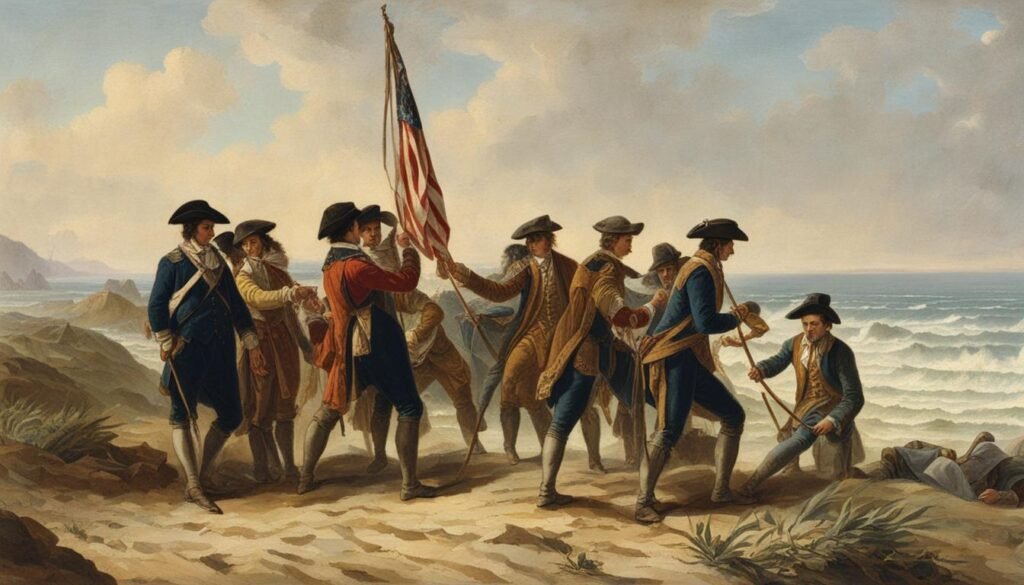
As the decades progressed, American trappers, traders, and settlers began to trickle into Alta California, often illegally, drawn by its fertile lands and strategic coastal access. Figures like John C. Frémont, an American explorer, became symbols of this growing American interest. Tensions between the Californios (Mexican citizens of California) and the American newcomers escalated, culminating in the Bear Flag Revolt of 11846. American settlers, aided by Frémont, declared an independent California Republic, symbolized by the “Bear Flag,” a powerful landmark in state history. This revolt quickly merged with the larger conflict of the Mexican-American War, which had broken out between the United States and Mexico over disputed territories, including California.
The Golden Rush and Statehood (1848-1850)
The mid-19th century witnessed a rapid and transformative “founding” of California as part of the United States. This era was ignited by a momentous discovery that reshaped the state’s destiny and led directly to its admission into the Union.
The Discovery of Gold (1848)
The year 1848 stands as a monumental turning point in California’s history, arguably its most significant “founding” event in terms of population growth and economic development. On January 24, 1848, James W. Marshall discovered gold flakes at Sutter’s Mill near Coloma, sparking the legendary California Gold Rush. News of the discovery spread like wildfire, attracting hundreds of thousands of prospectors, adventurers, and entrepreneurs from across the globe. This unprecedented influx of people transformed California almost overnight, leading to the rapid establishment of mining towns, port cities, and infrastructure where virtually none existed before. Ghost towns and preserved mining sites like Columbia State Historic Park serve as poignant physical landmarks of this frenzied period.
The Treaty of Guadalupe Hidalgo (1848)
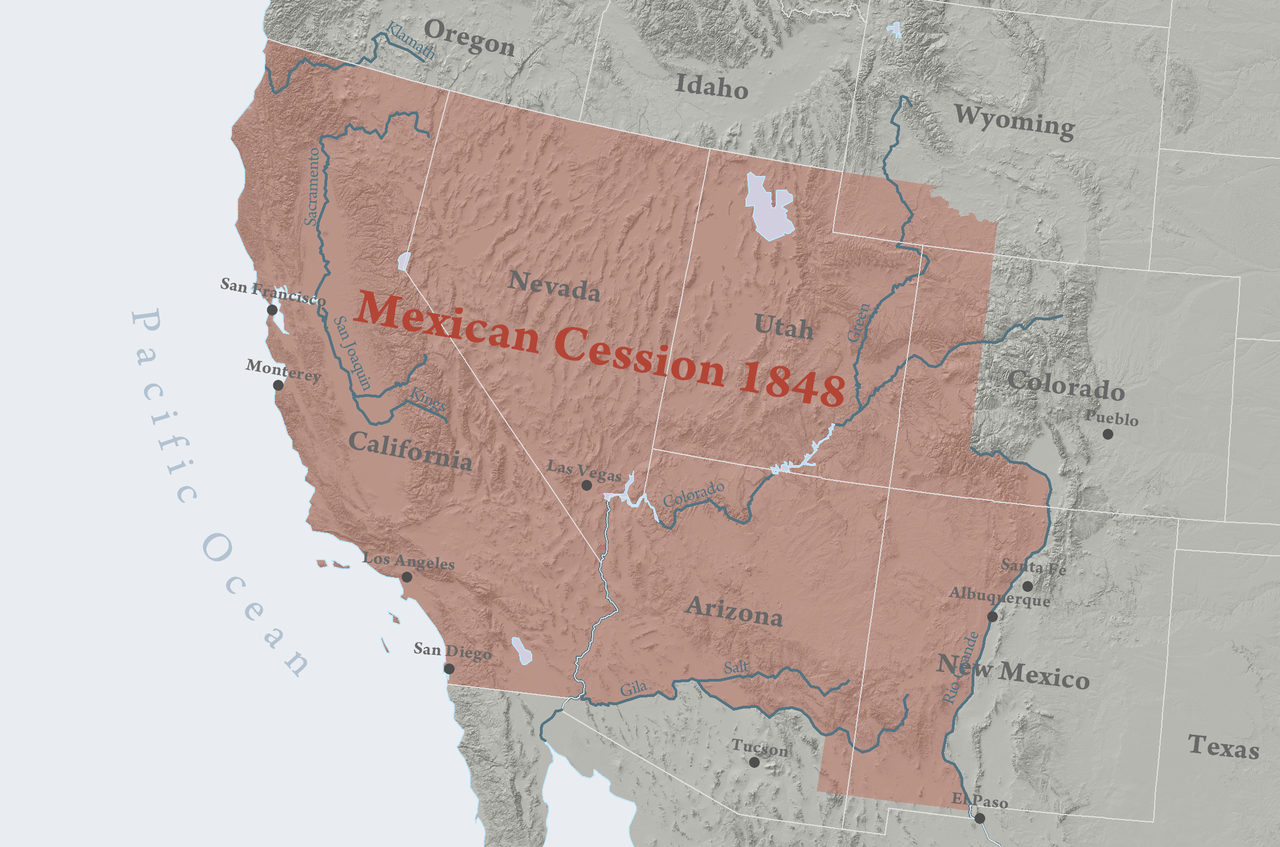
Coincidentally, just days after Marshall’s discovery, the Treaty of Guadalupe Hidalgo was signed on February 2, 1848, formally ending the Mexican-American War. Under the terms of this treaty, Mexico ceded vast territories, including Alta California, to the United States for $15 million. This legal transaction represented a definitive “founding” of California as American territory, setting the stage for its eventual statehood.
From Territory to State (1850)
The immense and rapid population boom brought by the Gold Rush quickly outpaced the capabilities of military governance. The urgent need for civil law and order prompted residents to seek statehood. Bypassing the traditional territorial phase, California drafted its constitution in 1849 and formally applied for admission to the Union. On September 9, 1850, as part of the Compromise of 1850, California was admitted as the 31st state. This date, 1850, is the official and most commonly cited “founding year” for the modern State of California as we know it today. Its first capital shifted between cities like San Jose and Vallejo before finally settling in Sacramento, which houses the majestic California State Capitol building, a prominent landmark symbolizing its statehood.
Legacy and Enduring Historical Landmarks
The various “foundings” of California have left an unparalleled legacy, manifest in its diverse landmarks that tell stories of different eras, cultures, and ambitions. These physical and cultural sites offer tangible connections to the complex history of the Golden State.
Architectural Echoes of the Past
Today, visitors can trace California’s layered history through its architectural landmarks. The graceful, whitewashed walls and bell towers of the Spanish missions, such as Mission San Carlos Borromeo de Carmelo or Mission San Luis Rey de Francia, stand as enduring symbols of the Spanish colonial period. Their distinctive adobe and tile construction, often featuring tranquil courtyards and intricate frescoes, are a testament to the earliest European architectural “foundings.” Further inland, the preserved storefronts and wooden structures of Gold Rush towns like Columbia State Historic Park transport visitors back to the frenzied days of 1849, revealing the makeshift, yet robust, architecture born of a quest for fortune. Cities like San Francisco showcase a medley of architectural styles, from elegant Victorian homes in the Haight-Ashbury district to grand Beaux-Arts municipal buildings, each echoing different eras of rapid growth and civic “founding.”
Natural Wonders and Cultural Preservation
Beyond man-made structures, California’s natural landmarks also bear witness to its deep history. The majestic Sierra Nevada Mountains, the rugged Pacific Coast, and the fertile valleys that first attracted indigenous peoples and later Spanish settlers remain integral to the state’s identity. Efforts to preserve sacred indigenous sites and to retell their stories through museums and cultural centers ensure that the narratives of the first founders are not forgotten. These natural and preserved cultural landscapes remind us that the land itself is a primary landmark, witnessing and influencing every stage of California’s multifaceted “founding.”
California’s Ongoing Evolution
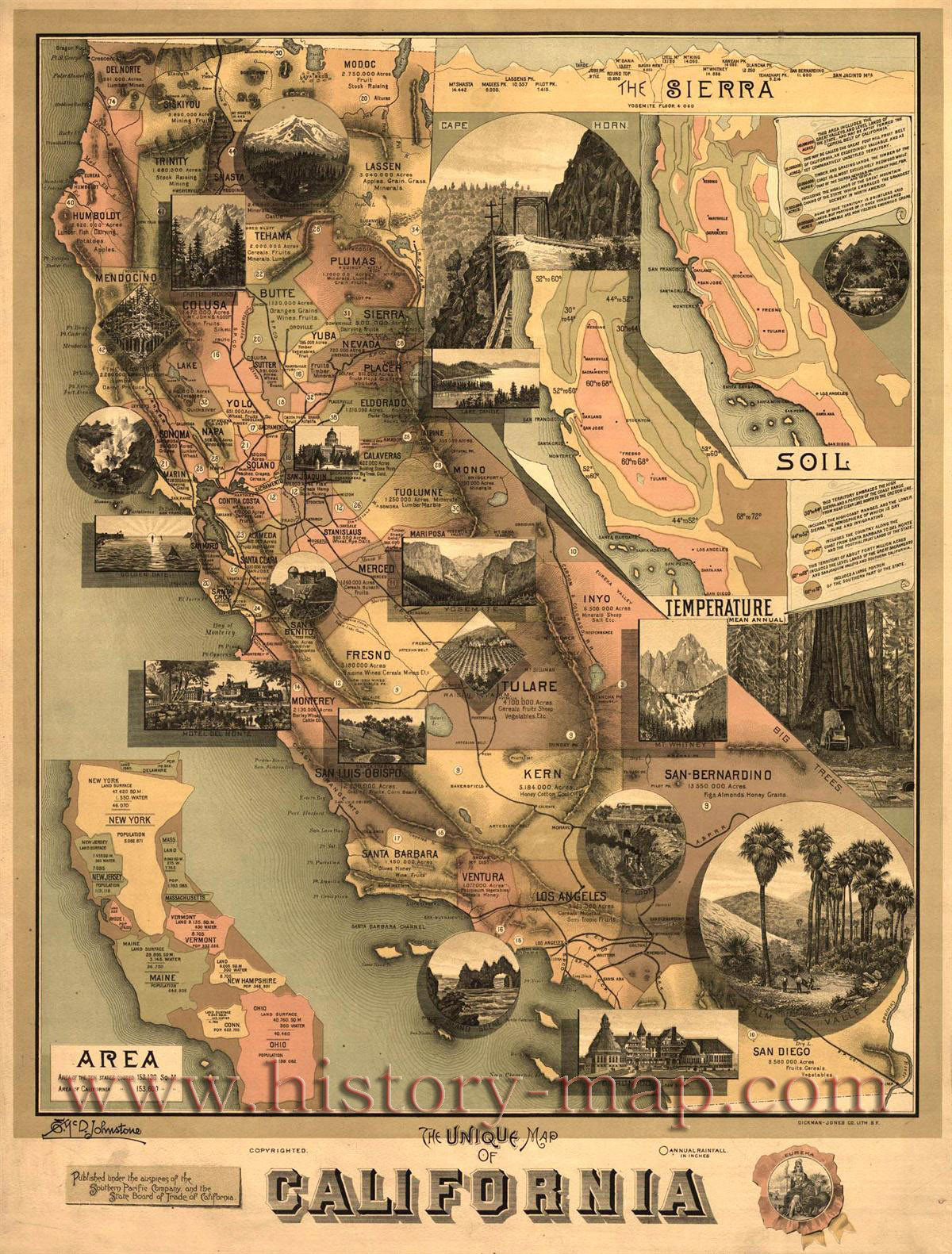
California’s “founding” is not merely a historical event but an ongoing process. From its role as a global leader in technology and innovation to its position as a melting pot of cultures, the state continues to redefine itself. Each new wave of immigration, technological breakthrough, and cultural movement adds another layer to its story, signifying that California is a place perpetually “founding” and reinventing itself. This dynamic evolution ensures that it remains a landmark not just of the past, but also of the future.
In conclusion, asking “What year was California founded?” invites a journey through millennia. While 1850 marks its official statehood and is the most direct answer, the true founding of California is a rich tapestry of dates and events: from the ancient establishment of indigenous societies, through the Spanish colonial founding in 1769, the Mexican period beginning in 1821, and the transformative American acquisition and Gold Rush of 1848. Each of these periods laid down foundational layers, creating a diverse and captivating landscape of historical, architectural, and natural landmarks that collectively tell the story of one of America’s most iconic states.
LifeOutOfTheBox is a participant in the Amazon Services LLC Associates Program, an affiliate advertising program designed to provide a means for sites to earn advertising fees by advertising and linking to Amazon.com. Amazon, the Amazon logo, AmazonSupply, and the AmazonSupply logo are trademarks of Amazon.com, Inc. or its affiliates. As an Amazon Associate we earn affiliate commissions from qualifying purchases.