
Navigating the scenic route between two of the Pacific Northwest’s most vibrant cities, Seattle and Vancouver, is a journey that offers a variety of options, catering to different preferences for speed, cost, and the overall travel experience. Whether you’re a seasoned traveler or planning your first excursion, understanding the nuances of each transportation method will ensure a smooth and enjoyable transition across the Canada–United States border. This guide delves into the most popular ways to travel between these sister cities, highlighting key considerations for each.
By Car: The Freedom of the Open Road
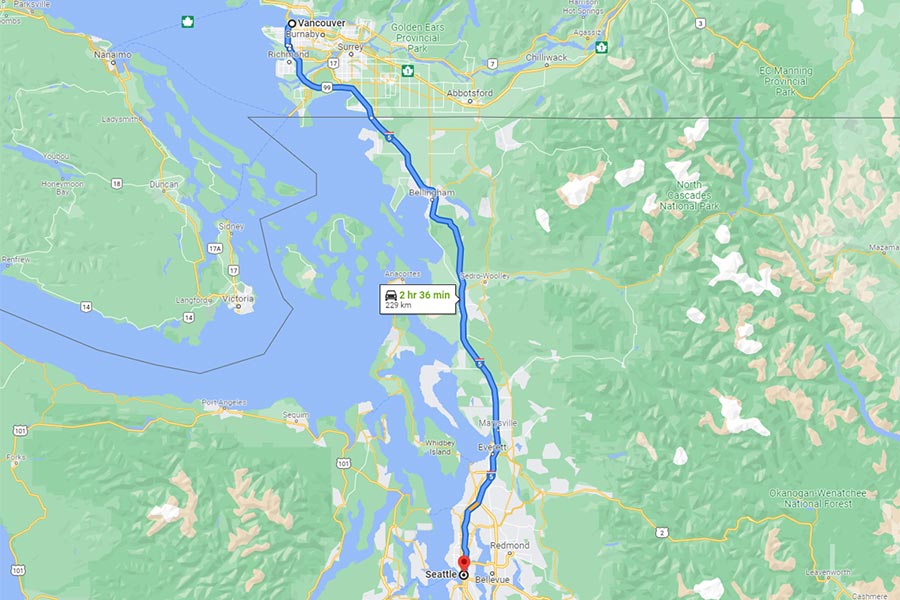
Driving between Seattle and Vancouver offers unparalleled flexibility, allowing you to set your own pace and make spontaneous stops along the way. The distance is approximately 140 miles (225 kilometers), and the drive typically takes around 3 to 4 hours without accounting for border crossing times or traffic. The primary route is via Interstate 5 North (I-5 N), which seamlessly transitions into Highway 99 North in British Columbia, Canada.
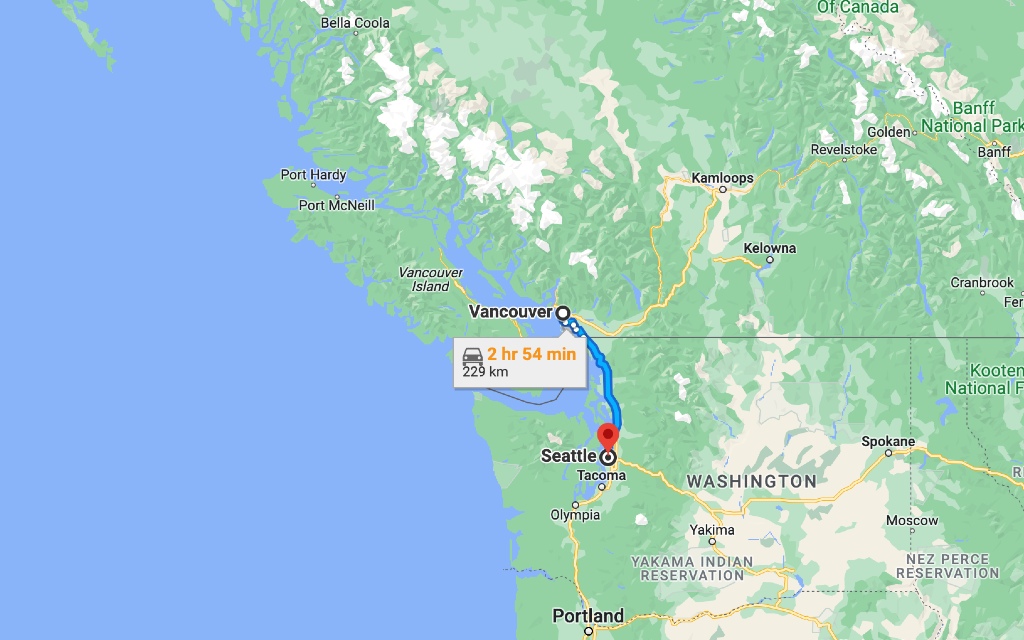
Route and Considerations
The I-5 North corridor is well-maintained and offers services at regular intervals. As you approach the border, be prepared for potential delays at the Peace Arch Border Crossing or the Pacific Highway Border Crossing. It is highly recommended to check border wait times online or via traffic apps before you depart to choose the crossing with the shortest queue.
Border Crossing Essentials
Ensure all passengers have the necessary documentation. For U.S. citizens, a valid passport or an enhanced driver’s license (EDL) is required for re-entry into the United States. Canadian citizens will need a valid passport. If you are not a citizen of either country, you will need your passport and any required visas or entry permits for Canada and re-entry into the United States. Be aware of customs regulations regarding items you can bring across the border; declaring goods is crucial to avoid penalties.
On the Road Amenities
Along I-5 North, you’ll find numerous rest stops and service areas offering restrooms, fuel, and food options. Some popular stopping points include towns like Everett, Bellingham, and near the border town of Blaine. These stops provide an opportunity to stretch your legs, grab a coffee, or enjoy a meal. For those seeking a more scenic detour, consider taking a brief excursion to Chuckanut Drive (State Route 11) between Burlington and Bellingham, which offers stunning views of the Puget Sound.
Parking in Vancouver
Upon arrival in Vancouver, be mindful of parking. Downtown Vancouver can be expensive, with limited street parking and numerous paid parking garages. Research parking options at your accommodation or familiarise yourself with public parking lots if you plan to explore the city by car.
By Bus: A Budget-Friendly and Convenient Option
For travelers prioritizing affordability and a hassle-free journey, intercity buses offer an excellent solution. Several reputable bus companies operate routes between Seattle and Vancouver, making this a popular choice for students, budget-conscious travelers, and those who prefer not to drive.
Major Bus Operators
Companies such as Amtrak Cascades (which also offers a train service, but its bus component is relevant here), BoltBus, and FlixBus provide regular services. These companies generally depart from central locations in Seattle, such as the Downtown Seattle Transit Tunnel or the King Street Station, and arrive at various points in Vancouver, most commonly at the Pacific Central Station.
Travel Time and Experience
The bus journey typically takes between 4 to 6 hours, depending on the operator, the number of stops, and crucially, the border crossing time. Most buses will stop at the border for passengers to disembark, present their documents to customs officers, and then re-board. The amenities vary by company, but many modern buses offer comfortable seating, Wi-Fi, power outlets, and onboard restrooms, making the journey relatively pleasant.
Booking and Fares
Booking your bus ticket in advance is highly recommended, especially during peak travel seasons, as it often secures lower fares and guarantees a seat. Prices can range significantly based on the booking time, day of the week, and the specific operator, but generally, bus travel is one of the most economical ways to get from Seattle to Vancouver. Websites of the bus companies, or third-party travel aggregators, are the best places to compare prices and schedules.
By Train: A Scenic and Relaxing Journey
The train journey between Seattle and Vancouver is operated by Amtrak Cascades and offers a picturesque and comfortable alternative to driving or taking the bus. This option is particularly appealing for those who enjoy scenic views and a more relaxed travel experience.
The Route and Scenery
The Amtrak Cascades route follows the Puget Sound coastline for a significant portion of the journey, providing stunning vistas of the water, islands, and mountains. The train departs from King Street Station in Seattle and arrives at Pacific Central Station in Vancouver.
Travel Time and Onboard Comfort
The train journey typically takes around 4 hours. While this might be longer than driving directly, the time is often perceived as more enjoyable due to the comfortable seating, ample legroom, and the ability to move around the train. Amtrak Cascades trains often feature a cafe car where you can purchase snacks, meals, and beverages, adding to the overall convenience. Wi-Fi is usually available, though its reliability can sometimes vary.
Border Crossing on the Train
The border crossing process for train passengers is generally efficient. U.S. Customs and Border Protection officers board the train at Bellingham or directly at the border to process passengers. You will need to remain in your seat with your passport readily available. This process is integrated into the journey and usually adds minimal delay compared to other methods.
Booking and Ticketing
Booking train tickets in advance is highly recommended, especially for popular travel times. You can book directly through the Amtrak website or app. Prices can fluctuate, so checking for deals or booking during off-peak times can lead to cost savings.
By Air: The Fastest, But Potentially Most Costly, Option
For those with limited time or who prefer the speed of air travel, flying between Seattle and Vancouver is an option, though it often involves more logistical steps than other methods.
Airports and Flights
Seattle-Tacoma International Airport (SEA) serves Seattle, and Vancouver International Airport (YVR) serves Vancouver. Numerous airlines, including Alaska Airlines and Air Canada, offer direct flights between these two cities. The flight time itself is very short, typically around 1 hour.
Total Travel Time and Cost
However, it’s crucial to factor in the total travel time. This includes getting to the airport, checking in, going through security, the flight itself, deplaning, collecting luggage, and traveling from Vancouver International Airport to your final destination in the city. This entire process can easily add up to 4-5 hours, making it comparable to or even longer than the train or bus when considering door-to-door travel.
Air travel is often the most expensive option, particularly if booked last minute. However, with advance booking or during promotional periods, it can sometimes be competitive with other modes of transport.
Border Control at the Airport
Immigration and customs procedures at both airports are generally efficient, but standard airport protocols apply. For U.S. citizens, a passport is required for international flights. For Canadian citizens and other nationalities, the necessary travel documents for entry into Canada will be checked by the airline before departure and processed upon arrival at Vancouver International Airport.
Ultimately, the best way to get from Seattle to Vancouver depends on your individual priorities. Whether you seek the freedom of the road, the economy of the bus, the relaxation of the train, or the speed of the plane, each option presents a unique and viable path to experiencing the captivating cities of the Pacific Northwest.
LifeOutOfTheBox is a participant in the Amazon Services LLC Associates Program, an affiliate advertising program designed to provide a means for sites to earn advertising fees by advertising and linking to Amazon.com. Amazon, the Amazon logo, AmazonSupply, and the AmazonSupply logo are trademarks of Amazon.com, Inc. or its affiliates. As an Amazon Associate we earn affiliate commissions from qualifying purchases.