
Establishing Your Florida Lifestyle: Why Vehicle Titling Matters
Embracing the vibrant Florida lifestyle, whether as a new resident, a seasonal snowbird, or a business owner establishing roots, often involves the necessity of owning and operating a vehicle. The Sunshine State’s sprawling geography, from the serene beaches of the Gulf Coast to the bustling cities of Miami and Orlando, makes personal transportation not just a convenience, but frequently a vital component of daily living. Understanding how to properly title your vehicle in Florida is a foundational step in integrating smoothly into your new surroundings and ensuring seamless mobility. This administrative process, while seemingly bureaucratic, is critical for legal vehicle ownership, insurance purposes, and ultimately, for fully experiencing all that the Florida lifestyle has to offer.
Mobility and Independence in the Sunshine State
A vehicle provides unparalleled freedom to explore Florida’s diverse attractions, from the theme parks in Orlando to the historic charm of St. Augustine and the natural beauty of the Florida Keys. For many, a car is essential for commuting to work, running daily errands, or simply enjoying scenic drives along the coast. Properly titling your vehicle ensures you have legal proof of ownership, which is indispensable in any traffic stops, accidents, or when dealing with insurance claims. It’s a core aspect of maintaining your independence and mobility within the state, allowing you to fully participate in the active Florida lifestyle without hindrance. Without a valid Florida title, your vehicle’s legal status is ambiguous, potentially leading to complications and preventing you from legally operating your car within state lines.
Legal Residency and Vehicle Ownership
For individuals transitioning to permanent residency in Florida, titling your vehicle is often an early and crucial step in establishing your legal presence. It’s intertwined with other residency requirements, such as obtaining a Florida driver’s license. The state requires new residents to register and title their out-of-state vehicles within 10 days of becoming employed, placing children in public school, or establishing residency. This process helps the state manage its vehicle registry, ensures all vehicles on its roads meet legal standards, and contributes to public safety. For snowbirds or those with seasonal residences, understanding the nuances of when and how to title a vehicle can save considerable time and potential penalties, making their time in Florida as carefree as possible.
Navigating the Titling Process for New Florida Residents
The process of obtaining a vehicle title in Florida varies slightly depending on whether you’re bringing an out-of-state vehicle or purchasing one within Florida. However, the underlying principle remains the same: ensuring the state has an accurate record of your vehicle’s ownership. The key is to be prepared with all necessary documentation and to understand the steps involved, which are typically handled by the local Tax Collector’s Office or a licensed tag agency. These agencies are the frontline for residents seeking to legitimize their vehicle ownership and integrate seamlessly into the state’s transportation framework.
Required Documentation: What You Need to Bring
Before heading to the Tax Collector’s Office, gathering the correct documents is paramount to a smooth process. You will generally need:
- Proof of Identity: A valid driver’s license (preferably your new Florida license) or state ID.
- Proof of Florida Insurance: Florida law mandates minimum Personal Injury Protection (PIP) and Property Damage Liability (PDL) coverage. Your insurance provider must be authorized to do business in Florida.
- Original Out-of-State Title: If your vehicle is financed, the lienholder may hold the title. In such cases, you’ll need to contact your lienholder to arrange for the title to be sent to Florida’s Department of Highway Safety and Motor Vehicles (DHSMV) or directly to you for presentation.
- Vehicle Identification Number (VIN) Verification: This verifies that the VIN on your vehicle matches the VIN on the title. A Florida law enforcement officer, a licensed dealer, or a notary public may complete Form HSMV 82042 (Vehicle Identification Number and Odometer Verification).
- Odometer Reading: Required for vehicles less than 10 years old.
- Form HSMV 82040 (Application for Certificate of Title With/Without Registration): This form officially requests your Florida title and registration.
- Sales Tax Exemption Information (if applicable): If you’ve already paid sales tax in another state, you might be eligible for a credit.
Steps for Titling an Out-of-State Vehicle
For those relocating to Florida with an existing vehicle, the procedure involves a few specific steps:
- Obtain Florida Insurance: Secure valid Florida auto insurance before attempting to title or register your vehicle.
- Complete VIN Verification: Have a qualified party complete Form HSMV 82042. This is crucial for ensuring the vehicle’s identity.
- Gather Your Documents: Collect all the aforementioned documents, including your out-of-state title.
- Visit a Local Tax Collector’s Office or Tag Agency: Present all your documents. You will pay titling fees, registration fees, and any applicable sales tax.
- Receive Your Temporary Registration: You will typically receive a temporary registration and license plate on the spot, with your permanent plate mailed to you. Your Florida title will also be mailed to you within a few weeks if you own the vehicle outright; otherwise, it will be sent to your lienholder.
Titling a Vehicle Purchased in Florida
When buying a vehicle from a licensed dealership in Florida, the dealership will typically handle all the titling and registration paperwork on your behalf. They will submit the necessary documents to the DHSMV, collect applicable fees, and issue you a temporary tag. This streamlined process is a convenience that allows new vehicle owners to focus on enjoying their purchase.
If you purchase a vehicle from a private seller in Florida, the responsibility for titling and registration falls to you, the buyer. You will need:
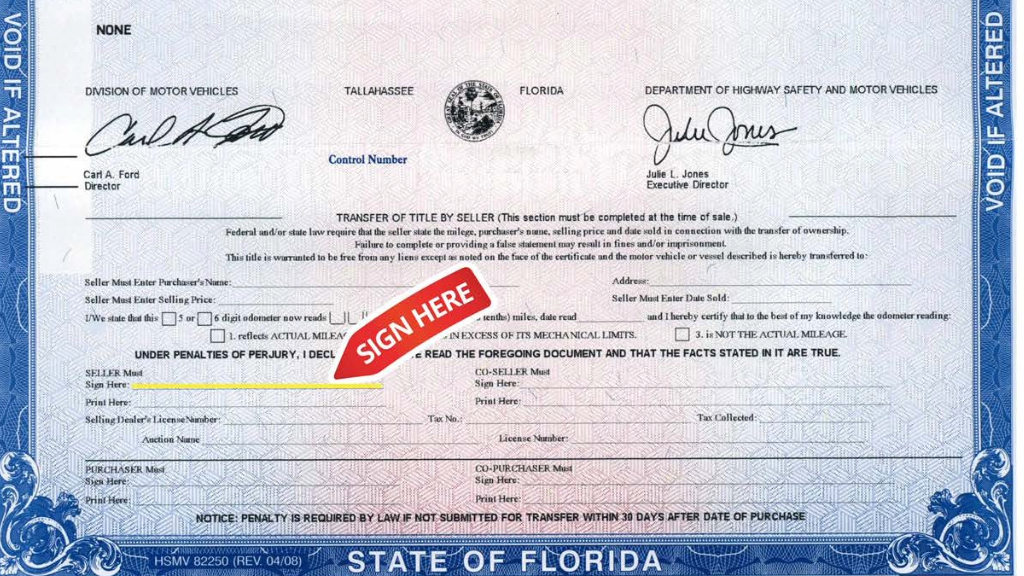
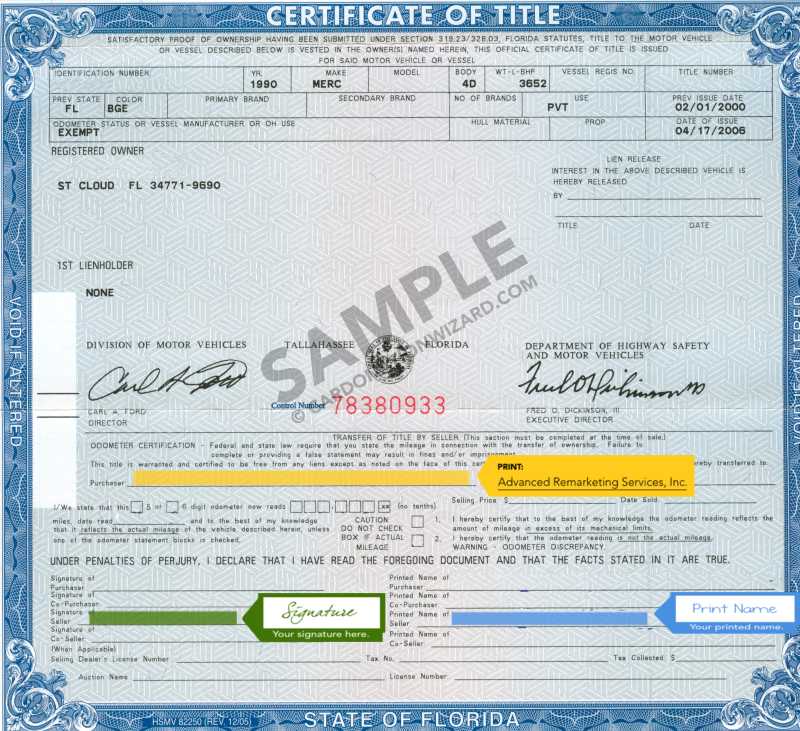
- The original Florida title, properly completed and signed by the seller(s).
- Form HSMV 82040 (Application for Certificate of Title With/Without Registration).
- Proof of Florida insurance.
- Proof of identity.
- Odometer disclosure (if applicable), which is usually part of the title form.
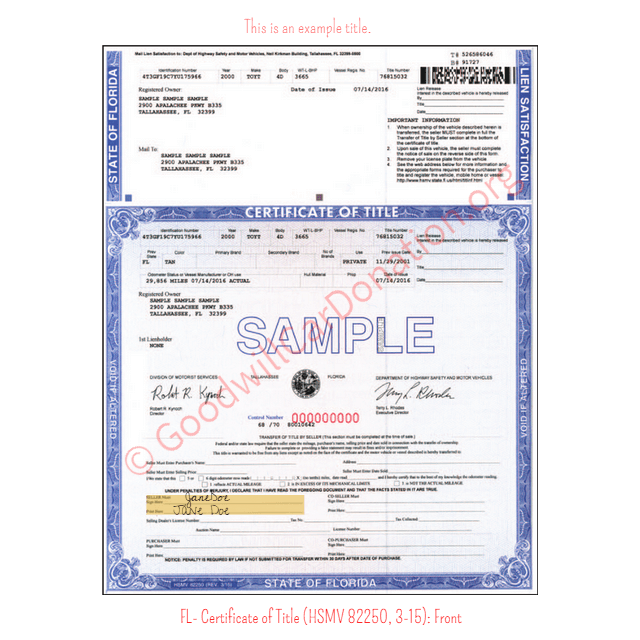
You must apply for the title transfer within 30 days of purchase to avoid penalties.
Understanding Florida’s Title Transfer and Registration Nuances
Beyond the basic steps, several factors can influence the titling process, particularly concerning fees, deadlines, and special circumstances. Being informed about these nuances can prevent unexpected costs or delays, ensuring your Florida lifestyle remains as smooth as possible.
Fees and Taxes Associated with Titling
When titling a vehicle in Florida, you can expect to pay several fees:
- Initial Registration Fee (New Resident Fee): A one-time fee of $225 is typically applied to vehicles previously titled outside of Florida.
- Title Fee: Approximately $75.25 for an electronic title or $77.75 for a paper title.
- Sales Tax: Florida levies a 6% sales tax on the purchase price of the vehicle, plus any applicable discretionary sales surtax charged by your county. If you paid sales tax in another state, you might receive a credit towards the Florida sales tax, up to the amount paid.
- License Plate/Registration Fee: Varies based on vehicle weight and type, typically ranging from $27 to $46 for an annual renewal.
- Lien Recording Fee: If there’s a lien on your vehicle, an additional fee will apply to record the lien.
These fees are subject to change and may vary slightly by county. It’s advisable to check the specific county Tax Collector’s website for the most current information.
Important Deadlines and Penalties
Adhering to deadlines is crucial. New Florida residents must obtain a Florida registration within 10 days of becoming a resident. Failure to do so can result in penalties. Similarly, if you purchase a vehicle from a private party, you have 30 days to transfer the title into your name. Missing this deadline can also incur late fees and other potential issues, disrupting your ability to operate your vehicle legally. Being proactive and timely with your documentation will save you from unnecessary stress and expenses.
Special Cases: Leased Vehicles, Gifts, or Inherited Vehicles
The titling process can vary for special circumstances:
- Leased Vehicles: If you are leasing a vehicle, the leasing company typically holds the title. You will need to coordinate with them to ensure the vehicle is properly registered in Florida. They will usually provide you with the necessary paperwork to take to the Tax Collector’s Office.
- Gifted Vehicles: If a vehicle is gifted to you, you are exempt from paying sales tax, but you still need to complete the title transfer process and pay titling and registration fees. Both the giver and recipient often need to sign Form HSMV 82040, and the gift status must be clearly indicated.
- Inherited Vehicles: For inherited vehicles, the process can be more complex, often requiring a death certificate, a copy of the will, and sometimes an affidavit of ownership. Consulting with the Tax Collector’s Office or an attorney specializing in estates is recommended to navigate this process smoothly.
Maximizing Your Florida Experience: Beyond the Title
Once your vehicle is properly titled and registered in Florida, you’ve cleared a significant hurdle in embracing your chosen lifestyle. However, a few other considerations are essential for complete integration and peace of mind on Florida’s roads.
Vehicle Safety Inspections and Emissions
Unlike some other states, Florida does not require periodic vehicle safety inspections or emissions testing for most passenger vehicles. This can be a relief for new residents, streamlining the annual renewal process for registration. While this simplifies maintenance, it places a greater onus on vehicle owners to ensure their cars are safe and well-maintained independently. Regular checks of brakes, tires, lights, and fluid levels are always recommended for safe driving in any climate.
Auto Insurance Requirements for Florida Living
As mentioned, Florida requires drivers to carry minimum insurance coverage: $10,000 in Personal Injury Protection (PIP) and $10,000 in Property Damage Liability (PDL). PIP covers your medical expenses and lost wages regardless of who is at fault in an accident, while PDL covers damage you cause to other people’s property. Given Florida’s busy roads and frequent tourist traffic, many residents opt for higher coverage limits and additional types of coverage, such as collision and comprehensive, to protect their investment and financial well-being. Finding a reputable Florida insurance provider is a critical step after titling your vehicle.
Tips for Seamless Integration into Florida Life
Beyond the administrative steps, truly embracing the Florida lifestyle means enjoying the independence that a properly titled vehicle provides. Explore local hidden gems, take spontaneous road trips to coastal towns, or simply enjoy the convenience of daily commutes under the sunny skies. Familiarize yourself with local traffic laws, especially regarding pedestrians and bicyclists, who are prevalent in many Florida communities. Consider investing in a SunPass for toll roads, which are common across the state, to ensure smoother travels. By handling the vehicle titling process efficiently and proactively addressing other related requirements, you lay the groundwork for a truly fulfilling and mobile Florida experience.
LifeOutOfTheBox is a participant in the Amazon Services LLC Associates Program, an affiliate advertising program designed to provide a means for sites to earn advertising fees by advertising and linking to Amazon.com. Amazon, the Amazon logo, AmazonSupply, and the AmazonSupply logo are trademarks of Amazon.com, Inc. or its affiliates. As an Amazon Associate we earn affiliate commissions from qualifying purchases.