
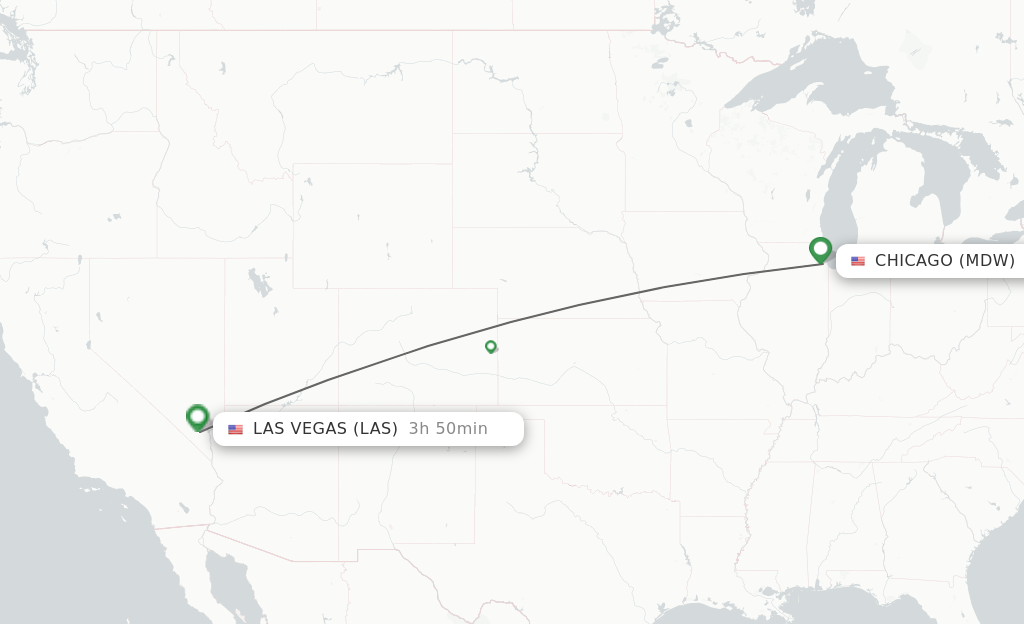
Planning a trip from the entertainment capital of Las Vegas to the architectural marvels and deep-dish delights of Chicago involves more than just picking a destination; it requires understanding the logistics of travel, particularly flight duration. While the exact time can vary, a direct flight between these two major United States cities typically clocks in around 3 hours and 30 minutes to 4 hours and 15 minutes in the air. This average, however, is merely a starting point, as several factors can influence the total time spent traversing the skies and airports. For travelers keen on optimizing their journey, delving into the intricacies of flight times, layovers, and airport procedures is essential for a seamless experience.
Understanding Direct Flight Duration
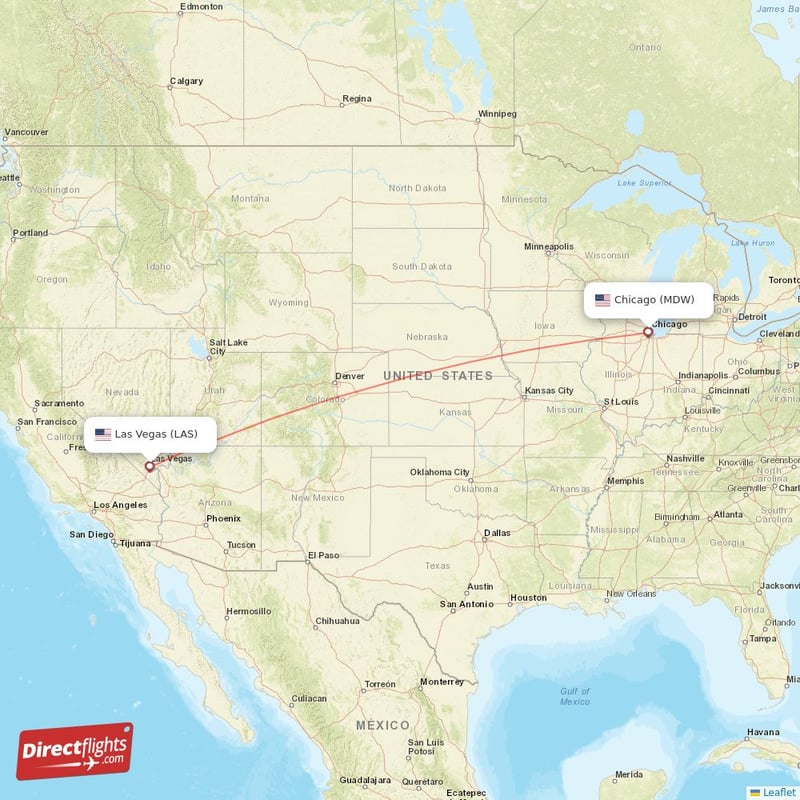
The advertised flight time for a non-stop journey between Las Vegas and Chicago represents the period from wheels-up to wheels-down, often referred to as “block time” which also accounts for taxiing at both ends. Airlines typically factor in a buffer to ensure on-time arrival, meaning the actual time in the air can sometimes be slightly less than the scheduled duration. The geographical distance between Harry Reid International Airport (LAS) in Las Vegas and O’Hare International Airport (ORD) or Midway International Airport (MDW) in Chicago is approximately 1,500 to 1,515 air miles, which for commercial jet aircraft translates to a journey of a few hours.
Factors Influencing Flight Time
Several variables contribute to the slight variations observed in direct flight times on this route:
- Air Traffic Control (ATC) and Route Optimization: The specific flight path taken is determined by Air Traffic Control to manage congestion and ensure safety. While direct, minor deviations can occur, subtly altering the overall length of the journey.
- Weather Conditions: Perhaps the most significant natural variable, weather plays a crucial role. Headwinds, strong winds blowing against the direction of travel, can increase flight time considerably, sometimes adding 20-30 minutes or more to a flight. Conversely, tailwinds, winds blowing in the same direction, can significantly reduce flight time. Storm systems or adverse weather at either departure or arrival airport can also cause delays in takeoff or landing, impacting the overall block time.
- Aircraft Type and Speed: Different aircraft models, even within the same airline fleet, have varying cruising speeds. A newer, more fuel-efficient jet might maintain a slightly higher average speed compared to an older model, contributing to a marginal difference in flight duration. Airlines select aircraft based on route demand and operational efficiency.
- Taxiing Time: The time spent taxiing on the runway before takeoff and after landing can vary greatly depending on airport congestion and gate availability. O’Hare International Airport, for instance, is one of the busiest airports in the world, and taxi times can sometimes be extensive. This is already baked into the “block time” but can stretch the feeling of the journey for passengers.
The Impact of Layovers and Connections
While direct flights offer the quickest aerial journey, they are not always available, or might be priced higher. Many travelers opt for connecting flights, which invariably extend the total travel time. A connecting flight means adding at least one stop, and sometimes more, at an intermediate airport. The duration of these layovers can range from a quick 45-minute sprint between gates to an extended several-hour wait, or even an overnight stay.
For a Las Vegas to Chicago itinerary, a connecting flight will typically add anywhere from 2 to 8 hours or more to the overall journey compared to a direct flight. This additional time accounts for the extra takeoff and landing, plus the layover period.
Popular Connection Hubs
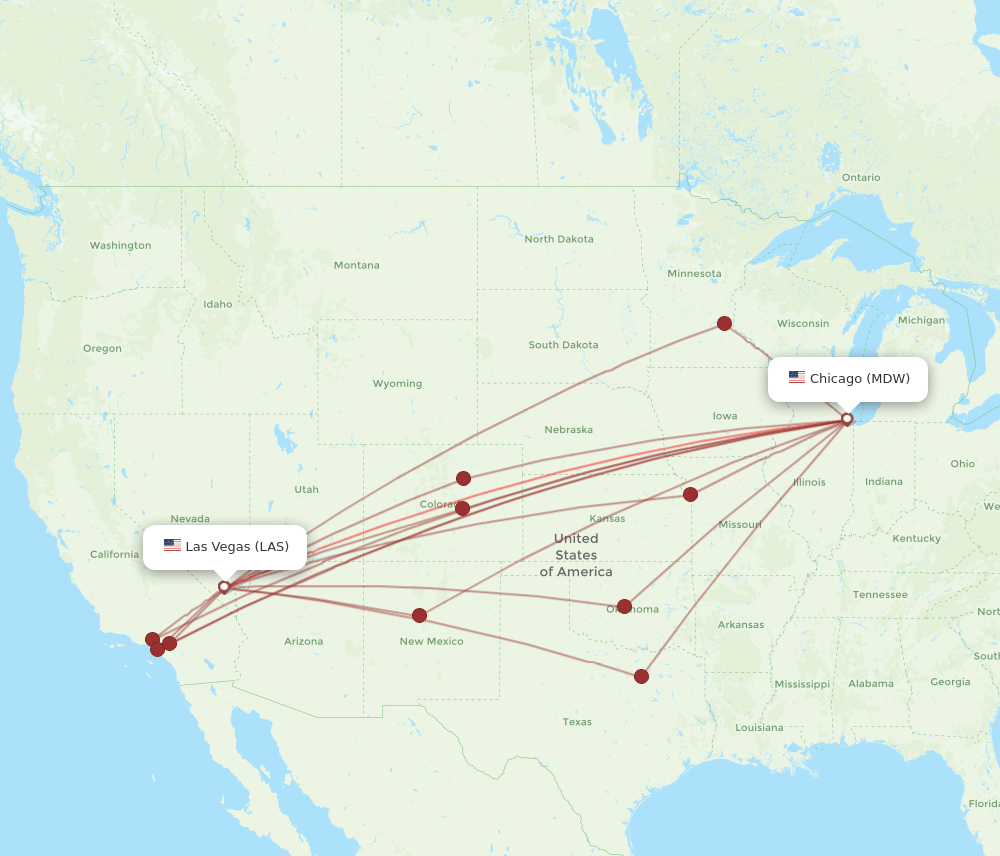
Given the geographical positioning of Las Vegas and Chicago, several major airports commonly serve as connection hubs for this route:
- Denver (DEN): A central hub for United Airlines and Southwest Airlines, Denver International Airport is a frequent stopover.
- Dallas/Fort Worth (DFW): A massive hub for American Airlines, Dallas/Fort Worth International Airport often features connecting flights to virtually anywhere in the United States.
- Phoenix (PHX): Another major hub for American Airlines and Southwest Airlines, Phoenix Sky Harbor International Airport can be a common stop.
- Salt Lake City (SLC): A Delta Air Lines hub, Salt Lake City International Airport can also facilitate connections.
- Los Angeles (LAX) or San Francisco (SFO): While seemingly west of Las Vegas, these major California hubs occasionally feature as connection points, particularly for passengers combining trips or when direct flights are limited.
Strategic Layover Planning
For those choosing connecting flights, strategic planning can make a significant difference. A layover that is too short (less than 60-90 minutes, especially at a large airport like O’Hare International Airport or Dallas/Fort Worth International Airport) increases the risk of missing your connecting flight due to delays from the first leg or lengthy walks between gates. Conversely, an excessively long layover can be tedious, though some travelers might intentionally choose one to leave the airport and explore a new city for a few hours, turning a layover into a mini-adventure. When booking, always check the minimum connection time recommended by the airline for the specific airport.
Beyond the Air: Total Travel Time
Focusing solely on flight duration can be misleading when assessing the total time commitment for travel. The entire journey from your door in Las Vegas to your final destination in Chicago encompasses much more than just the time the plane is in the air.
Airport Procedures and Transfers
To calculate your actual total travel time, consider these crucial components:
- Pre-Flight Airport Arrival: It’s generally recommended to arrive at Harry Reid International Airport (or any major airport) at least 2 hours before a domestic flight, sometimes 3 hours during peak travel times or if checking bags. This buffer allows time for parking or drop-off, check-in, and security screening.
- Security Screening: TSA wait times can be unpredictable. While TSA PreCheck or Clear can expedite this process, standard lines can take 30 minutes to over an hour, especially during busy periods.
- Boarding: Boarding typically begins 30-45 minutes before the scheduled departure time.
- Post-Flight Baggage Claim and Exit: After landing at O’Hare International Airport or Midway International Airport, factor in time for taxiing to the gate, deplaning, and, if you checked luggage, waiting for baggage at the carousel. This can easily add 30-60 minutes.
- Ground Transportation: Finally, the journey from the Chicago airport to your specific destination within the city needs to be included. Depending on traffic and your chosen mode of transport (taxi, rideshare, CTA train), this can take anywhere from 30 minutes to 1.5 hours from O’Hare International Airport and slightly less from Midway International Airport to downtown Chicago.
Factoring in all these elements, a truly comprehensive estimate for a direct flight journey from door to door could easily be 7-9 hours. For a connecting flight, this total could stretch to 10-15 hours or more.
Time Zone Changes and Jet Lag Considerations
Flying from Las Vegas, which operates on Pacific Time (PT), to Chicago, which is in the Central Time Zone (CT), involves crossing two time zones. Chicago is two hours ahead of Las Vegas. This means a flight departing at 9:00 AM PT from Las Vegas and landing 3.5 hours later will arrive at approximately 2:30 PM CT.
While a two-hour time difference is relatively minor for jet lag compared to international travel, it’s still worth noting, especially for those with sensitive internal clocks or tight schedules upon arrival. Eastbound flights often feel shorter in terms of actual clock time upon arrival, but the body has to adjust to “losing” two hours. Planning activities that aren’t too demanding on the arrival day can help ease the transition.
Choosing the Right Flight for Your Journey
Selecting the ideal flight involves balancing convenience, cost, and personal preferences. Understanding the nuances of flight duration can empower travelers to make informed decisions.
Airlines Serving the Route
The Las Vegas to Chicago route is a popular corridor, served by numerous major United States airlines:
- Southwest Airlines: Known for its direct routes and two free checked bags, Southwest Airlines operates numerous flights to both O’Hare International Airport and Midway International Airport from Harry Reid International Airport.
- United Airlines: A major carrier with a significant hub at O’Hare International Airport, United Airlines offers frequent direct flights.
- American Airlines: Another airline with a strong presence at O’Hare International Airport, providing multiple daily direct options.
- Spirit Airlines & Frontier Airlines: These budget carriers often offer competitive fares, though their flight times might sometimes be longer due to less direct routing or fewer daily options, and they typically operate out of both Chicago airports.
- Delta Air Lines: While not a major hub for Delta Air Lines in Chicago, they do offer direct flights and connections.
When choosing an airline, consider not just the advertised flight time but also baggage policies, in-flight amenities, and customer service reviews, all of which contribute to the overall travel experience.
Optimal Booking Strategies
To secure the best balance of flight duration and cost, consider these booking tips:
- Book in Advance: Generally, booking 1-3 months ahead for domestic travel yields better prices and more choice of direct flights.
- Be Flexible with Dates: Mid-week flights (Tuesday, Wednesday, Thursday) are often cheaper and less crowded, potentially leading to shorter airport wait times.
- Utilize Flight Comparison Sites: Websites like Google Flights, Skyscanner, and Kayak allow you to compare various airlines and itineraries, easily filtering by direct flights and layover durations.
- Consider Time of Day: Early morning flights are often less prone to delays as air traffic builds up throughout the day. Late-night flights can also sometimes be faster due to reduced air traffic.
- Check Different Airports: For Chicago, compare flights to both O’Hare International Airport (ORD) and Midway International Airport (MDW). While O’Hare International Airport is larger and has more international connections, Midway International Airport is closer to downtown Chicago and often served by budget airlines, potentially saving time and money on ground transport.
In conclusion, while the core flight time from Las Vegas to Chicago hovers around 3.5 to 4 hours for a direct journey, the true duration of your travel adventure involves careful consideration of airport processes, potential layovers, and the significant impact of external factors. By understanding these elements, travelers can plan a trip that is not only efficient but also tailored to their comfort and preferences.
LifeOutOfTheBox is a participant in the Amazon Services LLC Associates Program, an affiliate advertising program designed to provide a means for sites to earn advertising fees by advertising and linking to Amazon.com. Amazon, the Amazon logo, AmazonSupply, and the AmazonSupply logo are trademarks of Amazon.com, Inc. or its affiliates. As an Amazon Associate we earn affiliate commissions from qualifying purchases.