
Florida, often known as the Sunshine State, beckons millions of tourists each year with its pristine beaches, vibrant cities, and world-renowned attractions. From the theme parks of Orlando to the cultural allure of Miami, visitors immerse themselves in diverse experiences. However, amidst the excitement of planning a memorable trip, an often-overlooked yet critical detail for any tourist is understanding the state’s sales tax rate. This fundamental financial knowledge is essential for accurate budgeting, ensuring that your exploration of Florida’s local culture, food, and activities aligns with your financial expectations.
Understanding Florida’s Baseline Sales Tax for Tourists
Navigating the financial landscape of your vacation starts with grasping the basics. Florida’s sales tax structure is relatively straightforward at its core, but nuances exist that directly impact a tourist’s spending.
The State-Wide Standard
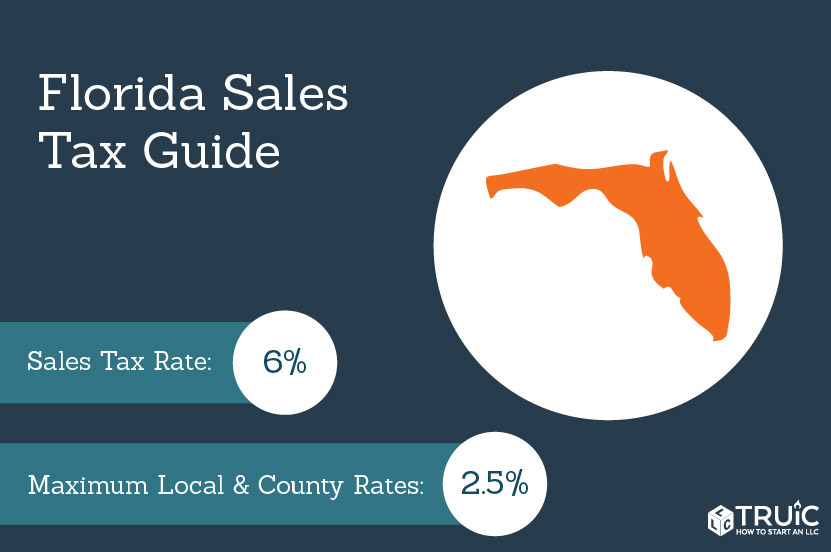
The bedrock of Florida’s sales tax system is a statewide rate of 6%. This percentage applies to the retail sale of most tangible personal property, as well as certain services, across the entire state. For tourists, this means that nearly every purchase, from souvenirs at a gift shop in Key West to a new swimsuit on South Beach, will have this 6% added to the listed price. This rate is consistently applied, providing a predictable base for your expenditure planning no matter where your Florida adventures take you. Understanding this baseline is the first step in ensuring your travel budget accounts for these additional costs.
How It Impacts Your Tourist Budget
For a tourist, a 6% sales tax might seem small on individual purchases, but it accumulates rapidly, especially on larger items or numerous transactions throughout a trip. Consider the cumulative effect: a $100 souvenir will cost you $106, a $50 meal becomes $53, and a $500 shopping spree adds $30 in taxes. These amounts, while seemingly minor in isolation, can significantly alter your overall budget for local culture, food, and activities. It’s crucial to factor in this additional percentage when calculating the total cost of dining out, purchasing entry tickets to attractions like Everglades National Park, or indulging in retail therapy. Ignoring sales tax can lead to unexpected expenses, potentially forcing you to scale back on planned experiences or dipping into funds allocated for other aspects of your vacation. Always consider the listed price as merely the starting point, with the sales tax representing a non-negotiable addition to your final bill.
Beyond the Base: Local Sales Taxes and Your Florida Getaway
While the 6% state sales tax is universal, Florida’s counties have the authority to levy their own discretionary sales surtaxes. These local taxes are added on top of the state rate, leading to varying total sales tax percentages depending on the county you are visiting. For tourists, this means the exact sales tax you pay can fluctuate as you travel across different regions of the Sunshine State.
County-Specific Surcharges: What Tourists Need to Know
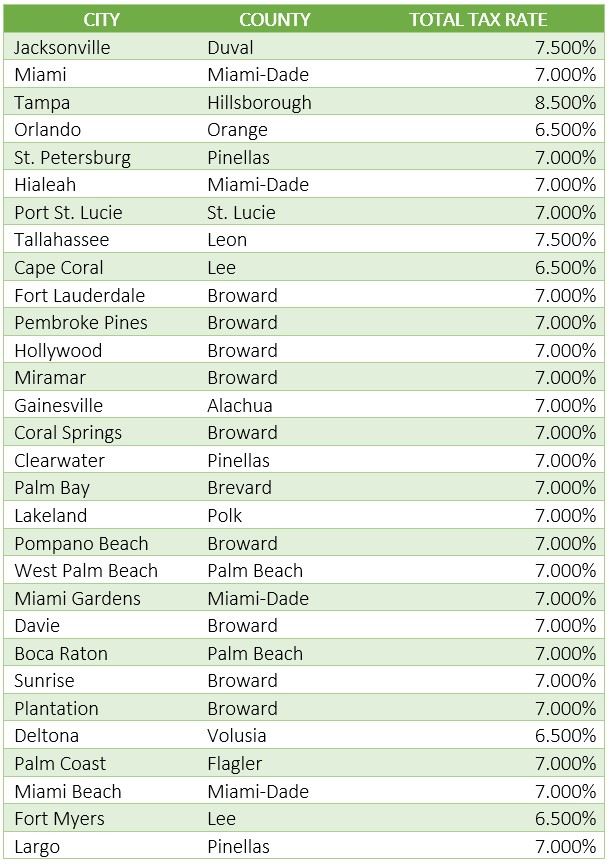
These county discretionary sales surtaxes, often referred to as local option taxes, are usually imposed to fund specific local initiatives such as infrastructure projects, public safety, or transportation. The rates can range from 0.5% to 2.5%, bringing the combined sales tax rate in some areas up to 7%, 7.5%, or even 8.5%. It’s important for tourists to recognize that these surcharges are not uniform; a purchase made in Tampa might have a different total sales tax than an identical purchase in Fort Lauderdale or Sarasota. This variability underscores the importance of being aware of the specific county you’re in, particularly if your trip involves moving between different destinations. Always check local tax rates if precise budgeting is a priority, as these additional percentages can accumulate quickly, especially on larger purchases like car rentals or significant retail items.
Examples in Popular Tourist Destinations
To illustrate the impact of these local surcharges, let’s consider some of Florida’s most visited tourist hubs:
- Orlando (Orange County): Home to iconic theme parks like Walt Disney World and Universal Studios Florida, Orlando typically adds a 0.5% county surtax, resulting in a combined sales tax rate of 6.5%. This means every souvenir, meal, and non-exempt item purchased within the county will incur this higher rate.
- Miami (Miami-Dade County): As a vibrant cultural and entertainment hub, Miami often applies an additional 1% county surtax, bringing the total sales tax to 7%. This applies to everything from designer clothing in upscale boutiques to delicious meals in South Beach restaurants.
- Tampa (Hillsborough County): A popular destination for its lively downtown and cultural attractions, Tampa generally adds a 1.5% county surtax, resulting in a total sales tax rate of 7.5%. This higher rate will impact purchases ranging from craft brewery tours to shopping excursions.
- Jacksonville (Duval County): In the state’s largest city by area, tourists will find a 1.5% county surtax, making the total sales tax 7.5%.
- St. Petersburg / Clearwater Beach (Pinellas County): These Gulf Coast gems typically have a 1% county surtax, leading to a 7% combined sales tax.
- Naples (Collier County): A destination known for its luxury and natural beauty, Naples also has a 0.5% county surtax, making the total sales tax 6.5%.
These examples highlight the patchwork nature of Florida’s sales tax rates. Tourists should remain mindful of these variations, as they directly influence the final cost of their chosen activities, food, and souvenir purchases in each specific locale.
What’s Taxable and What’s Not for Visitors
Understanding the sales tax rate is one thing; knowing what it applies to is another. For tourists, differentiating between taxable and non-taxable items is essential for accurate budgeting and avoiding surprises at the register. Florida sales tax primarily applies to tangible personal property, but there are important exceptions and additional taxes to consider.
Common Tourist Purchases Subject to Sales Tax
The vast majority of items a tourist might purchase in Florida will be subject to sales tax. This includes:
- Souvenirs and Gifts: From t-shirts and keychains to local artisan crafts, almost all items purchased as mementos of your trip will incur sales tax.
- Clothing and Accessories: Whether it’s swimwear for the beach, a new pair of sunglasses, or an outfit for an evening out in Miami, these items are generally taxable.
- Restaurant Meals and Prepared Food: Food purchased at restaurants, cafes, food trucks, and even pre-made meals from grocery deli counters are subject to sales tax. This includes both dine-in and takeout options.
- Beverages: Sodas, bottled water, and alcoholic beverages purchased for immediate consumption (e.g., at a bar or restaurant) are taxed. Packaged alcoholic beverages from liquor stores are also taxed.
- Admission to Attractions and Activities: Tickets for theme parks, museums, concerts, sporting events, boat tours, and other recreational activities are typically subject to sales tax. For instance, a ticket to Walt Disney World will have sales tax added to its base price.
- Rental Items: This is particularly relevant for tourists. Car rentals, boat rentals, jet ski rentals, and even certain equipment rentals (e.g., beach chairs, bicycles) are generally subject to sales tax.
Services and Exemptions
While many goods are taxed, certain services and categories of goods are exempt, or subject to different taxes.
- Most Services: Unlike many tangible goods, most professional and personal services are generally not subject to Florida sales tax. This could include services like haircuts, dry cleaning, or repair services (though parts used in repairs would be taxable). However, services directly related to entertainment or recreation, such as admission fees, are usually taxable.
- Groceries: A significant exemption for tourists who plan to cook some of their meals is the tax-exempt status of most unprepared food items purchased at grocery stores for home consumption. This means fresh produce, raw meat, dairy products, bread, and other staple grocery items are generally not subject to sales tax. However, as mentioned, prepared foods from a deli or hot bar are taxable.
- Prescription Medicine: Prescription medications are exempt from sales tax.
- Hotel Occupancy Tax (Tourist Development Tax): This is a crucial distinction for visitors. While hotels and other transient accommodations (like vacation rentals) are generally subject to the standard state and local sales tax on the room rate, they are also subject to an additional “Tourist Development Tax” (TDT) or “resort tax.” This TDT is separate from sales tax and can range from 1% to 6% or more, depending on the county. It’s often imposed by counties to fund tourism-related infrastructure and marketing. Therefore, when budgeting for accommodation, tourists must account for both the standard sales tax and the TDT on their lodging costs. This is an important detail, as it means the actual tax on your room will be higher than just the combined state and local sales tax rate.
Practical Tips for Navigating Sales Tax as a Florida Tourist
Understanding Florida’s sales tax system empowers tourists to manage their finances effectively and enjoy their trip without unexpected fiscal surprises. Here are some practical tips to keep in mind:
Budgeting for Sales Tax
The most effective way to handle sales tax is to incorporate it into your budget from the outset. When estimating the cost of meals, souvenirs, attraction tickets, or rental cars, always add an additional percentage to the listed price. If you’re unsure of the exact local rate, using a conservative estimate of 7.5% to 8% for counties with higher surtaxes or 6.5% for others ensures you won’t fall short. A simple rule of thumb could be to mentally add an extra dollar for every $15-20 spent on taxable items. This proactive approach prevents the cumulative effect of sales tax from eroding your discretionary spending or forcing you to cut back on planned activities.
Understanding Receipts
Always review your receipts, especially when making multiple purchases or in different counties. Receipts will clearly itemize the sales tax applied. This practice helps you verify that the correct tax rate has been charged and provides a clearer picture of how much of your spending goes towards the actual item versus state and local levies. If you travel between Orlando and Miami, for example, you’ll notice different total sales tax percentages on your receipts, reflecting the varying county surtaxes. Familiarizing yourself with receipt layouts will aid in quickly identifying these figures.
Impact on Major Purchases
For larger tourist expenditures, such as multi-day theme park passes, significant retail purchases, or long-term vehicle rentals, the sales tax impact becomes even more pronounced. A $1,000 package for Walt Disney World could incur an additional $60 to $75 in sales tax, depending on the county. Similarly, renting a car for a week could add a substantial amount to the total bill when sales tax and other surcharges are applied. Always confirm the final price, including all taxes and fees, before committing to major bookings or purchases. This foresight is crucial for maintaining control over your travel budget and ensuring a stress-free experience as you explore the wonders of Florida.
Staying Informed: Where to Find Current Tax Information
While this guide provides a comprehensive overview, tax laws can change. For the most up-to-date and precise information regarding Florida sales tax rates, especially concerning county-specific surtaxes, tourists can consult the Florida Department of Revenue website. This official source offers detailed tables outlining the combined state and local sales tax rates for every county in Florida, ensuring you have the most accurate data for your travel planning. A quick check of the specific county you plan to visit can help you finalize your budget with confidence, allowing you to focus on enjoying the rich culture, diverse cuisine, and exciting activities that the Sunshine State has to offer.
LifeOutOfTheBox is a participant in the Amazon Services LLC Associates Program, an affiliate advertising program designed to provide a means for sites to earn advertising fees by advertising and linking to Amazon.com. Amazon, the Amazon logo, AmazonSupply, and the AmazonSupply logo are trademarks of Amazon.com, Inc. or its affiliates. As an Amazon Associate we earn affiliate commissions from qualifying purchases.