
Embarking on a career in real estate in the vibrant state of Arizona offers a unique blend of opportunities, from showcasing stunning desert landscapes and luxurious resorts to facilitating the dreams of homeownership for residents and newcomers alike. While the allure of Arizona’s diverse attractions, from the awe-inspiring Grand Canyon National Park to the bustling culinary scene in Phoenix, might initially draw your focus to the lifestyle and tourism aspects of the state, understanding the foundational steps to becoming a licensed real estate professional is paramount. This guide will demystify the process, transforming your passion for this dynamic industry into a tangible career path, all while keeping in mind the exciting lifestyle and accommodation possibilities that Arizona has to offer.
Understanding the Arizona Real Estate Commission and Your Eligibility
Before diving into the specifics of courses and exams, it’s crucial to understand the governing body and the basic qualifications required to obtain your real estate license in Arizona. The Arizona Department of Real Estate (AZDRE) is responsible for overseeing all real estate activities within the state, ensuring that licensed professionals adhere to ethical standards and legal requirements. This department also approves the education providers and the examination content, making them the central authority in your licensing journey.
Basic Eligibility Requirements
To be considered for a real estate license in Arizona, you must meet several fundamental criteria. These are designed to ensure that all licensees are competent and trustworthy individuals capable of representing clients in significant financial transactions.
- Age: You must be at least 18 years of age. This is a standard requirement across most professions involving financial transactions and contractual agreements.
- Residency: While you don’t necessarily need to be a permanent resident of Arizona to obtain a license, you must have a lawful presence in the United States. For out-of-state applicants, there are specific provisions for reciprocity, which we will touch upon later, but for initial licensure, understanding the core requirements is key.
- Education: This is a significant component. You will be required to complete a pre-licensing education course approved by the AZDRE. This course is designed to provide you with the foundational knowledge necessary to understand real estate principles, practices, laws, and ethics.
- Criminal Background Check: A clean criminal record is generally a prerequisite. Applicants are typically required to submit to a fingerprint background check. Any felony convictions or misdemeanors involving fraud, dishonesty, or moral turpitude can lead to the denial of a license. The AZDRE will review each case individually, but it’s essential to be upfront about any such issues.
- Honesty and Integrity: Beyond the formal requirements, the AZDRE expects all licensees to conduct their business with a high degree of honesty and integrity. This is not just a legal requirement but a cornerstone of building a successful and reputable career in real estate.
For those who dream of working within the luxurious confines of an Arizona resort or assisting clients in finding their dream villa, meeting these initial requirements is the first step toward making that a reality. Understanding the framework set by the Arizona Department of Real Estate ensures you are on the right track.
The Pre-Licensing Education and Examination Process
The core of obtaining your real estate license in Arizona lies in completing the mandated pre-licensing education and successfully passing the state licensing examination. These steps are designed to equip you with the knowledge and skills needed to navigate the complexities of real estate transactions and to uphold professional standards.
Completing Your Pre-Licensing Education
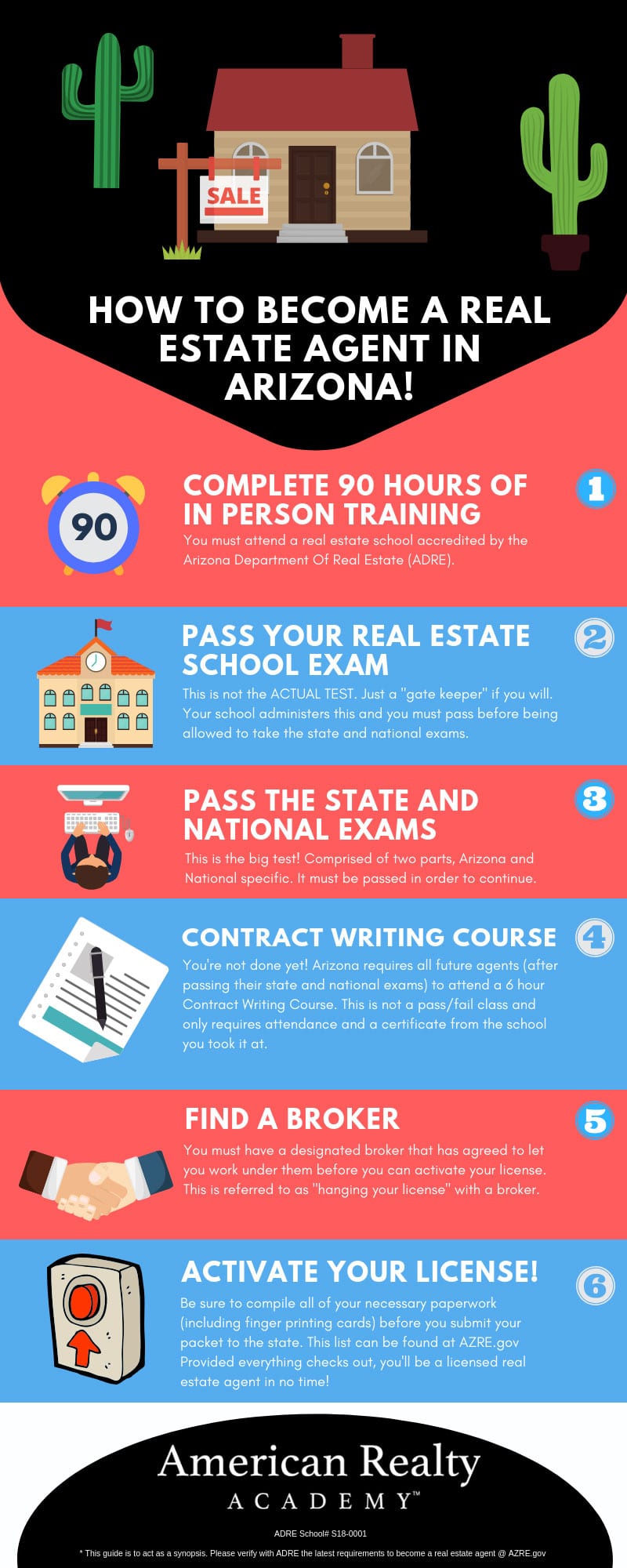
The AZDRE requires all aspiring real estate salespersons to complete a minimum of 90 hours of approved pre-licensing education. This comprehensive curriculum covers a broad range of topics essential for a real estate professional. While specific course outlines may vary slightly between approved education providers, you can expect to delve into:
- Real Estate Principles: This foundational module introduces core concepts such as property ownership, types of estates, deeds, mortgages, and contracts. Understanding these principles is crucial whether you’re discussing a beachfront apartment in California (though focusing on Arizona for licensing) or a historical landmark property.
- Real Estate Practices: This section focuses on the practical aspects of the real estate business, including agency relationships, listing agreements, buyer representation, marketing, and the closing process. It provides insights into how real estate agents interact with clients and conduct day-to-day operations.
- Arizona Real Estate Law: A significant portion of the education will be dedicated to the specific laws and regulations governing real estate in Arizona. This includes licensing laws, fair housing laws, contract requirements, agency disclosures, and environmental regulations. Understanding these nuances is vital to avoid legal pitfalls and ensure compliant transactions for your clients, whether they are looking for a luxury stay in Scottsdale or a budget-friendly accommodation.
- Real Estate Finance: Knowledge of financing is indispensable. This module covers mortgage basics, loan types, appraisal methods, and the role of lenders in real estate transactions.
- Real Estate Ethics: Ethical conduct is paramount in the real estate industry. This part of the curriculum emphasizes professional responsibility, fiduciary duties, and maintaining the highest standards of integrity when dealing with clients and other professionals.
Choosing an Approved Education Provider:
It is imperative to select a real estate school that is approved by the Arizona Department of Real Estate. A quick search on the AZDRE website will provide you with a list of approved providers. These schools offer their courses in various formats, including in-person classes, online self-paced modules, and live virtual instruction, allowing you to choose the method that best suits your learning style and schedule. Many of these providers also offer supplementary study materials and practice exams to help you prepare for the state licensing exam.
The Arizona Real Estate Salesperson Exam

Once you have successfully completed your 90-hour pre-licensing course, you will be eligible to schedule your state licensing exam. This exam is administered by a third-party testing service on behalf of the AZDRE. The exam is designed to test your comprehension of the material covered in your pre-licensing education and your ability to apply it to real-world scenarios.
The exam is typically divided into two sections:
- National Section: This part covers general real estate principles and practices that are common across the United States. It will assess your understanding of topics like property law, contracts, finance, and agency.
- Arizona State Section: This section specifically focuses on Arizona-specific real estate laws, regulations, and practices. This includes understanding state licensing laws, disclosures, zoning, and property taxes as they apply within Arizona.
The exam is usually delivered via computer and consists of multiple-choice questions. You will need to achieve a passing score on both sections to be granted a license. Thorough preparation, including reviewing your course materials, utilizing practice exams, and understanding the Arizona statutes, is crucial for success. Many candidates find that dedicating ample time to studying the Arizona-specific content is key to passing this section, especially if their prior experience or education was outside of the state.
Navigating the Licensing Application and Next Steps
After successfully passing the real estate salesperson exam, you are on the final stretch of obtaining your Arizona real estate license. This stage involves submitting your application to the AZDRE, undergoing the background check, and affiliating with a licensed real estate broker.
Submitting Your Application and Background Check
Once you receive confirmation of your exam results, you will need to complete and submit a formal application for your real estate salesperson license to the Arizona Department of Real Estate. This application will require you to provide personal information, details about your completed education, and consent for a background check.
Key Components of the Application:
- Application Form: Fill out the official salesperson license application form accurately and completely.
- Proof of Education: Submit a certificate of completion for your 90-hour pre-licensing course.
- Exam Score Report: Provide the official score report from your licensing exam.
- Fingerprint Card and Fee: You will need to undergo a fingerprint-based criminal background check. This usually involves getting your fingerprints taken at an authorized facility and submitting them along with the required fee to the AZDRE. Be prepared for potential delays in processing if there are any complications with your background check.
- License Fee: A fee is required for processing your license application.
It is highly recommended to review the latest application instructions and requirements on the AZDRE website before submitting, as these can be subject to change. A well-prepared application submitted promptly can expedite the process.

Affiliating with a Licensed Broker
In Arizona, a licensed real estate salesperson cannot operate independently. You must be affiliated with a licensed real estate broker. This means that upon receiving your license, you will need to join an established real estate brokerage firm. The broker is responsible for supervising your activities and ensuring that you comply with all real estate laws and ethical standards.
Choosing the Right Brokerage:
Selecting the right brokerage is a critical decision that can significantly impact your early career success. Consider the following factors when making your choice:
- Company Culture and Reputation: Look for a brokerage that aligns with your values and has a positive reputation in the Arizona real estate market.
- Training and Mentorship: A brokerage that offers robust training programs and mentorship opportunities can be invaluable, especially for new agents. This could involve learning the nuances of luxury property sales in areas like Paradise Valley or understanding the market for vacation rentals near Sedona.
- Commission Structure and Fees: Understand the commission split, desk fees, and other associated costs.
- Support Systems: Assess the level of administrative and marketing support provided by the brokerage.
- Specializations: Some brokerages specialize in specific market segments, such as residential, commercial, or luxury properties. Aligning with a brokerage that focuses on areas you’re passionate about, whether it’s waterfront properties in Lake Havasu City or family homes in Tucson, can be beneficial.
Once you have chosen a brokerage, they will typically assist you with the necessary paperwork to affiliate your license with their firm. After your license is issued and you are affiliated with a broker, you can officially begin your career as a real estate salesperson in Arizona, ready to explore diverse lifestyles, assist clients with finding their perfect accommodation, and introduce them to the wonders of this beautiful state, from its iconic landmarks to its vibrant local culture.