
Embarking on a journey from Seattle to Victoria is a quintessential Pacific Northwest experience, blending urban exploration with the charm of island life. This picturesque route offers several distinct travel options, each providing a unique perspective on the Salish Sea and the surrounding landscapes. Whether you prioritize speed, scenic beauty, or cost-effectiveness, understanding the nuances of each transport method will ensure a smooth and memorable transition from the bustling Emerald City to the elegant capital of British Columbia.
Ferries: The Scenic and Popular Choice
The most common and arguably the most enjoyable way to travel between Seattle and Victoria is by ferry. This option not only transports you across the water but also immerses you in the stunning maritime scenery of the Puget Sound and the Strait of Juan de Fuca. Washington State Ferries operates a direct route from the Seattle waterfront to Bainbridge Island. From Bainbridge Island, you will then need to connect to a Victoria Clipper ferry, which offers direct service to Victoria’s Inner Harbour. Alternatively, some travelers opt for a drive to Anacortes, a town north of Seattle, and catch a Washington State Ferry to the San Juan Islands (specifically Sidney, British Columbia, which is a short drive from Victoria).
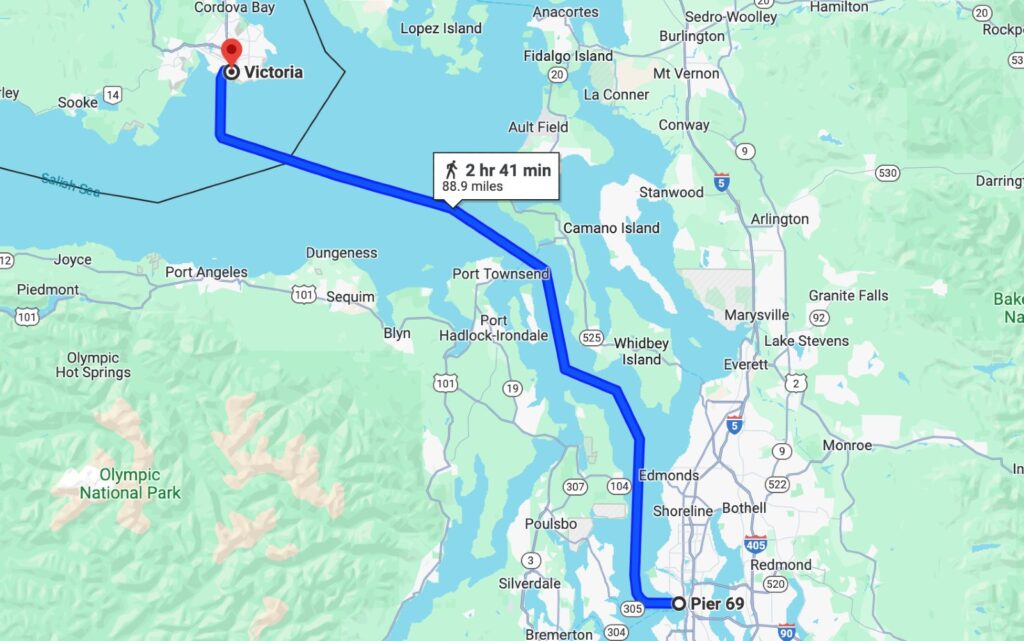
Washington State Ferries to Bainbridge Island
The Washington State Ferry route from Seattle to Bainbridge Island is a beloved local experience. The journey itself is a significant part of the adventure, offering panoramic views of the Seattle skyline, the Olympic Mountains, and the vast expanse of the Puget Sound.
- Departure Point: The Seattle terminal is located at Pier 52 on Alaskan Way. It’s easily accessible by public transportation or a short walk from downtown hotels.
- Sailing Time: The ferry ride to Bainbridge Island typically takes about 35 minutes.
- Frequency: Ferries run frequently throughout the day, usually every hour or even more often during peak times. It is advisable to check the Washington State Ferries schedule for the most up-to-date information.
- Vehicle vs. Foot Passenger: You can travel as a foot passenger or take your vehicle. If you are planning to explore Vancouver Island extensively, bringing your car can be convenient, but it also increases the cost and requires more planning. For a trip solely to Victoria, traveling as a foot passenger is often more economical and less hassle.
- Onboard Amenities: Ferries are equipped with comfortable seating, restrooms, and concession stands selling snacks, drinks, and light meals. Some ferries also offer outdoor decks for enjoying the fresh air and breathtaking views.
- Connection to Victoria Clipper: Once you arrive at Bainbridge Island, you will need to take transportation to the Bremerton ferry terminal, which is the only Washington State Ferry terminal that has direct international ferry service. From Bremerton, you can catch the Victoria Clipper ferry to Victoria. This connection requires careful timing to avoid lengthy waits.
The Victoria Clipper: Direct Service to Inner Harbour
For a seamless and direct route to Victoria, the Victoria Clipper is an excellent option. This high-speed passenger ferry service eliminates the need for multiple transfers and offers a comfortable and efficient journey.
- Departure Point: The Victoria Clipper departs from Pier 55 on the Seattle waterfront, a different terminal from the Washington State Ferries.
- Sailing Time: The voyage to Victoria takes approximately 2 hours and 45 minutes.
- Frequency: The Clipper operates multiple departures daily, though schedules can vary seasonally. Checking their official website for the latest timetable is crucial.
- Onboard Experience: The Clipper ferries are modern and well-equipped. They offer comfortable seating in both standard and premium classes, with onboard services including a duty-free shop, café, and restrooms. The large windows provide excellent opportunities for spotting marine wildlife like seals, dolphins, and even whales.
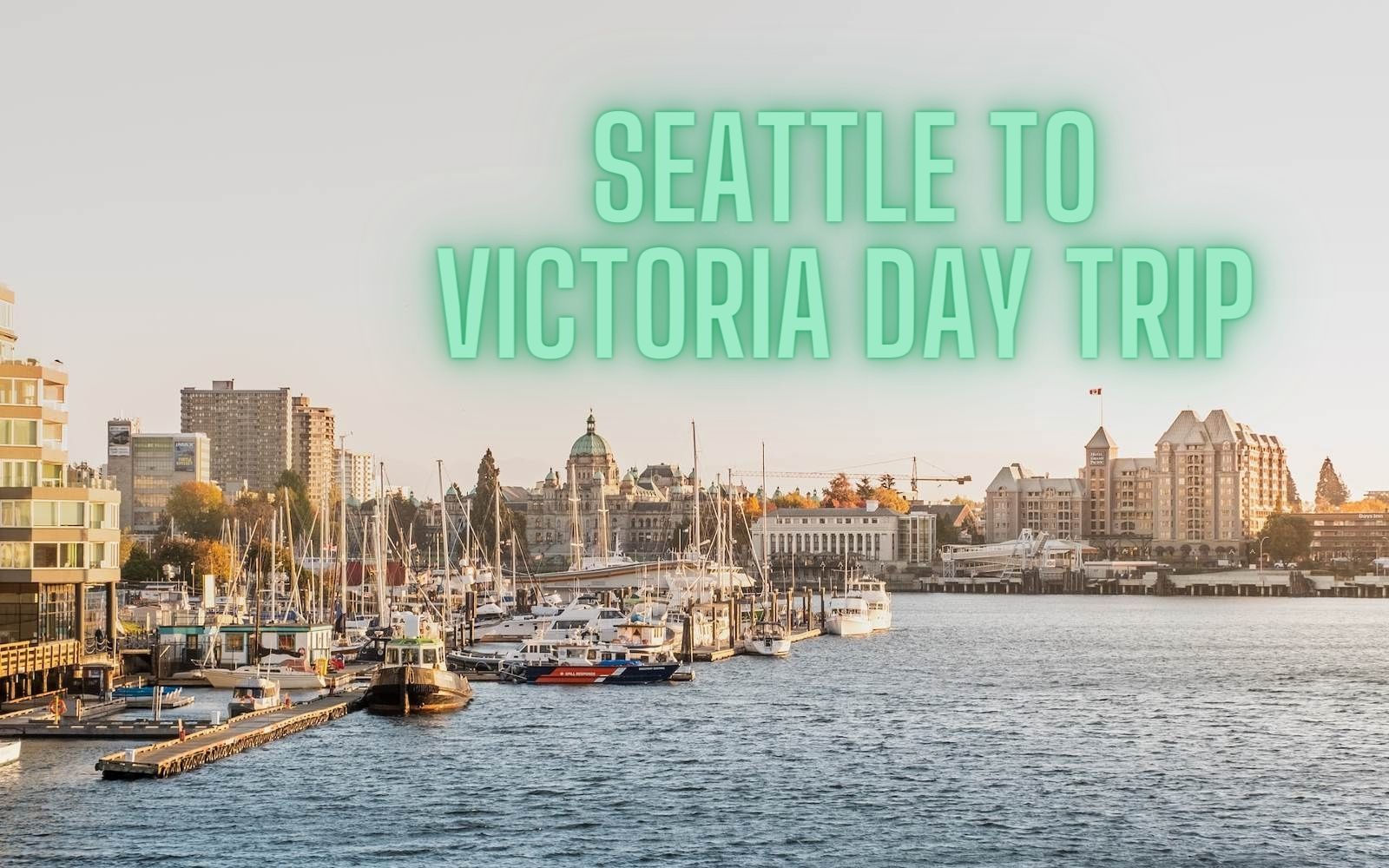
- Arrival: The Clipper docks directly in Victoria’s picturesque Inner Harbour, placing you in the heart of the city’s attractions, a short walk from hotels, restaurants, and major sights like the Fairmont Empress Hotel and the Royal BC Museum.
- Booking: It is highly recommended to book your Victoria Clipper tickets in advance, especially during peak travel seasons, as ferries can fill up quickly.
Driving and Alternative Ferry Routes
While less direct than the Victoria Clipper, driving offers flexibility and the opportunity to explore more of the Olympic Peninsula or the northern Puget Sound region. This approach involves combining driving with ferry crossings.
Driving via Anacortes and the San Juan Islands
This route is for those who want to experience the charm of the San Juan Islands as part of their journey. It involves a scenic drive north of Seattle and a ferry to Sidney, British Columbia, followed by a short drive to Victoria.
- Drive to Anacortes: The drive from Seattle to Anacortes takes approximately 1.5 to 2 hours, depending on traffic. The route is generally straightforward, following I-5 North.
- Washington State Ferry from Anacortes: From Anacortes, you can catch a Washington State Ferry to Sidney, British Columbia. This ferry route is part of the “Island Arch” route and often stops at various San Juan Islands, including Friday Harbor and Shaw Island, offering a leisurely pace and beautiful island views.
- Sailing Time: The ferry journey from Anacortes to Sidney can be quite long, typically ranging from 3 to 4 hours, depending on the specific route and stops.
- Customs and Immigration: Be prepared for customs and immigration procedures upon arrival in Sidney.
- Sidney to Victoria: Once in Sidney, you are a short 30-40 minute drive from Victoria. You can either have your car on the ferry or rent a car upon arrival in Sidney.
- Considerations: This option is best if you have ample time and wish to explore the San Juan Islands. It also involves more ferry transfers and potentially longer travel times than the direct Clipper service.
Driving via Port Angeles and Victoria Ferry Terminal (Coho Ferry)
This is another driving option that utilizes a different ferry service, the Coho Ferry, which travels between Port Angeles, Washington, and Victoria, British Columbia.
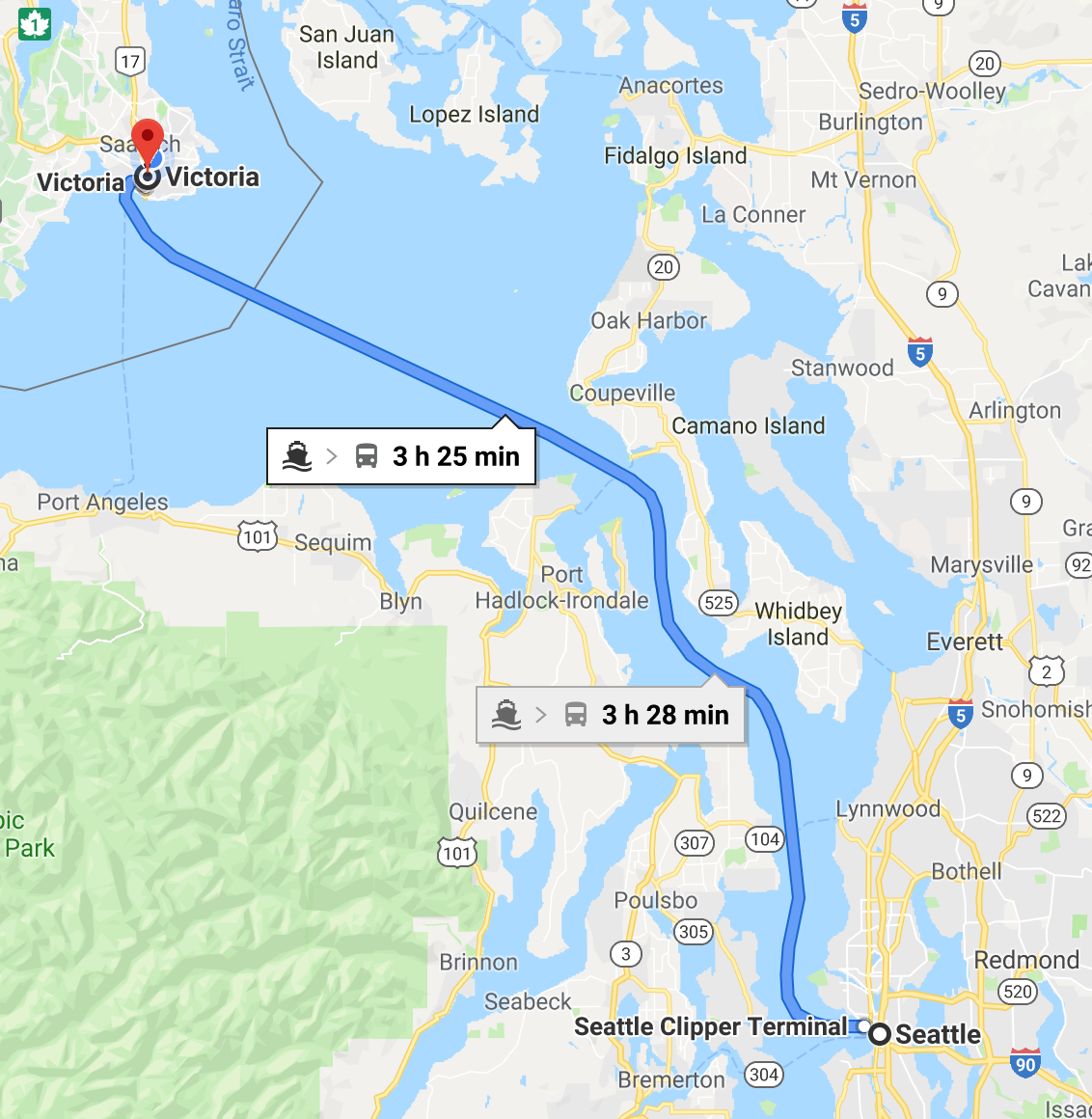
- Drive to Port Angeles: The drive from Seattle to Port Angeles involves crossing Puget Sound via a Washington State Ferry from Seattle to Bremerton (or Edmonds to Kingston) and then driving west across the Olympic Peninsula. This route is scenic but can take 3 to 4 hours, plus the ferry time.
- The Coho Ferry: The Coho Ferry is operated by Black Ball Ferry Line and offers a direct car and passenger ferry service between Port Angeles and Victoria.
- Sailing Time: The crossing from Port Angeles to Victoria takes approximately 1 hour and 30 minutes.
- Departure and Arrival: The Port Angeles terminal is conveniently located, and the ferry arrives at the Black Ball Ferry Terminal, just a short distance from downtown Victoria.
- Vehicle Access: This ferry is ideal for those traveling with their own vehicle, offering convenience for exploring Vancouver Island further.
- Booking and Schedule: It is advisable to check the Black Ball Ferry Line schedule and book your tickets in advance, especially during busy periods.
Flying: The Fastest but Least Scenic Option
For travelers prioritizing speed above all else, flying is an option, though it bypasses the unique maritime experience that defines the journey between Seattle and Victoria.
- Airports: You would fly from Seattle-Tacoma International Airport (SEA) to Victoria International Airport (YYJ).
- Airlines: Several airlines offer this route, including Harbour Air Seaplanes (a seaplane service that lands in the Inner Harbour) and larger commercial carriers.
- Flight Time: Direct flight times are relatively short, typically around 45 minutes to 1 hour.
- Total Travel Time: However, you must factor in travel time to and from airports, check-in procedures, security, and baggage claim. This can significantly extend the overall journey, often making it comparable to or even longer than the ferry, especially when considering the convenience of arriving directly in downtown Victoria via the Clipper.
- Cost: Flying can also be more expensive than ferry options, particularly when booking last minute.
- Experience: While efficient, this method offers none of the scenic beauty of traveling over the water and misses out on the distinct charm of a ferry journey.
Planning Your Trip to Victoria
Regardless of the transportation method chosen, thorough planning is essential for a seamless trip to Victoria.
Booking and Timing
- Advance Reservations: For the Victoria Clipper and the Coho Ferry, booking tickets in advance is strongly recommended, especially during summer months, holidays, and weekends.
- Ferry Schedules: Always check the latest ferry schedules directly from the operators (Washington State Ferries, Victoria Clipper, Black Ball Ferry Line). Schedules can change due to weather, season, or operational needs.
- Travel Time Buffers: Allow ample buffer time for travel to the ferry terminals, check-in, boarding, and potential delays.
Customs and Immigration
As you are crossing an international border into Canada, you will need to have appropriate documentation.
- Required Documents: Ensure you have a valid passport or other WHTI-compliant identification. Canadian citizens and permanent residents will need their passports. U.S. citizens will need a passport, passport card, or NEXUS card. Other nationalities will require a passport and potentially a visa, depending on their country of origin.
- Declare Goods: Be prepared to declare any goods you are bringing into Canada.
- Customs Declarations: Follow all instructions provided by Canada Border Services Agency officials.
Luggage Considerations
- Ferry Limits: Passenger ferries typically have generous luggage allowances, but it’s wise to check the specific policies of your chosen ferry service regarding the size and number of bags.
- Vehicle Space: If traveling with a vehicle, ensure you have adequate space and that your luggage is secured.
Weather Preparedness
The Pacific Northwest weather can be unpredictable.
- Layering: Pack layers of clothing, as temperatures can fluctuate throughout the day.
- Rain Gear: A waterproof jacket and comfortable walking shoes are essential, as rain is common year-round.
- Sun Protection: Even on cloudy days, sun protection is important when out on the water or exploring the city.
Choosing the right mode of transport from Seattle to Victoria significantly shapes your travel experience. Whether you opt for the iconic ferry ride across the Salish Sea, a more leisurely drive with island explorations, or a swift flight, each option presents its own unique advantages. By understanding these choices and planning accordingly, you can ensure your transition to the charming city of Victoria is as delightful as the destination itself.
LifeOutOfTheBox is a participant in the Amazon Services LLC Associates Program, an affiliate advertising program designed to provide a means for sites to earn advertising fees by advertising and linking to Amazon.com. Amazon, the Amazon logo, AmazonSupply, and the AmazonSupply logo are trademarks of Amazon.com, Inc. or its affiliates. As an Amazon Associate we earn affiliate commissions from qualifying purchases.