
The aroma of a perfectly grilled steak is an invitation to indulge, a culinary beacon that transcends borders and brings people together. While the concept of grilling a steak might seem straightforward, mastering the art of the New York Strip is a journey, much like exploring the world’s finest destinations. For the discerning traveler and epicurean adventurer, understanding how to prepare this quintessential cut is not just about a meal; it’s about elevating a lifestyle, experiencing local flavors, and creating unforgettable memories, whether at a remote luxury villa, a bustling city apartment, or a serene resort balcony. This guide is crafted for those who believe that exceptional travel and exquisite dining go hand-in-hand, demonstrating how to bring the world-class experience of a perfectly grilled New York Strip steak into your travel adventures or back home, inspired by global culinary traditions.
The Global Appeal of a Perfect Steak: A Lifestyle of Flavor
The New York Strip, also known as a Kansas City strip, shell steak, or simply “strip steak,” is celebrated worldwide for its tender texture, robust beefy flavor, and ideal fat marbling. Its appeal extends far beyond its namesake, becoming a staple in high-end restaurants and backyard barbecues across continents. For the luxury traveler, savoring a well-prepared steak is often a highlight of a journey, whether it’s a dry-aged cut in Chicago, a grass-fed marvel in Argentina, or a meticulously cooked piece of Wagyu in Japan. This global appreciation for quality beef speaks to a shared human desire for rich, satisfying flavors and culinary excellence – a cornerstone of the lifestyle that defines discerning travelers.
Sourcing the Best: From Local Markets to Luxury Resorts
The foundation of a magnificent grilled New York Strip begins with sourcing. When you’re traveling, this process transforms into an adventure, an immersion into local culture and agricultural practices. Imagine strolling through a vibrant farmers’ market in Buenos Aires, where the air hums with the promise of prime Argentinian beef, renowned for its distinct flavor profile thanks to the vast Pampas grasslands. Or perhaps you’re in Kyoto, exploring options for the famed Wagyu beef, with its unparalleled marbling, even if a true Kobe cut might be reserved for a specialty restaurant.
For those staying in self-catering accommodation, like an apartment rental in Florence or a villa overlooking the Amalfi Coast, visiting a local butcher, or macelleria, is an essential experience. It’s an opportunity to practice a few phrases in the local language, learn about regional cuts, and often, gain insights into traditional preparation methods. In the United States, places like Texas are legendary for their beef, and finding a local rancher’s market can provide a truly authentic taste.
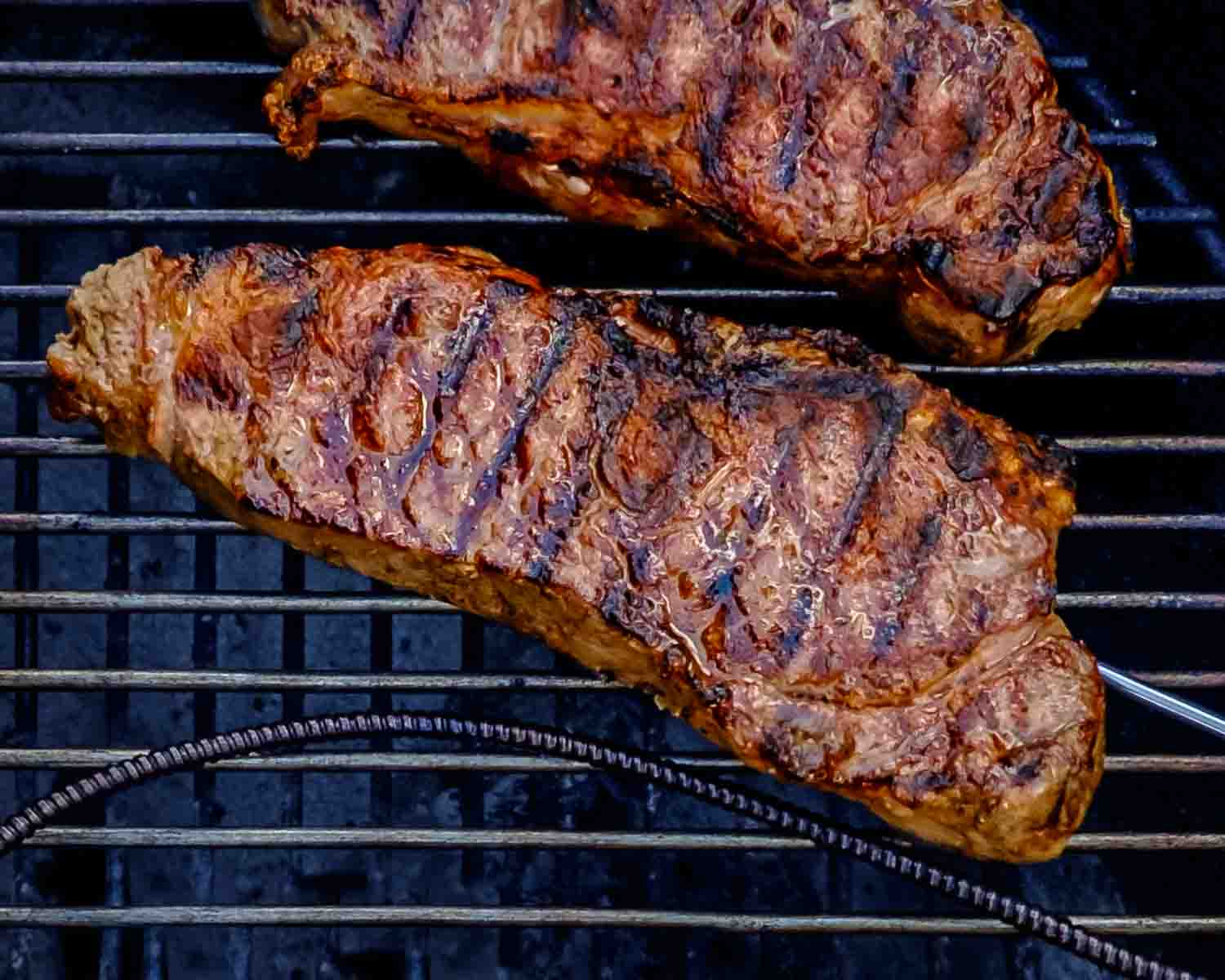
Even within the confines of a luxury resort, sourcing can be an experience. Many high-end establishments, like the Four Seasons Resort Maui at Wailea or a secluded Aman Resort property, pride themselves on farm-to-table practices. Their culinary teams often source the finest meats from local purveyors or even their own ranches. In such settings, you might discover specialty cuts or rare breeds that elevate your grilling adventure. The key is to seek out quality, whether it’s USDA Prime, grass-fed, dry-aged, or a specific regional delicacy. Look for a steak that is at least 1.5 inches thick, with good marbling – the small flecks of fat that melt during cooking, imparting tenderness and flavor.
The Art of the Sear: Techniques from Around the World
Different cultures bring unique perspectives to grilling, influencing techniques that can inspire your New York Strip preparation. The Argentinian asado tradition, for instance, focuses on slow cooking over embers, allowing the meat’s natural flavors to shine. While a New York Strip is typically grilled more quickly, the emphasis on quality fire and patience resonates. In Japan, precision is paramount, with careful attention to heat distribution and quick searing to achieve a perfect crust while preserving the delicate texture of Wagyu or other premium cuts.
For the New York Strip, the goal is a beautiful, dark-brown crust on the outside and a juicy, tender interior cooked to your desired doneness. This involves high heat and strategic flipping. Drawing inspiration from these global approaches, we focus on a method that balances intense searing with controlled cooking.
Mastering the Grill: Essential Steps for a Flawless New York Strip Anywhere
Whether you’re using a gas grill on the patio of a Hilton Garden Inn with grilling facilities, a charcoal grill at a scenic campsite, or a high-end appliance in a luxury vacation rental in Napa Valley, the principles remain consistent. It’s about understanding your equipment and respecting the meat. This isn’t just a recipe; it’s a guide to creating a culinary experience that complements your travel memories.
Preparation Prowess: Seasoning and Temperature Acclimation
The journey to a perfect steak begins well before it hits the grates.
- Bring to Room Temperature: Remove your New York Strip from the refrigerator at least 30-60 minutes before grilling. This allows the steak to cook more evenly from edge to center. If the center is too cold, the outside may overcook before the inside reaches your desired doneness.
- Pat Dry: Moisture is the enemy of a good sear. Use paper towels to thoroughly pat both sides of the steak dry. This ensures that when the steak hits the hot grill, it immediately starts to develop a crust, rather than steaming.
- Season Liberally: For a cut as flavorful as the New York Strip, simplicity is often best. A generous coating of coarse sea salt and freshly cracked black pepper on all sides is usually sufficient. Some prefer a dash of garlic powder or onion powder, but allow the beef to be the star. Don’t be shy with the seasoning; a thick steak can handle it, and much will fall off during grilling.
- Oil the Steak, Not the Grates: Lightly coat the steak with a high smoke point oil, such as grapeseed, avocado, or canola oil. This prevents sticking, promotes an even sear, and helps transfer heat efficiently. Oiling the steak directly is generally more effective than oiling the grates, as it ensures uniform coverage and avoids flare-ups from excess oil dripping onto the coals or burners.
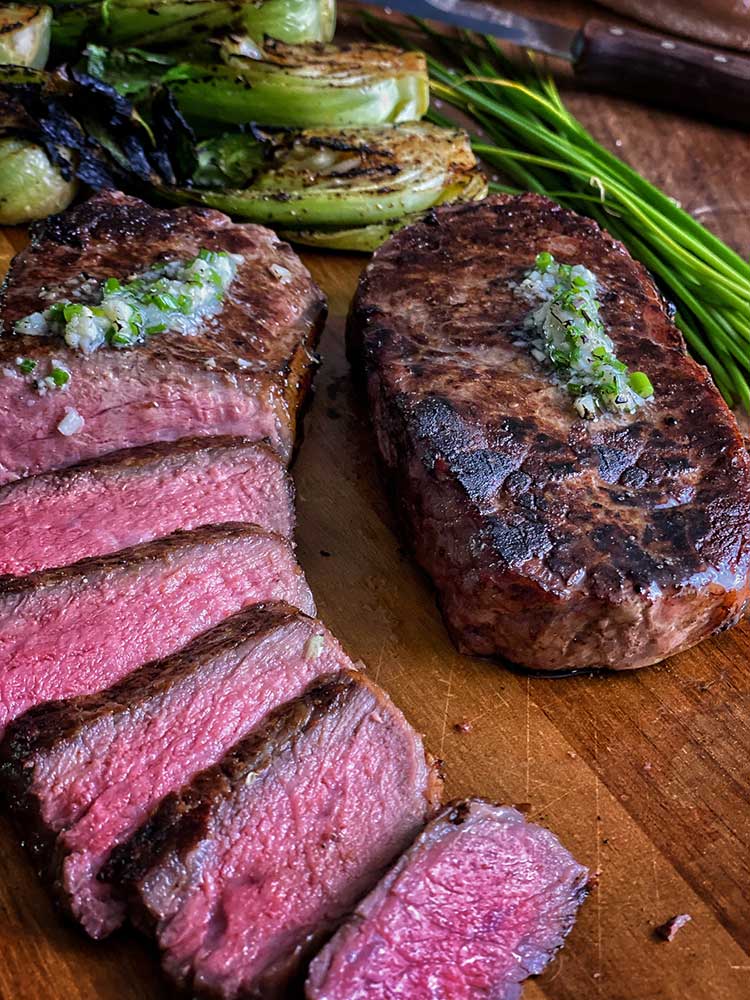
Grilling Techniques: From Backyard BBQs to Balcony Grills
Understanding your grill and managing its heat is paramount. This section applies whether you’re using a simple charcoal Weber in a park in Tokyo or a state-of-the-art gas grill in an apartment with a panoramic view of the Eiffel Tower.
- Preheat Your Grill: Get your grill screaming hot. For gas grills, preheat to high for 10-15 minutes, with the lid closed. For charcoal grills, aim for a two-zone fire: one side with direct high heat and the other with indirect lower heat. The grates should be hot enough to instantly sizzle when the steak touches them. Clean your grates thoroughly with a stiff wire brush once hot.
- The Initial Sear: Place the seasoned, oiled New York Strip directly over the hottest part of the grill. Close the lid if using a gas grill, or maintain strong airflow for charcoal. For a beautiful crosshatch pattern (a visually appealing detail, especially when serving guests at a Malibu beach house), grill for 2-3 minutes, then rotate the steak 45 degrees and grill for another 2-3 minutes on the same side.
- Flip and Repeat: Flip the steak to the other side and repeat the searing process (2-3 minutes, then rotate 45 degrees for another 2-3 minutes). This initial high-heat exposure should create a dark, caramelized crust.
- Indirect Cooking (if necessary): If your steak is very thick (over 1.5 inches) or you prefer a more medium doneness without charring the exterior, move it to the cooler, indirect heat zone of your grill after the initial searing. Close the lid and continue to cook until it reaches your desired internal temperature.
- Monitor Internal Temperature: The only reliable way to achieve perfect doneness is with a meat thermometer. Insert it into the thickest part of the steak, avoiding bone or gristle.
- Rare: 125°F (52°C)
- Medium-Rare: 130-135°F (54-57°C) – Highly recommended for New York Strip
- Medium: 135-140°F (57-60°C)
- Medium-Well: 140-145°F (60-63°C)
- Well-Done: 150°F+ (65°C+)
Remember that the steak will continue to cook a few degrees after being removed from the heat (carryover cooking). Pull it off the grill 5 degrees before your target temperature.
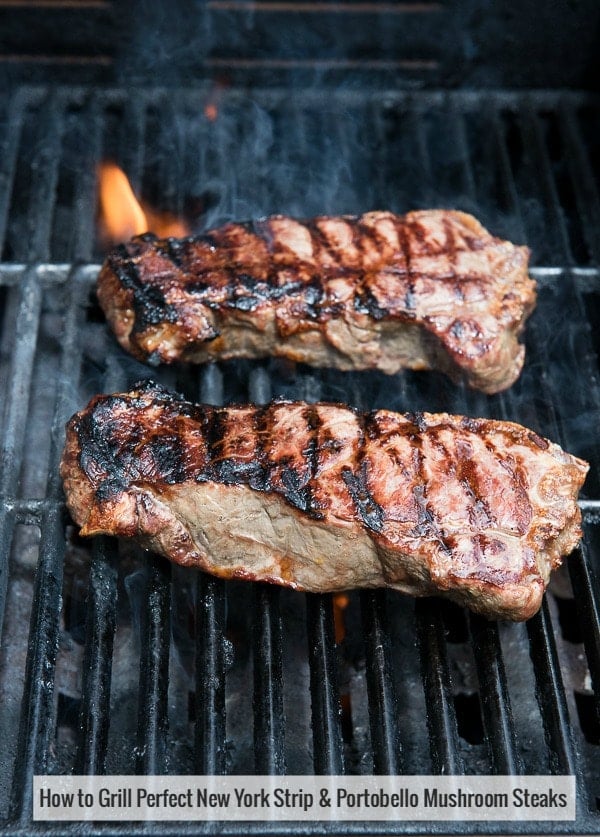
The Perfect Finish: Resting and Slicing for Maximum Enjoyment
This final step is non-negotiable and as crucial as the grilling itself.
- Rest the Steak: Once removed from the grill, transfer the New York Strip to a cutting board and tent it loosely with aluminum foil. Let it rest for 5-10 minutes (longer for thicker steaks). Resting allows the juices, which have migrated to the center of the steak during cooking, to redistribute throughout the meat. Cutting too soon will result in a dry steak, with all those precious juices running out onto your board.
- Slice Against the Grain: When ready to serve, slice the steak against the grain into ½-inch thick pieces. Cutting against the grain shortens the muscle fibers, making each bite more tender and enjoyable. Presenting a beautifully sliced steak on a platter is a simple yet elegant touch, whether you’re dining in a rustic cabin in the mountains near Machu Picchu or a modern penthouse overlooking the Grand Canyon.
Elevating the Experience: Pairing and Ambiance on Your Travels
Grilling a New York Strip is more than just cooking; it’s about crafting an experience. For the travel enthusiast, this means integrating local flavors, stunning backdrops, and carefully selected accompaniments that transform a meal into a cherished memory.
Wine and Dine: Local Pairings from Vineyard Regions
A superb steak deserves an equally superb wine pairing. When traveling, this opens up opportunities to explore local viticulture and enhance your culinary journey. If you’re grilling in Tuscany, a robust Chianti Classico or a Brunello di Montalcino would be a natural, harmonious choice. For those exploring the wine regions of Bordeaux, a Cabernet Sauvignon or Merlot blend would complement the rich beef flavors perfectly. In Napa Valley, a full-bodied California Cabernet Sauvignon is practically a rite of passage.
Consider other regions too: a rich Malbec from Argentina if you’ve sourced local beef there, a Douro Red from Portugal’s Douro Valley, or even a Syrah from Provence in France. The act of discovering and pairing local wines with your grilled steak is an integral part of immersive travel, adding depth to both your meal and your understanding of a destination.
Beyond wine, consider other local beverages. Craft beers from a microbrewery in London or unique spirits like a smoky Mezcal from Mexico can also offer intriguing pairings, reflecting the diverse culinary landscapes you explore.
Setting the Scene: Grilling Under the Stars in Exotic Locales
The ambiance surrounding your meal is as important as the food itself. Imagine grilling your New York Strip on the private terrace of a villa in Santorini, with the Aegean Sea stretching out before you as the sun dips below the horizon. Picture a tranquil evening in a Tuscan Villa, the scent of rosemary and olive wood smoke mingling in the air, shared with loved ones under a canopy of stars.
Even in bustling urban centers, unique grilling experiences can be found. A rooftop BBQ in New York City offers iconic skyline views, while a hidden garden courtyard in Rome might provide a surprisingly intimate setting. Many modern accommodations, from boutique hotels in Bangkok to upscale apartments in Dubai (perhaps even with views of The Palm), now feature shared grilling facilities, making these dream scenarios more accessible. The key is to embrace the local environment, whether it’s the sounds of a vibrant city, the tranquility of a remote beach, or the rustic charm of the countryside. Complement your steak with simple, fresh sides inspired by your locale: a vibrant Greek salad in Mykonos, grilled asparagus from a local market in Provence, or roasted potatoes seasoned with herbs from a market in Singapore. The setting, the company, and the thoughtful culinary choices converge to transform a meal into an indelible travel memory.
The New York Strip as a Travel Memory
Ultimately, the act of grilling a New York Strip is an extension of the lifestyle of travel and exploration. It’s about bringing the world to your plate, whether you’re physically in an exotic destination or reminiscing about past adventures from the comfort of your home. The skills you hone, the ingredients you discover, and the ambiances you create contribute to a richer, more flavorful life. From the bustling food markets of Hong Kong to the serene landscapes of South Africa, the pursuit of culinary perfection mirrors the quest for memorable travel experiences.
By mastering the art of grilling a New York Strip, you’re not just cooking a meal; you’re cultivating a skill that enhances your ability to connect with cultures, savor local delicacies, and create moments of pure gastronomic delight, no matter where your travels take you. So, fire up the grill, embrace the journey, and enjoy the delicious fruits of your culinary exploration.
LifeOutOfTheBox is a participant in the Amazon Services LLC Associates Program, an affiliate advertising program designed to provide a means for sites to earn advertising fees by advertising and linking to Amazon.com. Amazon, the Amazon logo, AmazonSupply, and the AmazonSupply logo are trademarks of Amazon.com, Inc. or its affiliates. As an Amazon Associate we earn affiliate commissions from qualifying purchases.