
Florida is renowned globally for its sun-kissed beaches, vibrant theme parks, and rich cultural tapestry. Yet, beneath the surface of these popular attractions lies a thriving agricultural heart, most notably expressed through its prolific strawberry industry. For visitors keen to delve deeper into local culture, food, and activities, understanding how strawberries are grown in Florida offers a unique insight into the state’s natural resources and the dedication of its farming communities. This guide provides an in-depth look at cultivating strawberries in the Sunshine State, framed within the context of agritourism and local culinary experiences for both residents and curious travelers.
Florida’s Strawberry Culture: An Essential Part of the Tourist Experience
The strawberry is more than just a fruit in Florida; it’s a cornerstone of local identity and a significant draw for agritourism, particularly in the central region around Plant City. Tourists visiting during the peak season can immerse themselves in a world of vibrant fields, bustling markets, and sweet culinary delights.
Peak Season and Festival Highlights for Visitors
Florida’s strawberry season typically runs from late November through April, peaking in February and March. This period transforms the landscape, offering a unique seasonal spectacle that many tourists actively seek out. The most famous celebration of this harvest is the Florida Strawberry Festival in Plant City, an annual event that draws hundreds of thousands of visitors. This festival is a prime example of how local agriculture directly translates into a significant tourist attraction. Attendees can enjoy live entertainment, agricultural exhibits, classic fair rides, and, of course, an endless array of strawberry-infused foods, from shortcakes and milkshakes to pizzas and tacos. Experiencing the festival provides a vivid understanding of the economic and cultural impact of strawberry farming on the region. Beyond Plant City, many smaller towns host local markets and farm stands where visitors can purchase fresh-picked berries and artisanal products, providing a more intimate glimpse into Florida’s agricultural bounty.
Immersive Agritourism: U-Pick Farms and Educational Tours
For those who wish to move beyond observation and actively participate, Florida’s numerous U-pick strawberry farms offer an unparalleled experience. These farms, scattered across the central and southern parts of the state, invite visitors to wander through fields, select their own ripe berries, and experience the satisfaction of harvesting fresh produce directly from the source. This hands-on activity is particularly popular with families, offering both entertainment and an educational component about where food comes from. Many U-pick farms, such as Pioneer Trails Farm or Sweetfields Farm near Tampa, also offer additional attractions like corn mazes, petting zoos, and picnic areas, extending the visit into a full day’s outing. Some larger operations provide guided tours that explain the intricacies of strawberry cultivation, from soil preparation to pest management, giving tourists a deeper appreciation for the effort involved in bringing these sweet treats to their tables. These experiences are invaluable for understanding the local food system and connecting with the agricultural heritage of the state.
Cultivating Success: Understanding Florida’s Unique Agricultural Landscape
Growing strawberries in Florida is a specialized endeavor, dictated by the state’s distinct climate and soil conditions. For tourists interested in sustainable travel or local food movements, understanding these factors sheds light on the unique agricultural practices employed in the region.
The Sunshine State’s Climate Impact on Strawberry Farming
Florida’s subtropical climate presents both advantages and challenges for strawberry growers. Unlike colder regions where strawberries are a summer crop, Florida’s mild winters allow for a winter harvest, making it a key producer when other states cannot. However, the high humidity and occasional warm spells can create conditions ripe for fungal diseases and pests, requiring diligent management. Frost is another concern, especially in northern Florida, necessitating protective measures like row covers or overhead irrigation for commercial farms. Tourists visiting agricultural areas will often observe these climate-specific adaptations, from sophisticated irrigation systems to temporary coverings used during unexpected cold snaps, highlighting the ingenuity required to farm successfully in this environment. The specific timing of the harvest is directly influenced by the fluctuating winter temperatures, which can make a trip to a U-pick farm a slightly different experience from one week to the next.
Optimizing Soil and Water for Flavorful Local Produce
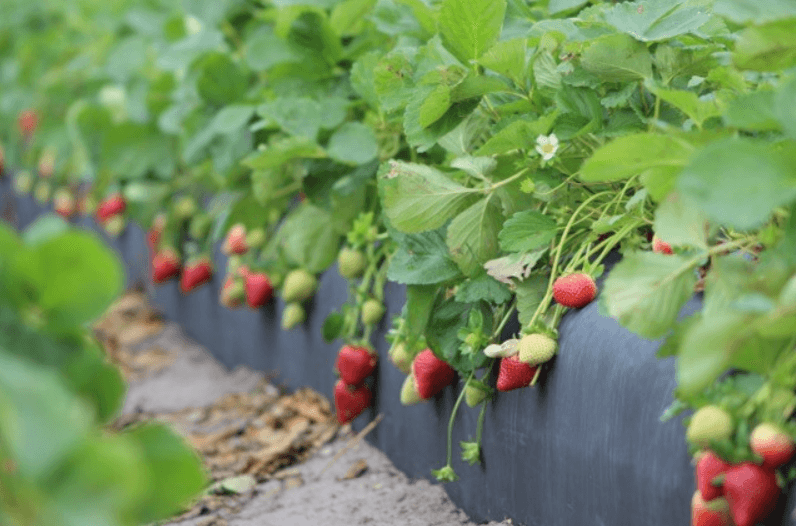
Strawberries thrive in well-drained, slightly acidic soil. Florida’s native sandy soils, while excellent for drainage, often lack organic matter and essential nutrients. Therefore, growers, whether commercial or home-based, must heavily amend their soil with compost or other organic materials to improve fertility and water retention. The traditional method involves raised beds covered with black plastic mulch. This technique, commonly observed on commercial farms, helps warm the soil, suppress weeds, retain moisture, and keep berries clean. Irrigation is critical, typically delivered through drip lines installed beneath the plastic mulch, ensuring precise water delivery directly to the root zone while minimizing waste. For visitors on farm tours, seeing these specialized beds and irrigation systems provides a tangible link to the science and care behind Florida’s sweet produce. Understanding these practices enriches the experience of consuming local berries, knowing the effort put into their cultivation.
Mastering Strawberry Cultivation for Home Growers and Curious Visitors
While large-scale farming dominates the industry, many Florida residents enjoy growing strawberries in their backyards, and the principles they apply are often derived from commercial best practices. Tourists interested in gardening or sustainable living can gain valuable insights from these methods.
Selecting Resilient Varieties Suited for Florida’s Conditions
Choosing the right strawberry variety is paramount for success in Florida. The University of Florida Institute of Food and Agricultural Sciences (UF/IFAS) has developed several cultivars specifically adapted to the state’s unique climate. Popular varieties include ‘Florida Brilliance’, ‘Sweet Sensation™ Florida127’, and ‘Florida Radiance’, all known for their high yield, disease resistance, and excellent flavor. These varieties are short-day types, meaning they produce fruit in response to shorter daylight hours and cooler temperatures, aligning perfectly with Florida’s winter growing season. When visiting local nurseries or farm stands, tourists might inquire about these specific cultivars, connecting their retail experience with the scientific research driving Florida’s agricultural innovation. This knowledge can also inspire visitors to try growing strawberries in their own climate-appropriate regions, armed with insights from the Sunshine State.
Best Practices for Planting and Care: Insights from Local Farmers
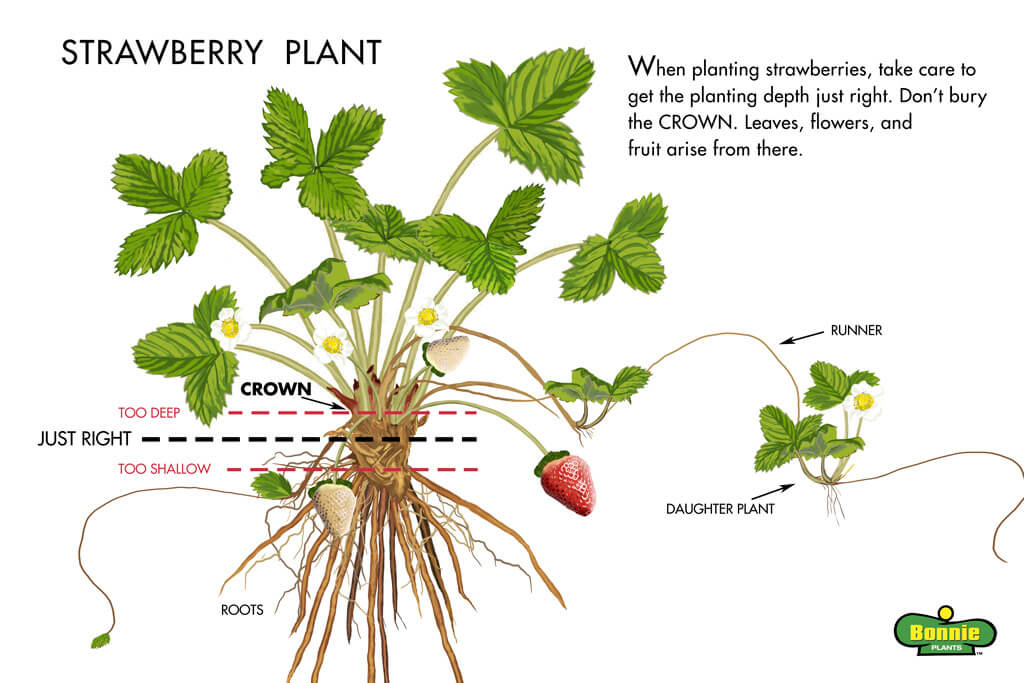
For those considering growing strawberries, whether in a backyard garden or as part of a community plot, understanding the optimal planting and care strategies is key. Transplants, often called “plugs” or “bare-root plants,” are typically planted in October or November. Spacing them about 12-18 inches apart in rows helps ensure good air circulation, which is vital in Florida’s humid environment to prevent fungal diseases. Consistent watering, especially during dry spells, is crucial, but overwatering should be avoided to prevent root rot. Local farmers often employ integrated pest management (IPM) strategies, minimizing chemical use by focusing on biological controls and cultural practices. This approach is not only environmentally friendly but also aligns with the growing tourist interest in organic and sustainably grown produce. Observing these careful practices on a farm tour or at a local garden center provides valuable context for the quality and safety of Florida-grown strawberries. Learning about these techniques directly from local experts or through educational materials available at agritourism sites offers a tangible takeaway for visitors.
Engaging with Florida’s Strawberry Heritage
The cultivation of strawberries in Florida is deeply intertwined with the state’s social and economic fabric. Engaging with this heritage offers tourists a richer, more authentic understanding of local life beyond the typical tourist traps.
Beyond the Farm: Local Markets, Culinary Events, and Festivals
Beyond the grand Florida Strawberry Festival, numerous farmers’ markets across the state, such as the Sarasota Farmers Market or the St. Petersburg Saturday Morning Market, become vibrant hubs for strawberry sales during peak season. These markets allow tourists to interact directly with growers, sample different varieties, and purchase fresh produce alongside other local goods. Many local restaurants also feature seasonal strawberry dishes, showcasing the versatility of the fruit in savory and sweet culinary creations. Participating in these local events or simply enjoying a strawberry-themed meal at a regional eatery provides a delicious way to connect with Florida’s food culture. These experiences are not merely about consumption but about appreciating the local flavors and the agricultural efforts that make them possible.
The Economic and Cultural Impact of Strawberry Farming on Local Communities
Strawberry farming is a significant economic driver for many rural Florida communities, providing jobs and supporting a network of related industries, from transportation to packaging. The seasonal nature of the harvest creates a vibrant, albeit temporary, influx of labor and activity, shaping the rhythm of life in agricultural towns. Culturally, the strawberry has become a symbol of Florida’s agricultural prowess and a source of local pride. For tourists, understanding this deeper context adds layers of meaning to their visit. When they purchase a pint of fresh berries or attend a local festival, they are not just engaging in a transaction; they are contributing to the vitality of these communities and celebrating a long-standing tradition. This connection to local heritage enriches the travel experience, fostering a greater appreciation for the often-unseen aspects of a destination.
Enjoying Your Florida-Grown Strawberries
Whether picked fresh from a U-pick farm or purchased from a local market, Florida strawberries are a culinary delight that epitomizes the taste of the Sunshine State’s winter bounty.
Culinary Delights with Fresh Florida Strawberries
The sweet, juicy flavor of fresh Florida strawberries makes them incredibly versatile in the kitchen. Tourists are encouraged to seek out local restaurants that incorporate them into their menus. Beyond classic strawberry shortcake and jams, local chefs often create innovative dishes like strawberry and goat cheese salads, strawberry salsa, or even savory glazes for meats. For home cooks, the simplicity of slicing fresh berries over yogurt, blending them into smoothies, or creating a vibrant fruit salad allows the natural sweetness to shine. The act of preparing and enjoying these berries, especially after a visit to a farm, reinforces the connection between the land, the labor, and the delicious final product. It becomes a memorable part of the Florida experience, a taste of the local harvest.
Preserving the Harvest and Sharing the Experience
For those who wish to extend the enjoyment of Florida strawberries beyond the fresh season, preserving them is an excellent option. Making homemade strawberry jam, freezing whole berries, or drying slices allows one to savor the taste of Florida’s harvest year-round. Many U-pick farms and local markets offer workshops or recipes for preservation, further enhancing the educational and hands-on tourism experience. Sharing these homemade treats with friends and family back home becomes a tangible way to recount one’s travel experiences in Florida, highlighting the state’s unexpected agricultural charm and the rich, diverse activities it offers beyond its famous beaches and theme parks.
LifeOutOfTheBox is a participant in the Amazon Services LLC Associates Program, an affiliate advertising program designed to provide a means for sites to earn advertising fees by advertising and linking to Amazon.com. Amazon, the Amazon logo, AmazonSupply, and the AmazonSupply logo are trademarks of Amazon.com, Inc. or its affiliates. As an Amazon Associate we earn affiliate commissions from qualifying purchases.