
Texas, with its diverse climates and rich agricultural heritage, presents a unique and rewarding opportunity for strawberry cultivation. While some might consider the state’s heat a deterrent, the secret to a successful Texas strawberry harvest lies in understanding the specific needs of these beloved berries and adapting to the local conditions. This guide delves into the essential aspects of growing strawberries in the Lone Star State, from selecting the right varieties to nurturing your plants through the seasons and ensuring a bountiful yield.
Understanding Texas Climate and Strawberry Varieties
The primary challenge for strawberry growers in Texas is managing the extreme temperature fluctuations. From scorching summers to occasional freezes, the climate demands careful planning and variety selection. Fortunately, plant breeders have developed strawberry varieties that are well-suited to the Texan environment.

Day-Neutral vs. June-Bearing Strawberries
- Day-Neutral Varieties: These are often the most recommended for Texas gardeners. Day-neutral strawberries, also known as everbearing, produce fruit throughout the growing season, from spring to fall, as long as temperatures are moderate (typically between 35°F and 85°F). They are less sensitive to day length and will continue to bear fruit in smaller flushes during warmer periods, provided they receive adequate water and nutrients. This continuous fruiting cycle makes them ideal for maximizing harvests in a climate with a long growing season like much of Texas.
- June-Bearing Varieties: These varieties produce one large crop of berries, usually in late spring or early summer (hence the name). They are typically more vigorous and produce larger berries than day-neutrals. However, their single harvest window means they are more susceptible to damage from late spring frosts, which can wipe out the entire crop. While they can be grown in Texas, careful planning for frost protection is crucial.
Recommended Varieties for Texas
When choosing a variety, it’s essential to consider its adaptability to Texas’s specific microclimate and disease resistance. Some popular and successful choices include:
- ‘Albion’: A day-neutral variety known for its firm, sweet, and large berries. It performs well in many regions of Texas and offers a good balance of yield and flavor.
- ‘Seascape’: Another robust day-neutral option that thrives in various conditions. It’s praised for its consistent production and good disease resistance.
- ‘Chandler’: A well-known June-bearing variety that can produce significant yields of large, flavorful berries. It’s often a go-to for those looking for that classic, abundant spring harvest, but requires diligent frost management.
- ‘Fort Laramie’: An everbearing (similar to day-neutral in fruiting pattern) variety that has shown resilience in Texas heat.
- ‘Ozark Beauty’: A reliable everbearing variety that can produce well throughout the season, making it a popular choice for home gardeners.
It’s also advisable to consult with local Texas A&M AgriLife Extension offices or reputable nurseries in your specific region for the most up-to-date recommendations, as microclimates can vary significantly even within Texas.
Planting and Soil Preparation
Successful strawberry cultivation begins with the right planting strategy and well-prepared soil. Texas soils can range from heavy clay to sandy loams, each with its own challenges and benefits.
Site Selection
Strawberries require at least six to eight hours of direct sunlight per day. Choose a location that receives ample sun, especially during the morning hours, to help dry dew from the leaves and reduce the risk of fungal diseases. Good air circulation is also important. Avoid planting in areas where tomatoes, peppers, or potatoes have been grown in the past three to four years, as these plants can harbor soil-borne diseases that affect strawberries.
Soil Preparation
The ideal soil for strawberries is well-draining, rich in organic matter, and slightly acidic, with a pH between 5.5 and 6.8.
- Improving Drainage: Many Texas soils, particularly in East and Central Texas, are clay-based and can become waterlogged. To improve drainage, incorporate generous amounts of compost, aged manure, or other organic materials. Raised beds are highly recommended in these areas, as they elevate the root system above the saturated soil, promoting better aeration and preventing root rot.
- Amending the Soil: Mix in at least 3-4 inches of compost or other organic matter into the top 6-8 inches of soil. This not only improves drainage but also adds essential nutrients and helps retain moisture. If your soil is particularly heavy clay, consider adding perlite or coarse sand to further improve aeration.
- Soil Testing: Before planting, it’s wise to conduct a soil test. This will reveal your soil’s pH level and nutrient deficiencies, allowing you to make targeted amendments. Your local AgriLife Extension office can provide soil testing kits and analysis.
Planting Techniques
Strawberries can be planted as dormant bare-root plants or as small potted plants. The best time to plant in most of Texas is from late fall through early spring (October to February).
- Bare-Root Plants: Soak the roots in water for about an hour before planting. Dig a hole wide enough to spread the roots out naturally. The crown of the plant (where the leaves emerge from the roots) should be planted exactly at soil level. If planted too deep, the crown can rot; if planted too shallow, the roots can dry out.
- Potted Plants: These are generally easier to handle and establish. Plant them at the same depth as they were in their nursery pot, ensuring the crown is at soil level.
- Spacing: Space plants 12-18 inches apart in rows that are 3-4 feet apart. This spacing allows for good air circulation and makes harvesting easier.
- Mulching: After planting, apply a layer of mulch (such as straw, pine needles, or shredded leaves) around the plants. Mulch helps conserve soil moisture, suppress weeds, regulate soil temperature, and keep berries clean. Avoid piling mulch against the plant crowns.
Care and Maintenance Through the Seasons
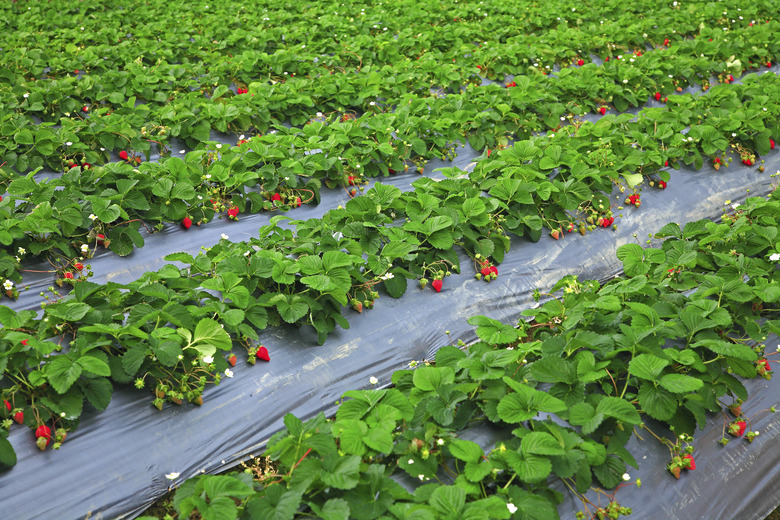
Consistent care is key to a healthy strawberry patch and a bountiful harvest. This includes watering, fertilizing, pest and disease management, and runner control.
Watering
Strawberries have shallow root systems and require consistent moisture, especially during fruit development.
- Frequency: Aim for about 1-2 inches of water per week, either from rainfall or irrigation. During hot, dry spells, more frequent watering may be necessary.
- Method: Drip irrigation or soaker hoses are the most efficient methods, as they deliver water directly to the root zone, minimizing water loss through evaporation and keeping foliage dry, which helps prevent fungal diseases.
- Avoid Overwatering: While consistent moisture is crucial, waterlogged soil can lead to root rot. Ensure good drainage, especially in clay soils.
Fertilizing
Strawberries are moderate feeders. Over-fertilizing, especially with nitrogen, can lead to excessive leaf growth at the expense of fruit production.
- Initial Fertilization: Amend the soil with compost or a balanced organic fertilizer (e.g., 5-10-10 or 10-10-10) before planting.
- Subsequent Fertilization: For everbearing and day-neutral varieties, a light application of a balanced fertilizer after the first fruiting flush and again in late summer or early fall can promote continued production and strengthen plants for the next season. For June-bearing varieties, fertilize lightly after the harvest is complete.
- Micronutrients: In some Texas soils, micronutrient deficiencies, particularly iron, can occur, leading to yellowing leaves (chlorosis). A foliar application of chelated iron can help correct this.
Pest and Disease Management
Texas’s climate can foster a variety of pests and diseases that can impact strawberry plants. Proactive measures are essential.
- Common Pests:
- Spider Mites: Thrive in hot, dry conditions. Look for fine webbing on the undersides of leaves. Frequent watering and avoiding dusty conditions can help. Insecticidal soaps or horticultural oils can be effective.
- Aphids: Small, soft-bodied insects that cluster on new growth. A strong blast of water or insecticidal soap can usually manage them.
- Thrips: Tiny insects that can damage flowers and developing fruit, causing silvering and distortion. Row covers can help during bloom.
- Birds: A common problem for ripe berries. Netting is the most effective solution.
- Common Diseases:
- Fungal Diseases (e.g., Leaf Spot, Gray Mold): Promote good air circulation, water at the base of plants, and mulch to prevent spores from splashing onto leaves and fruit. Remove and destroy infected plant parts. Fungicides may be necessary in severe cases.
- Root Rot: Caused by waterlogged soil. Ensure excellent drainage and avoid overwatering. Raised beds are a lifesaver.
- Verticillium Wilt: A soil-borne disease that causes wilting and plant death. Choose resistant varieties and avoid planting in areas previously used for susceptible crops.
Runner Management
Strawberry plants send out runners, which are horizontal stems that root and form new plants.
- For Fruit Production: In the first year, it’s generally recommended to remove all runners from June-bearing plants to direct the plant’s energy into establishing a strong root system and producing fruit in the following year. For day-neutral and everbearing varieties, you can allow a few runners to root if you wish to expand your patch, but it’s still advisable to limit them to encourage better fruit production from the parent plant.
- For Propagation: If you want to propagate new plants, allow a few runners to root in pots filled with soil. Once rooted, they can be transplanted.
Harvesting and Post-Harvest Care
The reward for your efforts comes at harvest time. Picking berries at the right time and handling them properly ensures the best flavor and shelf life.
Harvesting Berries
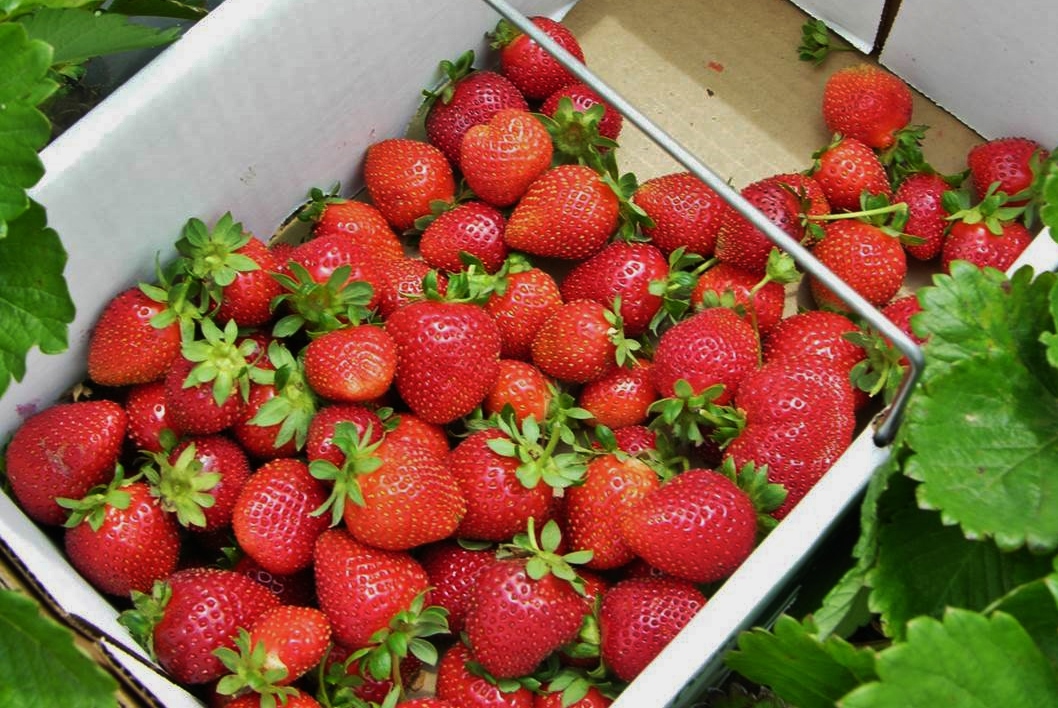
Strawberries are typically ready to harvest when they are fully red and have a glossy appearance.
- Timing: The best time to pick is in the morning after the dew has dried but before the heat of the day sets in. This is when berries are firmest and have the best flavor.
- Technique: Gently grasp the stem above the berry and pinch or snip it, leaving the green cap (calyx) attached to the fruit. Avoid pulling the berry directly off the plant, as this can damage the plant and the berry.
- Frequency: Check your plants every one to two days during the peak fruiting season, as berries ripen quickly.
Post-Harvest Handling and Storage
Proper handling is crucial to preserve the quality of your homegrown strawberries.
- Cooling: Cool the berries as quickly as possible after picking. Avoid washing them until just before you intend to eat them, as moisture can promote spoilage. If you must rinse them, do so gently and dry them thoroughly.
- Storage: Store unwashed berries in a single layer in a shallow container, preferably lined with paper towels, in the refrigerator. They are best consumed within a few days.
- Preservation: If you have an abundant harvest, consider preserving your strawberries through freezing, canning, or making jam. Freezing is a simple method; hull the berries, arrange them in a single layer on a baking sheet until frozen, then transfer them to freezer bags.
Growing strawberries in Texas is a journey that blends horticultural knowledge with an appreciation for the state’s unique agricultural potential. By selecting the right varieties, preparing your soil diligently, and providing consistent care, you can enjoy the sweet, juicy rewards of your own Texas-grown strawberries, adding a delightful flavor to your home and table.
LifeOutOfTheBox is a participant in the Amazon Services LLC Associates Program, an affiliate advertising program designed to provide a means for sites to earn advertising fees by advertising and linking to Amazon.com. Amazon, the Amazon logo, AmazonSupply, and the AmazonSupply logo are trademarks of Amazon.com, Inc. or its affiliates. As an Amazon Associate we earn affiliate commissions from qualifying purchases.