
The destructive force of wildfires in California is a recurring and increasingly severe challenge, impacting not only its natural beauty but also its vibrant communities and the crucial tourism sector. While the focus often lies on immediate firefighting efforts, there are numerous ways individuals and organizations can contribute to mitigating these events and supporting recovery. This guide explores how to help California fires, focusing on proactive prevention, immediate support, and long-term rebuilding within the context of tourism and its interconnectedness with the state’s well-being.
Understanding the Landscape: Fire Prevention and Preparedness
Wildfires in California are a complex issue driven by climate change, drought conditions, and historical land management practices. Understanding the root causes is the first step in effective prevention and preparedness, crucial for safeguarding the state’s natural attractions and the tourism infrastructure that relies on them.

Creating Defensible Space
A critical element of wildfire prevention is the creation of “defensible space” around homes, businesses, and any structures in wildfire-prone areas. This involves clearing flammable vegetation within a specified radius.
- Homeowners and Businesses: Residents and business owners in affected areas, particularly those near wildland-urban interfaces, are encouraged to maintain a cleared zone around their properties. This includes removing dead leaves, pine needles, and dry grass, as well as trimming trees and bushes.
- Tourism Operators: Hotels, resorts, and vacation rental owners in areas susceptible to fires should prioritize maintaining defensible space. This not only protects their investments but also ensures the safety of guests and demonstrates a commitment to community resilience. This proactive measure is vital for maintaining the appeal of destinations that depend on their natural surroundings.
Supporting Responsible Land Management
Effective land management plays a significant role in reducing wildfire risk. This involves practices that promote forest health and reduce fuel loads.
- Prescribed Burns: Supporting organizations that conduct controlled, or prescribed, burns can help reduce the accumulation of dry vegetation that fuels larger fires. These burns, when conducted by trained professionals, mimic natural fire cycles and can improve ecosystem health.
- Forest Thinning: Projects aimed at thinning overcrowded forests and removing dead or diseased trees can help prevent fires from spreading rapidly and intensely. This is particularly important in popular natural attractions and national parks.
- Community Initiatives: Engaging with local fire departments and community groups that organize fuel reduction events can provide hands-on opportunities to contribute to prevention efforts.
Educating Visitors and Locals
A well-informed public is a safer public. Educating both residents and visitors about fire safety and prevention is paramount.
- Fire Restrictions: Tourists and locals alike must be aware of and strictly adhere to fire restrictions, such as campfire bans and limitations on vehicle use in dry areas.
- Responsible Recreation: Promoting practices like proper disposal of cigarette butts and ensuring vehicles have spark arrestors can prevent accidental ignitions.
- Emergency Preparedness: Encouraging preparedness plans, including evacuation routes and emergency kits, is essential for everyone living in or visiting California. This is especially relevant for travel planning in fire-prone seasons.
Immediate Support: Responding to Active Fires
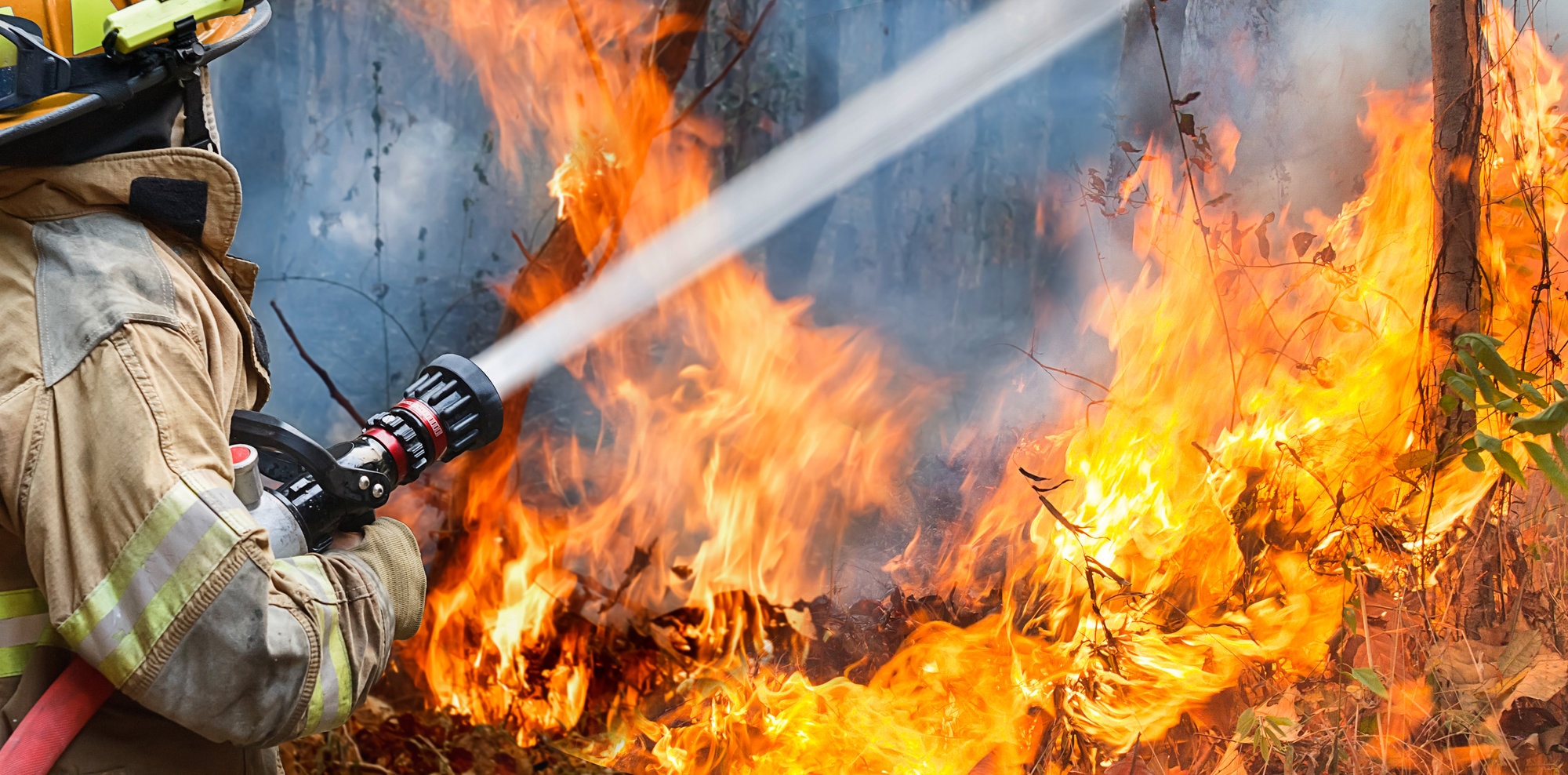
When fires are actively burning, immediate support is crucial for those affected and for the brave individuals fighting the flames. This support can take many forms, all of which contribute to the resilience of California’s communities.
Donating to Relief Funds
Financial contributions are often the most effective way to provide immediate assistance. Numerous reputable organizations are on the front lines of disaster relief.

- Established Charities: Organizations like the American Red Cross, Salvation Army, and local community foundations often have dedicated disaster relief funds. These funds provide immediate aid such as shelter, food, and water to evacuees.
- Firefighter Support: Many organizations focus on supporting firefighters directly, providing them with necessary equipment, sustenance, and mental health resources.
- Local Community Funds: Smaller, local funds are invaluable for providing targeted assistance to specific communities impacted by fires, helping them rebuild.
Providing Essential Supplies
While cash donations are preferred by many relief organizations due to logistical efficiencies, in certain situations, specific supplies are urgently needed.
- Needs Assessments: It is vital to consult official donation drop-off points or relief agency websites before donating physical items. They will often provide a list of urgently needed supplies, which can include non-perishable food, bottled water, toiletries, blankets, and pet food.
- Avoiding Overwhelm: Unsolicited or unneeded donations can sometimes overwhelm relief efforts. Coordination is key.
Supporting Evacuees and Displaced Communities
Fires can displace thousands, leaving them without homes and basic necessities. Offering direct support to evacuees can make a significant difference.
- Shelter and Accommodation: Individuals with spare rooms or vacation properties could consider offering temporary accommodation to displaced families. This is a direct way to support those in need of immediate housing.
- Volunteer Efforts: Local volunteer organizations often coordinate efforts to assist evacuees with transportation, childcare, and emotional support.
Long-Term Recovery: Rebuilding and Resilience
The impact of wildfires extends far beyond the immediate event, affecting tourism, economies, and the environment for years to come. Long-term recovery efforts are crucial for rebuilding not just structures, but entire communities and ecosystems.
Economic Support for Affected Businesses
Wildfires can devastate local economies, particularly those reliant on tourism. Supporting businesses in affected areas is vital for their recovery.
- “Shop Local” Initiatives: Encouraging visitors and residents to patronize businesses in fire-affected regions helps them regain economic footing. This includes dining at local restaurants, staying at local hotels, and purchasing goods from local shops.
- Volunteering for Rebuilding: Participating in volunteer efforts to help businesses clean up and rebuild their premises can provide essential labor and support.
- Advocacy for Aid: Supporting policies and initiatives that provide financial aid and resources for business recovery is essential.
Reforestation and Habitat Restoration
The ecological damage from wildfires can be extensive, impacting natural landscapes that are key attractions for travelers.
- Tree Planting Initiatives: Supporting organizations dedicated to reforestation through donations or volunteer efforts is crucial for restoring burned areas. These efforts help prevent erosion, improve air and water quality, and eventually bring back the natural beauty that draws visitors.
- Wildlife Habitat Support: Fires can destroy crucial habitats for wildlife. Organizations working on restoring these habitats and supporting animal rescue efforts play a vital role in ecological recovery.
- Sustainable Land Use: Promoting sustainable land use practices that consider wildfire risk and ecological health is essential for long-term resilience.
Promoting Resilient Tourism Practices
The tourism industry in California must adapt to the reality of wildfires to ensure its sustainability.
- Diversifying Attractions: While natural attractions are a draw, promoting a wider range of attractions, including cultural sites, culinary experiences, and urban tourism, can make regions less vulnerable to the impact of fires on specific natural areas.
- Sustainable Infrastructure: Investing in resilient infrastructure for hotels, resorts, and transportation networks can help mitigate damage and speed up recovery.
- Visitor Education: Continuing to educate visitors about fire safety and responsible travel in fire-prone areas is a continuous effort that supports both safety and the preservation of California’s natural heritage. By understanding the challenges and actively participating in solutions, individuals can make a tangible difference in helping California recover from and better prepare for its wildfires.