
While the title might suggest a focus on pest control, this article delves into the fascinating natural history and ecological significance of the California Ground Squirrel (Otospermophilus beecheyi), exploring its role within the diverse ecosystems of California. Understanding this ubiquitous rodent is crucial for appreciating the intricate web of life that sustains the Golden State’s natural beauty, from the coastal scrub to the Sierra Nevada foothills. Rather than focusing on eradication, this piece aims to shed light on the species’ adaptations, behaviors, and its impact on the landscapes we cherish as tourists and nature enthusiasts.

The California Ground Squirrel: An Ecological Keystone
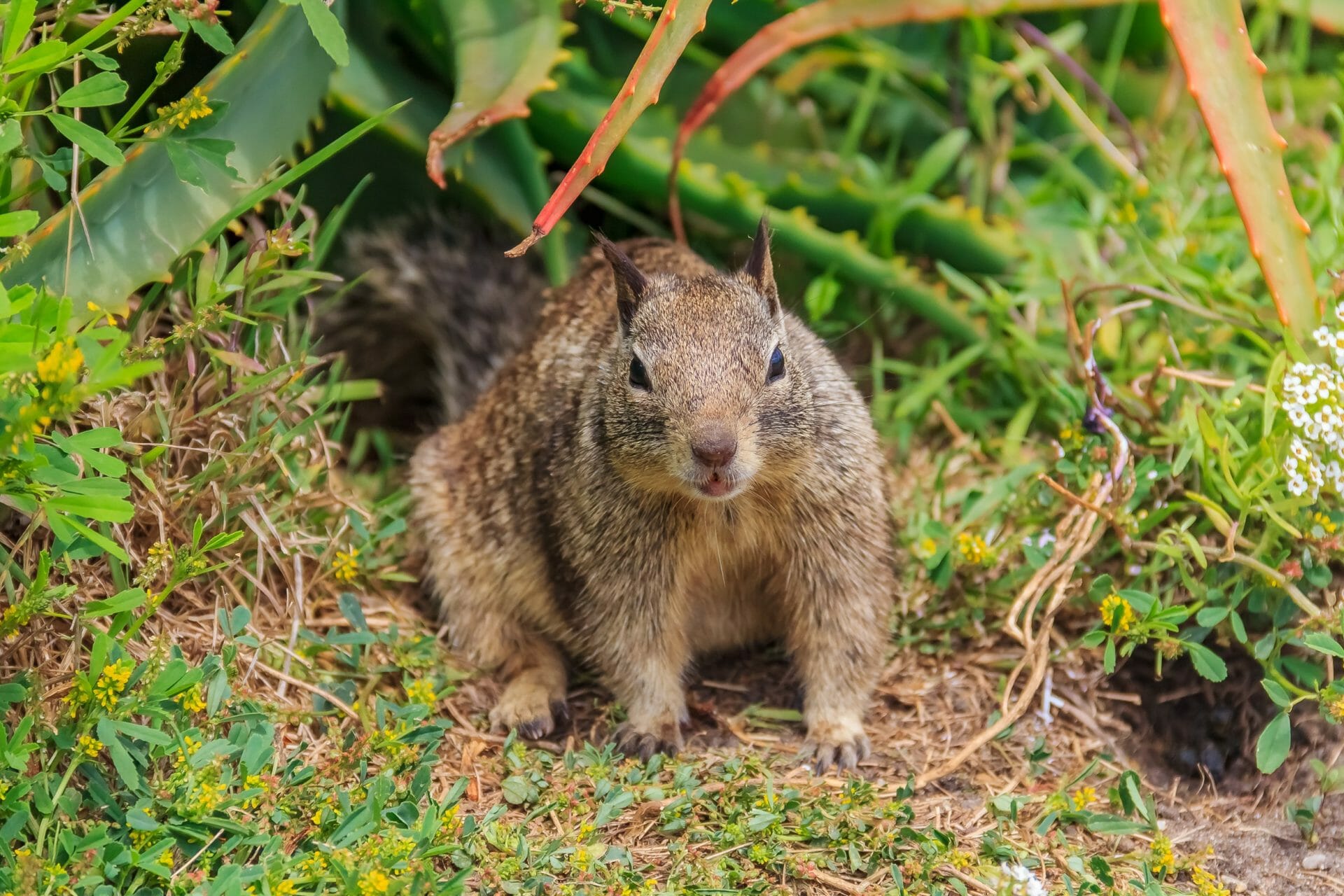
The California Ground Squirrel is a cornerstone species in many Californian habitats, playing a vital role in nutrient cycling, seed dispersal, and providing a food source for a variety of predators. Its burrowing activities aerate the soil, benefiting plant growth, and its abandoned burrows offer shelter to numerous other small animals. Observing these squirrels can be an enriching aspect of experiencing California’s natural environment, offering insights into wildlife adaptation and survival.
Habitat and Distribution
California Ground Squirrels are highly adaptable and can be found across a wide range of environments within California. Their distribution spans from the dry, chaparral-covered hillsides of Southern California to the oak woodlands and grasslands of the central and northern parts of the state, and even into the lower elevations of the Sierra Nevada. They are commonly encountered in open woodlands, grasslands, shrublands, and even in suburban areas, particularly in parks and undeveloped lots, making them a familiar sight for visitors. Their presence is often an indicator of a healthy, functioning ecosystem.
Behavioral Ecology
These diurnal rodents are known for their active foraging and social behaviors. They are primarily herbivorous, feeding on seeds, grasses, roots, and occasional insects. A significant part of their life cycle involves their complex burrow systems, which provide protection from predators and extreme weather. These burrows are not just rudimentary holes; they can be extensive, with multiple entrances, sleeping chambers, and food storage areas. Tourists might observe squirrels actively foraging in open areas, scampering up trees, or disappearing into their burrows at the first sign of perceived danger. Their vigilance and quick reflexes are remarkable adaptations for survival in a landscape populated by numerous predators.
Diet and Foraging
The diet of the California Ground Squirrel is diverse and seasonal, reflecting the availability of resources throughout the year. During wetter months, they consume fresh green vegetation, while in drier periods, they rely more heavily on seeds and stored food. This dietary flexibility allows them to thrive in varying conditions. For travelers interested in nature, observing their foraging behaviors can be a fascinating window into their ecological niche. You might see them meticulously selecting seeds, or digging for roots, demonstrating an innate understanding of their environment.
The Role of Predators in California Ground Squirrel Populations
The population dynamics of California Ground Squirrels are intrinsically linked to the presence and activity of their natural predators. These animals form a crucial link in the food chain, supporting a variety of avian and mammalian hunters. Understanding this predator-prey relationship is essential for appreciating the natural checks and balances within California’s ecosystems.
Avian Predators
Birds of prey are significant predators of California Ground Squirrels. Species such as the Red-tailed Hawk, American Kestrel, and various owl species regularly hunt squirrels. Observing these aerial hunters scanning the landscape for their next meal is a quintessential Californian wildlife experience. Their hunting strategies, often involving patient observation from a high perch or active aerial pursuit, are captivating to witness.
Mammalian Predators
Several mammalian carnivores also prey on California Ground Squirrels. These include coyotes, foxes (such as the Gray Fox and Kit Fox), badgers, and bobcats. These predators often employ stealth and agility to ambush unsuspecting squirrels. Spotting a coyote or fox in its natural habitat, perhaps on the edge of a meadow where squirrels are active, is a highlight for many wildlife enthusiasts visiting California. The presence of these apex and mesopredators is indicative of a healthy, balanced ecosystem.
Reptilian Predators
Snakes also contribute to the natural regulation of ground squirrel populations, particularly targeting younger squirrels or those caught unawares. Species like the Gopher Snake and rattlesnakes are known to prey on ground squirrels. While encounters with snakes might be less common for tourists, their role in the ecosystem is undeniable. Observing the complex interactions between these different species provides a deeper understanding of the intricate ecological tapestry of California.
Experiencing California Ground Squirrels in Their Natural Habitat
For travelers and nature enthusiasts, encountering California Ground Squirrels is a common and often delightful aspect of exploring the state’s diverse landscapes. Understanding their behavior and ecological role enhances the viewing experience, transforming a simple sighting into an educational opportunity.
Best Viewing Locations
California Ground Squirrels are abundant in many of California’s national and state parks, as well as open natural spaces. Popular locations include Yosemite National Park, Joshua Tree National Park, Point Reyes National Seashore, and the open grasslands and oak savannas found throughout the state. Rural roadsides, hillsides, and areas with sparse vegetation and visible burrow systems are prime spots for observation. Many hiking trails in areas like Big Sur offer ample opportunities to see these active creatures.
Wildlife Viewing Etiquette
When observing California Ground Squirrels or any wildlife, it is crucial to practice responsible viewing etiquette. Maintain a respectful distance to avoid stressing the animals or disrupting their natural behaviors. Never feed the wildlife, as this can lead to dependency, health problems, and unnatural congregation. Use binoculars or a zoom lens to get closer views without disturbing them. Be mindful of their environment and avoid straying from marked trails, especially in sensitive habitat areas. Adhering to these principles ensures the well-being of the animals and preserves the natural beauty of the locations you visit.

Understanding Their Ecological Significance
Appreciating the California Ground Squirrel as more than just a common rodent is key to a richer travel experience. They are vital for seed dispersal, as they often bury seeds for later consumption, and many are never recovered, leading to new plant growth. Their burrowing improves soil aeration and drainage. They are a critical food source for many predators, supporting the health of the entire food web. Recognizing these ecological roles transforms a simple observation into an appreciation for the complex and interconnected natural world of California. This perspective enriches any visit to natural attractions, from the beaches of Santa Barbara to the redwood forests of the north.
LifeOutOfTheBox is a participant in the Amazon Services LLC Associates Program, an affiliate advertising program designed to provide a means for sites to earn advertising fees by advertising and linking to Amazon.com. Amazon, the Amazon logo, AmazonSupply, and the AmazonSupply logo are trademarks of Amazon.com, Inc. or its affiliates. As an Amazon Associate we earn affiliate commissions from qualifying purchases.