
The sensation of sliding into a perfectly made bed at a luxury property like The Ritz-Carlton or a suite at the Four Seasons Hotels and Resorts is one of the most celebrated experiences in the world of high-end hospitality. There is a specific crispness to the sheets, a weight to the duvet, and a mathematical precision to the tucking that signals to the guest they are in a space of ultimate care and refinement. Recreating this “cloud-like” experience requires more than just high-thread-count linens; it involves a disciplined methodology used by executive housekeepers from London to Tokyo.
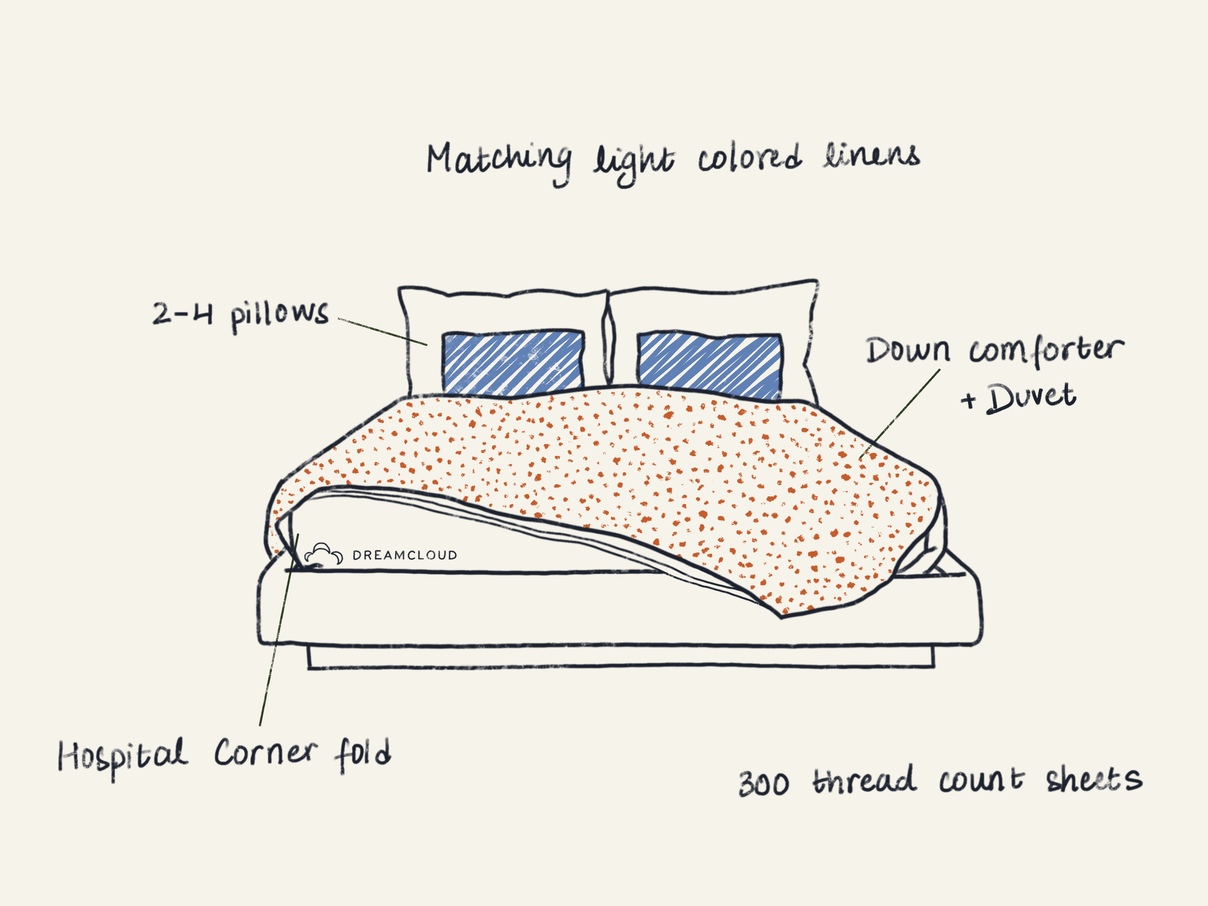
In the competitive landscape of international hospitality, the “bed program” is often the crown jewel of a brand’s identity. For instance, Westin Hotels & Resorts revolutionized the industry with the introduction of the Heavenly Bed, proving that the sleep environment is the most critical amenity a hotel can offer. To achieve this standard, one must understand the layers, the techniques, and the secrets of the trade that transform a standard mattress into a sanctuary.
The Foundation: Selecting the Right Materials and Layers
Before a single sheet is tucked, the quality of the foundation determines the final result. Luxury hotels in Paris or New York do not simply use a mattress and a sheet. They build a multi-layered system designed for comfort, hygiene, and aesthetics.
High-Quality Linens and Thread Count
The secret to that crisp, cool feeling often found in a Park Hyatt or a Waldorf Astoria is the choice of fabric. While many believe that a higher thread count is always better, most luxury hotels settle in the 300 to 600 range. The key is the weave and the source. Egyptian Cotton is the gold standard due to its long-staple fibers, which create a smoother, stronger yarn.
Percale weaves are frequently chosen for their breathable, matte finish, which stays cool in warmer climates like Dubai or Singapore. Conversely, sateen weaves offer a silkier feel and a slight sheen, often preferred in the cooler environments of Switzerland. Regardless of the weave, the linens must be pure white. White symbolizes cleanliness and allows the hotel to use high-temperature laundering and bleaching to ensure the highest sanitary standards.
The Importance of Mattress Protectors and Toppers
A hotel bed feels more substantial because of what lies beneath the sheets. A high-quality mattress protector is the first layer, but the “secret sauce” is the featherbed or plush mattress topper. Properties like Fairmont Hotels and Resorts often use thick, baffle-box toppers filled with down or high-resiliency foam. This adds several inches of loft, creating that sinking-in feeling that defines a luxury stay. This layer also helps to regulate body temperature, providing insulation in the winter and breathability in the summer.
Mastering the Art of the Hospital Corner
The hallmark of a professional housekeeper at Marriott International or Hilton Worldwide is the “hospital corner.” This technique creates a tight, sharp fold at the corners of the bed, ensuring the sheets remain taut throughout the night. It is a skill that requires practice but provides the structural integrity necessary for a polished look.
The Step-by-Step Tucking Process
To begin, lay the flat sheet (or the bottom sheet if it is not fitted) over the mattress, ensuring an even overhang on both sides and at the foot of the bed. At the head of the bed, leave enough room to fold the sheet back later.
- The Base Tuck: Go to the foot of the bed and tuck the end of the sheet firmly under the mattress across the entire width.
- The Triangle Fold: Pick up the hanging edge of the sheet about 16 inches from the corner. Lift it up and lay it on top of the mattress, forming a 45-degree angle.
- The Final Tuck: While holding the angled fold on top, tuck the remaining vertical “flap” of the sheet under the mattress. Finally, drop the angled fold down and tuck it in tightly. The result should be a clean, diagonal crease that looks like an envelope.
Triple Sheeting: The Hotel Industry Standard
Many modern hotels, including Sheraton and Holiday Inn, have moved away from traditional bedspreads in favor of “triple sheeting.” This method is more hygienic as every layer touching the guest is laundered.

Triple sheeting involves three layers: a fitted or flat sheet over the mattress, a middle flat sheet, a thin blanket or duvet, and finally, a third decorative flat sheet on top. This “sandwich” creates a crisp, clean aesthetic while providing the warmth of a duvet. The top two sheets and the blanket are folded over together at the head of the bed, creating a layered, inviting entrance for the guest.
The Layering Secret: Luxury and Aesthetics
A hotel bed is a visual centerpiece. When you walk into a room at the Mandarin Oriental or The Peninsula, the bed is styled to look architectural. Achieving this requires a specific approach to the duvet and the arrangement of pillows.
The Double-Duvet Method
Have you ever wondered why hotel duvets look so much fluffier than the ones at home? Many luxury resorts in Italy and France use the “double-duvet” trick. This involves putting two down inserts into a single duvet cover. This creates an ultra-lofty, cloud-like appearance that looks incredible in photographs and feels exceptionally cozy.
If a double duvet is too warm, the alternative is to use a duvet insert that is one size larger than the bed frame. For a Queen bed, use a King-sized duvet insert. This ensures the duvet hangs low enough to cover the mattress sides and provides extra material for that voluminous look.
Pillows, Shams, and Decorative Accents
Pillow placement is where the bed’s personality shines. A standard setup at a St. Regis property typically includes:
- Sleeping Pillows: Two to four pillows (a mix of firm and soft) placed flat or propped against the headboard.
- Euro Shams: Large square pillows (usually 26×26 inches) placed at the very back. These provide height and a plush backdrop.
- Accent Pillows: A smaller lumbar pillow or a decorative “bolster” pillow in the center to add a pop of color or texture.
The “karate chop” is a common technique used by interior designers in United States luxury hotels. By hitting the top center of a feather-filled pillow, you create a slight indentation that gives the bed a lived-in yet curated appearance.
Maintaining the Five-Star Standards
The final difference between a home-made bed and a hotel bed is the finishing. Executive housekeepers from brands like Rosewood Hotels pay attention to the details that most people overlook, such as the absence of wrinkles and the subtle scent of the room.
Laundering and Ironing for Crispness
In a professional hotel laundry in Germany or Canada, sheets are run through a “mangle”—a massive industrial ironer that dries and presses the sheets simultaneously. At home, you can mimic this by pulling your sheets out of the dryer while they are still slightly damp and putting them straight onto the bed.
The heat from the drying process combined with the tension of tucking them in will cause many of the wrinkles to pull out naturally. For a truly professional finish, use a handheld steamer or a spray bottle with plain water to mist the sheets once they are tucked. As the water evaporates, it pulls the fabric taut, leaving a smooth, glass-like surface.

The Finishing Touch: Scents and Presentation
The sense of smell is a powerful component of the hotel experience. Many Boutique Hotels in Spain or Greece use a light linen spray. Scents like lavender, eucalyptus, or white tea are common choices because they promote relaxation.
Finally, consider the “turn-down” service style. Fold the top corner of the duvet back at a 45-degree angle to reveal the layers of sheets beneath. This small gesture is a psychological invitation to climb into bed. Some high-end locations, such as the Burj Al Arab, might even place a small card with the next day’s weather or a chocolate on the pillow. While these are extras, they contribute to the overarching philosophy of hotel bedding: that the bed is not just a piece of furniture, but a curated experience designed to facilitate the perfect night’s rest.
LifeOutOfTheBox is a participant in the Amazon Services LLC Associates Program, an affiliate advertising program designed to provide a means for sites to earn advertising fees by advertising and linking to Amazon.com. Amazon, the Amazon logo, AmazonSupply, and the AmazonSupply logo are trademarks of Amazon.com, Inc. or its affiliates. As an Amazon Associate we earn affiliate commissions from qualifying purchases.