
When traveling through the United States, few regions offer a cultural landscape as vibrant, complex, and deeply rooted as Louisiana. Visitors often arrive with questions about the local dialect, the spicy cuisine, and the unique history of the Mississippi River delta. However, one of the most fundamental questions for any curious traveler is: what are people from Louisiana called? While the technical answer is straightforward, the cultural answer is a fascinating journey through centuries of migration, colonization, and artistic evolution.
Understanding the identity of the people here is essential for any tourist looking to go beyond the surface of the French Quarter or the neon lights of Bourbon Street. To truly appreciate the Pelican State, one must understand the labels the residents use for themselves and the rich heritage those names represent.
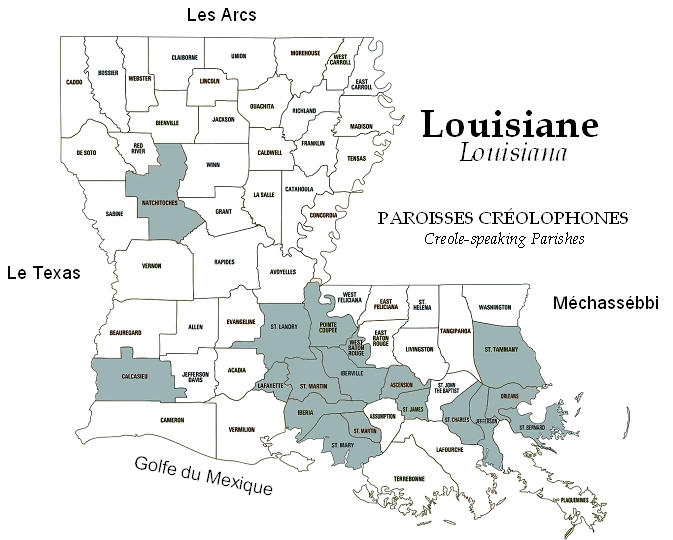
Louisianans and the Foundations of Pelican State Identity
At the most basic, official level, people from Louisiana are called Louisianans. This is the demonym used by the federal government and in formal contexts. However, if you spend any amount of time in the capital city of Baton Rouge or the northern hubs like Shreveport, you will quickly realize that “Louisianan” is often just the starting point of a much more nuanced identity.
The Official Demonym: Louisianans
The term Louisianan encompasses everyone from the piney woods of North Louisiana to the marshy bayous of the south. In professional settings, news broadcasts, and official state documentation, this is the standard identifier. Despite its official status, many residents feel that “Louisianan” lacks the descriptive power to convey their specific regional culture. In a state where the legal system is based on the Napoleonic Code and the administrative divisions are called parishes instead of counties, “standard” labels often feel a bit too simple.
The Cultural Heart of New Orleans
In New Orleans, the identity is even more localized. People here often identify first as “New Orleanians.” The city’s history as a major port and its long period of French and Spanish rule created a distinct urban culture that differs significantly from the rest of the state. When you visit the Garden District or walk along the Mississippi River, you are interacting with a population that prides itself on a “city-state” mentality, where local traditions often outweigh national trends.
Regional Distinctions: North vs. South Louisiana
Tourism in the state is often split between the northern and southern regions. North Louisiana, including cities like Monroe and Alexandria, shares more cultural similarities with the “Deep South” neighbors like Mississippi and Arkansas. The people here are often seen as more traditional and are frequently influenced by Protestant traditions. In contrast, South Louisiana is the land of Catholicism, festivals, and the famous Cajun and Creole populations. For a tourist, recognizing this divide is key to understanding why a trip to Natchitoches feels so different from a trip to Lafayette.
The Cajun and Creole Distinction
To truly answer the question of what people from Louisiana are called, one must dive into the two most famous cultural sub-groups: the Cajuns and the Creoles. These terms are often used interchangeably by visitors, but they represent distinct histories and lineages that are central to the state’s tourism appeal.
Understanding Cajun Heritage
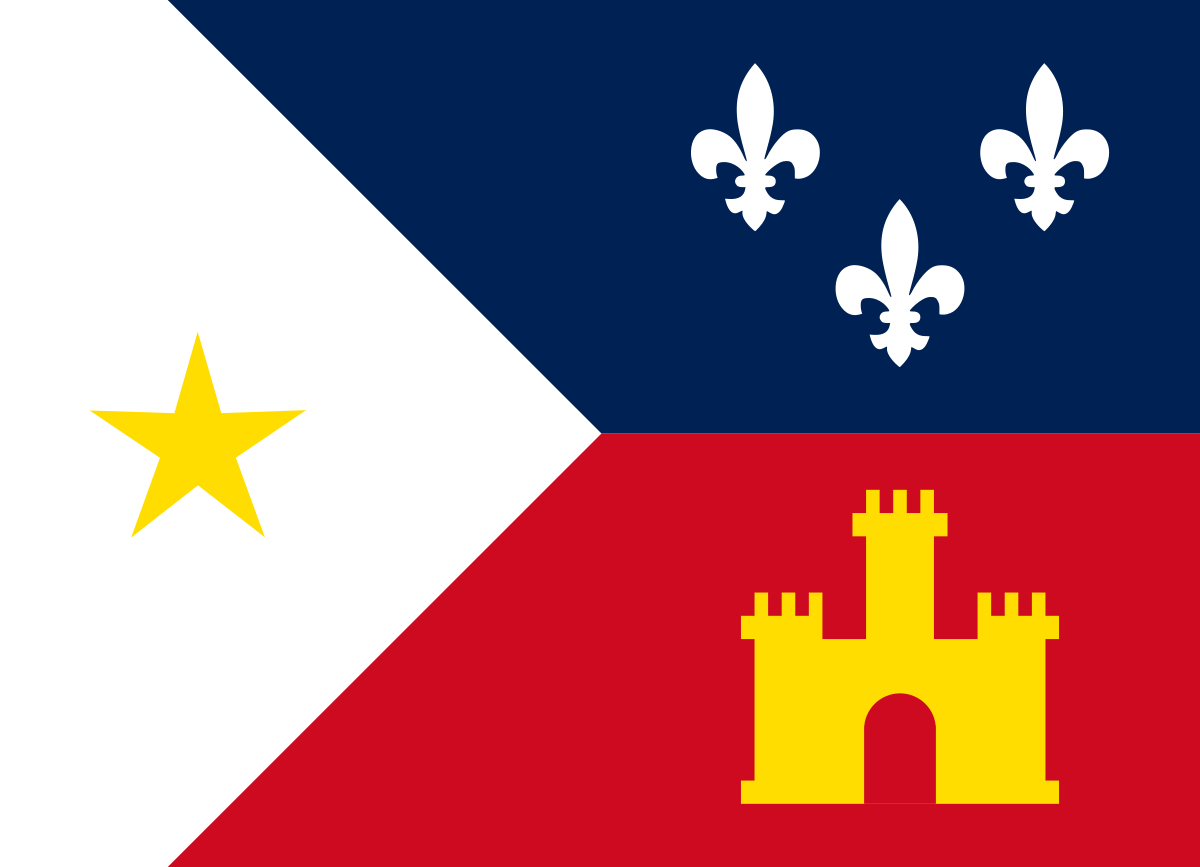
The word “Cajun” is a corruption of “Acadian.” The ancestors of today’s Cajuns were French settlers who originally lived in Acadia, which is now part of Nova Scotia, New Brunswick, and Prince Edward Island in Canada. After being expelled by the British during the “Great Upheaval” in the 18th century, many found refuge in the swamps and prairies of South Louisiana, a region now known as Acadiana.
Cajuns are known for their resilience, their unique French dialect, and a lifestyle that revolved around the land and water. Today, the hub of Cajun culture is Lafayette. When you visit this area, you aren’t just meeting Louisianans; you are meeting a people with a survivalist spirit who have turned their history into a celebratory culture of music (Zydeco and Cajun fiddle) and world-renowned food.
The Rich Tapestry of Creole Culture
The term “Creole” is more complex. Historically, it referred to people of any race born in the Louisiana colony as opposed to those born in Europe or Africa. Over time, it came to describe a sophisticated, urban culture centered largely in New Orleans.

Creoles of color were a prominent group of free people of mixed African, European, and Native American descent who held a significant social and economic position long before the Louisiana Purchase. Today, the Creole identity is a proud badge of a multicultural heritage that influences everything from the architecture of Jackson Square to the complex flavors of Creole gumbo.
The Influence of France and Spain
One cannot talk about the people of Louisiana without acknowledging the colonial roots. For much of the 18th century, Louisiana swapped hands between France and Spain. This created a “Latin” feel that is rare in the United States. You can see this in the architecture of the French Quarter—which, ironically, is largely Spanish in design due to major fires during the Spanish administration. The people are the living descendants of this colonial tug-of-war, blending traditions from Europe with those from the Caribbean and West Africa.
Cultural Tourism: Living Like a Local
For the traveler, the best way to understand what people from Louisiana are called is to see how they live. The tourism industry in the state is built on “joie de vivre”—the joy of living. To experience this, visitors should step away from the typical tourist traps and engage with the local lifestyle.
Festivals and the Spirit of Mardi Gras
While New Orleans is famous for its massive Mardi Gras celebration, the entire state participates in carnival season. In Lafayette and smaller towns like Eunice, you might find the “Courir de Mardi Gras,” a rural tradition where masked riders on horseback roam the countryside. These festivities are where the identity of the people shines brightest. To the locals, these aren’t just parties; they are communal rituals that have survived for generations.
The Role of Food in Defining the People
If you want to know a Louisianan, you must eat with them. The state’s cuisine is a primary identifier. There is a saying that “Cajun food is country cooking, and Creole food is city cooking.” This is a helpful tip for tourists. Cajun food, like boudin or crawfish boils, is often rustic and one-pot focused. Creole food, like Trout Meunière or Shrimp Creole, often features more complex sauces and ingredients that were historically available in the markets of New Orleans. Sampling these dishes at places like Commander’s Palace or a roadside stand in Houma offers a literal taste of the people’s history.
Essential Tips for Visitors
When interacting with locals, it’s helpful to know a few things. First, the hospitality here is legendary but genuine. Don’t be surprised if a stranger strikes up a conversation in the checkout line. Second, respect the terminology. If someone identifies as Creole or Cajun, acknowledging that specific heritage goes a long way. Lastly, learn the geography. References to the “West Bank” (across the river from New Orleans) or “The Northshore” (the area across Lake Pontchartrain) are common and will help you navigate like a local.
Iconic Landmarks and Their Local Significance
The identity of Louisianans is also tied to the physical landmarks of their state. These places are not just spots on a map; they are the backdrops for the stories that define the population.
The French Quarter and Historic Jackson Square
No visit to Louisiana is complete without Jackson Square. Surrounded by the St. Louis Cathedral, the Cabildo, and the Presbytère, this area is the spiritual center of New Orleans. For the locals, this is where their history began. The people you see performing music or painting portraits in the square are part of a long lineage of artists who have called this city home.
Nature and the Atchafalaya Basin
Away from the cities, the Atchafalaya Basin is the largest wetland and swamp in the United States. This environment shaped the Cajun people. A swamp tour here isn’t just a nature experience; it’s a look at the “office” of many locals who have made their living from the water for centuries. The relationship between the people and the Gulf of Mexico is a defining characteristic of the coastal population, who are often called “Bayou People.”
Small Town Charm in Lafayette and Baton Rouge
While New Orleans gets the most attention, cities like Lafayette and Baton Rouge offer a different perspective. Lafayette is the gateway to the Cajun world, where the “Cajun French” language is still spoken by some elders. Baton Rouge, sitting on the bluffs of the Mississippi River, represents the political and educational hub, home to Louisiana State University. Each of these cities contributes a different thread to the tapestry of what it means to be a Louisianan.
In conclusion, while “Louisianan” is the technical name for someone from this state, the reality is far more colorful. Whether they are Cajuns, Creoles, New Orleanians, or North Louisiana locals, the people of the Pelican State are a blend of global influences and deep local pride. For the tourist, understanding these names is the first step in truly experiencing the magic of Louisiana.
LifeOutOfTheBox is a participant in the Amazon Services LLC Associates Program, an affiliate advertising program designed to provide a means for sites to earn advertising fees by advertising and linking to Amazon.com. Amazon, the Amazon logo, AmazonSupply, and the AmazonSupply logo are trademarks of Amazon.com, Inc. or its affiliates. As an Amazon Associate we earn affiliate commissions from qualifying purchases.