
Planning a trip to the Sunshine State? Florida beckons with its stunning beaches, vibrant cities, and world-class attractions. From the magical theme parks of Orlando to the sun-drenched shores of Miami and the historic charm of St. Augustine, there’s an endless array of experiences awaiting every traveler. However, one often-overlooked aspect of navigating this popular destination is its extensive network of toll roads. Understanding how to effectively manage and pay tolls in Florida is not just about avoiding fines; it’s about ensuring a smooth, stress-free, and enjoyable journey, allowing you to focus on creating unforgettable memories rather than worrying about unexpected charges.
Many of Florida’s most convenient routes, especially those connecting major tourist hubs and airport gateways, are toll roads. These expressways are designed to get you to your destination quicker, bypassing local traffic and offering more direct paths. For visitors unfamiliar with the system, the sheer number of toll plazas and the modern electronic payment methods can seem daunting. Cash lanes are rapidly becoming a relic of the past, with most toll points relying entirely on electronic transponders or license plate recognition. This guide aims to demystify Florida’s toll system, providing you with a comprehensive plan to confidently pay tolls, save money, and enhance your travel experience across the state. Whether you’re flying into Orlando International Airport, driving down to the Florida Keys, or exploring the Gulf Coast, being prepared for tolls is key to a truly seamless Florida adventure.
Understanding Florida’s Toll Road Landscape
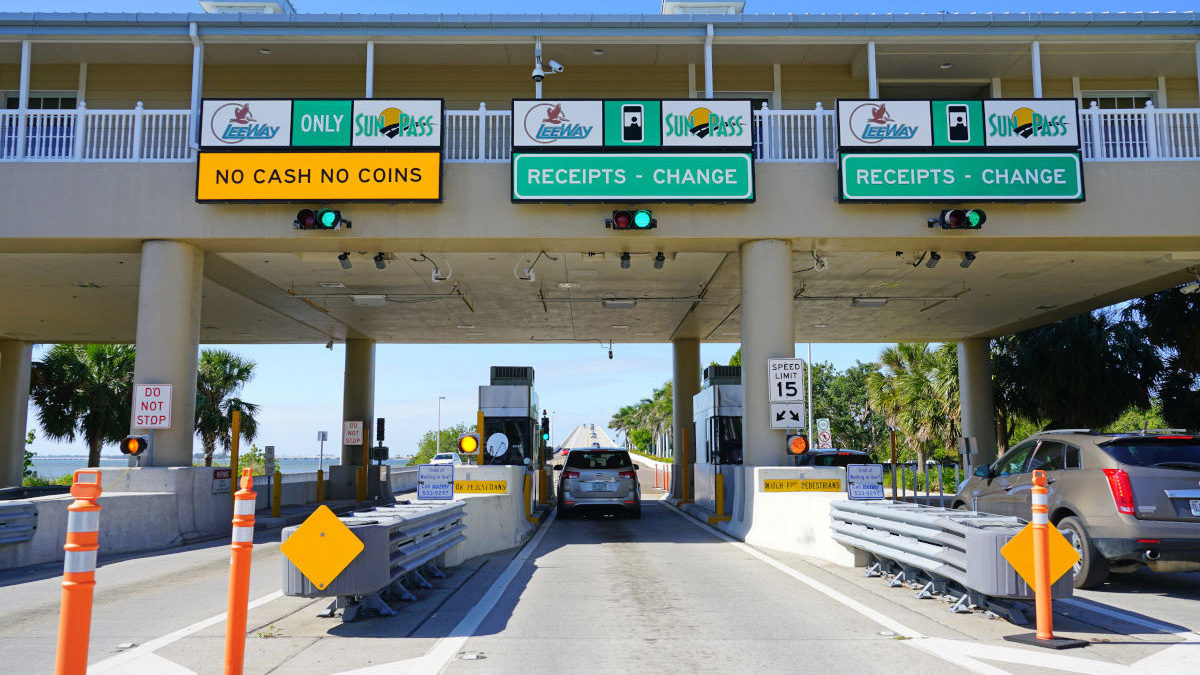
Florida’s transportation infrastructure is designed to keep traffic flowing, especially in its densely populated tourist areas and along critical commercial corridors. This efficiency often comes in the form of toll roads, expressways, and bridges that help commuters and travelers reach their destinations faster. However, unlike many other states where cash payment might still be a common option, Florida has largely transitioned to an electronic toll collection system, making pre-planning essential for anyone hitting the road.
The Shift Towards Electronic Tolling
The evolution of Florida’s toll system has been swift and comprehensive. Gone are the days when you could reliably expect to pay cash at every toll booth. Today, a significant majority of toll roads, bridges, and express lanes operate entirely cashless. This means that if you approach a toll plaza without an electronic transponder or a pre-arranged payment method, your license plate will be photographed, and you’ll typically be sent a “Toll-by-Plate” bill in the mail. While this system offers convenience for some, it often comes with higher administrative fees and a delayed billing process, which can be particularly problematic for out-of-state visitors or international tourists using rental vehicles.
The move to cashless tolling is driven by the desire to reduce congestion, improve safety by eliminating manual transactions, and streamline operations. Roads managed by entities such as the Florida Department of Transportation, the Central Florida Expressway Authority, and numerous local toll authorities have embraced this technological shift. For instance, sections of the Florida Turnpike, which is a vital north-south artery, and many of the expressways around Orlando, Miami, and Tampa, are exclusively electronic. This widespread adoption means that understanding the primary electronic payment options is no longer optional but a fundamental part of planning your travel within the state.
Key Toll Systems: SunPass and E-PASS
In Florida, two major electronic toll collection systems dominate the landscape: SunPass and E-PASS. While they operate similarly and are largely interoperable, understanding their nuances can help you choose the best option for your trip.
SunPass is Florida’s official statewide prepaid toll program. It’s the most widely recognized and accepted electronic toll payment method across the entire state. A SunPass transponder works on all toll roads and most bridges in Florida, including those managed by various local agencies. It also offers discounted toll rates compared to the “Toll-by-Plate” option, making it a cost-effective choice for frequent travelers or those planning extensive road trips through the state. There are two main types of SunPass transponders:
- SunPass Mini: A sticker transponder that adheres to your windshield. It’s inexpensive (around $4.99) and ideal if you’ll be using one car consistently. Once applied, it cannot be transferred to another vehicle.
- SunPass Portable: A hard case transponder that can be moved between vehicles. While slightly more expensive (around $19.99), its portability offers flexibility for those who might use multiple cars during their stay or wish to share it with family members.
Both types require you to set up a prepaid account, which can be linked to a credit card for automatic replenishment, ensuring you always have funds available.
E-PASS is operated by the Central Florida Expressway Authority (CFX) and serves the greater Orlando area. While specifically tied to Central Florida expressways, the great news is that E-PASS transponders are fully interoperable with SunPass and are accepted on all toll roads in Florida. Similar to SunPass, E-PASS also offers discounted toll rates and various transponder options:
- E-PASS Sticker: A free sticker transponder (you only pay for the initial toll funds). Like the SunPass Mini, it’s non-transferable.
- E-PASS Portable: A portable device that can be moved between vehicles. It typically costs around $14.95.
Both SunPass and E-PASS offer mobile apps for easy account management, balance checking, and fund replenishment, making them incredibly convenient for travelers. Deciding between them often comes down to personal preference or where you might primarily be traveling, though either will serve you well across the state.
Primary Methods for Paying Tolls in Florida
Navigating Florida’s toll roads requires a clear understanding of the various payment methods available. Depending on whether you’re driving your own car, a rental, or simply passing through for a brief visit, your best option will vary.
Opting for a Transponder: SunPass and E-PASS Explained
For most visitors spending more than a couple of days in Florida and planning to use toll roads frequently, acquiring a transponder is hands-down the most economical and hassle-free option. As discussed, both SunPass and E-PASS are excellent choices.
How to acquire and use a transponder:
- Purchase: You can purchase a SunPass Mini or E-PASS Sticker at various retail locations throughout Florida, including Publix supermarkets, CVS Pharmacy stores, Walgreens, and AAA offices. They are also available at Florida Turnpike service plazas and directly online through the SunPass or E-PASS websites. If ordering online, allow time for shipping before your trip.
- Activation and Funding: Once you have your transponder, you’ll need to activate it online or via phone and load an initial balance onto your account. Most systems recommend starting with at least $10-$20. You can link a credit card to your account for automatic replenishment, ensuring your balance never dips too low. This feature is invaluable for preventing unexpected charges or account suspensions.
- Installation: For sticker transponders, simply adhere them to the inside of your windshield, typically near your rearview mirror, following the instructions provided. Portable transponders should be placed in the same area or on your dashboard.
- Benefits: Beyond the convenience of driving through toll plazas without stopping, transponders offer significant savings. Toll rates are typically 25% or more cheaper for transponder users compared to “Toll-by-Plate” rates. This can add up considerably over a longer trip, especially if you’re frequently traveling on major routes like I-4 to access theme parks, or the Florida Turnpike for cross-state journeys.
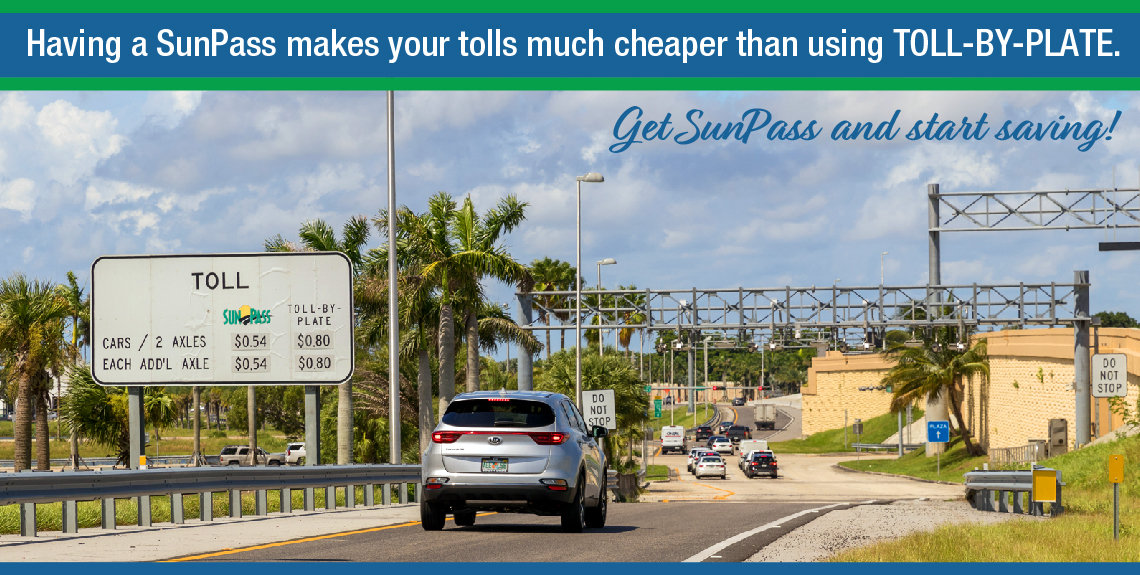
Using a transponder ensures you always pay the lowest possible toll rate and avoids any administrative fees associated with other payment methods, making it the most cost-effective and efficient solution for tourists.
Navigating Rental Car Toll Programs
For many visitors to Florida, a rental car is essential for exploring the vast attractions. However, understanding how rental car companies handle tolls is crucial, as their programs can be quite expensive if you’re not careful. Each rental car company has its own system, which often involves daily fees, service charges, or opting into a specific toll program.
Common Rental Car Toll Programs:
- Opt-In Programs: Some companies offer an optional toll program where, for a daily fee (e.g., $3.95-$10.00/day), all your tolls are covered, often even on days you don’t use toll roads. This can be convenient for heavy toll users but very costly for light users.
- Pay-Per-Use with Administrative Fees: The rental company pays the toll, and then bills you for the toll amount plus an administrative fee for each toll transaction or for each day a toll is incurred. These fees can quickly accumulate, turning a small toll into a much larger expense.
- License Plate Recognition: Most rental cars are equipped with transponders or rely on license plate recognition. The rental company receives the bill, pays it, and then charges your credit card on file, often with hefty administrative charges.
- Prepaid Toll Service: A few companies might offer a flat-rate prepaid option for the duration of your rental.
What to do:
- Inquire at the Counter: Always ask about the rental company’s toll policy when you pick up your car. Be explicit about your travel plans and how many toll roads you anticipate using.
- Understand the Fees: Clarify daily fees, administrative charges per toll, and the maximum potential cost.
- Consider Opting Out: If the rental car company allows you to opt-out of their toll program, and you plan to purchase your own SunPass or E-PASS transponder, make sure the rental company’s system is deactivated. Some vehicles might have a shielded box for your personal transponder.
- Budget Accordingly: Factor in potential rental car toll charges into your overall travel budget. It’s often cheaper to buy your own transponder if you’re staying for a week or more and anticipate using toll roads regularly. For instance, if you’re renting a car for a week and the daily toll program costs $10/day, that’s $70. A SunPass Mini costs $4.99 plus the cost of tolls, offering significant savings.
Major rental companies like Enterprise, Hertz, Avis, Budget, Alamo, National, Dollar, and Thrifty all have different toll policies. Researching their specific policies before your trip is highly recommended.
The “Toll-by-Plate” (Pay-by-Mail) Option
If you don’t have a transponder and your rental car company’s program isn’t activated (or you’ve opted out), you’ll default to the “Toll-by-Plate” system. This is essentially a pay-by-mail service. When your vehicle passes through a cashless tolling point, cameras capture an image of your license plate. The system then identifies the vehicle owner (or rental company) and sends a bill for the tolls incurred.
Key things to know about Toll-by-Plate:
- Higher Rates: Toll-by-Plate is generally the most expensive way to pay tolls in Florida. You pay the full, undiscounted toll rate, often 25% higher than transponder rates.
- Administrative Fees: In addition to the higher toll rates, each bill typically includes an administrative fee (e.g., $2.50-$5.00 per billing cycle or per toll transaction). These fees can quickly add up, especially if you accumulate multiple tolls over several days.
- Delayed Billing: Bills are mailed to the registered owner of the vehicle. For rental cars, this means the bill goes to the rental company, which then processes it and charges your credit card, often adding their own administrative fees on top of the Toll-by-Plate fees. This can result in charges appearing on your statement weeks or even months after your trip.
- Avoid Fines: It’s crucial to pay Toll-by-Plate bills promptly. Ignoring them can lead to additional late fees, penalties, and even vehicle registration holds if tolls remain unpaid for an extended period.
While Toll-by-Plate serves as a fallback option, it’s generally recommended to avoid it due to the increased costs and potential for administrative headaches. It’s best reserved for isolated incidents where you accidentally pass through a single toll without a transponder, rather than as a primary payment strategy.
Planning Your Toll Strategy for a Stress-Free Trip
A little preparation goes a long way in saving money and avoiding frustration on Florida’s toll roads. Incorporating toll planning into your overall travel itinerary is a smart move for any visitor.
Pre-Trip Research: Mapping Your Route
Before you even leave for Florida, take some time to map out your intended routes. Modern navigation apps and websites are incredibly helpful tools for identifying toll roads and estimating costs.
- Google Maps: This widely used application allows you to specify “avoid tolls” in its route options. While this might lead to longer travel times, it can be useful for those determined to bypass tolls entirely. Otherwise, it will clearly display toll roads and provide estimated toll costs for your route.
- Waze: Similar to Google Maps, Waze offers toll road information and options to avoid them. Its community-driven updates can also alert you to potential traffic, which might influence your decision to take a toll road for speed.
- Official Toll Websites: The SunPass and E-PASS websites often have trip calculators or maps that allow you to estimate toll costs between specific points. This is particularly useful for major routes like the Florida Turnpike or expressways around Orlando.
- Identify Key Toll Roads: Familiarize yourself with major toll roads you’re likely to encounter. In South Florida, this includes the Florida Turnpike and expressways like SR 826 (Palmetto Expressway). In Central Florida, many roads connecting Orlando International Airport to popular destinations like Walt Disney World Resort or Universal Studios Florida are tolled, as is I-4 through downtown Orlando with its express lanes. The I-75 extension and sections near Tampa also feature tolls.
Knowing where tolls are located allows you to make informed decisions about your routes and prepare your payment method accordingly.
Budgeting for Tolls
Don’t let unexpected toll charges eat into your vacation budget. Just as you’d budget for flights, accommodation, and attractions, allocate a portion of your funds for tolls.
- Estimate Costs: Based on your route planning, get a rough estimate of your total toll expenses. Remember that transponder users pay less, so factor that into your calculations if you plan to get one.
- Include Rental Car Fees: If you opt for a rental car’s toll program, budget for their daily fees or administrative charges. These can be substantial, so having a clear understanding of them is essential.
- Initial Transponder Load: If purchasing a SunPass or E-PASS, factor in the initial cost of the transponder (if applicable) and the initial deposit you’ll need to load onto the account.
- Contingency Fund: It’s always wise to have a small contingency fund for unexpected tolls or if you stray from your planned route.
A well-prepared budget ensures that tolls don’t become a source of financial stress during your vacation, allowing you to fully enjoy iconic Florida experiences, from exploring Everglades National Park to relaxing on the beaches of the Space Coast.
What to Ask Your Rental Car Company
This step is critical for avoiding hidden fees and maximizing your savings. Don’t assume anything about toll payments with a rental vehicle.
- Before Booking: When reserving your car, check the rental company’s website for their specific toll policy. This often gives you a heads-up on the options available.
- At the Counter: Reconfirm the toll policy with the rental agent. Ask specific questions:
- “What is your toll program called?”
- “What are the daily fees or administrative charges?”
- “Is the program optional, or am I automatically enrolled?”
- “If optional, how do I opt out, and what happens if I go through a toll?” (This is where Toll-by-Plate comes in).
- “If I use my own SunPass or E-PASS transponder, how do I ensure I’m not also charged by your system?” (They might advise placing your transponder in a specific location or covering theirs if the car has a built-in one.)
- Get it in Writing (if possible): Ask for a printout or email summary of the toll policy you’ve agreed to, especially if you’re opting out or choosing a specific package.
By being proactive and informed, you can make the best decision for your travel style and avoid unpleasant surprises on your credit card statement weeks after your trip.
On the Road and Beyond: Tips for a Smooth Experience
Even with the best planning, things can sometimes happen on the road. Here are some additional tips to ensure your Florida journey remains smooth.
Monitoring Your Toll Activity
Whether you’re using your own transponder or relying on a rental car’s system, keeping an eye on your toll activity is a smart practice.
- Transponder Users: Both SunPass and E-PASS offer robust online account management and mobile apps. Regularly check your balance and transaction history. This allows you to quickly identify any discrepancies, ensure automatic replenishment is working correctly, and confirm that your transponder is being read effectively. It also gives you real-time insight into your toll spending.
- Rental Car Users: If you’ve opted into a rental company’s toll program, monitor your credit card statement for charges related to tolls. While these may take some time to appear, being vigilant can help you catch any overcharges or unexpected fees. If you receive a bill directly from a toll authority for a rental car, contact the rental company immediately, as they are typically responsible for managing these.
Avoiding Common Pitfalls
Even seasoned travelers can fall prey to common toll-related mistakes in Florida.
- Assuming Cash Lanes Exist: This is perhaps the most significant trap for first-time visitors. Do not assume you can pay cash. Many, if not most, toll plazas are entirely electronic. Always have an electronic payment method ready or understand your rental car’s policy.
- Ignoring Signs for Express Lanes: Some major highways, like sections of I-4 and I-95, have express lanes that are dynamically priced tolls (rates change based on congestion). Ensure your transponder is active if you choose to use these, as penalties for unauthorized use can be steep. These are clearly marked and usually have designated transponder readers.
- Not Activating Your Transponder: Simply buying a SunPass or E-PASS isn’t enough; you must activate it and load an initial balance. An inactive transponder is effectively useless.
- Overlooking Rental Car Fine Print: As mentioned, rental car toll programs vary wildly and can be very expensive. Always read the terms and conditions carefully or ask specific questions at the counter.
- Letting Your Transponder Balance Run Low: If your transponder account runs out of funds, you’ll effectively be treated as a “Toll-by-Plate” user, incurring higher rates and administrative fees. Set up automatic replenishment to avoid this.
By being aware of these common mistakes, you can proactively avoid them and maintain a smooth flow to your journey.
Maximizing Your Florida Adventure
Ultimately, understanding and planning for tolls in Florida is about more than just payment; it’s about enhancing your entire travel experience. When you’re confident about how tolls work, you can choose the most efficient routes, save money, and reduce unnecessary stress. This allows you to truly immerse yourself in the natural beauty, cultural richness, and vibrant entertainment that Florida has to offer.
Imagine gliding effortlessly through a toll plaza on your way to South Beach, knowing you’re paying the lowest rate, or zipping down the Turnpike to reach the Kennedy Space Center Visitor Complex without a second thought. This peace of mind frees you up to enjoy the stunning scenic drives, the anticipation of arriving at a world-famous attraction, or the simple pleasure of discovering a charming local eatery.
By adopting a proactive approach – whether it’s purchasing a SunPass for your personal vehicle, carefully reviewing rental car agreements, or simply mapping out your routes to understand toll locations – you transform a potential travel headache into a well-managed aspect of your trip. Don’t let the intricacies of toll roads overshadow the excitement of your Florida adventure. With this guide, you’re equipped to navigate the Sunshine State’s roads like a local, ensuring your focus remains squarely on creating unforgettable memories and enjoying every moment of your journey. Safe travels!
LifeOutOfTheBox is a participant in the Amazon Services LLC Associates Program, an affiliate advertising program designed to provide a means for sites to earn advertising fees by advertising and linking to Amazon.com. Amazon, the Amazon logo, AmazonSupply, and the AmazonSupply logo are trademarks of Amazon.com, Inc. or its affiliates. As an Amazon Associate we earn affiliate commissions from qualifying purchases.