Understanding the precise time in California is far more than a simple inquiry for travelers; it’s a fundamental aspect that shapes every facet of planning a trip, from booking flights and accommodation to scheduling tours and business meetings. As one of the most vibrant and diverse states in the United States, California operates predominantly under a single time zone, simplifying immediate calculations but presenting interesting considerations when interacting with other parts of North America or global destinations. For anyone venturing to the Golden State, whether for its sun-drenched beaches, majestic national parks, world-class cities, or thriving business hubs, grasping the intricacies of its timekeeping system is key to a seamless and enjoyable experience. This guide delves into California’s time zones, explores their impact on travel and lifestyle, and offers practical advice for making the most of your precious hours in this captivating destination.
Navigating California’s Time Zones: Pacific Standard and Daylight Saving
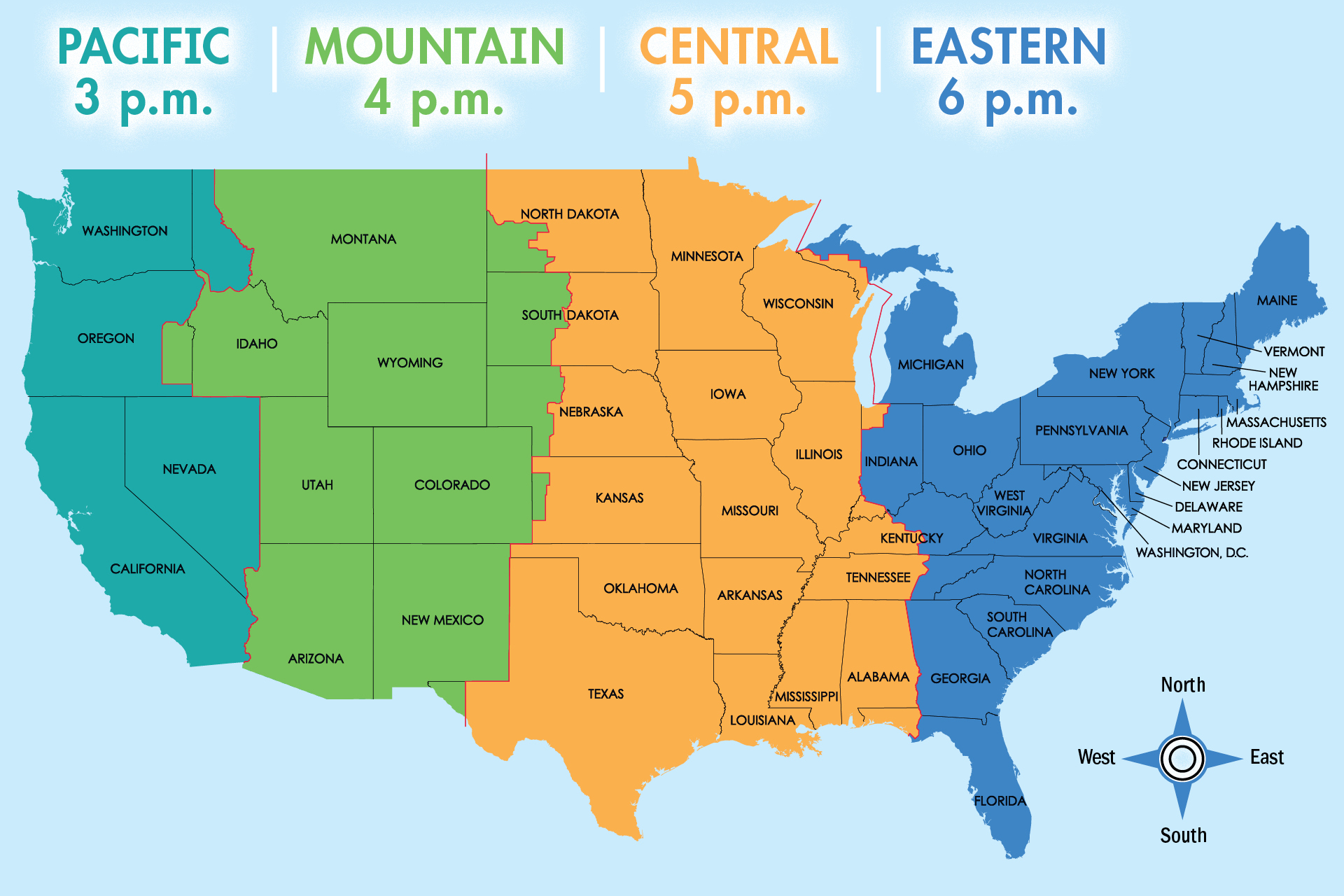
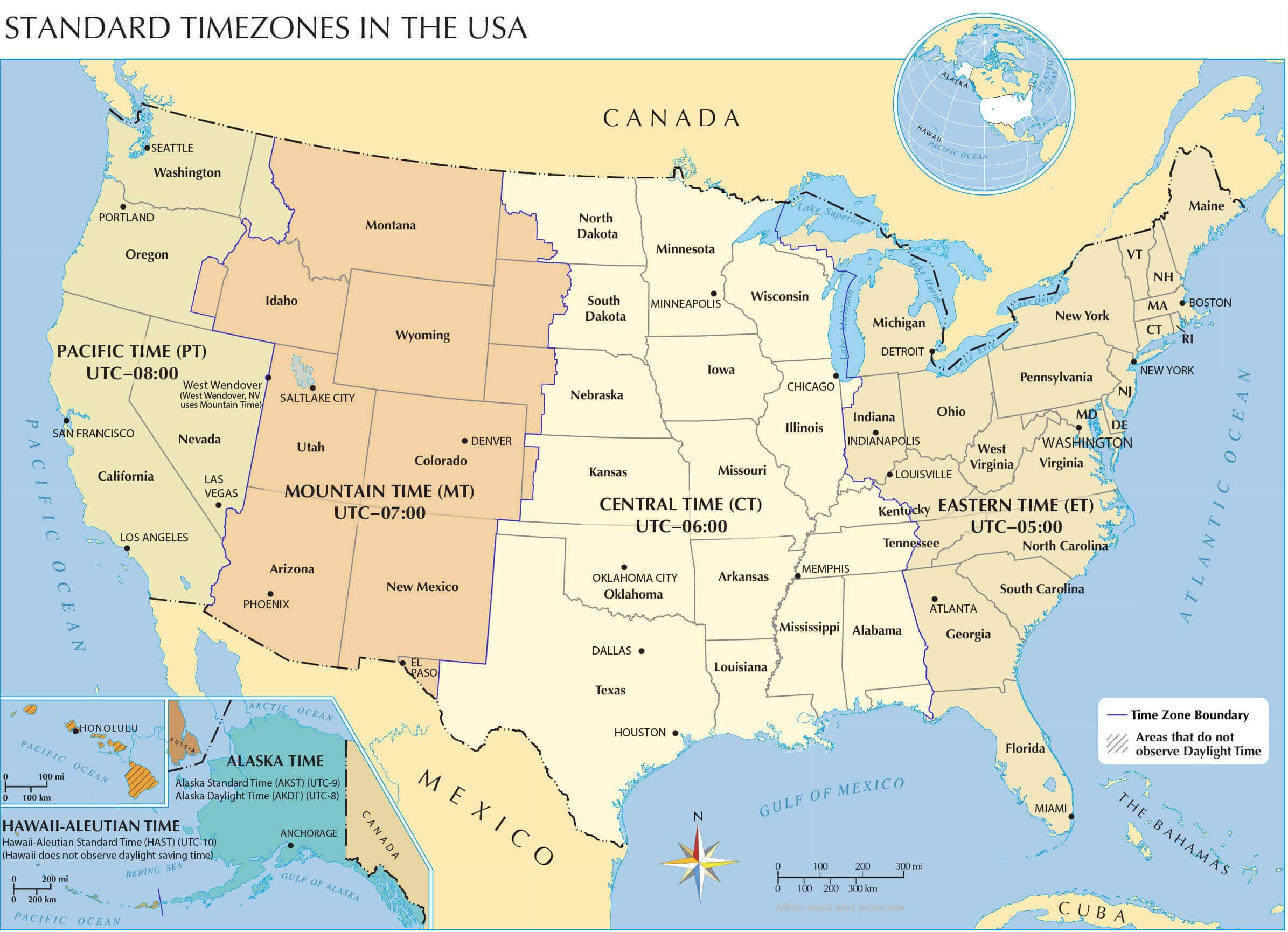
California observes the Pacific Time Zone, a crucial detail for anyone planning a visit or conducting business with entities within the state. Unlike some larger nations or even a few other states that span multiple time zones, California largely adheres to a single standard, making internal coordination relatively straightforward.
Understanding PST and PDT
For most of the year, California operates on either Pacific Standard Time (PST) or Pacific Daylight Time (PDT).
- Pacific Standard Time (PST): This is the official time observed during the winter months. PST is UTC-8, meaning it is eight hours behind Coordinated Universal Time. From early November to mid-March, clocks in California remain on PST.
- Pacific Daylight Time (PDT): Introduced during the spring and summer months, PDT is UTC-7, making it seven hours behind Coordinated Universal Time. The shift to PDT occurs on the second Sunday in March when clocks are moved forward by one hour. This “spring forward” provides an extra hour of daylight in the evenings, a welcome change for tourism and outdoor activities. The return to PST, or “fall back,” happens on the first Sunday in November, when clocks are moved back one hour.
This annual ritual of daylight saving time is a standard practice across much of the United States and many other countries. For travelers arriving from regions that do not observe daylight saving, or those from parts of the world with different DST schedules, it’s an important factor to consider. For instance, a visitor from Hawaii or Arizona (which largely doesn’t observe DST) might find the time difference fluctuating depending on the season. Similarly, coordinating with friends or colleagues in Europe or Asia requires constant awareness of these shifts, as the time difference can vary by an hour seasonally.
The Importance of Daylight Saving Time
The implementation of Daylight Saving Time in California significantly impacts daily life and travel itineraries. The extended daylight hours in the evening during PDT are a boon for visitors, allowing more time to enjoy outdoor attractions, explore cities, and partake in evening events without the rush of sunset. Imagine strolling along the Santa Monica Pier as the sun sets later, or enjoying a wine tasting in Napa Valley with the vineyards bathed in golden light well into the evening.
However, it also means adjusting sleep schedules and being mindful of the change, particularly for those arriving during the transition weekends. Missing an early morning flight or a crucial business meeting simply because one forgot to “spring forward” is a common, yet easily avoidable, travel mishap. Most modern devices automatically adjust, but it’s always wise to double-check, especially for traditional timepieces. This annual adjustment, while minor, underscores the importance of being time-aware when traveling to and around California.
Time’s Influence on Travel and Tourism in the Golden State
The time in California isn’t just a number; it’s a dynamic element that dictates the flow of travel, the rhythm of tourism, and the overall experience of visitors. From managing jet lag to perfectly timing visits to popular attractions, understanding California’s clock is paramount.
Seamless Itinerary Planning Across California’s Diverse Regions
California’s vast geographical diversity means planning an itinerary often involves traveling significant distances. While the state adheres to one time zone, the sheer scale still necessitates careful timing. If you’re flying into Los Angeles from New York, you’ll experience a three-hour time difference that impacts your arrival day activities. Similarly, connecting with friends flying into San Francisco from Europe requires factoring in a larger time gap.
When crafting your travel guide or itinerary, always consider the local time for flight arrivals, hotel check-ins, tour start times, and restaurant reservations. Missing the last shuttle to your mountain resort near Lake Tahoe or arriving late for a curated experience in Napa Valley due to time zone miscalculation can derail your plans. Digital tools and travel apps are invaluable here, often automatically adjusting to local time, but a manual check before crucial appointments adds an extra layer of security.
From Coastal Cities to Mountain Retreats: Time-Sensitive Experiences
California’s attractions often have strict operating hours that are, naturally, dictated by local time. Theme parks like Disneyland Park in Anaheim or Universal Studios Hollywood in Los Angeles open and close at specific times, with peak hours often meaning longer queues. Arriving early (by local time) can often save you hours of waiting. Similarly, museum visits, such as to The Getty Center or the California Academy of Sciences, require checking their hours, which can vary by day of the week or season.
For nature enthusiasts, visiting iconic landmarks like Yosemite National Park or Death Valley National Park means being aware of daylight hours. Hiking trails might have suggested start and end times for safety, and stargazing at observatories like Griffith Observatory in Los Angeles is entirely dependent on the local time of sunset and darkness. Even coastal drives along Big Sur are best enjoyed during daylight, highlighting the scenic beauty. Understanding the local clock allows travelers to maximize their daylight hours for exploration and activities while planning evening entertainment, such as theater shows in San Francisco or concerts in Sacramento, accordingly.
Jet Lag Management for an Enhanced Californian Adventure
One of the most immediate impacts of time zones on travelers, especially those arriving from distant lands like Europe or Asia, is jet lag. A flight from London, United Kingdom, to Los Angeles involves an eight-hour time difference (during PST), which can significantly disrupt your body’s internal clock. Even travelers from Miami or New York face a three-hour shift.
Effective jet lag management is crucial for enjoying your California experience from day one. Strategies include:
- Gradual Adjustment: Start shifting your sleep schedule a few days before departure.
- Hydration: Drink plenty of water during your flight and upon arrival.
- Sunlight Exposure: Seek natural light upon arrival, especially in the morning, to help reset your circadian rhythm.
- Strategic Napping: Keep naps short and early in the day to avoid disrupting nighttime sleep.
- Adapt to Local Time: Immediately adjust your watch and try to eat and sleep according to California time.
Many hotels, from luxury resorts in Palm Springs to boutique hotels in San Diego, offer amenities designed to combat jet lag, such as blackout curtains, comfortable bedding, and 24-hour room service. Prioritizing rest and adaptation to the local clock will ensure you’re energized to explore all the wonders California has to offer, from the historic Alcatraz Island to the bustling Hollywood Walk of Fame.
Accommodation and Lifestyle: Making the Most of Your Californian Hours
The local time in California profoundly impacts not just your travel itinerary but also your accommodation choices and overall lifestyle experience. Whether you’re staying in a chic apartment in San Jose, a beachfront villa in Malibu, or a grand suite in Beverly Hills, understanding time is key to maximizing comfort, convenience, and cultural immersion.
Booking Smart: Check-in, Check-out, and Hotel Services
Accommodation bookings are intrinsically linked to local time. Most hotels, including major chains like Grand Hyatt or Ritz-Carlton, operate with standard check-in times around 3:00 PM or 4:00 PM PST/PDT and check-out times around 11:00 AM or 12:00 PM PST/PDT. Arriving significantly earlier than check-in or departing much later than check-out requires prior arrangement, which might incur additional fees. Knowing the exact local time of your arrival can save you from waiting hours in the lobby or having to pay for an extra half-day.
Many accommodations offer flexible solutions, such as luggage storage for early arrivals or late departures, or day-use rates. Luxury resorts often provide access to amenities like spas or pools even before your room is ready. When reviewing hotel policies, pay close attention to the specified times, especially if your travel schedule involves red-eye flights or tight connections. For long-term stays or apartment rentals, key collection and handover times are also strictly enforced according to local time.
Dining, Entertainment, and Local Culture: Timing is Everything
California’s vibrant culture, from its culinary scene to its entertainment options, operates on a local timetable. Dinner reservations in popular San Francisco restaurants, for example, are highly sought after and must be booked precisely for the local hour. Showtimes for Broadway productions in Los Angeles or concerts at outdoor venues in San Diego’s Balboa Park are non-negotiable.
Exploring local markets, such as those in Old Town San Diego State Historic Park or Sonoma Valley, requires adherence to their operating hours, which can vary seasonally or by day of the week. Understanding these rhythms allows you to immerse yourself fully in the local lifestyle, whether it’s enjoying a leisurely California breakfast, catching a stunning sunset view from the Golden Gate Bridge, or experiencing the nightlife in West Hollywood. Even public transportation schedules, critical for navigating cities like San Jose, strictly follow the local clock, so having an accurate time reference is essential for seamless travel.
Business and Remote Work: Bridging the Time Gap
For business travelers or those working remotely while enjoying California’s lifestyle, managing time zones is a daily challenge. If your team is based on the East Coast of the United States (Eastern Time, ET), your 9:00 AM meeting starts at 6:00 AM PST/PDT. For colleagues in Europe, a typical workday might already be ending by the time yours begins in California.
This requires careful scheduling, utilizing tools like world clocks, and clearly communicating your availability. Many business-friendly hotels and long-term accommodation options offer robust Wi-Fi, dedicated workspaces, and 24/7 business centers to support guests needing to connect across time zones. Maintaining a productive work schedule while enjoying the state’s offerings requires discipline and excellent time management, ensuring that important calls or deadlines are never missed due to a time difference oversight.
Essential Tips for Time-Conscious Travelers
A well-planned trip to California means more than just knowing what attractions to see; it means understanding the temporal fabric of the state. These practical tips will help you navigate California’s time with ease.
Tools and Strategies for Staying on Schedule
- Set Your Devices Automatically: Most smartphones, laptops, and smartwatches will automatically update to local time. Ensure this feature is enabled before you land in California.
- Carry a World Clock App: Apps like World Clock, Every Time Zone, or even your phone’s built-in world clock feature can display multiple time zones simultaneously, making it easy to coordinate with contacts in different regions like Alaska or New York.
- Use Dual Time Zone Watches: For those who prefer traditional timekeeping, a watch with dual time zone functionality is a practical accessory.
- Confirm All Bookings in Local Time: When making reservations for flights, hotels, tours, or dining, always double-check that the times are specified in PST/PDT. A confirmation email that states “7 PM EST” when you’re in California could lead to an unfortunate three-hour misunderstanding.
- Create a Detailed Itinerary: Outline your daily schedule, including travel times between locations, and list all appointments in local California time. This helps visualize your day and prevent over-scheduling.
- Allow Buffer Time: Always build in extra time for travel, unexpected delays, and transitions between activities. This is especially true when navigating traffic in cities like Los Angeles or San Francisco.
Embracing the Californian Rhythm
Ultimately, a significant part of enjoying your time in California is learning to flow with its rhythm. While punctuality is appreciated, there’s often a relaxed, laid-back atmosphere, particularly in coastal areas. Don’t let rigid adherence to a schedule overshadow spontaneous discoveries or leisurely moments. Embrace the opportunity to enjoy a sunrise over the Pacific Ocean, a late afternoon hike in Griffith Park, or a drawn-out dinner in Sacramento’s historic old town.
Whether you’re visiting for leisure, business, or a blend of both, having a clear understanding of “What is the time in California?” is your first step towards a perfectly synchronized and unforgettable experience in the Golden State. From managing jet lag effectively to timing your visits to world-renowned landmarks like the California State Capitol Museum or the Golden Gate Bridge, a little time-zone savvy goes a long way. Plan smart, stay flexible, and prepare to immerse yourself in the endless possibilities that await you on Pacific Time.