
Las Vegas, Nevada, often referred to as “Sin City” or the “Entertainment Capital of the World,” is a destination that truly caters to all senses. From opulent resorts and world-class entertainment to thrilling attractions and gourmet dining, it promises an unforgettable experience. However, beneath the glitz and glamour, one fundamental element plays a crucial role in shaping any visit: the weather. Situated in the heart of the Mojave Desert, Las Vegas’s temperature is a defining characteristic, influencing everything from what to pack and which activities to prioritize to the overall ambiance of your stay. Understanding the seasonal variations in temperature is paramount for both first-time visitors and seasoned travelers looking to optimize their Las Vegas adventure. Whether you’re planning a luxurious poolside escape, an intrepid exploration of nearby natural wonders, or a cozy indoor entertainment marathon, knowing what to expect from the mercury will ensure your trip is perfectly tailored to your preferences and comfort.
Understanding Las Vegas’s Desert Climate: A Year-Round Overview
Las Vegas experiences a subtropical hot desert climate, characterized by extremely hot, long summers; mild winters; and very little rainfall throughout the year. The dry air means that while temperatures can soar, the lack of humidity often makes the heat feel less oppressive than in more humid regions, though it still demands respect and caution. The sun shines brightly for an astounding average of 300 days a year, making sunglasses and sun protection essential year-round. This distinct climate dictates the rhythms of tourism and local life, offering different advantages depending on the time of your visit.
The Sizzling Summer: June, July, August
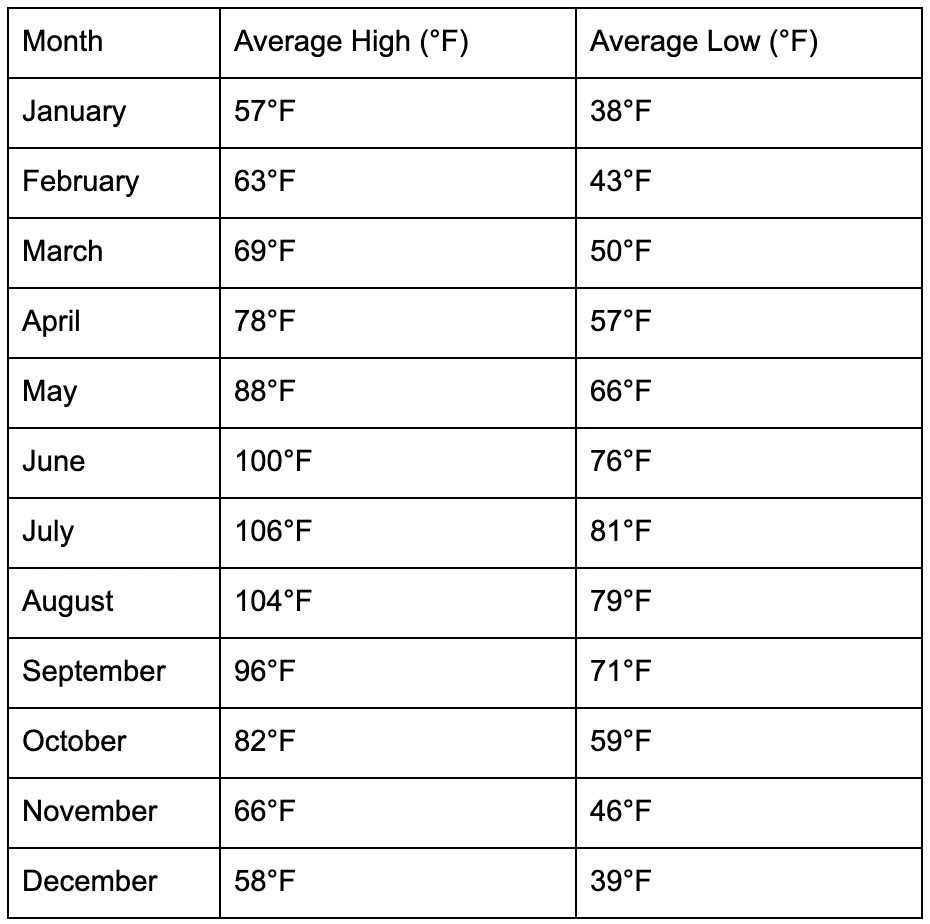
Summer in Las Vegas is legendary for its intense heat. Daytime temperatures consistently hover between 100°F (38°C) and 110°F (43°C), often peaking even higher, especially in July and August. Nighttime offers some reprieve, with temperatures typically dropping into the high 70s or low 80s (25-29°C), which is still considerably warm. The sun is incredibly powerful, and direct exposure for extended periods can be dangerous. Despite the extreme heat, summer remains a peak season for certain types of tourism, particularly those centered around elaborate pool parties and indoor entertainment.
Travelers during these months must prioritize hydration, frequently applying sunscreen, and seeking shade. Most hotels and attractions are meticulously designed to combat the heat, with powerful air conditioning, misting systems in outdoor areas, and abundant water features. This is the prime time for experiencing Las Vegas’s vibrant pool scene, where world-renowned DJs spin beats and guests cool off in expansive aquatic playgrounds. While outdoor exploration during peak daylight hours is largely unadvisable, the nights come alive with unique energy, offering comfortable conditions for strolling along The Strip or enjoying al fresco dining once the sun sets and the desert air cools.
Pleasant Springs and Autumns: March-May, September-November
For many, spring and autumn represent the ideal times to visit Las Vegas. These shoulder seasons offer a perfect balance of warm, sunny days and comfortably cool evenings, making them suitable for a broader range of activities.
Spring (March, April, May): As winter gives way, temperatures gradually climb from the high 60s (20°C) in March to the high 80s (30°C) by May. The desert flora begins to bloom, adding a touch of vibrant color to the surrounding landscapes. Days are long and bright, providing excellent conditions for exploring both urban attractions and nearby natural parks. Nights are pleasantly cool, requiring only a light jacket or sweater. This period is highly popular, especially for outdoor activities like golfing, hiking, and sightseeing, which are best enjoyed before the intense summer heat sets in.
Autumn (September, October, November): Following the summer’s peak, temperatures begin to recede, offering a welcome respite. September still sees warm days, often in the high 90s (35°C), but October brings a more comfortable range of 70s to 80s (21-29°C), with November cooling down further into the 60s (15-20°C). The crisp, clear air and abundant sunshine make autumn another fantastic window for a visit. It’s an excellent time for those who want to experience Las Vegas’s outdoor offerings without the sweltering heat. The cooler temperatures are perfect for evening shows, dining on outdoor patios, and even exploring the vast desert landscapes beyond the city limits.
Mild Winters: December, January, February
Winter in Las Vegas is surprisingly mild and offers a different, often more relaxed, experience compared to the bustling peak seasons. Daytime temperatures typically range from the high 50s to low 60s (10-17°C), making it comfortably cool, especially compared to many other parts of North America. Nights can get quite chilly, often dropping into the 30s and 40s (0-9°C), with occasional dips below freezing. While snow is rare on The Strip, the surrounding mountains, like Mount Charleston, often receive significant snowfall, offering opportunities for winter sports just an hour away.
For those looking to escape harsh winter climates elsewhere, Las Vegas winters provide a pleasant retreat. The cooler temperatures are ideal for conventions, indoor shows, gourmet dining, and enjoying the festive holiday decorations that adorn the city from late November through New Year’s. Crowds tend to be thinner (excluding major holidays like Christmas and New Year’s Eve), and hotel rates can be more affordable, making it an attractive option for budget-conscious travelers or those seeking a more subdued luxury experience.
Planning Your Las Vegas Adventure: Activities for Every Season
The temperature in Las Vegas is not merely a number on a thermometer; it’s a guide to what activities will be most enjoyable and comfortable during your visit. Each season offers a distinct flavor of Las Vegas and allows for different kinds of exploration and indulgence.
Embracing the Summer Heat: Pool Parties and Indoor Escapes
Summer in Las Vegas is synonymous with elaborate pool culture. Resorts like Wynn Las Vegas, The Venetian Resort, and Resorts World Las Vegas transform their pool decks into vibrant day clubs, complete with cabanas, live DJs, and poolside service. These are not just places to swim but social hubs where luxury travelers and party-goers gather. Beyond the pools, the vast majority of Las Vegas’s attractions are indoors and fully air-conditioned, making them perfect havens from the heat. This includes world-class casinos, expansive shopping malls like Fashion Show Mall and The Forum Shops at Caesars, and a myriad of entertainment options from Cirque du Soleil shows at MGM Grand and Bellagio to celebrity residencies at Dolby Live and T-Mobile Arena.
For those seeking cultural experiences, museums like The Mob Museum and Neon Museum offer fascinating insights into the city’s unique history, all within cool, climate-controlled environments. Even outdoor spectacles like the Bellagio Fountains are best enjoyed after sunset when the temperatures are more forgiving, allowing visitors to comfortably witness their mesmerizing choreographed performances against the night sky. Business travelers often find summer an ideal time for conferences, as the focus naturally shifts to indoor venues, and the energy of the city remains high despite the heat.
Ideal Weather for Exploration: Spring and Fall Activities
The moderate temperatures of spring and autumn unlock a wider array of activities that combine both indoor and outdoor adventures. These seasons are perfect for walking The Strip, marveling at architectural wonders like Caesars Palace and Luxor, or enjoying the panoramic views from the High Roller Observation Wheel or the Eiffel Tower Viewing Deck at the Paris Las Vegas hotel. Outdoor dining truly shines during these months, with numerous restaurants offering patio seating where you can savor exquisite meals under a clear sky.
Beyond The Strip, these seasons are prime for exploring the breathtaking natural beauty surrounding Las Vegas. Day trips to the Red Rock Canyon National Conservation Area are incredibly popular for hiking, rock climbing, and scenic drives. The vibrant red geological formations are stunning against the backdrop of a temperate sky. Other popular excursions include visiting the engineering marvel that is the Hoover Dam and the serene waters of Lake Mead, or even venturing further afield to the awe-inspiring Grand Canyon, Valley of Fire State Park, or Death Valley National Park in nearby California and Arizona. Golf enthusiasts will find these seasons perfect for hitting the greens at one of Las Vegas’s many championship courses, enjoying the mild weather without the intense summer glare. Families can also enjoy outdoor attractions like the Springs Preserve or the Siegfried & Roy’s Secret Garden and Dolphin Habitat without concern for overheating.
Winter Wonders: Shows, Fine Dining, and Day Trips
Winter in Las Vegas, with its cooler temperatures, shifts the focus squarely onto indoor luxury and entertainment. This is the prime time for catching a world-class show, from magic acts and elaborate productions at venues like the V Theater to concerts and residencies. Fine dining experiences become even more inviting, as guests can linger over multi-course meals in elegant restaurants without the distractions of outdoor heat. It’s an excellent season for exploring the unique themed resorts, each a self-contained world of art, architecture, and entertainment.
Beyond The Strip, the cooler weather makes for comfortable exploration of downtown Las Vegas, including the iconic Fremont Street Experience and the trendy Container Park. For those seeking a unique outdoor experience, a day trip to Mount Charleston offers a stunning contrast. Just an hour’s drive away, you can find snow-covered peaks, opportunities for skiing, snowboarding, or simply enjoying the crisp mountain air and beautiful evergreen forests. This provides a striking visual and climatic contrast to the desert city below, showcasing the diverse landscapes within easy reach of Las Vegas. Even large-scale events like football games at Allegiant Stadium are comfortable thanks to the mild winter temperatures.

Accommodation and Comfort: Beating the Heat and Embracing the Mild
Regardless of the season, accommodation plays a pivotal role in ensuring a comfortable and enjoyable Las Vegas trip. Hotels and resorts are expertly equipped to handle the desert climate, but understanding seasonal nuances can help you make the best booking and packing decisions.
Resort Amenities and Seasonal Stays
Summer: During the scorching summer months, access to an excellent pool is not just a luxury but a necessity. Many high-end resorts like Mandalay Bay boast elaborate beach-like pools with wave machines and lazy rivers, perfect for escaping the heat. When booking, prioritize hotels with extensive indoor facilities, including well-maintained air conditioning, spacious casinos, diverse dining options, and internal walkways connecting various parts of the resort. Luxury travelers might opt for suites with private plunge pools or exclusive access to shaded cabanas. Budget travelers can still find comfortable stays, but it’s crucial to confirm AC functionality and proximity to indoor attractions.
Spring/Autumn: These pleasant seasons open up more flexibility. Hotels with appealing outdoor common areas, gardens, and al fresco dining options become particularly attractive. You might seek resorts known for their beautiful outdoor landscaping or those with easy access to walking paths along The Strip. This is also a fantastic time for golfing packages or resort stays that offer convenient access to nearby hiking trails or excursions. Many resorts will have their outdoor amenities fully operational and bustling, but without the intense crowds of summer.
Winter: While pools may be less of a draw (though many hotels keep at least one heated pool open), the focus shifts to indoor amenities. Resorts known for their spas, fine dining, elaborate indoor gardens, and entertainment venues become key. Consider booking a hotel with a renowned theater for shows or a wide selection of indoor shopping and dining. Cozier, more intimate hotel bars and lounges become more appealing. For long-term stays or business trips during winter, look for accommodation with robust indoor fitness centers and comfortable common areas for networking or relaxation.

Smart Packing and Preparation
Packing appropriately for the Las Vegas temperature is essential for a comfortable trip:
- Summer: Light, breathable clothing (cotton, linen), swimwear (multiple options!), wide-brimmed hats, sunglasses, high SPF sunscreen, comfortable sandals, and a light cover-up for air-conditioned interiors (which can be surprisingly chilly). Hydration is key, so consider bringing a reusable water bottle.
- Spring/Autumn: Layered clothing is your best friend. T-shirts and shorts or light dresses for daytime, with sweaters, light jackets, or cardigans for cooler evenings. Comfortable walking shoes are a must for exploring. Sun protection remains important.
- Winter: Warmer layers are needed. Jeans, long-sleeved shirts, sweaters, and a medium-weight jacket or coat are advisable. Scarves and gloves might be useful for chilly evenings. If planning a trip to Mount Charleston, bring full winter gear.
Regardless of the season, comfortable shoes are non-negotiable, as you’ll likely do a lot of walking, especially along The Strip or within large resorts like Excalibur or MGM Grand. Staying hydrated is crucial year-round due to the desert air, and sun protection is always recommended.
Making the Most of Your Las Vegas Experience
Ultimately, the best time to visit Las Vegas depends on your personal preferences and what kind of experience you’re seeking.
- For the Pool Party Enthusiast & Nightlife Lover: Summer offers unparalleled energy and a focus on poolside revelry and vibrant indoor entertainment.
- For the Explorer & Outdoor Adventurer: Spring and autumn provide the most comfortable conditions for hiking, golfing, sightseeing, and day trips to national parks in Nevada, California, Arizona, and Utah.
- For the Show-Goer, Gourmand & Relaxed Traveler: Winter brings a calmer pace, comfortable temperatures for indoor activities, and a festive atmosphere during the holidays, often with better deals on hotels and flights outside of major events.
Las Vegas’s unique location in the Mojave Desert means its temperature will always be a significant factor. By understanding its distinct seasonal patterns, you can meticulously plan your itinerary, choose the perfect accommodation, and pack smartly, ensuring that your trip to this iconic city is as comfortable, exciting, and unforgettable as possible, no matter what the thermometer reads.
LifeOutOfTheBox is a participant in the Amazon Services LLC Associates Program, an affiliate advertising program designed to provide a means for sites to earn advertising fees by advertising and linking to Amazon.com. Amazon, the Amazon logo, AmazonSupply, and the AmazonSupply logo are trademarks of Amazon.com, Inc. or its affiliates. As an Amazon Associate we earn affiliate commissions from qualifying purchases.