
In a world defined by exploration and discovery, where many of us chase the next adventure, whether it’s a bustling city escape to Tokyo, a serene beach retreat in the Caribbean, or an immersive cultural journey through Europe, it’s easy to get swept up in the excitement of living in the moment. Our travel itineraries are meticulously planned, our accommodations – from luxurious suites at a Four Seasons Resort to charming boutique hotels in historic districts – are booked with care, and our experiences are curated for maximum enjoyment. Yet, amidst all this forward-thinking for our adventures, one crucial aspect of life often remains overlooked: planning for the future back home. For residents of the Lone Star State, understanding how to make a will in Texas isn’t just a legal formality; it’s an essential step in securing peace of mind, not just for you, but for your loved ones, allowing you to truly relax and savor every moment of your global wanderings.
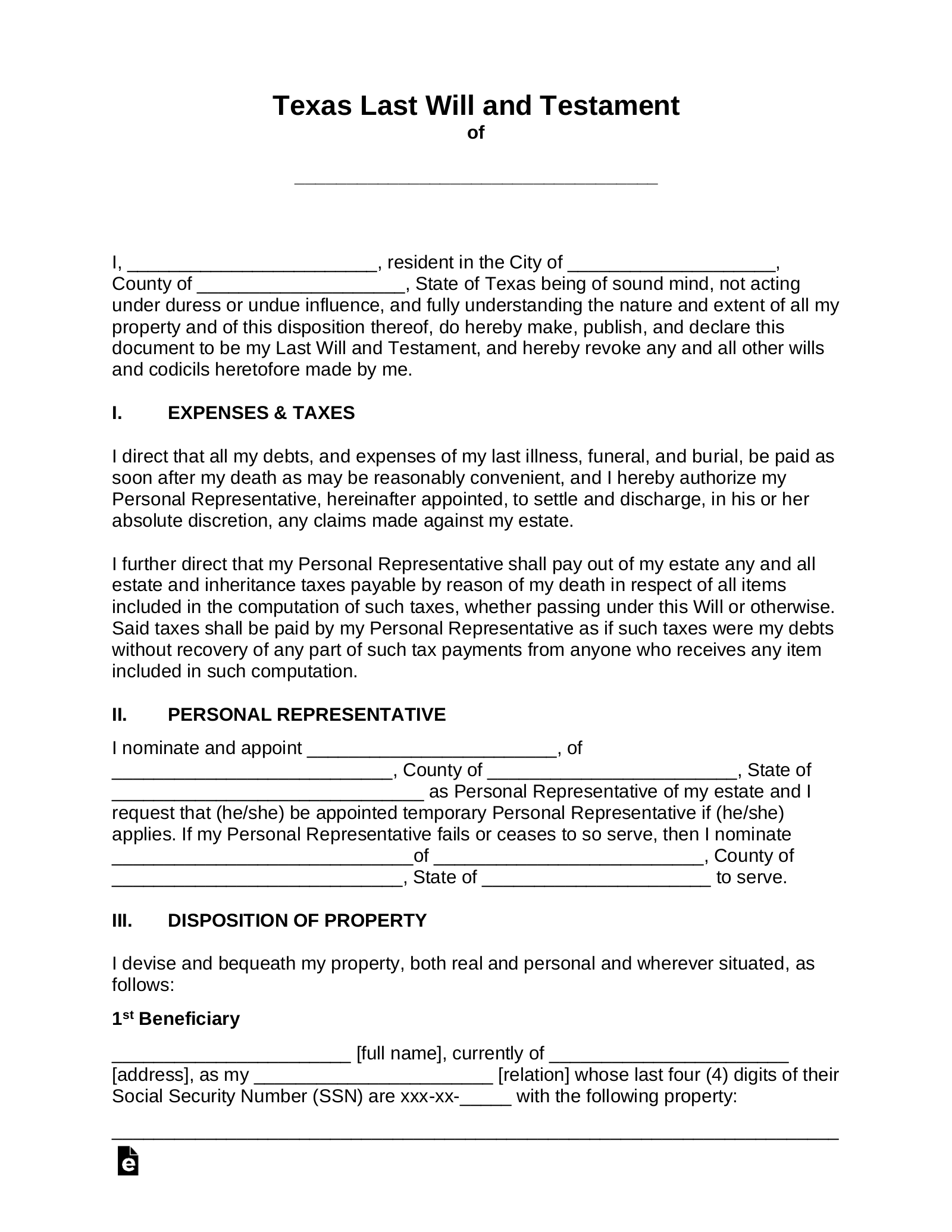
Imagine you’re trekking through the ancient ruins of Machu Picchu or savoring exquisite cuisine in Paris. The last thing you want clouding your mind is uncertainty about what would happen to your assets, your legacy, or the well-being of your family should the unforeseen occur. A legally sound will in Texas is your roadmap, ensuring that your wishes are honored, your property is distributed as you intend, and your loved ones are protected. It’s an act of care, a testament to your responsibility, and a fundamental component of a well-rounded lifestyle, whether you’re living large or embracing budget travel. This guide will navigate you through the process of creating a valid will in Texas, offering insights crucial for every globetrotter, digital nomad, or anyone simply valuing foresight and security.
The Foundation of Your Legacy: Understanding Texas Will Requirements
Creating a will might seem like a daunting task, fraught with legal jargon and complex procedures. However, in Texas, the fundamental requirements for a valid will are relatively straightforward. Think of it as laying the groundwork for your future, much like researching the best hotels in Singapore or planning your route through the Grand Canyon. Precision and adherence to the rules are key.
Essential Elements of a Valid Texas Will
For a will to be recognized as legally binding in Texas, it must meet several criteria outlined in the Texas Estates Code. Failing to meet even one of these requirements can render your will invalid, potentially leading to significant complications and delays for your estate, a situation no one wants to leave behind for their family.
- In Writing: Oral wills are generally not recognized in Texas except in very specific, rare circumstances, primarily involving active military personnel in combat. For almost everyone, your will must be a physical document, meticulously typed or clearly handwritten. While the romantic idea of a deathbed declaration might exist in fiction, in the practical world of estate planning, a written document is paramount.
- Signed by the Testator: The testator, the person making the will, must sign the document. The signature must be at the end of the will. If the testator is unable to sign, another person can sign on their behalf, but only in the testator’s presence and under their direction. This ensures that the will truly reflects the testator’s wishes and isn’t the result of undue influence.
- Attested by Two Credible Witnesses: This is where the communal aspect of will creation comes into play. The will must be attested to by two credible witnesses, both of whom must be at least 14 years of age. These witnesses must sign the will in the testator’s presence. Crucially, the witnesses should not be beneficiaries in the will. If a witness is also a beneficiary, the gift to that witness (and potentially their spouse) may be voided, though the rest of the will might remain valid. It’s a safeguarding measure to prevent conflicts of interest and ensure impartiality, much like having a trusted guide when exploring the dense jungles of the Amazon.
- Testamentary Capacity: The testator must be of sound mind when they sign the will. This means they must understand that they are signing a document that will transfer their property upon their death, and they must be generally aware of the nature and extent of their property, as well as the natural objects of their bounty (i.e., their family members and those who would naturally inherit from them). This doesn’t require perfect memory or complete mental acuity, but a basic understanding of the document’s purpose and effect.
Types of Wills in Texas
While the basic requirements apply, Texas recognizes a few distinct types of wills, each with its own nuances:
- Attested Will: This is the most common type, created with the signature of the testator and two witnesses, as described above. It offers the most robust legal protection and is the recommended format for most individuals.
- Holographic Will: A holographic will is one written entirely in the testator’s handwriting. The significant advantage here is that it does not require witnesses. If you find yourself in a remote area of Patagonia without access to witnesses, but with a pen and paper, a holographic will could be an option. However, every word must be in your handwriting, or it risks invalidation. While offering flexibility, they can sometimes be less clear or comprehensive than an attested will, making them prone to challenges.
- Self-Proving Affidavit: While not a separate type of will, a self-proving affidavit is an extremely valuable addition to an attested will. It’s a separate document, signed by the testator and the witnesses before a notary public, which essentially “proves” the will’s validity at the time of its creation. This streamlines the probate process significantly, often allowing the will to be admitted to probate without the need for witnesses to appear in court, saving time and expense for your family. Think of it as a fast-pass for the legal system, allowing your family to focus on grieving rather than legal hurdles.
Charting Your Course: Key Decisions and Components of Your Texas Will
Once you understand the basic requirements, the real work begins: deciding what your will should actually contain. This is your opportunity to define your legacy, ensuring that your property, your family, and even your beloved pets are cared for according to your wishes. This planning phase is as critical as choosing the perfect all-inclusive resort or mapping out the top attractions in New York City.
Designating Your Executor
The executor (also called a personal representative) is perhaps the most important appointment in your will. This individual will be responsible for managing your estate, paying debts, gathering assets, and distributing property to your beneficiaries, all under the supervision of the Texas probate court. Choose wisely! This person should be trustworthy, organized, and capable of handling legal and financial matters.
- Considerations for choosing an executor:
- Trustworthiness: They will have access to all your financial information and assets.
- Availability: The probate process can take time (months or even years), so they need to be able to dedicate the necessary effort.
- Residency: While not strictly required, having a Texas resident as an executor can simplify some administrative aspects.
- Backup: Always name at least one alternate executor in case your primary choice is unable or unwilling to serve. This contingency planning is vital, just like having a backup travel plan if your flight to London is delayed.
Naming Beneficiaries and Distributing Assets
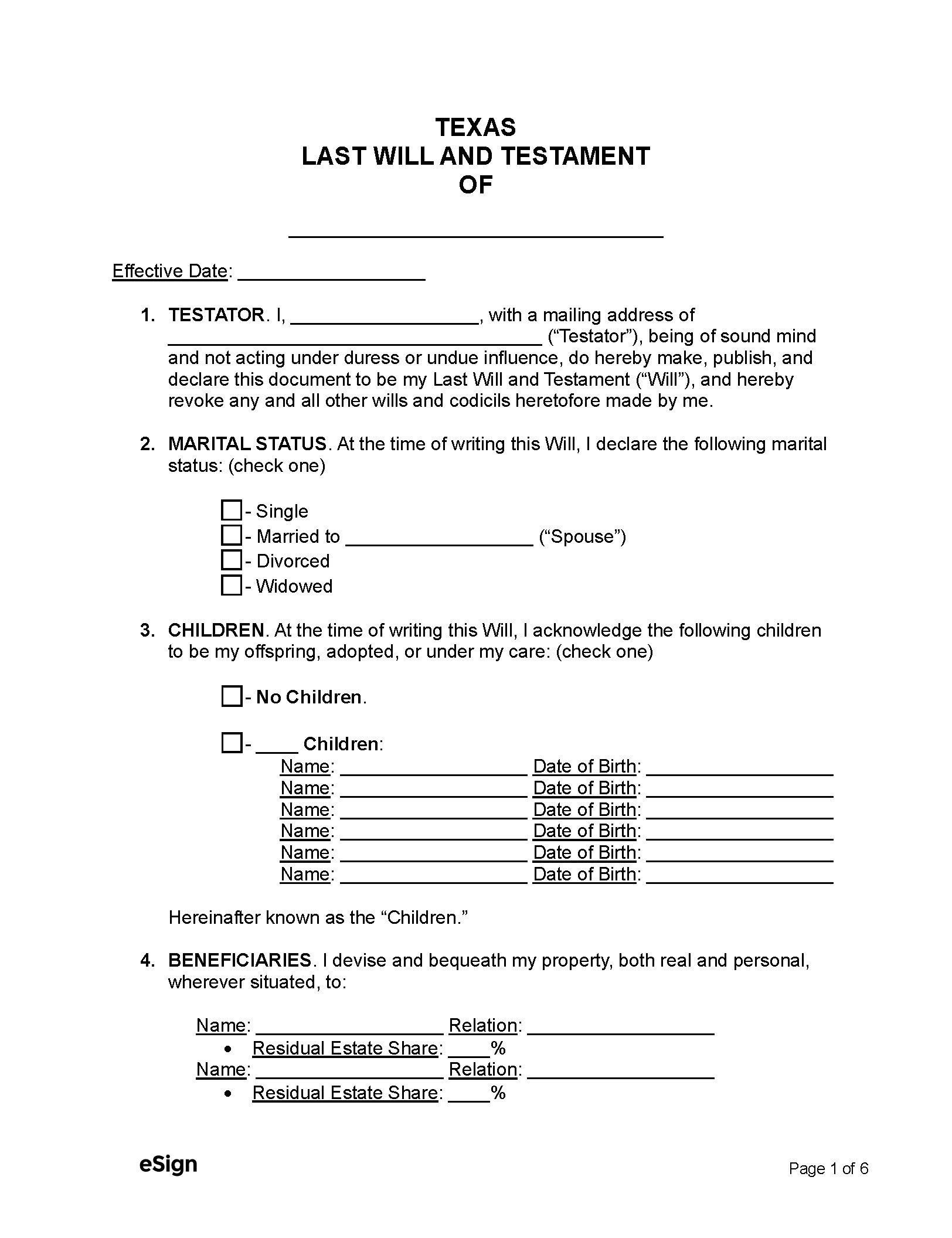
This is the core of your will: who gets what. You can specify individual items, percentages of your estate, or lump sums. Be as clear and specific as possible to avoid ambiguity.
- Specific Gifts: “I give my antique watch collection to my nephew, John Doe.”
- Residuary Estate: This covers everything else not specifically mentioned. “I give the remainder of my estate, both real and personal property, in equal shares to my children, Jane Doe and Jim Smith.”
- Contingent Beneficiaries: What if a primary beneficiary passes away before you? Name alternate beneficiaries to prevent their share from going through probate or being distributed against your wishes. This is crucial for seamless transitions, just like having a Plan B for your itinerary through Asia.
- Consider all types of property: This includes real estate (your home in Austin, a vacation condo in Galveston), financial accounts, vehicles, personal belongings, and even digital assets.
Appointing Guardians for Minor Children
For parents of minor children, this is arguably the most critical provision in a will. If both parents pass away, the will allows you to designate who will raise your children. Without this, a court will decide, potentially placing your children with someone you wouldn’t have chosen.
- Guardian of the Person: This individual will be responsible for the daily care, upbringing, and education of your children.
- Guardian of the Estate: This individual will manage any money or property inherited by your minor children until they reach adulthood. Often, these roles are given to the same person, but they don’t have to be.
- Discussion is Key: Talk to your chosen guardians beforehand to ensure they are willing and able to take on this profound responsibility.
Beyond the Passport: Comprehensive Estate Planning for the Modern Lifestyle
While a will is the cornerstone of estate planning, it’s often just one piece of a broader strategy, especially for individuals who lead dynamic lifestyles, own property in different states or countries, or have complex financial situations. Thinking beyond just the will is akin to considering all aspects of your travel experience, from booking flights and hotels to local tourism, dining, and navigating different cultures.
Revocable Living Trusts: An Alternative or Companion
For some, particularly those with substantial assets, property in multiple states (like a primary residence in Houston and a vacation home in Florida), or a desire to avoid probate entirely, a revocable living trust might be a more suitable solution.
- Probate Avoidance: Assets held in a properly funded trust generally bypass the probate process, allowing for quicker and more private distribution to beneficiaries. This is especially appealing for those who value efficiency, much like selecting a Marriott Bonvoy property for its consistent service.
- Privacy: Unlike wills, which become public record during probate, trusts remain private documents.
- Incapacity Planning: A trust can also provide for the management of your assets if you become incapacitated, without the need for a court-appointed guardianship.
- Complexity: Trusts are more complex to set up and maintain than a simple will, requiring ongoing management to ensure assets are properly titled in the trust’s name.
Powers of Attorney: Planning for Incapacity
Even the most adventurous among us can face unexpected health challenges. Powers of attorney ensure that someone you trust can make decisions on your behalf if you become incapacitated.
- Durable Power of Attorney for Financial Matters: This document allows an appointed agent to manage your financial affairs (pay bills, access bank accounts, manage investments) if you’re unable to do so. This is critical for managing your affairs back home while you’re traveling or if an unexpected medical emergency occurs.
- Medical Power of Attorney: This document designates an agent to make healthcare decisions for you if you are unable to communicate your wishes. This ensures your medical treatment aligns with your values and beliefs, especially important if you have strong preferences.
- HIPAA Release: Often paired with a Medical Power of Attorney, this form allows designated individuals to access your protected health information.
Beneficiary Designations: Beyond the Will’s Reach
Many assets, such as retirement accounts (IRAs, 401ks), life insurance policies, and certain bank accounts, transfer directly to designated beneficiaries upon your death, regardless of what your will says.
- Review Regularly: It is absolutely vital to review and update your beneficiary designations periodically, especially after major life events like marriage, divorce, birth of a child, or the passing of a designated beneficiary. A common oversight here can lead to unintended consequences, such as an ex-spouse inheriting a large sum, despite your will stating otherwise.
- Coordinate with Your Will: Ensure your beneficiary designations align with your overall estate plan outlined in your will to avoid conflicts.
Digital Assets: The Modern Frontier
In our increasingly digital world, your online presence and digital assets – from social media accounts and email to cryptocurrency and online photo albums – also need consideration. Texas has laws regarding the management of digital assets, allowing you to grant fiduciaries access. This is a new frontier in estate planning, as important as securing your digital footprint when booking travel and accommodations online.
Navigating the Legal Landscape: When to Seek Professional Guidance
While this guide provides a comprehensive overview, it is essential to remember that estate planning is a complex legal area. Just as you might hire a local guide to navigate the bustling souks of Marrakech or the intricate waterways of Venice, consulting with a qualified Texas attorney is invaluable.
- Complexity of Your Estate: If you have significant assets, own a business, have beneficiaries with special needs, or have been divorced, a simple DIY will might not suffice.
- Blended Families: If you have children from previous marriages, an attorney can help ensure your will clearly defines inheritance for all your loved ones, preventing future disputes.
- Minimizing Taxes: While Texas does not have an inheritance tax, federal estate tax laws can be complex. An attorney can advise on strategies to minimize tax burdens on your estate.
- Avoiding Probate: If probate avoidance is a key goal, an attorney can help you determine if a trust or other strategies are appropriate.
- Staying Current: Estate laws can change. An attorney stays abreast of these changes, ensuring your will remains valid and effective.
- Peace of Mind: Knowing your will is legally sound and fully reflects your wishes, crafted by an expert, provides unparalleled peace of mind, allowing you to focus on planning your next great adventure, whether it’s exploring the historic sites of Rome or relaxing at a luxurious Hyatt Regency in Dallas.
The Process of Working with an Attorney
- Initial Consultation: Discuss your goals, assets, family situation, and concerns.
- Information Gathering: Provide necessary financial and personal details.
- Drafting: The attorney drafts the will and other estate planning documents.
- Review and Finalization: You review the documents, ask questions, and make any necessary revisions.
- Execution: The attorney oversees the proper signing and witnessing of your will, ensuring all legal formalities are met.

Embark on Your Next Journey with Confidence
Making a will in Texas is more than just a legal requirement; it’s an integral part of living a full and intentional life. For those who embrace travel, who cherish experiences, and who understand the value of planning, securing your legacy back home is the ultimate act of foresight. It allows you to explore ancient wonders, immerse yourself in local cultures, unwind in luxurious accommodations, or embark on a budget-friendly adventure without the lingering worry of what might happen if you’re not around.
Whether you’re currently enjoying the vibrant culture of San Antonio, planning a hiking trip through Big Bend National Park, or dreaming of future explorations in South America or Africa, take the time to put your affairs in order. It’s a gift to your loved ones, a reflection of your values, and the ultimate way to ensure that your journey, both in life and beyond, unfolds exactly as you envision. Don’t let uncertainty be a burden; create your Texas will, and then go forth, confidently exploring every corner of this beautiful world.
Disclaimer: This article provides general information about making a will in Texas and should not be considered legal advice. Estate planning laws are complex and vary based on individual circumstances. It is strongly recommended to consult with a qualified Texas attorney for personalized advice regarding your specific situation.
LifeOutOfTheBox is a participant in the Amazon Services LLC Associates Program, an affiliate advertising program designed to provide a means for sites to earn advertising fees by advertising and linking to Amazon.com. Amazon, the Amazon logo, AmazonSupply, and the AmazonSupply logo are trademarks of Amazon.com, Inc. or its affiliates. As an Amazon Associate we earn affiliate commissions from qualifying purchases.