
The elusive, ethereal dance of the Aurora Borealis, often known as the Northern Lights, is a phenomenon that captivates the imagination and adorns the night sky with streaks of vibrant color. For many avid travelers and stargazers, witnessing this cosmic ballet is a bucket-list dream. But the pressing question remains: can you truly see the Aurora Borealis in Alaska? The unequivocal answer is a resounding yes! Alaska, the largest state in the United States, is globally renowned as one of the premier destinations to experience the Northern Lights in all their splendor. Its unique geographical position, coupled with vast stretches of pristine wilderness and minimal light pollution, creates the perfect canvas for nature’s most spectacular light show.

This comprehensive guide delves into everything you need to know about planning an unforgettable journey to chase the aurora in Alaska. From understanding the science behind the lights and identifying the best viewing locations to practical travel tips, accommodation options, and enriching daytime activities, we’ll equip you with the insights to make your Alaskan aurora adventure a dazzling reality. Whether you’re dreaming of a luxury escape under the stars or an adventurous budget-friendly expedition, Alaska offers a myriad of experiences tailored to every lifestyle.
Understanding the Aurora Borealis and Why Alaska Shines
The allure of the Northern Lights is undeniable, drawing millions to the polar regions each year. To truly appreciate this natural wonder, it helps to understand what causes it and why Alaska is positioned as one of the world’s best viewing spots.
The Science Behind the Spectacle
At its core, the Aurora Borealis is a celestial light show born from the interaction between solar winds and the Earth’s magnetic field. When charged particles emitted by the sun (solar wind) collide with gases in the Earth’s atmosphere, they excite atoms and molecules, causing them to emit light. The colors you see – predominantly green, but sometimes pink, red, blue, and purple – depend on the type of gas involved and the altitude at which the collision occurs. Oxygen typically produces green and reddish-brown auroras, while nitrogen creates blue or purplish-red hues. This dynamic interplay happens within the thermosphere, roughly 60 to 600 miles above the Earth’s surface, creating a visual symphony that transcends earthly beauty. The strength and visibility of the aurora are often measured by the Kp-index, a scale from 0 to 9, where higher numbers indicate more intense geomagnetic activity and a greater chance of seeing the lights.
Alaska’s Prime Location
Alaska’s geographical location is its biggest asset for aurora viewing. It lies directly beneath the “auroral oval,” a ring-shaped region centered around the Earth’s geomagnetic North Pole where auroral activity is most concentrated and frequent. This strategic positioning means that when the solar winds intensify, the skies above Alaska are among the first to ignite with vibrant colors. Furthermore, the state boasts vast expanses of wilderness with incredibly dark skies, far removed from the light pollution of major cities. Unlike some other aurora-prone regions, much of Alaska’s landscape is rugged and unspoiled, offering unobstructed views of the horizon. Its dry, continental climate in many key viewing areas also contributes to clearer skies, which is paramount for spotting the lights.
Best Time to Witness the Magic
Timing is crucial when planning your aurora chase. The Northern Lights require two primary conditions: darkness and clear skies.
- Seasons: The best time to see the Aurora Borealis in Alaska is during the long, dark winter months, specifically from late August to late April. During the summer, Alaska experiences nearly 24 hours of daylight (the “Midnight Sun”), making aurora viewing impossible.
- Months: The peak viewing months are typically September through March. September offers milder temperatures and the chance to see the lights reflected in open water, while the deep winter months (December to February) provide maximum darkness but also extreme cold.
- Time of Day: The aurora is most active and visible during the darkest hours of the night, usually between 10:00 PM and 3:00 AM. However, lights can appear as early as 9:00 PM or linger until dawn. Patience is indeed a virtue for aurora hunters. Checking aurora forecasts and local weather conditions regularly will significantly increase your chances of success.
Top Destinations for Aurora Chasing in Alaska
While the Aurora Borealis can theoretically be seen anywhere in Alaska on a strong night, certain locations offer consistently better viewing opportunities due to their position within the auroral oval, minimal light pollution, and infrastructure catering to aurora tourism.
Fairbanks: The Aurora Capital
Often hailed as the “Aurora Capital of Alaska,” Fairbanks is undoubtedly the prime destination for aurora enthusiasts. Its location at 64 degrees north latitude places it directly under the auroral oval, giving it an estimated 240 prime aurora viewing nights per year. The city is relatively accessible, with an international airport, making it a convenient base for travelers.
- Why Fairbanks is Ideal: Beyond its geographic advantage, Fairbanks typically experiences clearer, drier skies than coastal regions, which is crucial for unobstructed views. There are numerous dedicated aurora viewing lodges and tours operating from Fairbanks, providing comfortable heated spaces, hot beverages, and expert guides.
- What to Do: While waiting for the lights, explore attractions like the University of Alaska Fairbanks’ Museum of the North or immerse yourself in the unique warmth of Chena Hot Springs Resort. Located about an hour northeast of Fairbanks, Chena Hot Springs Resort offers a unique opportunity to soak in natural hot springs while potentially watching the aurora dance above. It’s a popular choice for those seeking a blend of relaxation and adventure, offering accommodation, dining, and other activities like ice museum tours and dog sledding. Many hotels in Fairbanks also offer “aurora wake-up calls,” ensuring you don’t miss a moment of the action.
Anchorage and Southcentral Alaska
Anchorage, Alaska’s largest city, is located further south than Fairbanks, meaning aurora visibility is less frequent and generally requires stronger solar activity. However, for travelers seeking a more urban base with easier access to diverse amenities and who don’t want to venture too far north, Anchorage can still offer glimpses of the lights on clear, dark nights.
- Visibility and Proximity: To maximize your chances from Anchorage, you’ll need to drive away from city lights. Excellent spots include the Glen Alps trailhead in the Chugach Mountains or along the Glenn Highway heading towards Eagle River or Palmer.
- Specific Spots: For a slightly more remote but still accessible experience, consider towns like Talkeetna, a charming village north of Anchorage known as a base for Denali expeditions, or Girdwood, a ski resort town south of Anchorage. Both offer stunning natural backdrops and reduced light pollution compared to the city center. While the aurora might not be as vibrant or frequent as in Fairbanks, the blend of easily accessible resorts, hotels, and diverse attractions makes this region a compelling choice for a more balanced travel experience.
Remote Northern Spots
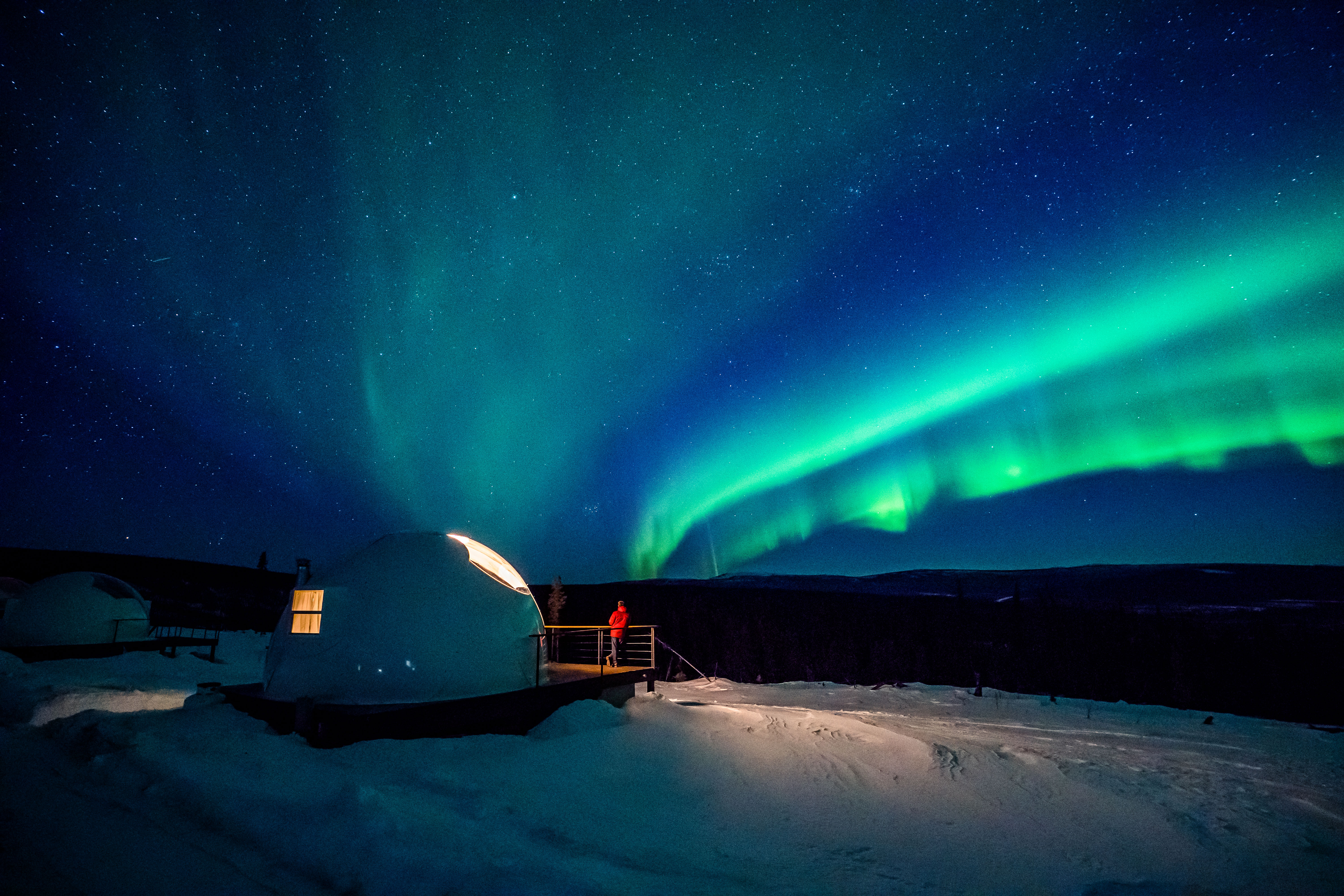
For the truly intrepid traveler, Alaska offers extremely remote locations further north that provide unparalleled dark skies and often even more intense aurora displays. These destinations are for those seeking an immersive, off-the-beaten-path adventure.
- Utqiagvik (Barrow): As the northernmost city in the United States, Utqiagvik (formerly Barrow) experiences continuous darkness for several weeks in winter, dramatically increasing aurora viewing opportunities. However, reaching Utqiagvik is expensive, typically requiring a flight, and conditions are extremely harsh, with temperatures often plummeting to -20°F (-29°C) or colder. Accommodation options are limited but offer an authentic experience of Arctic life.
- Coldfoot: Located along the Dalton Highway (the route to the Arctic Ocean), Coldfoot is a tiny settlement above the Arctic Circle. It’s essentially a truck stop with a lodge, offering a raw, wilderness experience. Aurora tours often depart from Fairbanks to Coldfoot, providing a chance to see the lights in a profoundly wild setting. These locations are certainly for the adventurous, budget-conscious traveler prepared for extreme conditions, but they promise an unforgettable encounter with the Northern Lights in their most pristine environment.
Planning Your Alaskan Aurora Adventure: Travel, Accommodation, and Experiences
An aurora chasing trip to Alaska requires careful planning, especially when it comes to travel logistics, choosing the right place to stay, and enriching your overall experience. This trip isn’t just about the nights; it’s about embracing the unique Alaskan lifestyle and culture.
Choosing Your Accommodation
Alaska offers a diverse range of accommodation options to suit every preference and budget, from luxury resorts to cozy cabins.
- Resorts and Hotels: In larger cities like Anchorage and Fairbanks, you’ll find a variety of hotels offering comfort and convenience. For a touch of luxury travel, consider resorts that often come with amenities like spas, fine dining, and organized tours. For example, The Hotel Captain Cook in Anchorage offers elegant suites and stunning views. In Fairbanks, many hotels are situated just outside the city center to minimize light pollution, some even offering aurora viewing platforms or “wake-up call” services for guests.
- Cabins and Lodges: For a more rustic or secluded experience, consider booking a private cabin or staying at an aurora lodge outside city limits. These often provide a more intimate connection with nature and are perfect for family trips or those seeking quiet solitude. Places like Chena Hot Springs Resort offer both hotel-style rooms and private cabins, blending convenience with a wilderness feel.
- Booking Tips: Regardless of your choice, it’s crucial to book well in advance, especially if traveling during peak aurora season. Reviews and comparisons on travel websites can help you find the best deals and ensure your accommodation meets your needs for comfort and accessibility. Remember to check if your chosen accommodation offers heating, as Alaskan winters are notoriously cold.
Essential Travel Tips for Aurora Hunters
A successful aurora hunt involves more than just luck; it requires preparation and smart travel choices.
- What to Pack: Dress in layers! Alaskan winters demand serious cold-weather gear: thermal base layers, fleece mid-layers, an insulated waterproof outer jacket, snow pants, a warm hat that covers your ears, insulated waterproof gloves or mittens, and heavy-duty winter boots. Hand and foot warmers are also highly recommended.
- Transportation: While major cities have public transport, a rental car (4×4 or AWD highly recommended) offers the most flexibility for chasing the lights away from city glow. Be aware of winter driving conditions and always check road reports. Alternatively, many tour operators offer guided aurora excursions, providing transportation, heated shelters, and expert guidance – an excellent option for those less comfortable driving in snow or seeking a hassle-free experience.
- Safety and Flexibility: Inform someone of your plans if venturing to remote spots. Carry emergency supplies, including extra food, water, and a fully charged phone. Always prioritize safety over seeing the lights. Be flexible with your itinerary; aurora viewing is highly dependent on weather and solar activity, so having backup plans for daytime activities is wise.
- Aurora Apps: Download aurora prediction apps (e.g., My Aurora Forecast, Aurora Alerts) that provide real-time Kp-index readings, cloud cover maps, and forecasts to help you determine the best viewing times and locations.
Beyond the Lights: Daytime Activities and Local Culture
An Alaskan winter trip isn’t solely about the night sky; the days offer a wealth of unique cultural experiences and adventurous activities that connect directly to local tourism and lifestyle.
- Winter Sports: Embrace the snow with dog sledding tours (a quintessential Alaskan experience), snowmobiling, ice fishing, cross-country skiing, or even downhill skiing at resorts like Alyeska Resort in Girdwood.
- Wildlife and Nature: Visit the Alaska Wildlife Conservation Center near Girdwood to see bears, moose, elk, and musk oxen up close. Take a scenic drive along the Seward Highway for breathtaking views of mountains and coastlines. While Denali National Park is mostly inaccessible by road in winter, flightseeing tours offer spectacular views of Mount Denali and its surrounding wilderness.
- Local Culture and Cuisine: Explore local museums in Anchorage and Fairbanks to learn about Alaskan Native culture, pioneer history, and the state’s unique ecosystems. Savor fresh seafood, particularly Alaskan king crab and salmon, and try local delicacies. Many small towns offer charming boutiques and art galleries where you can find unique souvenirs, supporting local artisans. Whether it’s a family trip or a solo adventure, these daytime excursions add depth and wonder to your aurora experience, creating a holistic travel itinerary.
Maximizing Your Chances: Photography and Patience
Witnessing the Aurora Borealis is often described as a spiritual experience, but capturing its beauty requires a bit of technical know-how and, more importantly, a large dose of patience.
Capturing the Northern Lights
For those eager to photograph the aurora, some basic equipment and settings can make a world of difference:
- Camera: A DSLR or mirrorless camera with manual settings is essential. Smartphone cameras, while improving, still struggle with low-light aurora photography.
- Lens: A wide-angle lens (14-24mm) with a fast aperture (f/2.8 or lower) is ideal to capture the broad expanse of the sky and gather enough light.
- Tripod: Absolutely crucial for long exposures to avoid camera shake and achieve sharp images.
- Remote Shutter Release: Also helpful to prevent camera shake.
- Settings: Start with these general settings and adjust as needed:
- ISO: 800-3200 (higher ISO for fainter aurora, lower for brighter)
- Aperture: Widest possible (e.g., f/2.8)
- Shutter Speed: 10-30 seconds (longer for fainter aurora, shorter for brighter, more active displays)
- Focus: Manual focus set to infinity.
- Batteries: Bring multiple spare batteries; cold temperatures drain them quickly. Keep spares in an inside pocket to keep them warm.
- Practice: Familiarize yourself with your camera settings during the day or in your hotel room before heading out into the cold night.
The Art of Waiting
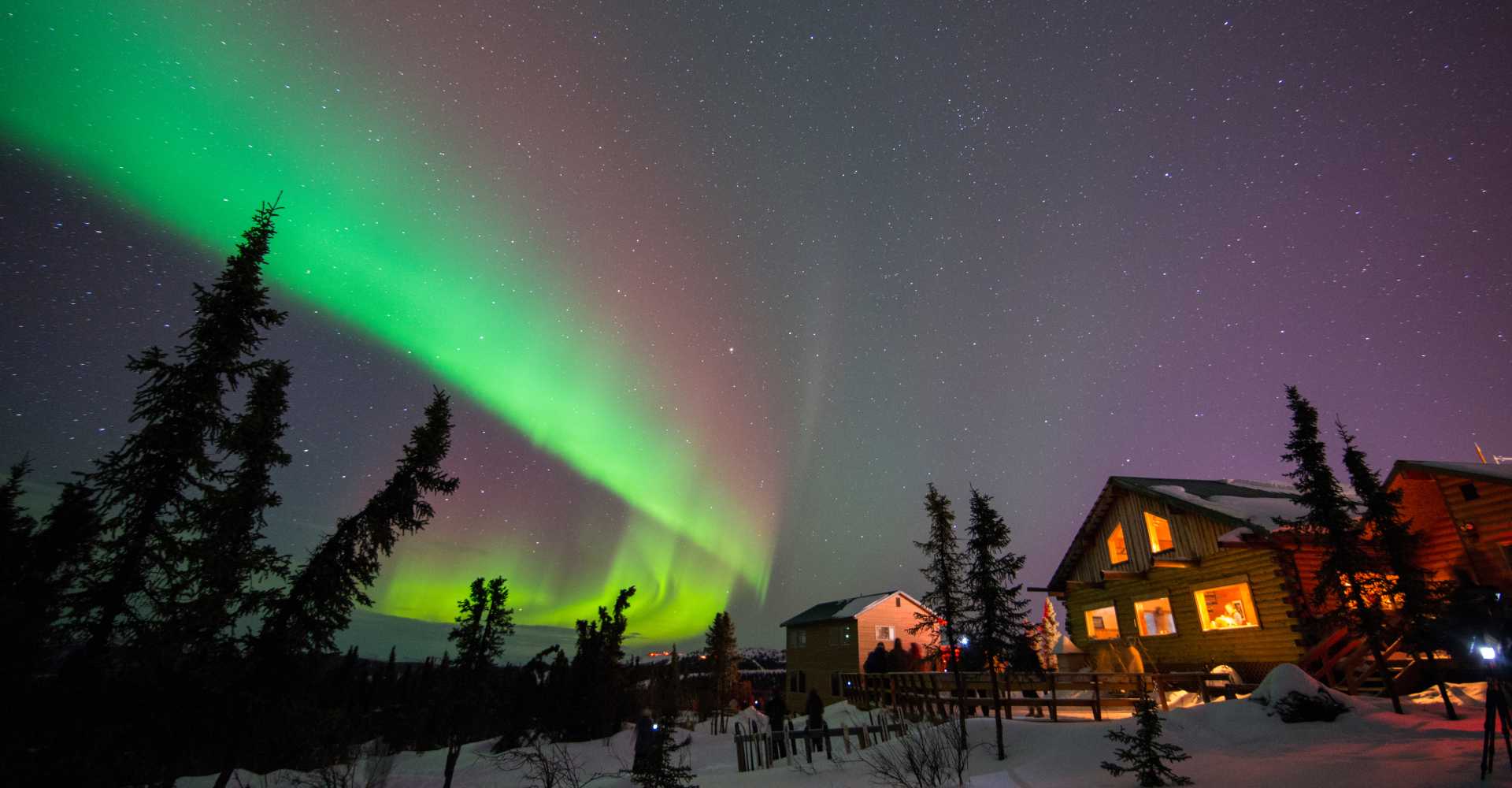
The most important tool an aurora hunter can possess is patience. The Northern Lights are a natural phenomenon, inherently unpredictable. There will be nights when the forecast looks promising, but clouds roll in, or the aurora simply doesn’t appear. And there will be nights when it bursts forth unexpectedly.
- Flexibility and Persistence: Plan for multiple nights of viewing if possible, especially if your trip is short. The longer you stay, the higher your chances of seeing a spectacular display. Many aurora tours offer multi-night packages precisely for this reason.
- Embrace the Experience: Even if the aurora is shy, the experience of standing under a vast, starlit Alaskan sky is memorable in itself. Enjoy the crisp air, the silence of the wilderness, and the anticipation. Bring a thermos of hot cocoa, some snacks, and warm blankets. Share the moment with fellow travelers or enjoy the serene solitude. Sometimes, the most magical moments happen when you least expect them.
Without a doubt, Alaska stands as a premier destination for witnessing the breathtaking Aurora Borealis. Its unique position under the auroral oval, coupled with immense dark skies and dedicated tourism infrastructure, makes it an unparalleled choice for this bucket-list experience. From the vibrant energy of Fairbanks to the raw wilderness of the Arctic Circle, Alaska offers a myriad of ways to chase the lights. By understanding the science, choosing the right locations and accommodation, preparing for the challenging winter conditions, and embracing both the thrilling anticipation and the serene beauty of the landscape, your journey to see the Northern Lights will be nothing short of magical. So, pack your warmest layers, calibrate your camera, and prepare to be mesmerized by nature’s most spectacular light show. Your Alaskan aurora adventure awaits!
LifeOutOfTheBox is a participant in the Amazon Services LLC Associates Program, an affiliate advertising program designed to provide a means for sites to earn advertising fees by advertising and linking to Amazon.com. Amazon, the Amazon logo, AmazonSupply, and the AmazonSupply logo are trademarks of Amazon.com, Inc. or its affiliates. As an Amazon Associate we earn affiliate commissions from qualifying purchases.