
The Chicago Style Hot Dog is more than just a meal; it’s a culinary icon, a vibrant testament to the city’s diverse food culture and its immigrant roots. Unlike its ketchup-slathered counterparts found elsewhere, the authentic Chicago dog is a meticulously assembled masterpiece, a symphony of flavors and textures that tells a story of tradition and local pride. This guide will lead you through the essential components and techniques to recreate this beloved street food experience, whether you’re a seasoned home cook or a culinary adventurer looking to capture the spirit of Chicago.

The Foundation: Essential Ingredients
The true magic of a Chicago-style hot dog lies in the quality and specific types of ingredients used. Deviation from the norm is not merely a suggestion; it’s a departure from the authentic experience.
The Star: The All-Beef Hot Dog
At the heart of every great Chicago dog is a high-quality, all-beef frankfurter. The quintessential choice is a Vienna Beef dog, specifically a natural-casing frankfurter. The natural casing provides a satisfying “snap” when bitten into, a crucial textural element that distinguishes it from skinless varieties. These dogs are typically steamed or boiled, never grilled or fried, to maintain their juicy interior and plump form. The steaming process gently warms the dog without imparting char or drying it out, allowing the natural beef flavor to shine through. When selecting your hot dogs, look for brands that emphasize 100% beef content and a good fat-to-meat ratio for optimal flavor and juiciness.
The Bun: A Pillowy Pillow
The bun is the vessel that holds this culinary treasure, and it must be up to the task. A steamed poppy seed bun is the traditional choice. Steaming the bun softens it, creating a wonderfully tender and slightly chewy texture that perfectly complements the snap of the hot dog. The poppy seeds add a subtle nutty flavor and visual appeal, a signature characteristic of the Chicago dog. It’s important that the bun is steamed just before assembly to ensure maximum freshness and pliability. A stale or dry bun can detract significantly from the overall experience.
The “Dragged Through the Garden”: A Symphony of Toppings
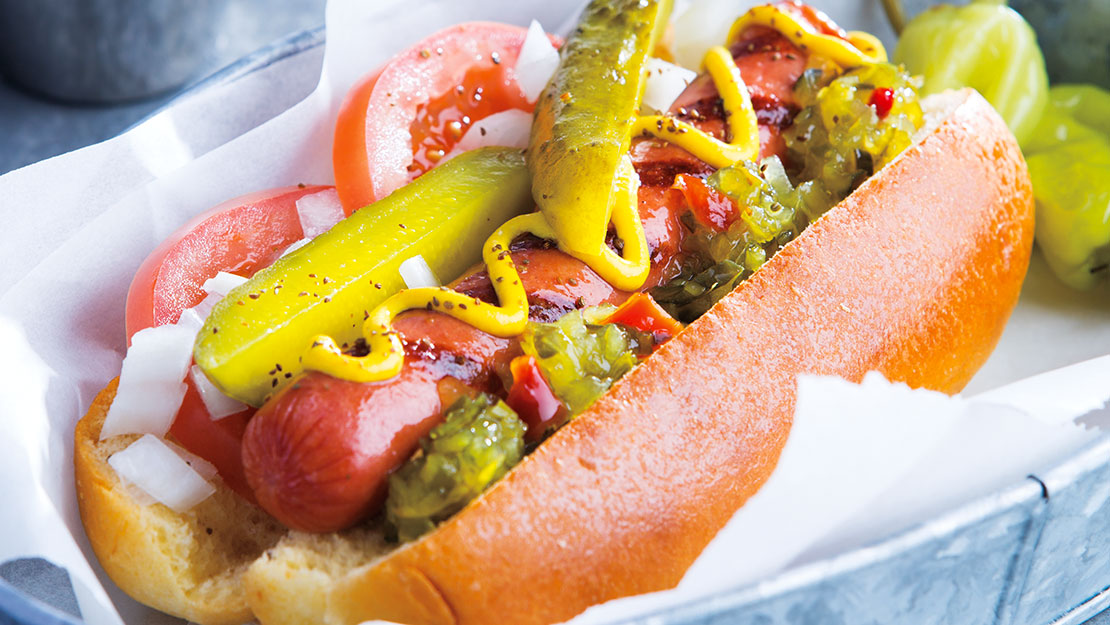
This is where the Chicago-style hot dog truly earns its nickname. The phrase “dragged through the garden” refers to the liberal and specific array of fresh, vibrant toppings that adorn the dog. Each ingredient plays a vital role in creating the harmonious flavor profile.
-
Yellow Mustard: A tangy, bright yellow mustard is the only acceptable mustard for a Chicago dog. Its sharp, vinegary notes cut through the richness of the beef and provide a zesty foundation. It is applied in a zigzag pattern directly onto the hot dog, ensuring an even distribution of flavor.
-
Chopped White Onions: Finely diced raw white onions offer a pungent bite and a slight sweetness that complements the mustard and relish. The freshness of the raw onion is key, providing a crisp contrast to the soft bun and juicy dog.
-
Bright Green Sweet Pickle Relish: This is not your average pickle relish. Chicago-style relish is characterized by its vibrant, almost neon green hue and its sweet, slightly tangy flavor. The sweetness is derived from the pickling process and often includes a touch of sugar. It adds a burst of sweetness and a unique textural element.
-
Dill Pickle Spear: A crisp, whole dill pickle spear is nestled alongside the hot dog, offering a refreshing, briny crunch. It’s often positioned to provide an easy grab for an extra bite of pickle on its own or to add a salty counterpoint to the other toppings.
-
Tomato Slices or Wedges: Two ripe tomato slices or wedges are placed on top of the dog. Their juicy, slightly acidic flavor adds moisture and a refreshing counterpoint to the other ingredients. Ripe, flavorful tomatoes are essential here, as they contribute significantly to the overall juiciness of the finished product.
-
Neon Green Pickle Spear (Optional but Traditional): Some purists insist on a neon green pickle spear, often referred to as sport peppers or pickled green cherry peppers. These small, pickled peppers are intensely flavorful and add a mild to moderate heat and a vinegary tang. They are typically placed at the “9 o’clock” position on the dog.

- Celery Salt: A final dusting of celery salt provides a unique herbaceous note and a subtle salinity that ties all the flavors together. It’s the finishing touch that elevates the dog from simply a collection of toppings to a well-balanced culinary creation.
The Art of Assembly: Building Your Chicago Dog
The order in which the toppings are applied is as important as the ingredients themselves. This meticulous layering ensures that each bite offers a balanced blend of flavors and textures.
Step-by-Step Construction:
- Prepare the Hot Dog: Gently steam your all-beef, natural-casing hot dogs until they are heated through and plump. Avoid overcrowding the steamer, as this can lead to uneven cooking.
- Steam the Bun: While the dogs are steaming, place your poppy seed buns in the steamer for a brief period to soften them. They should be warm, pliable, and slightly moist.
- Place the Dog in the Bun: Carefully place the steamed hot dog into the opened, steamed poppy seed bun.
- Apply the Mustard: Squeeze a zigzag of yellow mustard directly onto the hot dog, running from one end to the other.
- Add the Onions: Sprinkle a generous amount of finely chopped white onions over the mustard.
- Layer the Relish: Spoon a dollop of the bright green sweet pickle relish over the onions.
- Incorporate the Tomatoes: Place two tomato slices or wedges on top of the relish, typically on opposite sides of the dog.
- Position the Pickle Spear: Lay the whole dill pickle spear alongside the hot dog, usually on one side.
- Add the Sport Peppers (if using): Place one or two neon green sport peppers or pickled green cherry peppers on the dog.
- Finish with Celery Salt: Lightly sprinkle celery salt over the entire assembly.
Beyond the Dog: The Chicago Culinary Context
The Chicago Style Hot Dog is deeply woven into the fabric of Chicago tourism and local culture. It’s a street food staple found at iconic establishments across the city, from renowned hot dog stands to casual diners. Visiting these spots is an experience in itself, offering a glimpse into the city’s culinary heritage.
Exploring Chicago’s Hot Dog Scene:
- Iconic Stands: Many legendary hot dog joints have been serving up authentic Chicago dogs for decades. These establishments often have a no-ketchup policy, a firm stance that underscores their commitment to tradition. Experiencing a dog from one of these places is a rite of passage for any visitor.
- Local Traditions: The Chicago dog is a source of immense local pride. Debates about the best purveyor or the perfect topping ratio are common among residents. This passion reflects the deep connection the city has with its signature dish.
- A Taste of Immigrant History: The evolution of the Chicago-style hot dog is intrinsically linked to the city’s immigrant communities, particularly those who established small businesses and brought their culinary traditions to the forefront. The hot dog, in its embellished form, became an affordable yet satisfying meal for working-class families.
Common Pitfalls to Avoid
To truly master the art of the Chicago-style hot dog, it’s important to be aware of common mistakes that can detract from its authenticity.
The Cardinal Sin: Ketchup
Perhaps the most controversial aspect of the Chicago-style hot dog is the absolute prohibition of ketchup. For purists, ketchup’s sweetness and texture clash with the carefully balanced flavors of the traditional toppings. It is seen as masking the other ingredients rather than complementing them. Ordering a Chicago dog with ketchup is akin to asking for a different experience altogether; you will likely be met with polite (or not-so-polite) refusal.
Ingredient Quality and Preparation
Using subpar ingredients or incorrect preparation methods can significantly alter the final product.
- The Wrong Dog: Opting for a beef-and-pork blend or a low-quality frankfurter will diminish the essential “snap” and rich beef flavor.
- Incorrect Bun: A regular hamburger bun or a dry hot dog bun will fail to provide the necessary softness and texture.
- Pre-made Relish: Using a standard sweet relish will not achieve the signature bright green color and distinct sweet-tangy profile.
- Overcooking the Dog: Overcooked hot dogs can become tough and rubbery.
- Undercooking the Bun: A cold or hard bun detracts from the overall enjoyment.
By understanding and adhering to these principles, you can confidently recreate the authentic Chicago Style Hot Dog experience in your own kitchen, bringing a taste of Chicago to your table.
LifeOutOfTheBox is a participant in the Amazon Services LLC Associates Program, an affiliate advertising program designed to provide a means for sites to earn advertising fees by advertising and linking to Amazon.com. Amazon, the Amazon logo, AmazonSupply, and the AmazonSupply logo are trademarks of Amazon.com, Inc. or its affiliates. As an Amazon Associate we earn affiliate commissions from qualifying purchases.