
When planning a visit to the vibrant metropolis of New York City, understanding its prevailing weather conditions is paramount. The temperature in New York City, a global hub of culture, commerce, and iconic landmarks, is a dynamic factor that significantly influences the visitor experience. From the crisp air of autumn to the sweltering heat of summer, each season offers a distinct ambiance and necessitates different preparations for exploring its myriad attractions. This guide delves into the typical temperature ranges throughout the year, offering insights that will help you pack wisely and optimize your itinerary, whether you’re here to marvel at the Statue of Liberty, wander through Central Park, or catch a show on Broadway.
Understanding New York City’s Climate Patterns
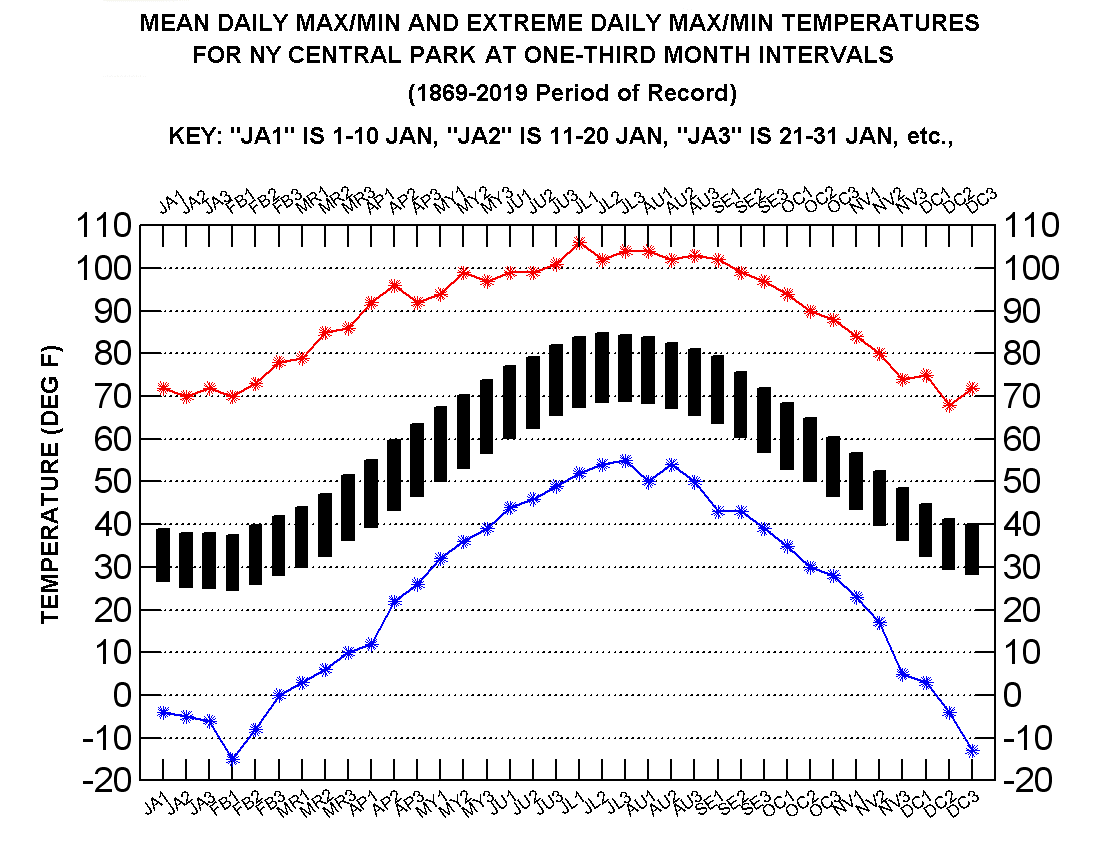
New York City experiences a humid subtropical climate, characterized by four distinct seasons. This means hot, humid summers and cold, often snowy winters, with transitional periods of spring and autumn that are generally more temperate. The city’s coastal location, nestled along the Atlantic Ocean, plays a crucial role in moderating its temperatures, preventing the extreme temperature swings sometimes seen in inland continental climates. However, it also contributes to the humidity, particularly during the summer months. The presence of large bodies of water, such as the Hudson River, also influences localized microclimates within the sprawling city.
Seasonal Temperature Averages
To better gauge what to expect, let’s break down the typical temperatures by season:
Winter (December – February)
Winter in New York City is generally cold, with average daily temperatures ranging from the low 20s to the low 40s Fahrenheit (approximately -6°C to 5°C). Snowfall is common, and can range from light dustings to significant blizzards, which can transform the cityscape into a picturesque winter wonderland, perfect for enjoying holiday decorations in Times Square or ice skating at Rockefeller Center. January is typically the coldest month. Visitors should be prepared for freezing temperatures, icy conditions, and the need for warm, layered clothing, including heavy coats, hats, gloves, and waterproof footwear.
Spring (March – May)
Spring offers a welcome thaw and a gradual warming trend. March can still be quite chilly, with average temperatures hovering in the 30s and 40s Fahrenheit (around 0°C to 10°C), but by May, temperatures often climb into the comfortable 60s and 70s Fahrenheit (15°C to 25°C). This is a beautiful time to visit as the city awakens from winter. The trees in Central Park begin to bloom, and outdoor cafes start to fill up. However, spring weather can be unpredictable, with potential for lingering cold snaps or sudden warm spells. Layering is key, with lighter jackets, sweaters, and perhaps an umbrella for occasional spring showers being advisable.
Summer (June – August)
Summers in New York City are typically hot and humid, with average daily temperatures ranging from the mid-70s to the mid-80s Fahrenheit (approximately 24°C to 29°C). However, heatwaves are common, pushing temperatures into the 90s Fahrenheit (32°C and above) and often feeling much hotter due to the humidity. This is peak tourist season, with outdoor activities, rooftop bars, and exploring neighborhoods like Greenwich Village being popular. Light, breathable clothing, sunscreen, hats, and staying hydrated are essential. Air-conditioned indoor attractions, such as museums like the Metropolitan Museum of Art or the American Museum of Natural History, provide welcome respite from the heat.
Autumn (September – November)
Autumn is often considered the most pleasant season in New York City. September and October typically offer mild and crisp weather, with average temperatures in the 60s and 70s Fahrenheit (15°C to 25°C). The fall foliage in parks like Prospect Park and along the Hudson River is spectacular. November sees a gradual cooling, with temperatures dropping into the 40s and 50s Fahrenheit (5°C to 15°C) as winter approaches. This season is ideal for walking tours, exploring neighborhoods, and enjoying outdoor markets. A light to medium jacket is usually sufficient, though evenings can become cooler.
Factors Influencing Temperature Variations
While general seasonal averages provide a useful framework, several factors can cause temperature fluctuations within New York City:
Urban Heat Island Effect
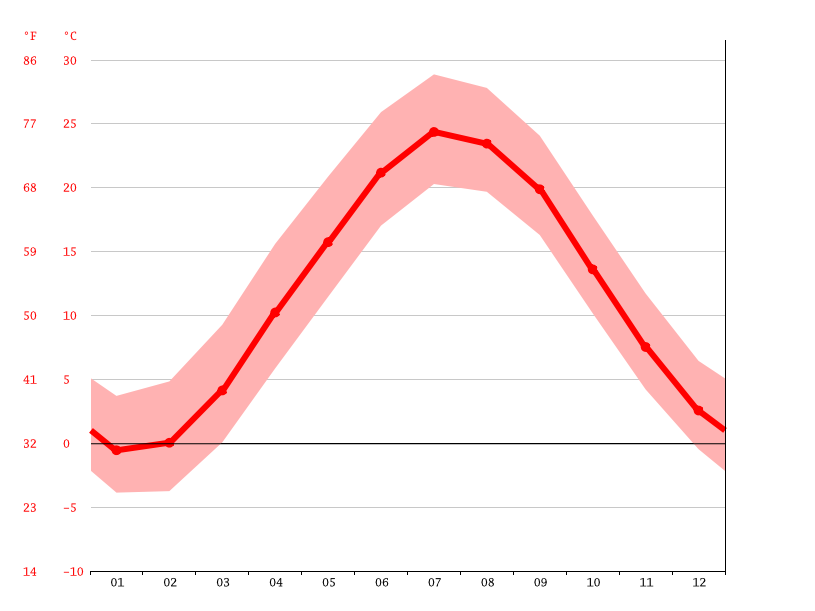
As a densely populated urban environment with vast expanses of concrete, asphalt, and numerous buildings, New York City experiences the “urban heat island” effect. This phenomenon causes urban areas to be significantly warmer than their surrounding rural areas, especially at night. The heat absorbed by buildings and pavement during the day is released slowly, leading to higher temperatures within the city limits, particularly in highly developed areas like Midtown Manhattan.
Proximity to Water Bodies
The presence of the Atlantic Ocean, the East River, and the Hudson River has a moderating influence on temperatures. Coastal areas tend to experience slightly milder winters and cooler summers compared to inland parts of the metropolitan area. Sea breezes can also provide a refreshing reprieve during hot summer days.
Elevation and Geographic Location Within the City
While the elevation differences within the five boroughs of New York City are not dramatic, there can be subtle variations. Areas at higher elevations or those with more green space might experience slightly different temperatures than low-lying, heavily built-up areas. For instance, parks can offer microclimates that are a few degrees cooler than the surrounding concrete jungle.
Planning Your Visit Based on Temperature
Knowing the typical temperatures allows for strategic planning of your New York City adventure, ensuring comfort and maximizing enjoyment.
Packing Essentials for Each Season
- Winter: Thermal base layers, wool sweaters, waterproof and windproof heavy-duty coat, insulated pants, warm hat, scarf, gloves, waterproof boots with good traction.
- Spring: Layers are crucial. T-shirts, long-sleeved shirts, sweaters, a medium-weight jacket or trench coat, comfortable walking shoes, and an umbrella are advisable.
- Summer: Lightweight, breathable clothing such as cotton or linen shorts, t-shirts, sundresses, sandals, a wide-brimmed hat, sunglasses, and high-SPF sunscreen.
- Autumn: Similar to spring but with potentially cooler evenings. Long pants, sweaters, a light to medium jacket, and comfortable walking shoes are recommended. A scarf can add warmth as needed.
Adapting Activities to the Weather
- Cold Weather: Embrace indoor attractions like museums, Broadway shows, and cozy restaurants. Enjoy winter activities like ice skating at Bryant Park or exploring holiday markets.
- Hot Weather: Prioritize indoor activities during the hottest parts of the day. Take advantage of air-conditioned spaces, enjoy boat tours for a breeze, or relax in the shade of Central Park. Visit attractions like the New York Public Library for a cool escape.
- Mild Weather: This is the ideal time for extensive walking tours, exploring different neighborhoods like SoHo or Brooklyn Heights, visiting outdoor markets, and enjoying picnics.
Real-Time Temperature and Weather Information
While understanding seasonal averages is valuable, for immediate travel planning or for those already in the city, checking real-time weather forecasts is essential. Numerous reliable sources provide up-to-the-minute temperature readings, humidity levels, and precipitation forecasts for New York City.

Reliable Weather Forecast Resources
Websites and mobile applications from organizations like the National Weather Service, AccuWeather, The Weather Channel, and local news outlets offer detailed and frequently updated meteorological information. These resources can help you make last-minute adjustments to your attire or itinerary, ensuring you are always prepared for whatever the New York City weather throws your way. Paying attention to factors like wind chill in winter and heat index in summer can provide a more accurate picture of how the temperature will actually feel.
By thoroughly understanding and preparing for the prevailing temperatures, visitors can transform their trip to New York City into an even more enjoyable and memorable experience, navigating its iconic streets and world-class attractions with confidence and comfort.
LifeOutOfTheBox is a participant in the Amazon Services LLC Associates Program, an affiliate advertising program designed to provide a means for sites to earn advertising fees by advertising and linking to Amazon.com. Amazon, the Amazon logo, AmazonSupply, and the AmazonSupply logo are trademarks of Amazon.com, Inc. or its affiliates. As an Amazon Associate we earn affiliate commissions from qualifying purchases.